

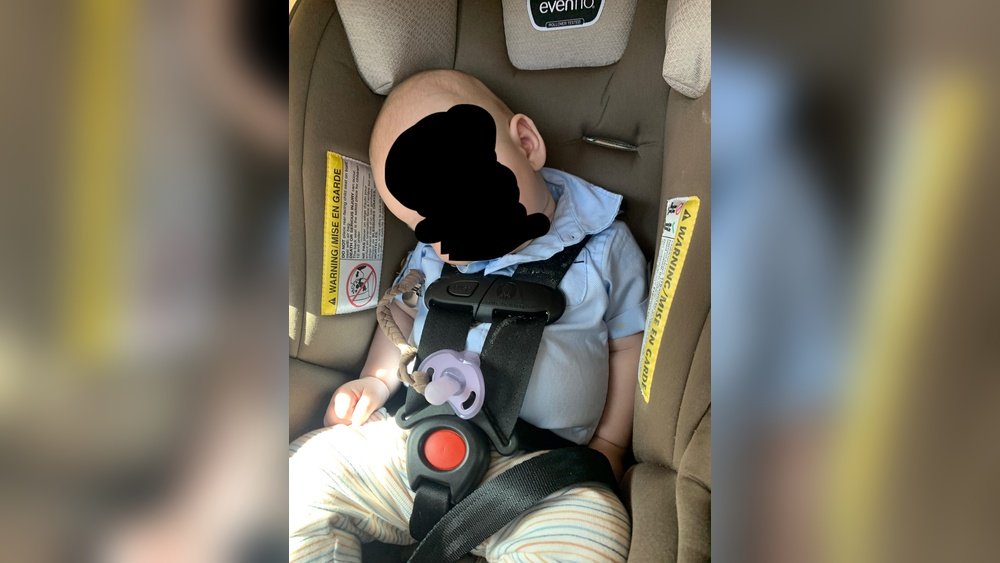
Are you wondering when it’s the right time to take out the insert in your baby’s car seat? It’s a question every parent asks because safety and comfort come first.
Keeping the insert too long or removing it too soon can affect how well your little one fits and stays secure. You’ll discover clear signs that tell you when it’s time to say goodbye to that extra padding. By the end, you’ll feel confident making the best choice for your child’s car rides—safe, cozy, and worry-free.
Keep reading to learn exactly what to watch for and why timing matters so much.

Credit: www.liftingitalia.com
Purpose Of Car Seat Inserts
Car seat inserts play a key role in keeping newborns safe and comfortable. These inserts are soft cushions placed inside car seats. They help secure small babies better. Inserts fill empty spaces around the baby. This helps the baby stay in the right position. Inserts also offer extra padding and support. Parents use inserts to make car rides safer for newborns. Understanding the purpose of these inserts helps parents use them properly.
Role In Newborn Safety
Inserts keep newborns snug in their car seats. Newborns are small and fragile. Car seats are made for bigger babies. Inserts fill gaps around the baby. This limits movement during sudden stops or turns. Inserts reduce the risk of injury by holding the baby in place. They keep the baby’s head from slumping forward. Proper head support helps keep airways open. Inserts also prevent the baby from slipping out. This makes car travel safer for newborns.
Support And Comfort Benefits
Inserts add extra softness inside the car seat. Newborns have delicate bodies. The padding protects their backs and sides. Inserts help the baby rest more comfortably. They reduce pressure points caused by hard car seats. Inserts keep babies cozy during long trips. Babies can sleep better with good support. Proper support helps prevent fussiness and crying. Inserts make car rides easier for both babies and parents.
Signs To Remove The Insert
Knowing the right time to remove the insert from a car seat is important for your baby’s safety and comfort. Inserts help newborns fit better in car seats, but babies grow fast. Watch for clear signs that show your baby no longer needs the extra padding. These signs focus on your baby’s size and how they sit in the seat.
Baby’s Growth And Size
Check your baby’s weight and height regularly. Most inserts are for babies under a certain size. When your baby grows bigger than the insert’s recommended size, it’s time to remove it.
Also, notice if your baby feels cramped in the seat. The insert should not squeeze your baby tightly. If your baby looks crowded or their legs touch the seat edges, the insert is too small.
Head And Body Positioning
Observe your baby’s head position. The insert supports the head and neck. When your baby can hold their head up steadily, the insert may no longer be needed.
Look at how your baby sits. If the insert changes your baby’s natural posture or pushes their body forward, remove it. Your baby should sit comfortably with the straps in the correct place.
Safety Risks Of Keeping Inserts Too Long
Car seat inserts provide extra support for small babies. They help keep infants snug and secure. But keeping these inserts too long can cause safety problems. Inserts are meant for newborns and small infants only. Using them beyond this stage can lead to risks during travel.
Parents must know when to remove the insert. This helps keep the child safe and comfortable. Ignoring this can cause serious issues. The main dangers include restricted movement and poor harness fit. Both affect the child’s protection in a crash.
Restricted Movement
Inserts limit the baby’s ability to move freely. This restriction can cause discomfort during trips. Babies need space to adjust their position. Inserts that are too small or old can trap the child. This makes it hard for them to breathe and move.
Restricted movement also affects how well the car seat absorbs impact. A trapped baby cannot shift safely in a crash. This increases the chance of injury. Removing the insert at the right time prevents this risk.
Improper Harness Fit
The car seat harness must fit snugly against the child. Inserts can change how the harness fits. If the insert is too thick, the straps may be loose. Loose straps reduce the harness’s ability to hold the child safely.
When the harness does not fit well, the child can slip out. This is very dangerous in an accident. The harness should lie flat and tight on the child’s chest. Removing the insert helps maintain the correct harness fit as the child grows.
Manufacturer Guidelines And Recommendations
Manufacturer guidelines and recommendations are the best source for knowing when to remove the insert in a car seat. Each car seat is different. The insert size and purpose vary by brand and model. Following these instructions helps keep your child safe and comfortable. It ensures the seat works as designed for your child’s size and age.
Checking Car Seat Manuals
Start by reading the car seat manual carefully. The manual explains when to use and remove the insert. It tells you the correct placement for your child’s age and size. Manuals often have pictures to guide you. Keep the manual handy for easy reference.
Following Age And Weight Limits
Manufacturers set age and weight limits for inserts. These limits are based on safety tests. Do not remove the insert too early or too late. Using the insert beyond limits can reduce protection. Removing it too soon may cause poor fit. Always check these limits before making changes.
Transitioning Without Inserts
Removing the insert in a car seat marks a key step in your child’s growth. Inserts provide extra padding and support for smaller babies. As your child grows, the insert may no longer fit well or provide the right support. Transitioning without the insert helps your child sit comfortably and safely.
This change can feel tricky at first. The goal is to keep your child secure while giving them room to move. Watch your child’s size and comfort closely. Make small adjustments to the car seat setup. This keeps the seat safe and snug without the insert.
Adjusting Harness Straps
Adjust the harness straps to fit your child’s new size. The straps should lie flat and not twist. Place the straps at or just above your child’s shoulders. Tighten the harness so you cannot pinch any slack. This keeps your child secure during the ride.
Ensuring Proper Seat Fit
Check the car seat’s fit after removing the insert. Your child’s back should rest fully against the seat. The seat should not feel too loose or too tight. Make sure the headrest is at the right height. Proper fit improves safety and comfort without the insert.

Credit: www.reddit.com
Common Mistakes To Avoid
Many parents struggle with knowing the right time to remove the insert from their child’s car seat. Mistakes in this area can affect the child’s safety and comfort. Understanding common errors helps avoid these problems. Here are two frequent mistakes to watch out for.
Removing Inserts Too Early
Some parents take out the insert as soon as their child grows a bit. This can lead to poor support and unsafe positioning. Inserts are designed to keep babies snug and secure. Removing them too soon may cause the child to slide or lean incorrectly. Wait until your child clearly outgrows the insert size. Check the car seat manual for guidance on timing.
Ignoring Comfort And Support
Comfort matters as much as safety in a car seat. Inserts help support a baby’s head and body during travel. Ignoring this can make rides uncomfortable and stressful for the child. Pay attention to signs of discomfort like fussiness or poor posture. Keep the insert in place if it helps your child sit properly. Adjust only when your child is ready for less support.
Additional Tips For Car Seat Safety
Keeping your child safe in a car seat is very important. Knowing when to take out the insert is just one part of this. There are extra steps you can take to make sure the car seat is always safe and secure.
Regular Seat Inspections
Check the car seat often. Look for any cracks, tears, or loose parts. Make sure the straps are not worn out or twisted. The seat should be tightly fastened to the car. A quick inspection before each trip can prevent many problems.
Consulting Child Safety Experts
Talk to a child safety expert for advice. They can help you know the right time to remove the insert. Experts can show you how to install the seat correctly. They also provide tips on keeping your child safe on the road.

Credit: www.liftingitalia.com
Frequently Asked Questions
When Should I Remove The Car Seat Insert?
Remove the insert when your baby’s head and body no longer fit snugly. This usually happens around 3 to 6 months. Check the car seat manual for specific weight and height guidelines. Proper fit ensures safety and comfort during travel.
Why Is The Car Seat Insert Important For Infants?
The insert provides extra support and cushioning for newborns. It helps position the baby correctly in the seat. This reduces the risk of injury and improves comfort. Inserts are designed to accommodate small body sizes safely.
Can I Leave The Insert In As My Baby Grows?
No, leaving the insert in too long can restrict your child’s movement. It may cause improper harness fit and reduce safety. Always follow the manufacturer’s guidelines for removing the insert based on weight and height.
How Do I Know My Baby Is Ready To Remove The Insert?
Your baby is ready when they look cramped or their head rises above the insert. Also, if the harness straps no longer align correctly, it’s time to remove it. Proper fit is essential for maximum protection.
Conclusion
Knowing when to take out the insert in a car seat keeps your child safe. Watch your baby’s size and comfort closely. The insert is for newborns and small babies only. Once your baby’s head and body fill the seat well, it’s time to remove it.
This helps the car seat protect your child better. Always follow the car seat’s manual for best guidance. Safety comes first. Keep checking as your child grows. A good fit means a safer ride every time.
