

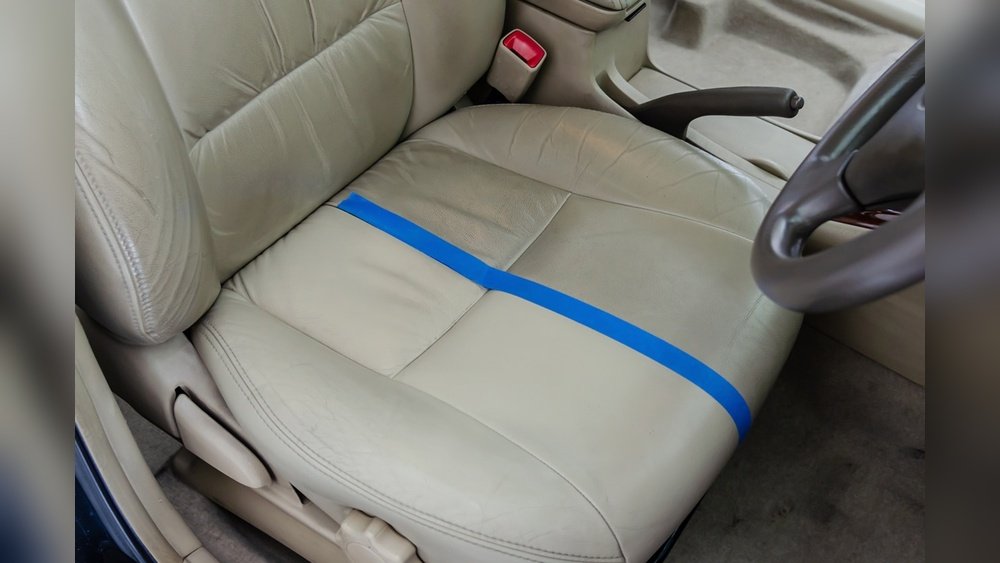
Your leather car seats add style and comfort to every drive, but over time, dirt, sweat, and spills can make them look worn and tired. You might think deep cleaning leather seats is tough or risky, but with the right steps, you can bring back that fresh, like-new feel without damaging your car’s interior.
In this guide, you’ll discover simple, effective techniques to deep clean your leather seats safely and easily. Keep reading, and you’ll learn how to protect your investment and enjoy a cleaner, more inviting ride every time you get behind the wheel.

Credit: www.youtube.com
Leather Seat Basics
Leather car seats add a touch of luxury and comfort to any vehicle. They feel soft and look great. Taking care of them keeps your car interior fresh and inviting. Understanding leather seat basics helps you clean better and protect your investment.
Types Of Leather
Not all leather is the same. There are different types used in car seats. Full-grain leather is the highest quality. It is strong and ages beautifully. Top-grain leather is smooth and slightly thinner. It is easier to clean but less durable. Corrected-grain leather has a coating to hide flaws. It resists stains but can crack over time. Split leather comes from the lower part of the hide. It is less expensive and less durable. Knowing your leather type helps choose the right cleaning method.
Common Stains And Issues
Leather seats face many problems. Dirt and dust settle in the surface pores. Oil and sweat from skin cause dark spots. Food and drink spills create stains and odors. Sunlight can dry out leather and cause cracks. Scratches and scuffs happen from keys or clothing. Mold and mildew can grow if seats stay damp. Each issue needs special care to keep seats looking new.
Gathering Cleaning Supplies
Before cleaning leather car seats, gather all necessary supplies. This step saves time and ensures a smooth cleaning process. Having the right tools and products protects your leather and delivers the best results.
Essential Tools
Start with soft microfiber cloths to avoid scratching the leather. Use a soft-bristled brush for loosening dirt in creases. A vacuum cleaner with a brush attachment helps remove loose debris. Prepare a spray bottle for applying cleaning solutions evenly. Keep a bucket of warm water ready for rinsing cloths and brushes.
Recommended Cleaning Products
Choose a leather cleaner made specifically for car seats. It removes dirt without damaging the surface. Select a leather conditioner to keep the material soft and prevent cracks. Avoid harsh chemicals or household cleaners that can dry out leather. Use mild soap only if you cannot find a leather cleaner. Always test products on a small hidden area first.
Pre-cleaning Preparation
Before deep cleaning leather car seats, prepare the area carefully. Proper preparation helps protect the leather and improves cleaning results. Start by removing loose dirt and dust. Also, check your cleaning products on a small spot first. This step avoids damage and color changes.
Vacuuming Dirt And Debris
Use a vacuum cleaner with a soft brush attachment. Gently vacuum the entire surface of each seat. Pay attention to seams and crevices where dirt hides. Removing loose particles prevents scratches during cleaning. This step keeps the leather safe and ready for deeper cleaning.
Spot Testing Cleaners
Choose a small, hidden spot on the seat for testing. Apply a small amount of your cleaner. Wait a few minutes to see if any discoloration or damage occurs. This test ensures the cleaner is safe for your leather. Avoid using strong chemicals without testing first.
Credit: bigsmobile.com
Step-by-step Cleaning Process
Deep cleaning leather car seats requires care and the right method. Following a clear process helps protect the leather and keeps it looking fresh. The steps below guide you through cleaning effectively.
Applying Cleaner
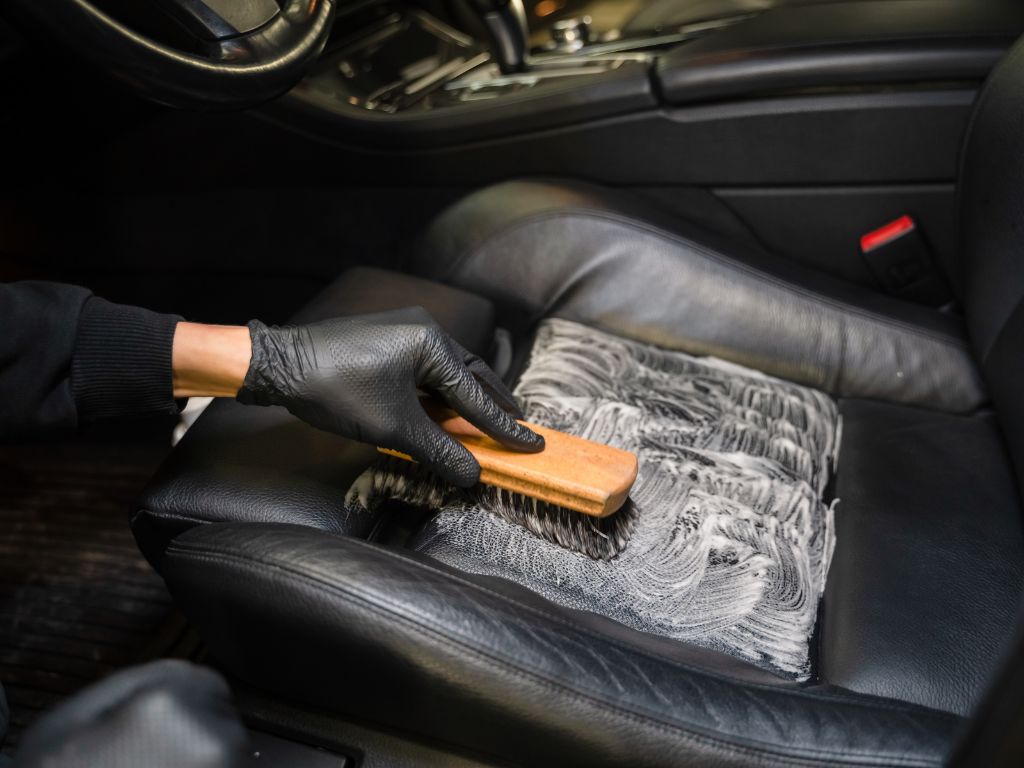
Start by choosing a cleaner made for leather. Test it on a small, hidden spot first. Spray or apply the cleaner gently over the seat surface. Avoid soaking the leather. Let it sit for a few minutes to loosen dirt.
Gentle Scrubbing Techniques
Use a soft brush or cloth for scrubbing. Move in small circles to lift dirt without damage. Focus on areas with stains or heavy soil. Take care not to press too hard to avoid scratches.
Wiping And Drying
Wipe the seat with a clean, damp cloth to remove cleaner and dirt. Use a dry cloth to soak up extra moisture. Leave the car doors open to air dry. Avoid direct sunlight or heat sources that can dry out leather.
Deep Cleaning Stubborn Stains
Stubborn stains on leather car seats need careful cleaning. These marks can ruin the look and feel of your car’s interior. Deep cleaning helps remove tough stains without damaging the leather. Use the right tools and gentle methods for best results. Stay patient and work slowly to protect the material.
Removing Ink And Dye Marks
Ink stains are tricky but removable with care. Dab the stain gently using a soft cloth dipped in rubbing alcohol. Avoid rubbing hard; it may spread the ink. Test the alcohol on a hidden spot first. Blot the stain softly until it fades. Use a clean, dry cloth to absorb extra moisture. Finish by applying a leather conditioner to keep the seat soft.
Treating Oil And Grease Spots
Oil and grease leave dark marks on leather seats. Sprinkle baking soda or cornstarch over the stain. Let it sit for a few hours to absorb the oil. Brush off the powder with a soft brush. If the stain stays, use a leather cleaner made for grease. Apply it gently using a microfiber cloth. Wipe the area clean and dry. Always moisturize the leather after cleaning to prevent cracks.
Conditioning Leather Seats
Conditioning leather seats keeps them soft and prevents cracks. It also protects the leather from drying out. This step is key after cleaning to keep the seats looking fresh. Proper conditioning extends the life of your car’s interior.
Choosing The Right Conditioner
Select a conditioner made for automotive leather. Avoid products with harsh chemicals or silicone. Natural oils like mink oil or lanolin work well. Test the product on a small seat area first. This avoids color changes or damage.
Application Tips For Softness And Shine
Apply conditioner with a clean, soft cloth. Use circular motions for even coverage. Let the conditioner sit for 10 to 15 minutes. Buff the seats gently with a dry cloth. This restores the leather’s softness and natural shine.
Maintaining Leather Seats
Leather car seats add style and comfort to your vehicle. Keeping them clean helps maintain their look and feel. Proper care prevents cracks and fading over time. Regular attention keeps leather soft and strong.
Regular Cleaning Schedule
Set a cleaning routine for your leather seats. Wipe seats weekly with a soft, damp cloth. Use a gentle leather cleaner once a month. Avoid harsh chemicals that can dry or damage leather. Clean spills immediately to stop stains.
Protecting Against Uv Damage
Sunlight can fade and crack leather seats. Use window shades to block direct sunlight. Park in shaded areas or garages whenever possible. Apply a leather conditioner with UV protection every few months. This helps keep leather flexible and vibrant.
:max_bytes(150000):strip_icc()/how-to-clean-leather-car-seats-5204366-hero-a9e1643de2804141afa2639918981c29.JPG)
Credit: www.thespruce.com
Common Mistakes To Avoid
Deep cleaning leather car seats takes care and attention. Avoiding common mistakes keeps your seats safe and looking good. Some errors can damage the leather or reduce its life. Knowing what to avoid helps you clean better and smarter.
Using Harsh Chemicals
Harsh chemicals can strip leather’s natural oils. This makes the leather dry and crack over time. Avoid cleaners with ammonia, bleach, or alcohol. These substances harm leather’s texture and color. Use only products made for leather care. Mild soaps or special leather cleaners work best.
Over-wetting Leather
Leather does not like too much water. Over-wetting causes stains and weakens the material. Avoid soaking the seats during cleaning. Use a damp cloth, not a wet one. Work in small sections and dry quickly. This prevents water from soaking deep into the leather.
Frequently Asked Questions
How Often Should I Deep Clean Leather Car Seats?
Deep clean leather car seats every 3 to 6 months. Regular cleaning prevents dirt buildup and maintains the leather’s softness and appearance. Frequent cleaning extends the seats’ lifespan and keeps them looking new and fresh.
What Products Are Best For Cleaning Leather Car Seats?
Use pH-balanced leather cleaners or mild soap solutions. Avoid harsh chemicals or abrasive cleaners that damage leather. Always test products on a small area before full application to ensure safety and effectiveness.
Can I Use Household Cleaners On Leather Seats?
No, avoid using household cleaners on leather seats. They often contain harsh chemicals that can dry out or crack the leather. Stick to specially formulated leather cleaners for safe and effective cleaning.
How Do I Condition Leather Car Seats After Cleaning?
Apply a quality leather conditioner after cleaning. Conditioning restores moisture, prevents cracking, and keeps leather supple. Use a soft cloth to apply the conditioner evenly, then let it absorb fully for best results.
Conclusion
Deep cleaning leather car seats keeps them looking fresh and lasting longer. Use gentle cleaners and soft cloths to protect the leather. Regular care prevents cracks and stains from forming. Always dry the seats well after cleaning to avoid damage.
This simple routine saves money on repairs later. Enjoy your clean, comfortable car every day. Small steps make a big difference in seat care. Keep your ride neat and inviting with easy cleaning habits.
