

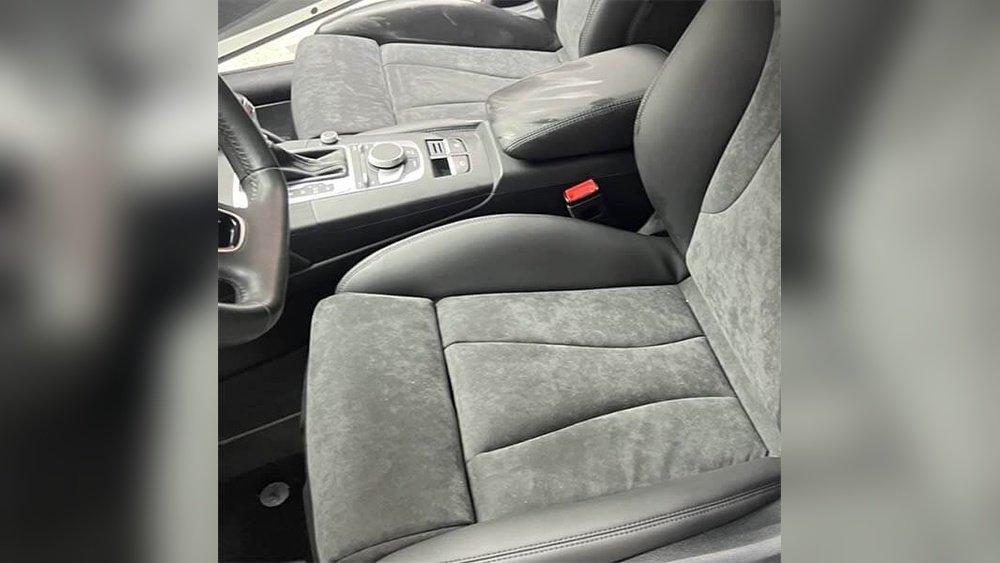
Have you ever wondered what makes your car seat so comfortable and safe? The materials inside your car seat play a big role in how it feels and protects you every time you drive.
Knowing what car seats are made of can help you make smarter choices when buying a car or upgrading your seat covers. You’ll discover the key components and materials used in car seats—and why they matter to your comfort and safety.
Keep reading to learn what’s beneath the surface of your car seat and how it impacts your daily drive.
Common Materials In Car Seats
Car seats use different materials to make them strong, comfy, and safe. These materials work together to give support and last for years. Understanding these common materials helps you see why car seats feel the way they do.
Foams And Cushioning
Foam is the soft part inside car seats. It provides comfort and absorbs shocks. Different types of foam offer varied firmness. Polyurethane foam is popular for its balance of softness and support. Memory foam molds to your body shape. High-density foam keeps its shape for a long time.
Fabrics And Upholstery
The outer layer of car seats is made from fabrics or leather. Cloth fabrics are breathable and easy to clean. Synthetic fabrics like polyester resist stains and wear. Leather offers a sleek look and feels smooth. Vinyl is a cheaper alternative to leather but less breathable. Many seats also have waterproof covers for extra protection.
Frame Components
The frame holds the seat together and attaches it to the car. Most frames are made from steel for strength. Some use aluminum to reduce weight while keeping durability. Plastic parts support smaller pieces and trim. The frame design ensures safety during crashes and keeps the seat stable.
Innovative Materials In Modern Car Seats
Modern car seats use new materials to improve comfort and safety. These materials also help reduce weight and support eco-friendly goals. Car seat makers focus on better designs and smarter fabrics. This makes driving more pleasant and safer for everyone.
Memory Foam And Gel Inserts
Memory foam molds to the body shape for better support. It reduces pressure on hips and back during long drives. Gel inserts work with foam to keep seats cool. This combo stops heat build-up and adds comfort. Drivers feel less tired after hours on the road.
Eco-friendly Fabrics
Many car seats now use recycled or natural fabrics. These materials lower the impact on the environment. Some fabrics are made from recycled plastic bottles. Others use organic cotton or bamboo fibers. These choices make car seats greener without losing quality.
Lightweight Metal Alloys
Lightweight metals like aluminum and magnesium replace heavy steel in frames. These metals keep the seat strong but reduce total weight. Lighter seats help cars use less fuel and produce fewer emissions. This makes cars better for the planet and easier to handle.
Safety Features And Materials
Car seats are built with materials designed to protect children. Safety is the top priority. Every part helps reduce injury risks during accidents. Understanding these materials shows how much care goes into child safety.
Impact-resistant Frames
The frame of a car seat is usually made from strong plastic or metal. These materials absorb and spread crash forces. This helps keep the child safe inside the seat. The design also prevents the frame from breaking easily.
Fire-resistant Fabrics
Car seat covers and padding use fire-resistant fabrics. These materials slow down flames and stop fire from spreading. They keep children safer in rare fire events. The fabrics are also soft and comfortable for kids.
Airbag Integration Materials
Some car seats include parts made for airbag safety. These materials help the seat work well with car airbags. They reduce the risk of injury from airbag deployment. The materials are flexible but strong enough to protect children.

Credit: www.shinearmor.com
Luxury And Specialty Materials
Luxury and specialty car seat materials bring comfort and style to vehicles. These materials offer a unique feel and look. They also provide durability and advanced features. Car makers use these materials to enhance the driving experience and cabin ambiance.
Leather And Synthetic Alternatives
Leather is a top choice for luxury car seats. It feels soft and looks elegant. Genuine leather can last many years with care. Synthetic leather offers a similar look at a lower cost. It is easier to clean and resists stains well. Both materials add a premium touch to car interiors.
Wood And Carbon Fiber Accents
Some car seats include wood or carbon fiber details. Wood adds warmth and classic beauty. It often appears as trim or panel inserts. Carbon fiber offers a modern, sporty look. It is very strong and light. These materials make seats stand out with unique style.
Heated And Cooled Seat Materials
Heated and cooled seats improve comfort in all seasons. Special fabrics and padding help regulate temperature. Heated seats warm quickly on cold days. Cooled seats use airflow or cooling gel to reduce heat. These features require materials that support air flow and heat transfer.
Environmental Impact Of Car Seat Materials
Car seats use many materials like foam, plastics, leather, and metals. These materials affect the environment in many ways. From how they are made to how they are thrown away, each step matters. Understanding this helps us see the true cost of car seats beyond price and comfort.
Many car seat materials do not break down easily. This causes waste buildup in landfills and pollution. The production process also uses energy and chemicals, adding to environmental harm. Car makers and consumers both play a role in reducing this impact.
Recycling And Disposal Challenges
Car seats are hard to recycle. They mix different materials that are glued or sewn together. Separating these parts takes time and special tools. Many recycling centers do not accept old car seats. This leads to most seats ending up in landfills.
Some car seats contain foam and plastics that last hundreds of years. These materials release harmful chemicals as they break down. Disposal also wastes resources used to make the seat. Finding ways to recycle or reuse these parts is a big challenge.
Sustainable Material Innovations
New materials aim to reduce environmental harm. Some companies use recycled plastics for cushions and covers. Others replace foam with natural fibers like coconut or hemp. These materials break down faster and use less energy to produce.
Bio-based leathers made from plants offer an eco-friendly alternative. They avoid animal farming and reduce water use. Using fewer toxic chemicals in production also helps protect workers and nature. These ideas show promise for greener car seats.
Future Trends In Eco-friendly Seats
More car makers plan to use sustainable materials soon. Lightweight parts help reduce fuel use and emissions. Some designs focus on easy disassembly for recycling later. This makes it simpler to separate and reuse materials.
Technology like 3D printing may cut waste in making seats. Circular economy models encourage reusing parts multiple times. These trends point to a future with less waste and pollution from car seats. Consumers can expect cleaner options ahead.

Credit: www.skoda-storyboard.com

Credit: www.alborestoration.com
Frequently Asked Questions
What Materials Are Car Seats Commonly Made Of?
Car seats are typically made from foam padding, metal frames, and upholstery materials like leather or fabric. Foam provides comfort, while metal frames offer support and safety. Upholstery varies, affecting durability and aesthetics.
Are Car Seats Made With Safety Materials?
Yes, car seats use materials like energy-absorbing foam and reinforced steel to enhance safety. These materials help protect passengers in case of accidents by absorbing impact and maintaining seat structure.
How Does Upholstery Material Affect Car Seats?
Upholstery materials like leather, cloth, or synthetic fabrics impact comfort, durability, and maintenance. Leather offers luxury and easy cleaning, while cloth provides breathability and affordability. Synthetic fabrics balance both qualities.
Do Car Seat Materials Influence Vehicle Weight?
Yes, materials like metal frames and foam padding add to the vehicle’s overall weight. Lightweight composites and plastics are increasingly used to reduce weight and improve fuel efficiency without compromising safety.
Conclusion
Car seats use a mix of strong and soft materials for safety and comfort. Foam cushions absorb shocks during sudden stops. Fabric covers provide breathability and easy cleaning. Plastic shells give the seat shape and strength. Metal parts add durability and support.
Knowing what car seats are made of helps you choose the right one. Safety and comfort go hand in hand in every car seat design. Always pick a seat that fits your child well and meets safety rules. This keeps your child safe and comfortable on every ride.
