

You want to keep your baby safe every time you buckle them into their car seat. But are you sure the straps are in the right place?
Where should infant car seat straps be to protect your little one the best? Getting this detail right can make all the difference in an emergency. Keep reading, because knowing exactly where those straps should sit will give you peace of mind and keep your baby secure on every ride.

Credit: uppababy.ca
Choosing The Right Car Seat
Choosing the right car seat is important for your baby’s safety. It helps protect your infant during every trip. The right seat fits your child well and meets safety rules. This choice also makes using the car seat easier. Parents should know the basics before buying. Below are key points to think about when selecting an infant car seat.
Types Of Infant Car Seats
Infant car seats come in different styles. The most common is the rear-facing seat. It supports a baby’s head and neck well. Convertible seats can change from rear-facing to forward-facing. Some seats are travel systems with a stroller base. Choose a type that fits your lifestyle and car size.
Weight And Height Limits
Each car seat has weight and height limits. These rules keep your baby secure. Check the seat’s manual for these numbers. Your infant should fit within these limits for safety. Outgrowing the seat means it’s time for an upgrade. Never use a seat if your child is too big or too small.
Safety Ratings To Consider
Safety ratings show how well a car seat protects your baby. Look for seats tested by trusted organizations. High scores mean better crash protection. Read reviews and check for recalls. Choose seats with strong safety records. This ensures your child travels safely every time.
Proper Strap Placement
Proper strap placement is essential to keep your infant safe and comfortable in their car seat. The straps hold your baby securely during the ride. Incorrect strap placement can cause injury in a crash. Each part of the harness must be adjusted carefully. This guide shows how to position each strap correctly for the best protection.
Positioning Shoulder Straps
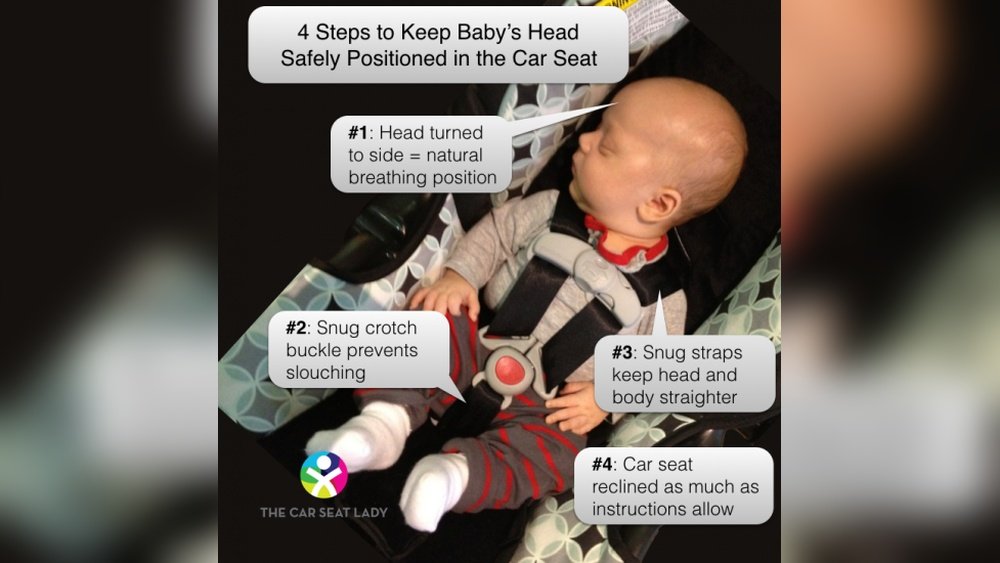
The shoulder straps must sit at or just below your baby’s shoulders. This position helps to hold the baby firmly. Too high or too low straps reduce safety. Check the car seat manual to find the right slots for your baby’s size. Straps should lie flat without twists. Tighten the straps until you cannot pinch any slack at the shoulders.
Adjusting The Chest Clip
The chest clip should be at armpit level. This placement keeps the straps in the right spot. A clip too high or too low can cause the straps to slip off. Snap the clip closed firmly. Make sure it is centered on your baby’s chest, not on the stomach or neck. Regularly check the clip’s position during trips.
Securing The Harness Buckle
Fasten the harness buckle snugly between your baby’s legs. The buckle keeps the lower straps secure. Ensure the buckle clicks firmly into place. Loose buckles allow dangerous movement. The straps should fit tight but not cause discomfort. Always double-check the buckle before starting any journey.
Adjusting Straps For Growth
Infants grow quickly, and their car seat straps need regular adjustment. Straps that fit well keep your baby safe and comfortable during every trip. Check the straps often to match your baby’s size. Proper strap adjustment stops slipping and protects your child in case of sudden stops.
When To Tighten Or Loosen Straps
Tighten the straps when your baby feels loose in the seat. Straps should lie flat without twists. Loosen the straps if they dig into your baby’s skin or leave red marks. Always adjust straps after changing your baby’s clothes or adding bulky layers.
Signs Straps Are Too Loose
If you can pinch extra strap material at the shoulder, the straps are too loose. Loose straps allow your baby to move too much in the seat. This increases the risk of injury during a crash. Straps must fit snugly to keep your baby secure.
Maintaining A Snug Fit
Place the straps at or just below your baby’s shoulders for rear-facing seats. Pull the straps tight enough so you cannot pinch any slack. Check the fit before every ride. A snug fit keeps your baby safe and comfortable as they grow.
Common Mistakes To Avoid
Using an infant car seat correctly keeps your baby safe. Many parents make simple errors with the straps. These mistakes can reduce the seat’s protection in a crash. Avoiding them is easy with a little care and attention.
Twisted Straps
Straps must lie flat and smooth across your baby’s body. Twisted straps create pressure points and reduce comfort. They also weaken the harness in an accident. Always check the straps before each ride. Straighten them out fully to keep your baby secure.
Incorrect Chest Clip Placement
The chest clip should sit at armpit level, not too high or low. Placing it too high can cause neck injuries. Too low, and the baby can slip out during a crash. The clip keeps the straps in the right position. Adjust it carefully every time you buckle up.
Using Bulky Clothing
Thick coats or bulky clothing make straps loose on your baby. Loose straps can let your baby move too much in the seat. Dress your baby in thin layers instead. You can cover them with a blanket after buckling. This keeps the harness snug and the baby warm.
Safety Tips For Everyday Use
Using infant car seat straps correctly every day keeps your baby safe on every trip. Safety is not just about buckling up but also about checking and caring for the straps. Small steps can prevent serious accidents and keep your child secure.
Regular Strap Checks
Check the straps before every ride. Look for twists or knots that can weaken protection. Make sure the straps lie flat and snug on your baby’s shoulders. Adjust the tightness so you cannot pinch any slack. Proper fit stops your baby from slipping out.
Cleaning And Maintenance
Keep the straps clean to avoid wear and tear. Use mild soap and warm water to wipe them gently. Avoid harsh chemicals or bleach that damage the fabric. Let the straps air dry completely before use. Clean straps last longer and hold better.
Replacing Worn Straps
Replace straps that show signs of fraying or damage. Old straps can break easily during a crash. Use only manufacturer-approved replacements for safety. Never use straps from other car seats. Fresh straps give your child the best protection every time.

Credit: saferide4kids.com

Credit: www.nogueiraadv.com.br
Frequently Asked Questions
Where Should Infant Car Seat Straps Be Positioned?
Infant car seat straps should be at or just below the baby’s shoulders. This ensures a secure fit and maximum safety during travel.
How Tight Should Infant Car Seat Straps Be?
Straps should be snug enough that you cannot pinch any slack between your fingers. Proper tightness keeps the infant securely restrained.
Can Car Seat Straps Be Placed Over Bulky Clothing?
No, avoid placing straps over bulky clothing. It can prevent a tight fit and reduce the effectiveness of the restraint.
Should Chest Clip Be At Armpit Level?
Yes, the chest clip must be at armpit level. This positioning keeps the straps properly aligned over the baby’s shoulders.
Conclusion
Proper placement of infant car seat straps keeps your baby safe. Straps should lie flat and snug across the chest and shoulders. The clip must sit at armpit level to prevent slipping. Avoid twisting or loosening the straps during travel.
Check the fit every time before driving. Correct strap use reduces injury risk in accidents. Always follow the car seat manufacturer’s instructions carefully. Safety is simple with the right strap position. Keep your little one secure on every trip.
