

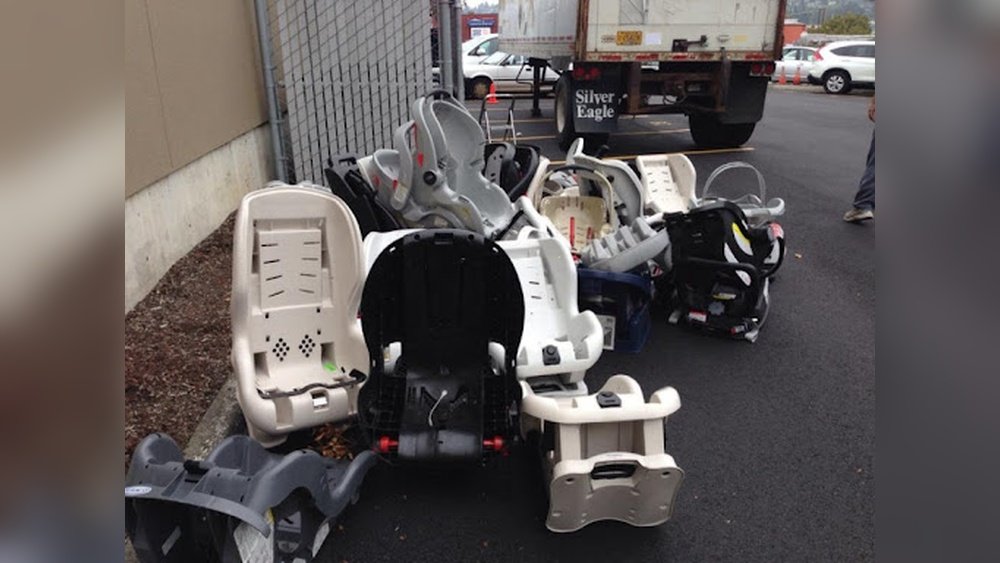
Your child’s safety comes first, but what happens when your car seat expires? Tossing it in the trash isn’t the answer.
You might wonder, “How can I recycle expired car seats safely and responsibly? ” This guide will show you exactly how to do that. By recycling your old car seats the right way, you protect the environment and make room for new, safer gear.
Keep reading to discover simple steps you can take today to recycle your expired car seats without hassle.

Credit: kslnewsradio.com
Why Recycle Car Seats
Recycling expired car seats is important for many reasons. Old car seats should not just be thrown away. They can harm the environment and cause safety problems. Recycling helps reduce waste and keeps harmful materials out of landfills. It also follows safety rules and laws. Understanding why recycling car seats matters helps us make better choices.
Environmental Impact
Car seats have plastic, metal, and foam parts. These materials take a long time to break down. When thrown in landfills, they pollute soil and water. Recycling car seats saves resources and lowers pollution. It reduces the need for new materials and energy. This helps protect nature and keeps the planet cleaner.
Safety Concerns
Expired car seats may not protect children properly. Over time, materials weaken and parts break. Using old car seats can cause injuries in accidents. Recycling ensures old seats are removed from use. It prevents unsafe seats from putting children at risk. Safety is the top reason to stop using expired seats.
Legal Requirements
Many places have laws about car seat use. These laws often include expiration dates. Using expired seats can break safety rules. Recycling helps follow these laws and avoid fines. Proper disposal of old seats shows responsibility. It supports community safety and legal compliance.

Credit: saferide4kids.com
Preparing Car Seats For Recycling
Preparing car seats for recycling helps reduce waste and protect the planet. It takes a few steps to get the seat ready. Each step makes sure materials can be reused safely. This process also helps recycling centers handle the parts properly.
Cleaning And Disassembly
Start by cleaning the car seat. Remove dirt, crumbs, and stains. Use mild soap and water to clean the surface. Let it dry completely before moving on.
Next, take the seat apart. Remove straps, buckles, and padding carefully. Use tools like screwdrivers or scissors if needed. Keep parts separated for easier recycling.
Removing Hazardous Materials
Car seats may have harmful materials inside. Look for batteries or electronic parts in newer models. Remove these parts carefully. Do not throw hazardous materials in regular trash. Take them to special disposal centers instead.
Sorting Components
Sort the seat parts by material type. Separate plastic, metal, and fabric pieces. This makes recycling more efficient and effective. Group similar materials together for better processing.
Proper sorting improves the chance of reuse. It also helps reduce pollution from waste. Take your sorted parts to a recycling center that accepts car seats.
Recycling Options For Expired Car Seats
Expired car seats should not end up in landfills. Recycling them helps reduce waste and protect the environment. Several options exist for recycling old car seats safely and responsibly. These choices help keep harmful materials out of nature and promote reuse.
Local Recycling Programs
Many cities offer local recycling programs for bulky items. Some accept car seats during special collection days. Check your city’s waste management website for details. Drop-off locations may vary by area. This option is often free or low cost.
Specialized Recycling Centers
Specialized recycling centers handle complex items like car seats. They break down seats into plastic, metal, and fabric parts. These materials get processed and reused in new products. Search online for centers near you that accept car seats. This method ensures proper recycling of all components.
Donation And Repurposing
Donation is another way to extend a car seat’s life. Some programs accept expired seats for art or educational projects. Schools or community groups may repurpose parts creatively. Always confirm the organization’s acceptance rules. This helps give car seats a new purpose beyond disposal.

Credit: www.youtube.com
Creative Ways To Repurpose Old Car Seats
Old car seats can find new life beyond the car. Repurposing them saves waste and sparks creativity. Many projects turn these seats into useful and fun items. These ideas help you reuse materials in smart ways.
Upcycling Projects
Transform old car seats into new, practical items. Cut and sew the fabric into bags or cushions. Use the foam for pet beds or padding. Paint the plastic parts for colorful storage boxes. Upcycling reduces trash and creates unique products.
Furniture And Decor Ideas
Car seats can become stylish furniture pieces. Combine seats to make chairs or benches for indoors or patios. Use the seat covers as pillowcases or wall art. The sturdy frames work well as plant holders. These ideas add charm and function to your space.
Community Use
Donate old car seats to schools or local groups. They can use them for playground projects or art classes. Some centers repair and reuse seats for charity programs. Sharing old seats helps the community and cuts waste.
Tips For Choosing Eco-friendly Car Seats
Choosing an eco-friendly car seat helps protect the planet and keeps children safe. These seats use safer materials and last longer. Selecting the right seat reduces waste and supports recycling efforts. Here are some tips to guide your choice.
Materials To Look For
Opt for car seats made from recycled or natural materials. Look for seats with organic fabrics and non-toxic plastics. Avoid seats with harmful chemicals like BPA or flame retardants. Eco-friendly materials break down easier and cause less pollution.
Brands With Recycling Programs
Choose brands that offer recycling or take-back programs. These companies recycle old seats into new products. Participating in these programs helps reduce landfill waste. Check brand websites or ask stores about recycling options.
Longevity And Safety Features
Select car seats designed to grow with your child. Adjustable seats reduce the need for multiple purchases. Strong safety features ensure protection without extra materials. Durable seats last longer and create less waste over time.
Frequently Asked Questions
How Can I Recycle An Expired Car Seat Safely?
To recycle an expired car seat safely, first remove all fabric and padding. Check local recycling centers for plastic and metal acceptance. Some stores offer take-back programs. Never donate expired seats as they may be unsafe.
Where To Find Car Seat Recycling Programs Nearby?
Search online for local recycling centers or hazardous waste facilities accepting car seats. Many communities host special recycling events. Retailers like Target or Buy Buy Baby sometimes offer recycling options for old car seats.
Can Expired Car Seats Be Reused Or Repurposed?
Expired car seats should never be used for child safety again. However, they can be repurposed for crafts, pet beds, or donation to animal shelters after ensuring safety and cleanliness.
Why Should Expired Car Seats Not Be Used For Children?
Expired car seats lose structural integrity over time. Safety standards change, and materials degrade. Using an expired seat increases injury risk during accidents, making it unsafe for child protection.
Conclusion
Recycling expired car seats helps protect the environment. It keeps harmful materials out of landfills. Many local centers accept old car seats for recycling. Check guidelines to ensure proper disposal. Some parts may be reused or recycled safely. Taking small steps makes a big difference.
Caring for the planet starts with simple actions. Recycle your expired car seat today. Save space and support a cleaner future. Your effort matters for a greener world.
