

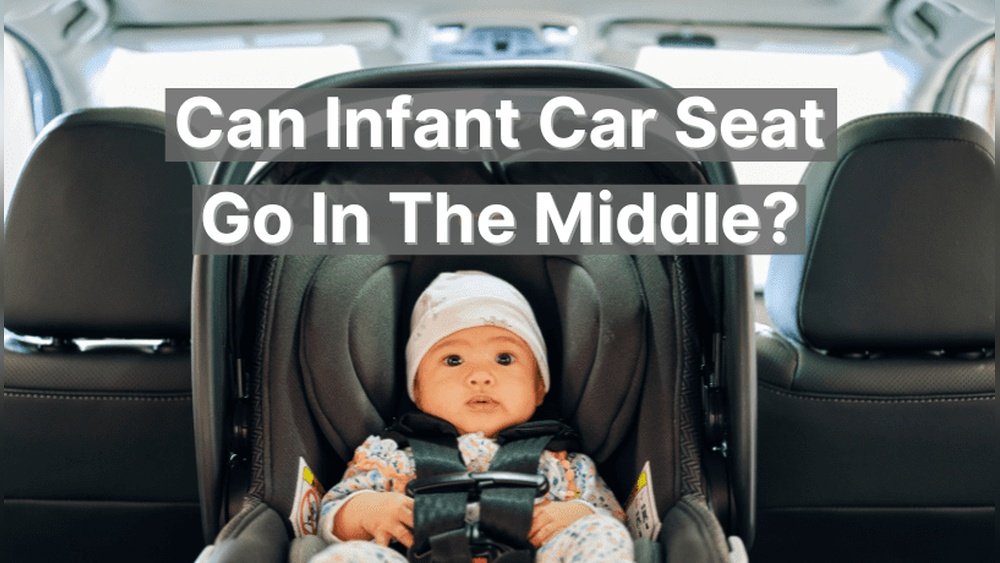
Are you wondering if you can safely put a car seat in the middle seat of your vehicle? You’re not alone.
Many parents face this question when trying to find the safest spot for their little one. The middle seat often seems like the best choice because it’s farthest from the doors, but is it really the safest and most practical option?
You’ll discover everything you need to know about using a car seat in the middle seat — from safety tips to installation advice. Keep reading to make sure your child travels as safely and comfortably as possible.
Car Seat Placement Options
Choosing where to place a car seat in your vehicle matters a lot. Parents want the safest spot for their child. Cars usually offer three back seats: left, middle, and right. Each spot has its own pros and cons. Understanding these helps you make the best decision for your child’s safety and comfort.
Benefits Of The Middle Seat
The middle seat is often the safest place in a car. It keeps your child away from side impacts. This spot offers extra protection during crashes. Many experts recommend the middle seat for this reason.
It also gives you better control over the child. You can easily reach the car seat from the driver’s seat. This helps when you need to check on your child during trips.
When Side Seats Are Safer
Side seats can be safer in some cars. This depends on the car’s design and seatbelt setup. Some vehicles have better anchors or more space on the sides. These features help secure the car seat firmly.
Side seats also allow for easier installation in many cases. This can reduce the risk of incorrect setup. A well-installed car seat is always safer than a poorly installed one.
Types Of Car Seats And Compatibility
Choosing the right car seat for the middle seat depends on the type of car seat and its compatibility. Different car seats fit differently in the car’s middle seat. Knowing the types helps you select the safest option for your child.
Infant Seats
Infant seats are made for newborns and small babies. They face backward and usually come with a base. Many infant seats fit well in the middle seat because the base can lock securely. Always check if your car’s middle seat has a proper latch or seat belt for the base.
Convertible Seats
Convertible seats can change from rear-facing to forward-facing. They work for babies and toddlers. These seats often fit in the middle seat but can be wider. Make sure the middle seat has enough space and the seat belt or latch system is easy to use. Some cars have a narrow middle seat that might not fit these seats well.
Booster Seats
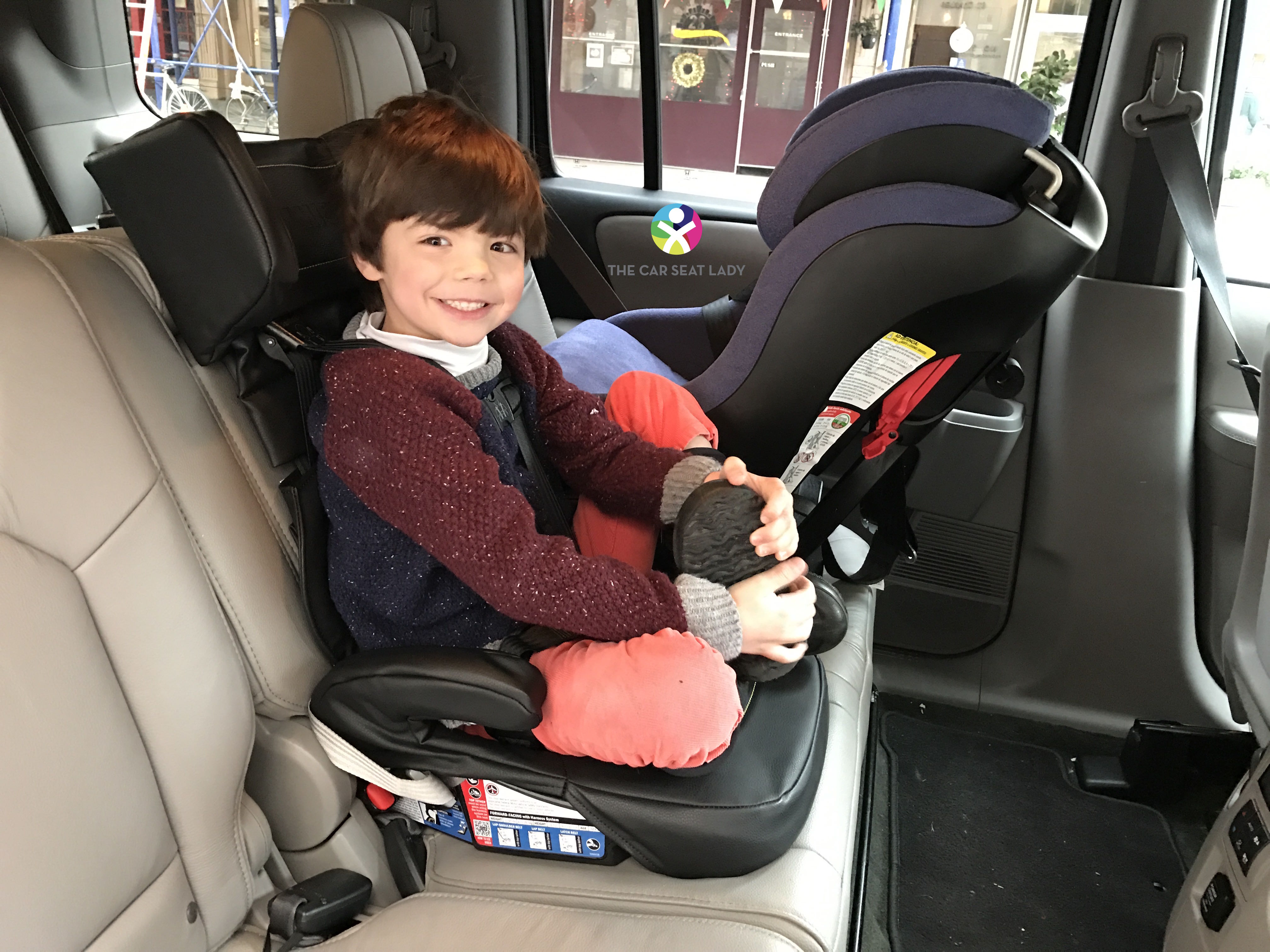
Booster seats raise older kids to use the car’s seat belt properly. Many booster seats fit in the middle seat. Check that the seat belt fits your child across the chest and hips correctly. The middle seat belt should lock tightly and hold the booster seat in place.
Installation Tips For The Middle Seat
Installing a car seat in the middle seat can be safe and secure with the right steps. The middle seat is often the safest spot in the car. Follow these tips to ensure your car seat fits well and stays firmly in place.
Using Latch System
The LATCH system helps attach the car seat without using seat belts. Look for lower anchors in the middle seat crease. Connect the car seat’s hooks to these anchors tightly. Pull the straps to remove any slack. The seat should not move more than an inch side to side.
Securing With Seat Belts
Seat belts can also secure a car seat in the middle. Buckle the seat belt and lock it by pulling the belt all the way out. Push the car seat down firmly while tightening the belt. Check that the seat does not shift more than one inch. Use a locking clip if your car needs one for extra safety.
Checking For Proper Fit
Make sure the car seat fits well in the middle seat. The seat should sit flat on the vehicle seat. The car seat’s base must not rock or tilt. Check the car seat manual for angle guidelines. Confirm that the harness straps are snug and in the right slots. A good fit keeps your child safe on every ride.

Credit: saferide4kids.com
Common Challenges With Middle Seat Installation
Installing a car seat in the middle seat can be tricky. Many parents find it harder than placing it on the side seats. This section covers common challenges you might face. Knowing these issues helps in planning a safer and easier installation.
Limited Space
The middle seat often has less space than side seats. This makes fitting a bulky car seat difficult. Narrow seats leave little room for the car seat base. Tight spaces reduce the car seat’s stability and comfort. This can lead to improper installation or discomfort for the child.
Seat Belt Accessibility
Accessing the middle seat belt can be hard. Some cars have short or awkwardly placed belts. Buckling and tightening the belt becomes a struggle. This affects the car seat’s security. A loose or twisted belt can make the seat unsafe.
Vehicle Design Constraints
Not all cars are built for middle seat car seats. Some vehicles lack proper anchors in the middle. The seat shape might not support the car seat base well. Airbag placement can also be a problem. These design issues limit where and how you install the seat.
Safety Standards And Regulations
Choosing the right spot for a car seat is important for your child’s safety. Safety standards and regulations help guide parents and caregivers. These rules make sure car seats protect children well in crashes. Understanding these rules helps you pick the safest position, including the middle seat.
Federal Guidelines
The government sets rules for car seat use. These rules focus on where and how to install seats. The middle seat is often the safest spot in a car. It is farthest from any impact in most crashes. Federal laws encourage using the middle seat if it has proper seat belts. Not all cars have correct belts in the middle. Always check if your car’s middle seat fits a car seat safely.
Manufacturer Recommendations
Car seat makers give clear advice on seat placement. They test their seats in different car spots. Some seats fit best in side seats, not the middle. Others are made to work in the middle seat. Follow the instructions in the manual carefully. Ignoring these can reduce protection and cause misuse. Check the car seat label and manual before installing in the middle.

Credit: www.reddit.com
Additional Safety Tips
Keeping a car seat safe in the middle seat is not just about placement. Small habits make a big difference. Simple actions help protect your child every trip.
Follow these safety tips to keep your car seat secure and your child comfortable.
Regular Seat Checks
Check the car seat every time before you drive. Make sure it is tightly installed. Look for any damage or loose parts. A quick check can prevent accidents.
Avoiding Loose Items
Loose items in the car can become dangerous in a crash. Keep toys and bags away from the seat area. Secure all objects so they do not move around. This keeps your child safe from flying objects.
Proper Harness Adjustment
Adjust the harness to fit your child snugly. The straps should lie flat and not twist. The chest clip must be at armpit level. A well-fitted harness keeps your child secure in any seat position.
Credit: www.liftingitalia.com
Frequently Asked Questions
Can A Car Seat Be Installed In The Middle Seat?
Yes, many car seats can be safely installed in the middle seat. It often offers the safest position away from side airbags. Always check your vehicle’s manual for specific guidelines on middle seat installations.
Is The Middle Seat Safer For A Car Seat?
The middle seat is generally safer due to increased distance from impact zones. However, proper installation is crucial. Ensure the seatbelt or LATCH system secures the car seat firmly in the middle position.
What Are The Challenges Of Middle Seat Car Seats?
Middle seats may have limited space and harder access to LATCH anchors. Some vehicles lack middle seat anchors, making seatbelt installation necessary. Always verify your car’s compatibility before placing a car seat in the middle.
Can All Car Seats Fit In The Middle Seat?
Not all car seats fit well in the middle seat due to size or vehicle design. Convertible and infant seats often fit, but booster seats may not. Check the car seat and vehicle manuals for compatibility.
Conclusion
Placing a car seat in the middle seat can be safe and practical. Always check your car’s manual first. The middle seat often offers better protection in crashes. Make sure the car seat fits well and locks firmly. Use the correct seat belt or LATCH system.
Keep your child secure and comfortable. Choosing the right spot helps protect your little one. Safety matters most on every trip. Trust your instincts and follow the rules. Your child’s safety comes first, every time.
