

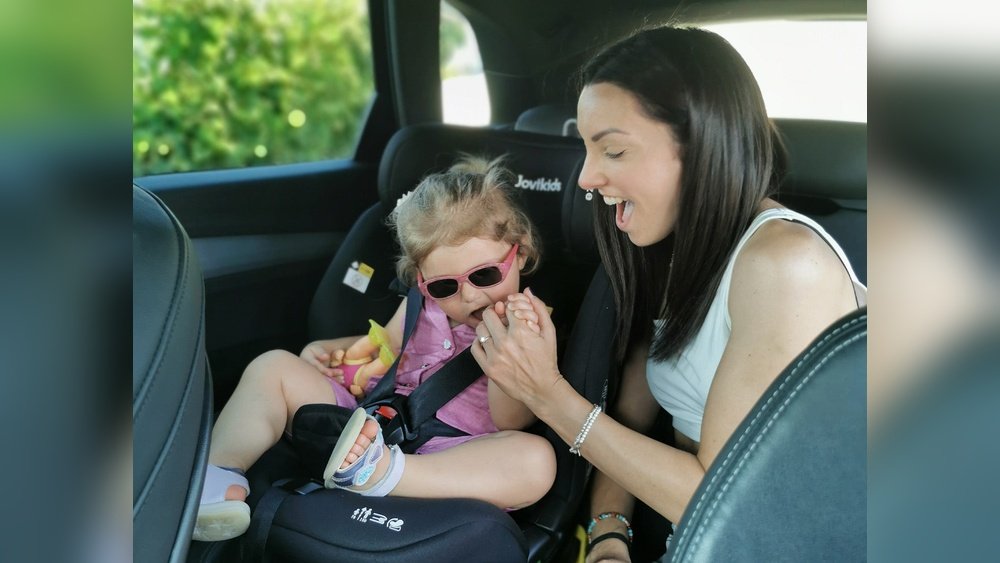
If you’re a parent or caregiver, you’ve probably wondered, “Can I feed my baby in the car seat?” It’s a common question with important safety and health answers. You want to keep your little one safe and happy, but also make life easier on the go.
Feeding your baby while in the car can feel like a quick solution—but is it really safe? Keep reading to discover what experts say, why it matters, and how you can make feeding time safer for your baby wherever you are.
This knowledge could protect your child and give you peace of mind every time you hit the road.
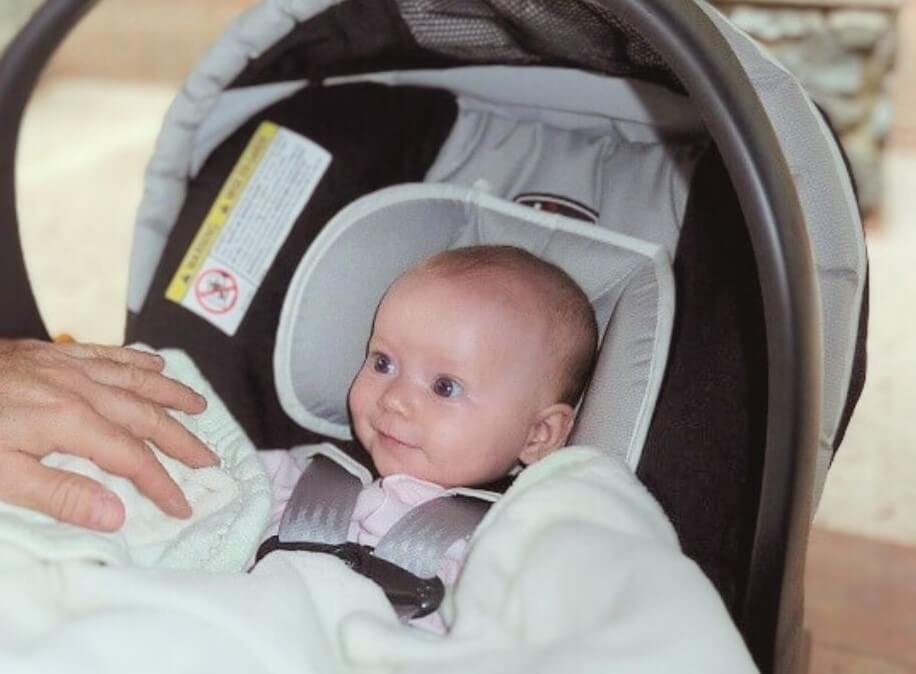
Credit: www.kidecology.com
Risks Of Feeding In Car Seats
Feeding a baby in a car seat may seem convenient during travel. Yet, it carries several risks that parents must know. Understanding these dangers helps protect your baby’s safety and health.
Choking Hazards
Car seats do not support a baby’s head and neck well during feeding. This poor support raises the risk of choking. Babies may swallow food or milk too fast or in the wrong way. Choking can happen quickly and needs immediate attention.
Airway Obstruction
The angle of a car seat can cause a baby’s airway to narrow. This happens because the baby’s head may fall forward or to the side. Narrowed airways make breathing difficult and increase the chance of suffocation. Babies cannot adjust their position alone.
Impact On Digestion
Feeding in a reclined position can cause stomach discomfort. It increases the risk of acid reflux and spitting up. A baby’s digestion works best when sitting upright. Feeding in a car seat may lead to fussiness and poor digestion.
Safe Feeding Positions
Feeding a baby safely is very important, especially outside the home. Parents often wonder about the best way to feed their baby in a car seat. Choosing the right position helps keep the baby comfortable and reduces choking risks. Safe feeding positions make feeding easier and safer for both the baby and parent.
Proper Infant Holding Techniques
Hold your baby upright during feeding. Support the head and neck well. Keep the baby’s face visible and clear of blankets or toys. Avoid feeding while the baby is lying flat in the car seat. This position can cause choking or breathing problems. Use gentle, slow movements to help the baby swallow safely.
Using Portable Feeding Seats
Portable feeding seats offer a safer alternative to car seats. They allow the baby to sit upright during feeding. These seats are easy to carry and use at different places. They provide good back and neck support. Always place the seat on a flat, stable surface. Never feed the baby in a moving car, even in a portable seat.
When To Stop Feeding In Car Seats
Stop feeding your baby in a car seat as soon as possible. Car seats are designed for travel, not for feeding. Feeding in the car seat increases the risk of choking. Use a proper feeding chair or hold your baby instead. Always watch the baby closely during feeding times. Safety comes first to protect your baby’s health.
Alternative Feeding Options On The Go
Feeding a baby on the go can be tricky. Feeding in the car seat is not always safe or comfortable. There are better options to keep your baby fed and happy during travel.
Alternative feeding options help avoid spills and choking risks. They also give your baby a chance to stretch and relax. These simple tips make travel feeding easier for both of you.
Feeding Breaks During Travel
Stop the car for feeding breaks. Use rest areas or safe spots to take your baby out. Sitting upright helps your baby swallow safely. Feeding breaks also reduce fussiness and discomfort.
Travel-friendly Feeding Gear
Carry bottles, sippy cups, or breast milk storage bags. Use insulated bags to keep milk warm or cool. Choose lightweight and easy-to-clean items. Pack bibs and wipes for quick cleanups.
Planning Feeding Times
Feed your baby before starting the trip. Plan stops around usual feeding times. Keep snacks ready for older babies. A good plan helps avoid hunger tantrums and stress.

Credit: papablic.com
Car Seat Safety Guidelines
Feeding a baby in a car seat needs careful attention. Safety is the top priority. Follow clear car seat safety guidelines to protect your child. Proper use of the car seat can prevent accidents and discomfort. Understanding these rules helps ensure a safe and calm feeding time.
Correct Car Seat Installation
Install the car seat tightly and according to the manual. Check for any movement by pushing the seat side to side. Use the seat belt or LATCH system as instructed. A loosely installed seat can be dangerous in a sudden stop. Always double-check the installation before each trip.
Adjusting Seat Recline For Comfort
Adjust the car seat recline to support your baby’s head and neck. Too upright or too flat positions may cause discomfort or risk. Follow the car seat’s recline angle guidelines for feeding. A slight recline can help your baby swallow safely. Keep the seat steady during feeding to avoid spills and choking.
Monitoring Baby While Seated
Never leave your baby unattended in the car seat. Watch closely for signs of choking or discomfort. Use a mirror or sit beside your baby to keep eye contact. Stop feeding if your baby turns away or coughs. Always prioritize your baby’s safety over convenience during feeding.
Signs To Watch During Feeding
Feeding a baby in a car seat requires careful attention. Babies cannot tell us when they feel uncomfortable or need a break. Watching for signs during feeding helps keep your baby safe and calm. Learn the key signals to notice and how to respond quickly.
Recognizing Distress Signals
Babies show distress in many ways. Look for fussiness, crying, or turning away from the bottle or breast. Gagging or choking sounds mean your baby struggles to swallow. Watch for rapid breathing or a change in skin color. These signs tell you to stop feeding and check your baby’s position.
Managing Overfeeding
Overfeeding can cause discomfort and fussiness. Your baby may pull away from the bottle or breast suddenly. Look for signs like spitting out milk or falling asleep quickly. Pause feeding to let your baby rest. Feeding slowly helps prevent overfeeding and keeps your baby happy.
Handling Spit-up And Vomiting
Spit-up is common but needs attention in a car seat. If your baby spits up, gently wipe the mouth and clean the seat. Vomiting requires immediate action. Stop feeding and hold your baby upright to avoid choking. Make sure the baby’s head is supported and clear of any vomit.
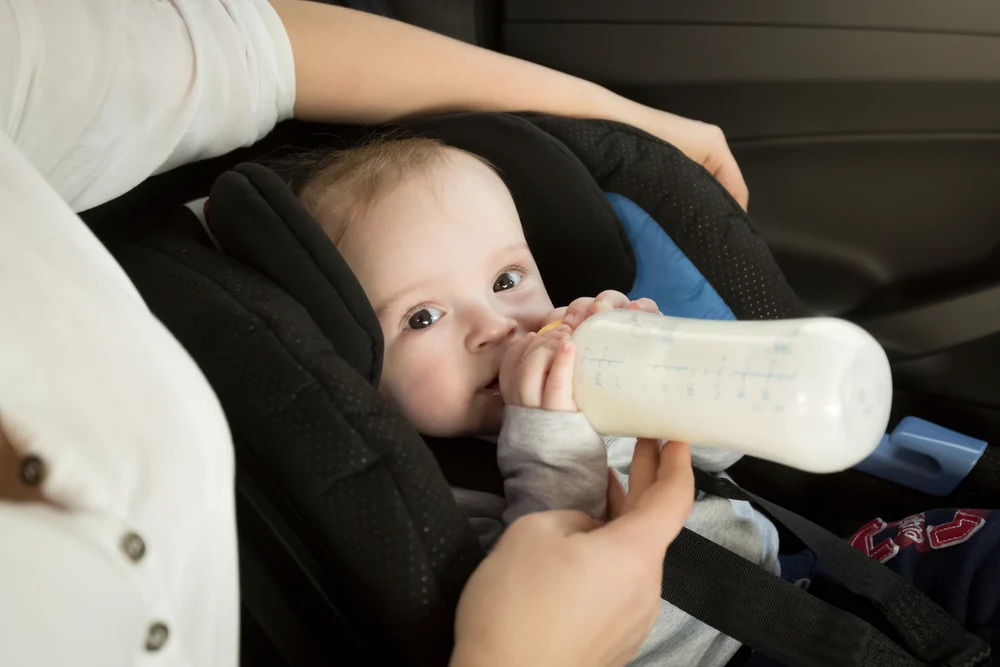
Credit: www.anniebabymonitor.com
Frequently Asked Questions
Can I Safely Feed My Baby In A Car Seat?
Feeding your baby in a car seat is generally not recommended. It can increase choking risk and cause poor posture. Always feed your baby when the car is parked and the seat is stationary for safety.
Why Is Feeding In A Car Seat Risky For Babies?
Feeding in a car seat can cause choking and breathing issues. The semi-reclined position affects swallowing and digestion. It’s safer to feed your baby outside the car seat to avoid these risks.
What Are Safer Alternatives To Feeding In A Car Seat?
Stop the car and remove your baby from the seat to feed. Use a secure, upright position to ensure proper swallowing. Feeding breaks also help keep your baby comfortable and reduce distractions while driving.
How Can I Keep My Baby Calm During Car Rides?
Ensure your baby is well-fed and rested before traveling. Use soothing sounds, toys, or pacifiers to keep them calm. Frequent breaks for feeding and changing can also reduce fussiness during the trip.
Conclusion
Feeding a baby in a car seat is not safe. It can cause choking or breathing problems. Always stop the car and take your baby out for feeding. Use a proper feeding spot where your baby can sit comfortably. Keep your baby calm and happy during feeding time.
Safety should always come first when traveling with infants. Taking small breaks helps both you and your baby. Remember, a safe feeding routine protects your little one’s health. Choose smart and safe ways to care for your baby on the road.
