

Your baby’s safety in the car depends a lot on how well the straps on their infant car seat fit. If the straps are too loose or too tight, they won’t protect your little one properly.
But how do you know when it’s time to adjust those straps? You might be surprised how often this needs to happen as your baby grows. Keep reading to discover the simple signs you should watch for and learn exactly when and how to make those important adjustments.
Your baby’s comfort and safety are worth every second you spend getting this right.
Credit: www.chiccousa.com
Signs To Adjust Straps
Knowing when to adjust the straps on an infant car seat is important for safety. Straps that are too loose or too tight can cause harm during a ride. Watch for clear signs that your baby’s straps need changing. These signs help keep your infant secure and comfortable.
Infant Growth Milestones
Babies grow fast in their first months. Their height and weight change often. When your infant reaches a new milestone, check the straps. If the straps look tight or the baby feels squeezed, it is time to adjust. Growth in shoulders and chest size can affect how the straps fit.
Changes In Clothing Thickness
Thicker clothes need more room in the straps. During colder months, your baby might wear bulky jackets. Straps that fit well in summer may become too tight in winter. Adjust the straps to fit over the thicker clothes. This prevents discomfort and keeps the baby safe.
Strap Fit And Comfort Check
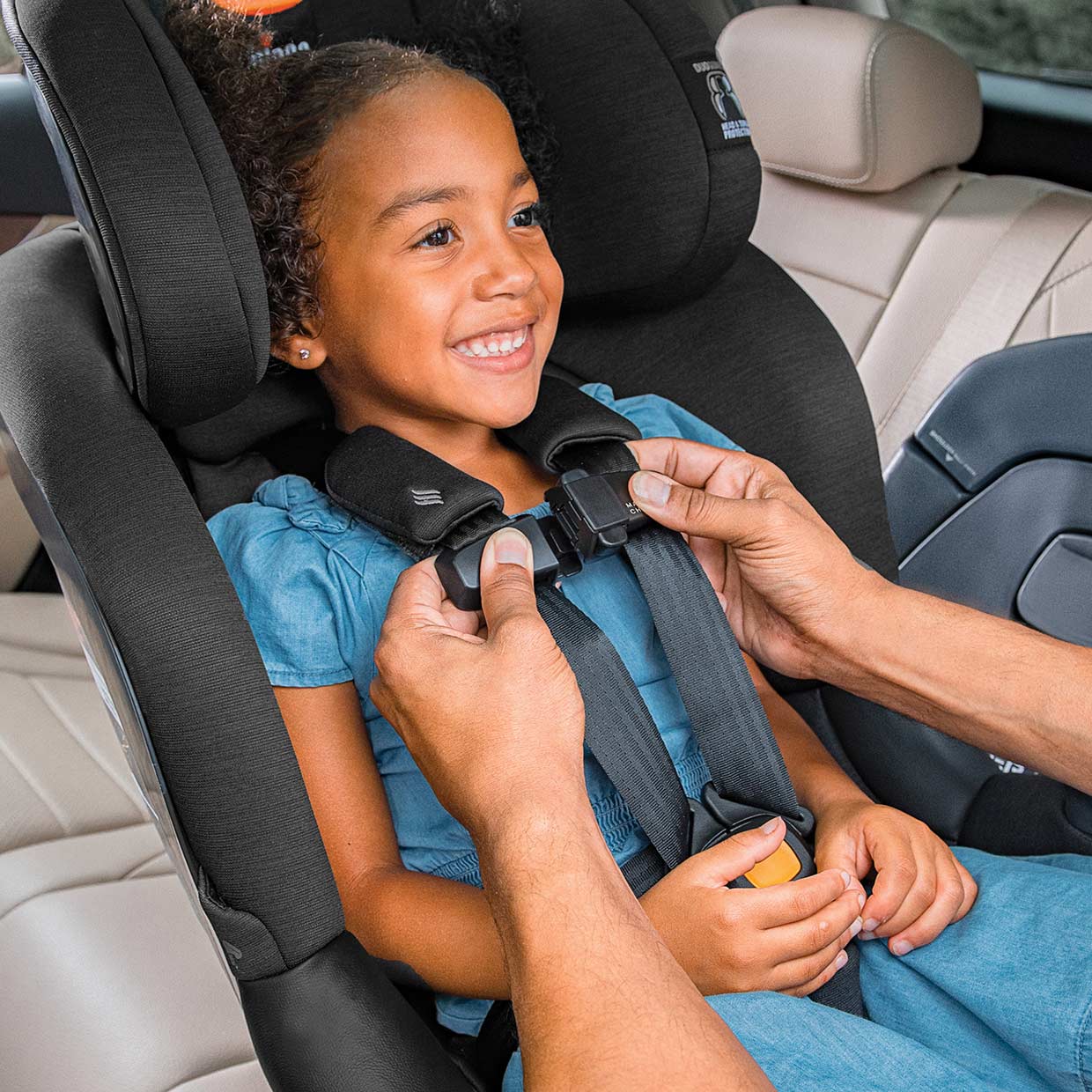
Check the straps every time before a trip. The straps should lie flat without twists. They must be snug but not dig into the skin. You should fit no more than one finger between the strap and your baby’s chest. This balance ensures comfort and proper safety.
Credit: thecarseatlady.com
How To Check Strap Tightness
Checking the strap tightness on an infant car seat is important for your baby’s safety. Straps that are too loose or too tight can cause harm in a crash. Learn simple steps to check and adjust the straps properly.
Pinch Test Method
Use the pinch test to check strap tightness easily. Try to pinch the strap at your baby’s shoulder. If you can pinch extra webbing, the strap is too loose. Tighten the strap until you cannot pinch any extra material. The strap should lie flat and snug against your baby.
Positioning On Shoulders
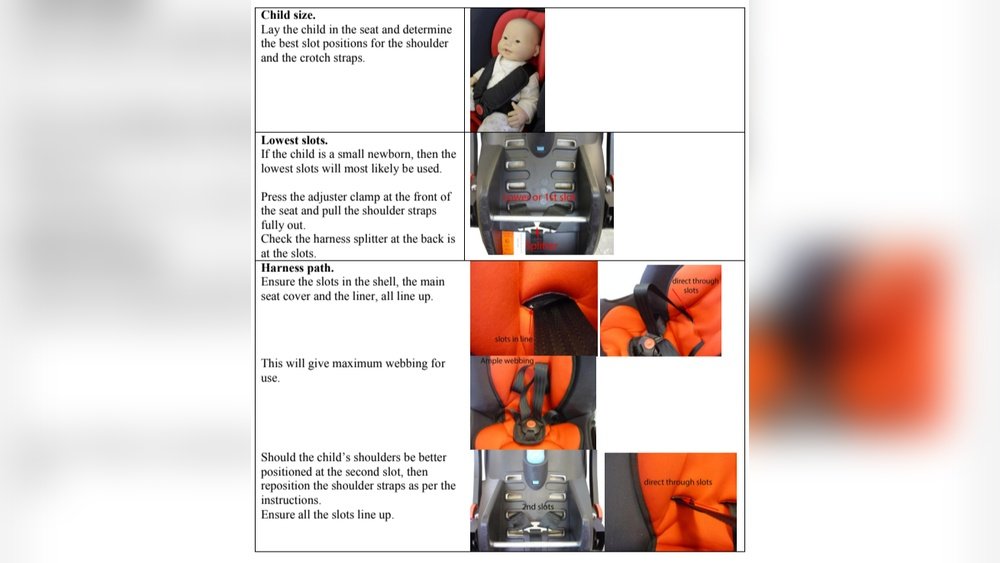
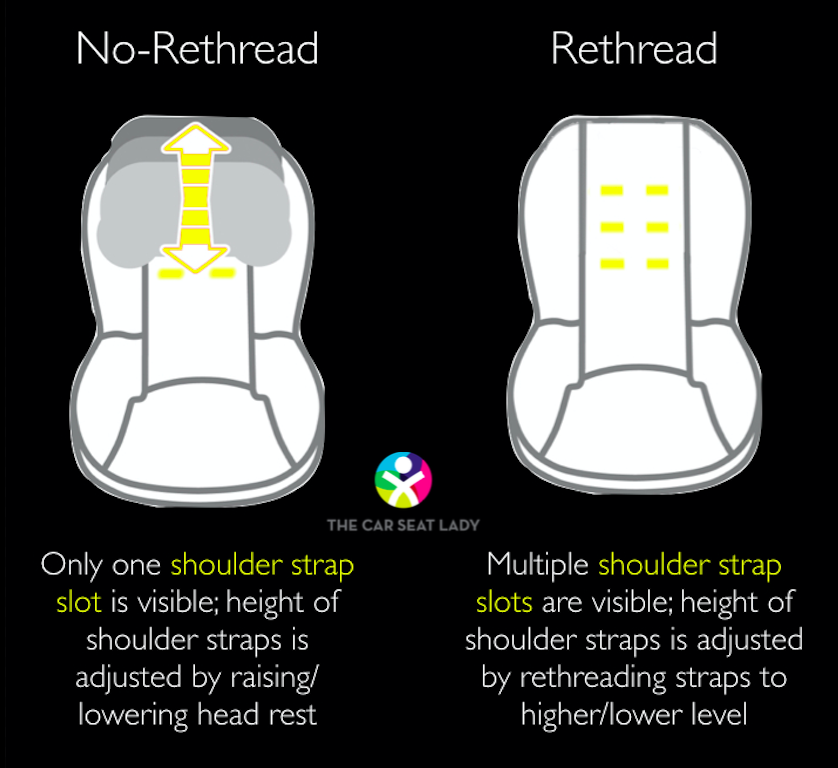
Make sure the straps sit correctly on your baby’s shoulders. Straps should come through the slots at or just below the shoulders for infants. This position keeps your baby secure and comfortable. Adjust the harness height as your baby grows to maintain proper fit.
Avoiding Twisted Straps
Check that the straps are not twisted. Twisted straps can reduce the safety of the car seat. Smooth out any twists before buckling your baby in. Flat, straight straps distribute force evenly and protect your baby better.
Adjusting Straps Safely
Adjusting the straps on an infant car seat is a vital safety step. Proper strap adjustment keeps your baby secure during every ride. Straps that are too loose or too tight can cause discomfort or danger. Follow clear steps to adjust the straps safely and correctly. This ensures your infant stays protected and comfortable.
Step-by-step Adjustment Process
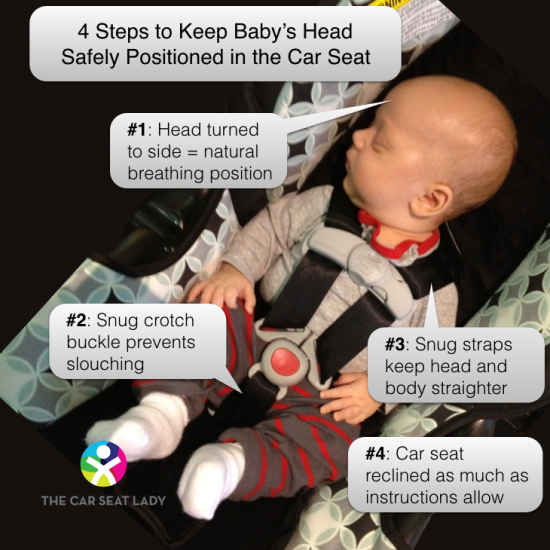
First, place your baby in the car seat. Next, buckle the harness and chest clip. Tighten the straps by pulling the adjustment strap. Ensure the harness is snug but not too tight. You should fit no more than one finger between the strap and your baby’s chest. Check all straps for twists and straighten them if needed. Finally, secure the chest clip at the correct height.
Proper Harness Height
The harness height should match your baby’s shoulder level. For rear-facing seats, straps must go through slots at or below the shoulders. Adjust the straps as your baby grows. Keep checking the height every few months. Proper harness height prevents slipping and protects your baby during sudden stops.
Securing Chest Clip Placement
The chest clip should rest at your baby’s armpit level. This keeps the harness straps in the right place. Avoid placing the clip too high or too low. Incorrect placement can cause the straps to loosen. Always snap the chest clip securely before every trip. This simple step improves overall safety and comfort.
Common Mistakes To Avoid
Adjusting the straps on an infant car seat is important for safety. Many parents make common mistakes that reduce protection. Knowing what to avoid keeps your baby safe and comfortable. This section highlights key errors to watch out for.
Loose Straps Risks
Loose straps do not hold the baby firmly. In a crash, the baby can move too much. This increases the chance of injury. Straps must be snug without causing discomfort. Always check for slack before every trip.
Overtightening Issues
Straps that are too tight can hurt the baby. They may cause skin marks or breathing trouble. Tight straps can also make the baby fussy and upset. Find a balance where the straps hold the baby well but feel gentle.
Incorrect Strap Routing
Straps must go through the right slots on the car seat. Wrong routing weakens the seat’s safety. It can cause straps to slip or break during a crash. Follow the car seat manual carefully to place straps correctly.
When To Upgrade The Car Seat
Knowing when to upgrade your infant car seat is important for your baby’s safety. Babies grow fast, and car seats have limits. Using the right seat ensures your child stays secure on every trip.
Weight And Height Limits
Check the car seat label for weight and height limits. Once your baby reaches these limits, the seat no longer fits properly. An ill-fitting seat can reduce protection in a crash. Upgrading to a bigger seat keeps your child safe as they grow.
Expiration Dates And Wear
Car seats have expiration dates, usually six to ten years from manufacture. Plastic parts weaken over time and may fail during impact. Also, worn straps and buckles may not work correctly. Replace seats past their expiration or if wear is visible.
Signs Of Damage
Look for cracks, frayed straps, or broken buckles. Damage can happen after a car accident or rough use. Even small cracks can reduce safety. If you see any damage, stop using the seat and get a new one.
Additional Safety Tips
Keeping your infant safe in a car seat means more than just adjusting straps. Follow key safety tips to protect your child during every ride. Regular checks and proper installation add extra layers of security.
Regular Strap Inspections
Check the straps often for wear and tear. Look for frays, twists, or stretched material. Damaged straps can fail in a crash. Replace any worn parts right away to keep your infant safe.
Using Manufacturer Guidelines
Always read and follow the car seat manual. Each model has specific instructions for strap adjustments. Use the correct belt path and harness slots. This ensures the best fit and maximum protection.
Professional Installation Help
Seek help from certified car seat technicians. They can confirm your seat is installed correctly. Experts also teach how to adjust straps properly. This step reduces errors and improves safety on the road.
Credit: thecarseatlady.com
Frequently Asked Questions
When Should I Adjust Infant Car Seat Straps?
Adjust straps when your baby grows or the harness feels too loose. Check straps after every few months or after clothing changes.
How Tight Should Infant Car Seat Straps Be?
Straps must be snug without gaps. You should not pinch any excess webbing between your fingers.
Can Straps Be Adjusted While Baby Is In The Seat?
No, always adjust straps when your baby is out. This ensures safety and proper fitting.
How Often Should I Check Car Seat Straps?
Check straps every time before travel. Regular inspections ensure the harness remains secure and comfortable.
Conclusion
Adjusting your infant car seat straps keeps your baby safe and comfortable. Straps should fit snugly, without being too tight or loose. Check the straps often as your baby grows or wears thicker clothes. Proper strap adjustment prevents injuries during travel.
Always follow the car seat manual for the right fit. Remember, small changes make a big difference in safety. Stay attentive and keep your child secure on every trip. Safety starts with the right strap adjustment.
