

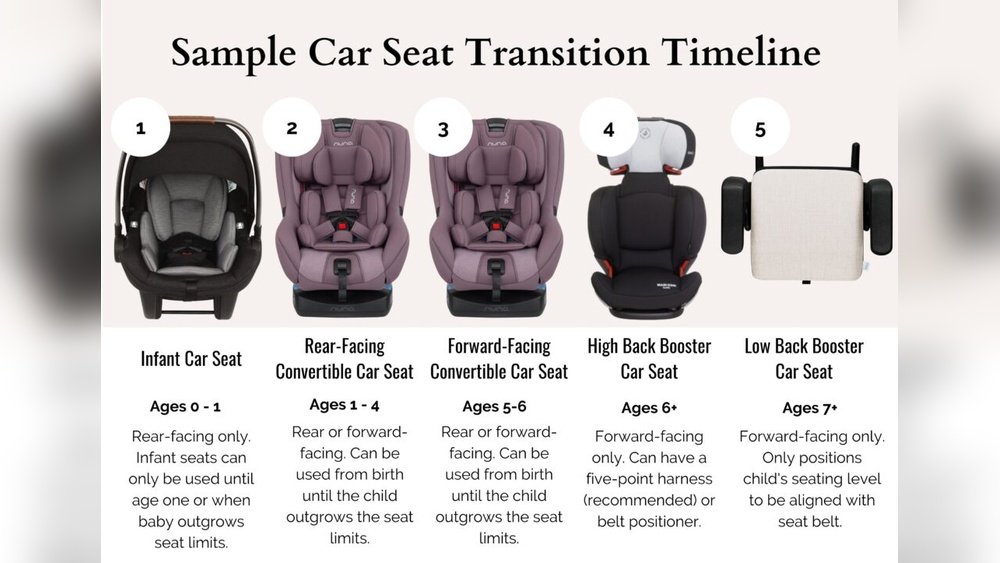
Knowing exactly when to transition your child’s car seat can feel confusing and overwhelming. You want to keep your little one safe, comfortable, and happy during every ride.
But how do you know the right time to move from one seat to the next? Making this change too early or too late can affect your child’s safety and your peace of mind. You’ll discover clear signs and expert tips that help you make the best decision for your child’s car seat transition.
Keep reading to learn what you need to know to protect your child every mile of the way.
Signs Your Child Is Ready To Transition
Knowing when to switch your child from a car seat is important for safety. Children grow at different speeds. This means parents must watch for signs that show readiness to transition. These signs help keep your child safe on every ride.
Age And Weight Guidelines
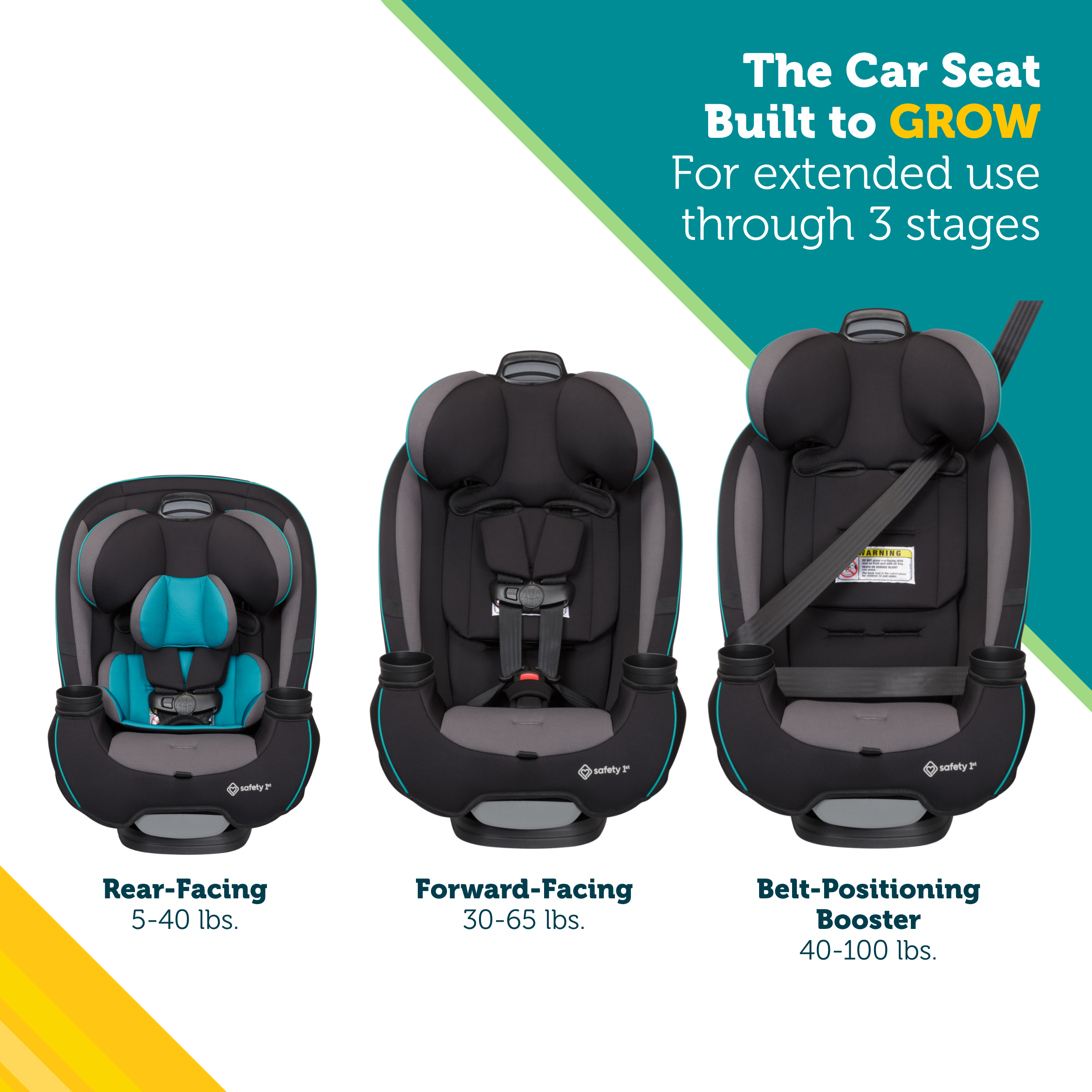
Most car seats have clear age and weight limits. Toddlers usually move to the next seat around age 2 to 4. Weight limits vary but often range from 30 to 65 pounds. Check your car seat’s manual for exact numbers. Staying within these limits keeps your child secure.
Height Considerations
Height matters as much as weight. Your child’s head should be below the top of the car seat. If the seat’s headrest is too low, it’s time to move up. Measure your child’s height regularly. A taller child needs a bigger seat for proper protection.
Behavioral Cues
Watch how your child behaves in the car. If they resist the current seat or seem uncomfortable, it could be a sign. Some children want more freedom and space. Others may sit better in a booster seat. These behaviors help parents decide the right time to switch.
Types Of Car Seats For Each Stage
Car seats come in different types for each stage of your child’s growth. Choosing the right one helps keep your child safe and comfortable. Each car seat fits a specific age and size range. Knowing these types makes transitions easier.
Infant Seats
Infant seats are for newborns and babies up to 1 year old. They face the back of the car for safety. These seats are small and lightweight. They often come with a handle for easy carrying. Infant seats protect the baby’s head and neck well.
Convertible Seats
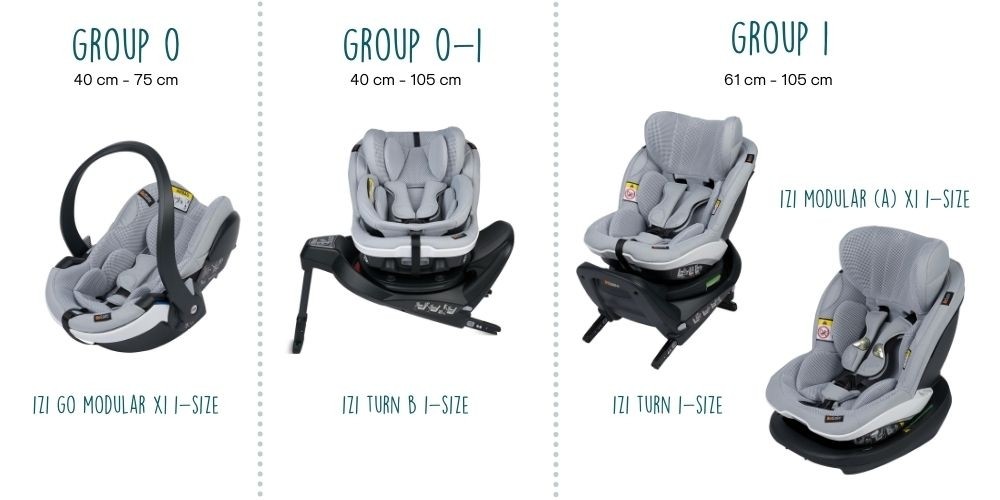
Convertible seats fit babies and toddlers. They can face backward or forward. Use the rear-facing position for infants under 2 years. Switch to forward-facing when your child is older and bigger. These seats last longer and grow with your child.
Booster Seats
Booster seats are for older children, usually 4 years and up. They raise the child so the car’s seat belt fits correctly. Booster seats help protect the child’s chest and hips. Use them until the child is tall enough for the seat belt alone.
Safety Features To Look For
Choosing the right car seat means focusing on important safety features. These features protect your child during every ride. Understanding these details helps you pick a seat that fits your child’s needs and keeps them safe.
Harness System
A strong harness system keeps your child secure in the seat. Look for a five-point harness. It holds your child at the shoulders, hips, and between the legs. This design spreads crash forces across the body.
Adjustable harness straps help fit the seat as your child grows. Easy-to-use buckles save time and reduce frustration. A good harness system reduces the risk of injury in accidents.
Side-impact Protection
Side-impact protection cushions your child’s head and torso. It reduces the force in a side collision. Look for deep, padded wings around the seat sides.
Some seats have energy-absorbing foam. This foam softens the impact and improves safety. Side-impact protection is essential for protecting your child’s sensitive areas.
Installation Ease
A car seat must be installed correctly to be safe. Seats that are easy to install reduce mistakes. Look for clear instructions and simple adjustment features.
Seats with LATCH connectors help secure the seat tightly. A seat that fits well in your car adds to safety. Proper installation keeps the seat stable during travel.
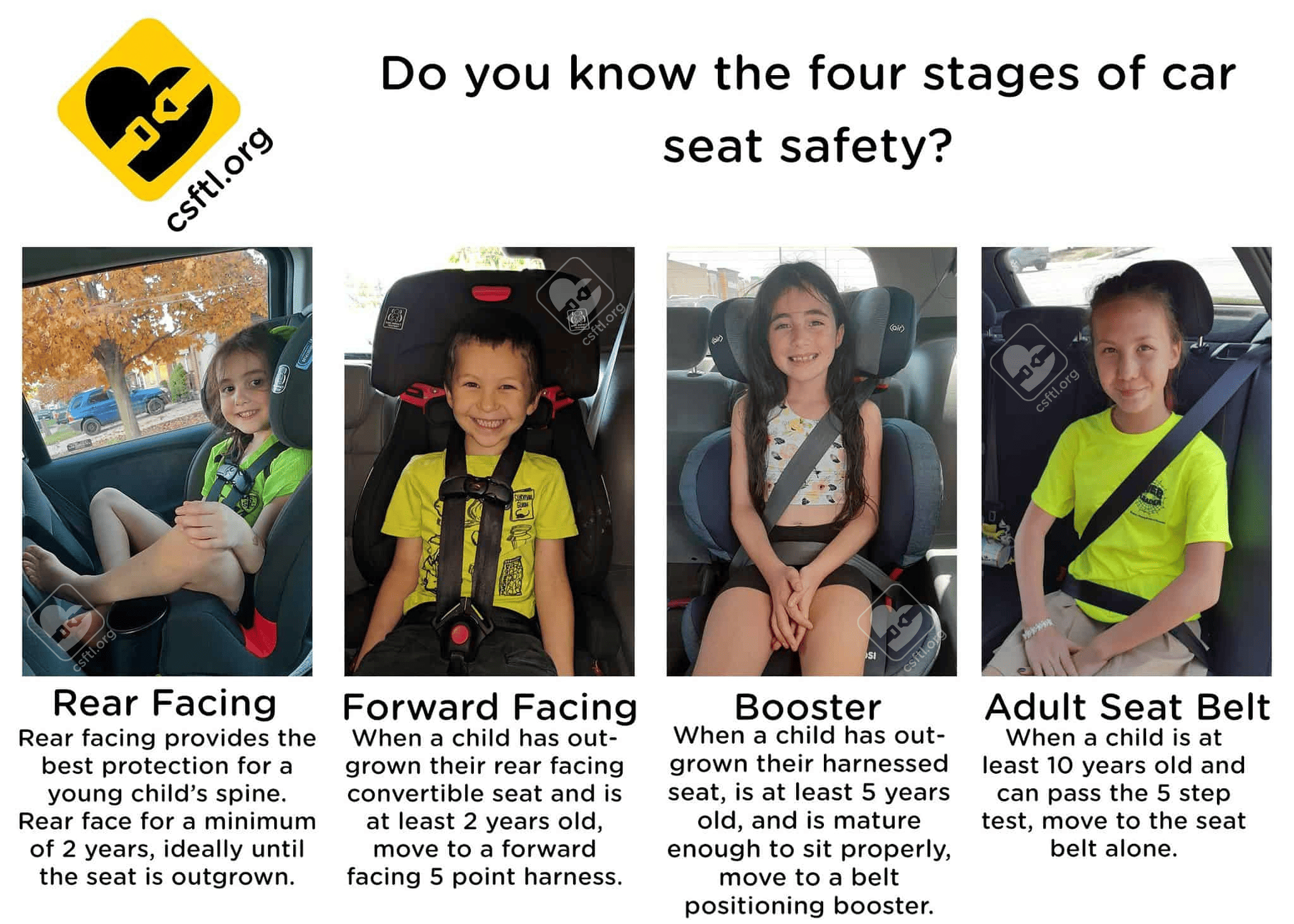
Credit: csftl.org
Common Transition Mistakes To Avoid
Transitioning car seats can be tricky for many parents. Mistakes during this stage can affect your child’s safety. Knowing common errors helps keep your child protected. Avoid these pitfalls to make the switch smooth and safe.
Moving Up Too Early
Switching to the next seat too soon is a common error. Many parents think bigger seats mean better safety. The truth is smaller seats fit younger kids better. Moving up early can put your child at risk in a crash. Always check your child’s height and weight first. Follow the recommended limits before changing seats.
Incorrect Installation
Even the best car seat is unsafe if installed wrong. Many parents struggle with tightening straps or locking the seat. Loose seats can shift during sudden stops or accidents. Use the car seat manual and vehicle guide carefully. Double-check the seat before every ride. Ask a professional to inspect the installation if unsure.
Ignoring Manufacturer Guidelines
Every car seat comes with clear rules. These rules explain weight, height, and installation steps. Ignoring them can cause serious safety issues. Some parents think any seat fits any child. This is false and dangerous. Always read and follow the manufacturer’s instructions. They are designed to protect your child best.
Tips For A Smooth Upgrade
Upgrading your child’s car seat can feel tricky. The right steps make the change easier and safer. Planning helps your child adjust without stress. These tips guide you through a smooth upgrade.
Small actions lead to big comfort and safety gains. Let’s explore how to prepare and install the new seat properly.
Involve Your Child
Talk to your child about the new seat. Show how it works and what to expect. Let them touch and explore the seat. This builds trust and eases any fears. Kids feel more comfortable when they know what’s coming.
Test The New Seat Before Travel
Try the new seat at home first. Secure your child in it for short times. Check for comfort and fit. Adjust straps and buckles as needed. This practice prevents surprises during trips. Your child gets used to the feel of the seat.
Seek Professional Installation Help
Ask a certified technician to install the seat. Professionals ensure the seat is safe and tight. They check the seat belt or LATCH system. Proper installation reduces risk in accidents. Many local fire stations or hospitals offer this service.
Credit: www.totalplumbingfl.com
Legal Requirements And Recommendations
Knowing the legal requirements and expert recommendations helps parents decide the right time to change car seats. Safety rules vary by location and child’s age. Following these rules keeps children safe and avoids fines.
State Laws On Car Seats
Each state has specific laws about car seat use. These laws set the minimum age, weight, or height for using different car seats. Some states require children to stay in rear-facing seats longer. Others have strict rules for booster seats. Check local laws to stay compliant and protect your child.
Manufacturer Recommendations
Car seat makers provide clear guidelines for each model. They state the weight and height limits for rear-facing, forward-facing, and booster seats. These instructions ensure the seat fits the child properly. Using the seat as directed maximizes safety in a crash. Always read and follow the manual carefully.
Pediatrician Advice
Doctors specialize in child health and safety. They often suggest keeping children rear-facing as long as possible. Pediatricians recommend moving to the next seat stage only when the child outgrows the current seat. They offer advice based on child growth and injury prevention. Consulting your child’s doctor can provide personalized guidance.
Credit: safety1st.com
Frequently Asked Questions
When Should I Switch From Infant To Convertible Car Seat?
Switch to a convertible car seat when your baby outgrows the infant seat’s height or weight limits. Usually, this occurs around 12 months or 22-35 pounds. Convertible seats accommodate children longer and provide extended rear-facing safety.
How Do I Know It’s Time For A Booster Seat?
Transition to a booster seat when your child exceeds forward-facing seat limits. Typically, this is around 4 years old or 40 pounds. Boosters ensure the seat belt fits properly, enhancing safety for taller, heavier kids.
What Signs Indicate My Child Needs A New Car Seat?
Look for tight harnesses, head or shoulder restraints outgrown, or weight exceeding limits. If your child’s ears are above the seat back, it’s time to upgrade. Always follow manufacturer guidelines for safety.
Can I Keep My Child Rear-facing Longer?
Yes, keeping your child rear-facing as long as possible is safest. Most seats allow rear-facing up to 40 pounds or more. This position better protects the head, neck, and spine during collisions.
Conclusion
Choosing the right time to switch car seats keeps children safe. Watch their height and weight closely. Follow the car seat instructions carefully. Make sure your child sits comfortably and securely. Changing seats too early or late can cause risks.
Always check safety guidelines from trusted sources. Stay patient and do not rush the transition. Safety matters more than convenience or speed. Your careful choice protects your child every trip. Keep learning and stay updated on car seat rules. Safety first, always.
