

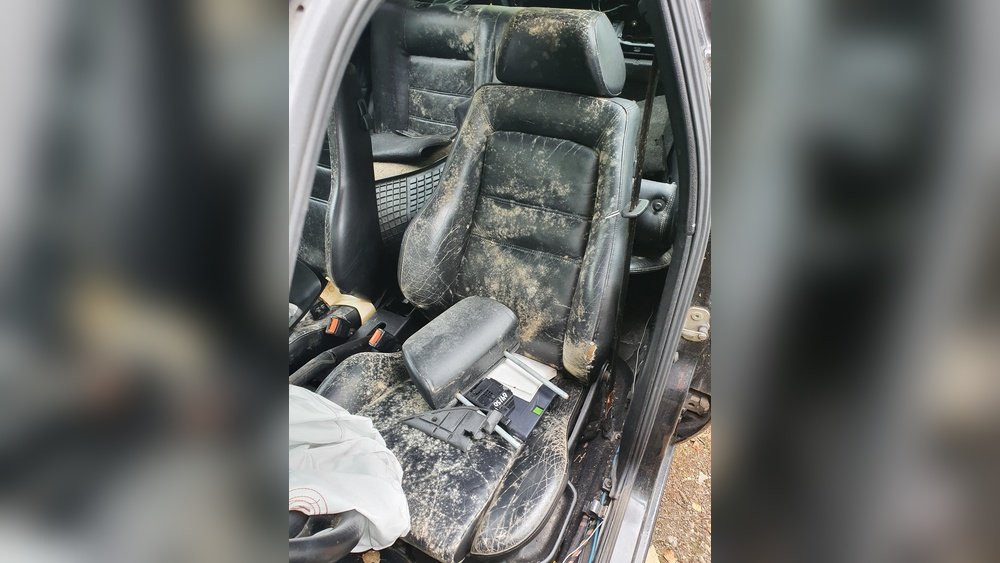
Mold on your leather car seats is more than just an eyesore—it can damage the leather and create an unpleasant smell in your car. If you’ve noticed those pesky spots creeping onto your seats, you probably want a quick and effective way to get rid of them.
The good news? You don’t have to spend a fortune or call a professional to fix this. In this guide, you’ll discover simple, proven steps to remove mold safely and restore your leather seats to their original shine. Keep reading, and you’ll learn how to protect your car’s interior and enjoy a fresh, clean ride again.
Causes Of Mold On Leather Seats
Mold on leather car seats can damage the material and cause bad smells. Understanding the causes helps prevent mold from growing. Mold grows in places with moisture, dirt, and poor airflow. Knowing these factors keeps your leather seats safe and clean.
Humidity And Moisture
Leather needs some moisture, but too much causes mold. High humidity inside the car creates a wet environment. Water from rain or wet clothes also adds moisture. Mold spores grow fast in damp places on leather seats.
Poor Ventilation
Cars with little air flow trap moisture inside. Closed windows and doors block fresh air. Without ventilation, damp air stays on leather seats. This creates a perfect place for mold to form and spread.
Spills And Dirt
Food and drink spills leave wet spots on leather. Dirt and dust add organic material for mold to feed on. If seats are not cleaned quickly, mold grows easily. Clean spills fast to keep seats mold-free.
Signs Of Mold On Leather
Mold can harm leather car seats quickly. It weakens the leather and causes bad smells. Spotting mold early helps stop damage fast. Learn the common signs of mold on leather seats.
Visible Spots And Discoloration
Look for small spots or patches on the leather. Mold often appears as white, green, or black dots. The spots may spread and join together over time. Discoloration can make the leather look faded or stained. These changes are clear signs of mold growth.
Musty Odor
A strong, damp smell inside the car is a warning. Mold creates a musty odor that is hard to ignore. This smell may get worse after rain or cleaning. The scent often sticks to leather, signaling mold presence beneath the surface.
Texture Changes
Feel the leather for any rough or sticky patches. Mold can make the surface feel different from normal leather. It may become stiff, cracked, or slimy in affected areas. These texture changes show the leather is suffering from mold.
Essential Tools And Materials
Removing mold from leather car seats requires the right tools and materials. Using proper items protects the leather and makes cleaning easier. Prepare everything before starting to avoid mistakes and damage.
Cleaning Solutions
Choose gentle cleaners made for leather surfaces. Avoid harsh chemicals like bleach or ammonia. Mild soap mixed with water or special leather cleaner works best. These solutions help remove mold without harming the leather’s texture.
Soft Brushes And Cloths
Use soft-bristled brushes to loosen mold gently. Hard brushes can scratch or damage leather. Microfiber cloths work great for wiping away dirt and moisture. Soft materials prevent scratches and keep leather smooth.
Protective Gear
Wear gloves to protect your hands from mold and cleaners. A mask helps avoid breathing in mold spores. Safety glasses shield your eyes during cleaning. Protective gear keeps you safe and reduces health risks.
Credit: montanaautopros.com
Step-by-step Mold Removal
Removing mold from leather car seats requires care and the right steps. Follow this guide to clean your seats safely. Mold can damage leather if not treated quickly. This step-by-step method helps you remove mold without ruining the material.
Prepare The Area
Open car doors and windows for fresh air. Wear gloves and a mask to protect yourself. Remove any loose items from the seats. Cover nearby areas to avoid spreading mold spores.
Vacuum The Seats
Use a vacuum with a soft brush attachment. Gently vacuum the seats to remove loose mold. Avoid pressing hard to protect the leather. Dispose of the vacuum bag or clean the container after.
Apply Cleaning Solution
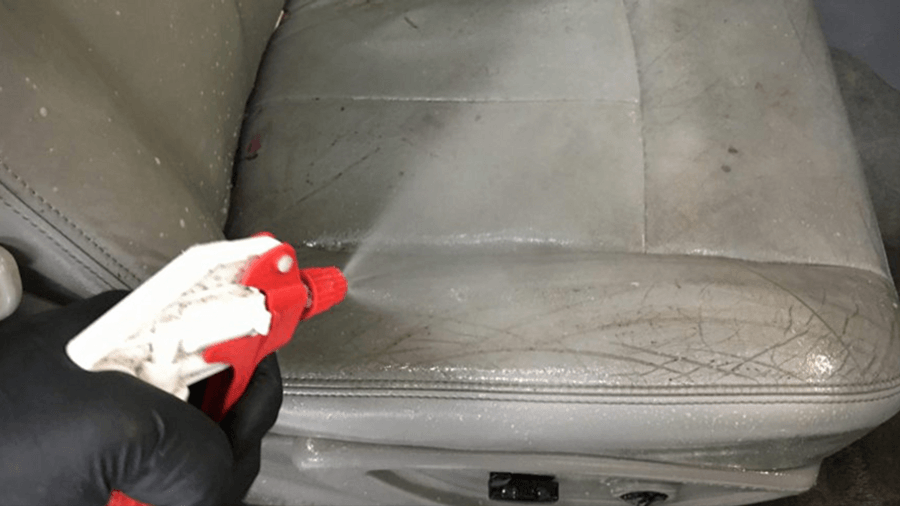
Mix equal parts water and white vinegar in a spray bottle. Lightly spray the moldy areas on the leather. Let the solution sit for 5 minutes. Vinegar kills mold without harming leather.
Gently Scrub The Mold
Use a soft cloth or sponge to scrub the mold. Move in small circular motions. Do not use hard brushes or abrasive materials. Be gentle to protect the leather surface.
Wipe And Dry Thoroughly
Wipe the seats with a clean, damp cloth. Remove all cleaning solution and mold residue. Use a dry towel to absorb extra moisture. Let the seats air dry completely before closing the car.
Preventing Future Mold Growth
Preventing mold from growing again on leather car seats is very important. Mold likes moisture and warm places. Keeping your seats dry and clean stops mold from coming back. Small efforts every day protect your car’s interior and save you money on repairs.
Keep Seats Dry
Dry seats do not allow mold to grow. After rain or washing the car, dry the seats quickly. Use a soft cloth to remove water. Avoid leaving wet clothes or towels on the seats. Moisture trapped in leather invites mold.
Improve Ventilation
Good air flow helps keep moisture away. Open windows or doors when parked in safe places. Use air conditioning or fans to move air inside the car. Ventilation lowers humidity and dries the seats faster. A dry car interior discourages mold growth.
Regular Cleaning Routine
Clean leather seats often to remove dirt and moisture. Use a gentle leather cleaner and soft cloth. Avoid harsh chemicals that damage leather. Regular cleaning removes mold spores early. It keeps the seats fresh and mold-free longer.

Credit: www.reddit.com
When To Seek Professional Help
Knowing when to seek professional help is important for mold on leather car seats. Some mold problems are easy to clean. Others need expert care to avoid damage or health risks. Understanding the signs helps protect your car and health.
Severe Mold Infestations
Large mold patches need professional attention. Experts use special tools and cleaners. They remove mold deeply and safely. Trying to clean heavy mold alone can spread spores. Professionals contain and eliminate the problem better.
Leather Damage
Mold can weaken or discolor leather. If you see cracks, peeling, or stains, call a pro. They know how to restore leather without harm. DIY cleaning might worsen damage or ruin the seat’s look. Professionals use gentle methods for best results.
Health Concerns
Mold causes allergies, breathing problems, and skin irritation. If you or others feel sick near the car, get help. Professionals handle mold safely to reduce health risks. They protect your family from mold spores and toxins.

Credit: www.reddit.com
Frequently Asked Questions
How Do I Remove Mold From Leather Car Seats Safely?
To remove mold safely, use a mixture of equal parts water and rubbing alcohol. Gently wipe the seats with a soft cloth. Avoid harsh chemicals to protect the leather’s finish. Always test on a small area first.
What Household Items Clean Mold On Leather Seats?
Common items like white vinegar, rubbing alcohol, and mild soap can clean mold. Mix with water and apply gently. These solutions kill mold without damaging leather if used properly.
How Can I Prevent Mold On Leather Car Seats?
Keep your car dry and ventilated to prevent mold growth. Use a dehumidifier or moisture absorbers. Regularly clean and condition the leather to maintain its protective layer.
Is Mold On Leather Car Seats Harmful To Health?
Yes, mold spores can trigger allergies, respiratory issues, and skin irritation. It’s important to clean mold promptly and avoid prolonged exposure inside the vehicle.
Conclusion
Cleaning mold from leather car seats protects your car’s look and health. Act quickly to stop mold from spreading. Use gentle cleaners and soft cloths for best results. Keep seats dry and ventilated to prevent mold return. Regular checks help catch mold early.
Taking these steps keeps your car fresh and safe. Mold on leather is not a lost cause. With care, your seats can stay clean and strong.
