

Are you sure your child’s car seat straps are in the right place? Moving the straps up at the right time can make all the difference in keeping your little one safe and comfortable.
But how do you know exactly when to make the change? If you’ve ever felt unsure about adjusting those straps, you’re not alone. This guide will help you understand when and why it’s important to move car seat straps up, so you can protect your child every time you hit the road.
Keep reading to find out the simple signs that tell you it’s time to adjust the straps and ensure a perfect fit.
Car Seat Harness Basics
Understanding car seat harness basics helps keep children safe in vehicles. A proper harness fit prevents injury during sudden stops or crashes. Parents must know when to adjust harness straps as their child grows.
The harness holds the child tightly in the seat. It spreads crash forces across strong body parts. Correct strap height and type are key to harness effectiveness.
Types Of Car Seat Harnesses
Most car seats use a five-point harness system. It has two shoulder straps, two waist straps, and one between the legs. This design keeps the child secure and balanced.
Some older or simpler seats use a three-point harness. It is less common and offers less protection. Always choose a five-point harness when possible.
Harness Height Importance
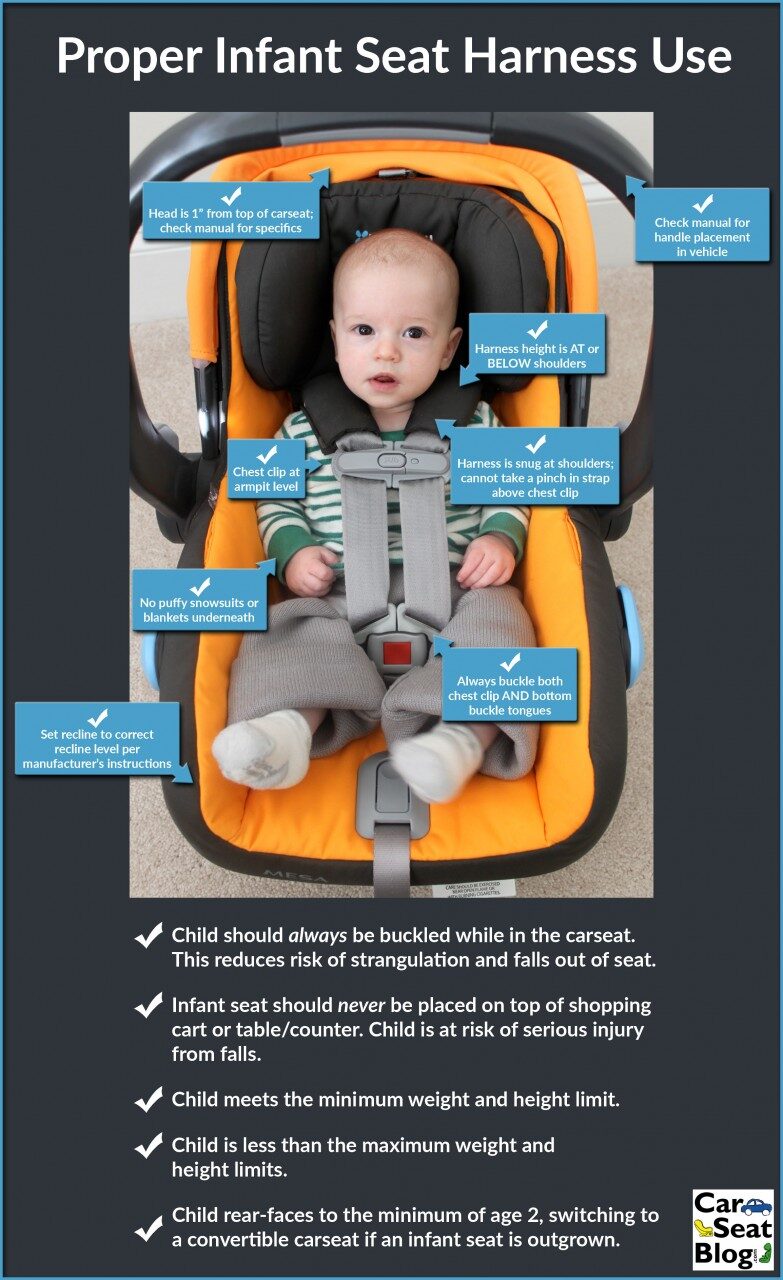
Strap height must match the child’s shoulder level. Straps too low or high can cause serious injury in a crash. Adjust straps so they sit at or just above the shoulders for forward-facing seats.
For rear-facing seats, straps should be at or just below the shoulders. Check the car seat manual for exact height rules. Moving straps up is necessary as your child grows taller.
Credit: thecarseatlady.com
Signs To Adjust Harness Height
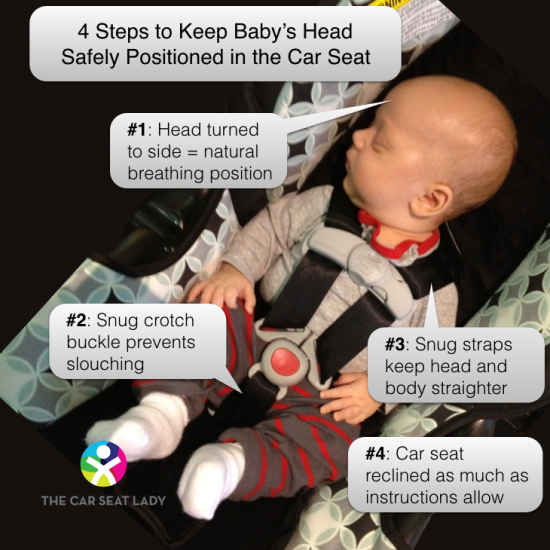
Adjusting car seat harness height is important for your child’s safety. The straps must fit correctly to protect your child during a ride. Watch for signs that show it is time to move the straps up. These signs help ensure the harness fits snugly and comfortably.
Check your child often. Their body grows fast, and the harness needs to keep pace. Use simple steps to know when to adjust the straps. This keeps the seat safe and your child secure.
Child’s Shoulder Position
The harness straps should be at or just above your child’s shoulders. If the straps sit below the shoulders, it is time to move them up. Straps too low can cause injury during a crash. Make sure the shoulder height matches the harness slots.
Growth Milestones
Children grow quickly, especially in the first years. Notice when your child’s shoulders rise above the current strap level. A few inches of growth means it is time to adjust. Regular checks help keep the harness in the right place.
Manufacturer Guidelines
Every car seat comes with its own rules for adjusting straps. Read the manual carefully to know how and when to move the straps. Following these guidelines ensures the seat works as designed. Do not guess or delay adjusting the harness height.
How To Move Car Seat Straps Up
Adjusting car seat straps is important for your child’s safety and comfort. Moving the straps up ensures they fit your child as they grow. This guide explains how to move car seat straps up correctly and easily.
Step-by-step Adjustment Process
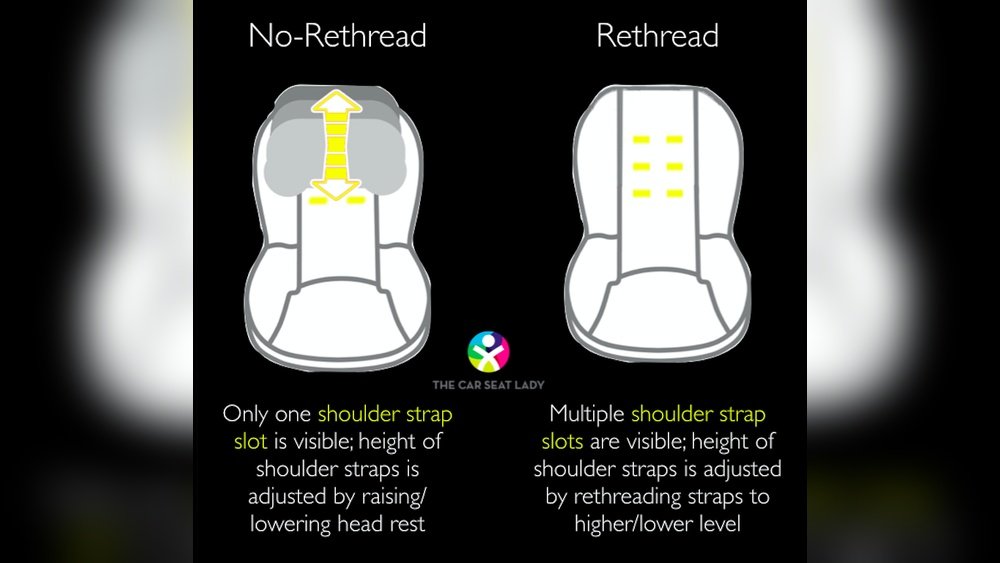
First, check your car seat manual for specific instructions. Find the slots where the straps attach to the seat. Unhook the straps from the current slots. Slide the straps up to the higher slots. Make sure the straps go through the slots at or just above your child’s shoulders. Reattach the straps securely. Pull the straps tight to remove slack. Confirm the straps lay flat without twists.
Tools Needed
Most car seats do not require tools for strap adjustment. Some models need a screwdriver or a small wrench. Keep scissors or a sharp knife away to avoid damage. Always use only the tools recommended in your car seat manual.
Common Mistakes To Avoid
Do not place straps below your child’s shoulders. Avoid loose or twisted straps. Never skip checking the strap attachment points. Do not force straps through slots that do not fit. Avoid ignoring the car seat manual’s instructions. Double-check strap tightness after adjustment.
Credit: parenting.kars4kids.org
Safety Risks Of Incorrect Harness Height
Using the right harness height in a car seat is crucial for your child’s safety. Straps that are too low or too high can cause serious harm during a crash. The harness must fit snugly and sit at the correct level on your child’s shoulders. Incorrect harness height increases the risk of injury and reduces the effectiveness of the car seat.
Potential Injury Scenarios
Straps placed too low can cause your child to slip out during a crash. This increases the chance of ejection from the seat. Straps that are too high may press against the neck, causing choking or breathing problems. Loose or misplaced straps can lead to broken bones or internal injuries. Proper harness height keeps your child secure and reduces injury risks.
Legal Requirements
Many countries have laws on car seat harness height. These rules ensure the straps sit at or just above your child’s shoulders. Car seat manufacturers provide clear guidelines to meet legal standards. Using the wrong harness height may lead to fines or failed safety inspections. Following these rules protects your child and keeps you compliant with the law.
Tips For Maintaining Proper Harness Fit
Maintaining the proper harness fit in a car seat is crucial for your child’s safety. A well-fitted harness keeps your child secure during every ride. It also prevents discomfort and distractions while driving. Follow these simple tips to ensure the harness straps fit just right.
Regular Checks
Check the harness fit before every trip. Look for any twists or slack in the straps. Make sure the straps lie flat against your child’s body. Adjust the straps if they seem loose or tight. These quick checks keep the harness effective and safe.
Seasonal Adjustments
Clothing changes with the seasons. Thicker jackets need more strap space. Thin clothes require a snugger fit. Adjust harness straps to fit your child’s current clothing. This prevents the straps from being too loose or too tight in different weather.
Proper Strap Tightness
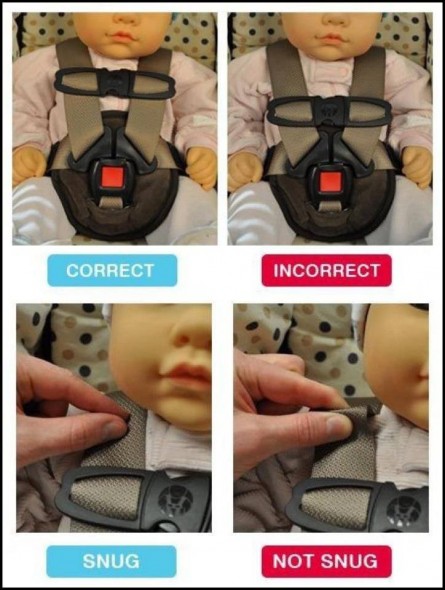
Straps should be snug but not uncomfortable. Use the pinch test: try to pinch the strap near the shoulder. If you can pinch extra webbing, tighten the straps. Proper tightness keeps your child secure without causing pain.
Credit: www.consolata.org
Frequently Asked Questions
When Should Car Seat Straps Be Moved Up?
Move car seat straps up when your child’s shoulders reach the current strap level. Adjust straps to sit at or just above the shoulders for forward-facing seats. This ensures maximum safety and comfort as your child grows.
How Do I Know If Straps Are Too Low?
If the straps sit below your child’s shoulders, they are too low. Low straps can reduce protection during a crash. Always check that straps are at or just above shoulder level for forward-facing car seats.
Can I Move Straps After Every Growth Spurt?
Yes, adjust car seat straps after every noticeable growth spurt. Regular adjustments keep the straps snug and safe. Proper strap height prevents injuries and provides the best fit for your child.
Is Strap Adjustment Different For Rear-facing Seats?
Yes, for rear-facing seats, straps should be at or below shoulder level. Adjust straps upward as your child grows. Correct strap height is crucial for effective protection in rear-facing seats.
Conclusion
Adjust car seat straps as your child grows for safety. Straps should sit at or above the shoulders. Check the fit every few months. Proper strap height keeps your child secure in the seat. Don’t wait too long to move the straps up.
A snug fit helps protect during sudden stops. Always follow the car seat manual for guidance. Safe rides start with the right strap adjustment. Keep your child comfortable and protected on every trip.
