

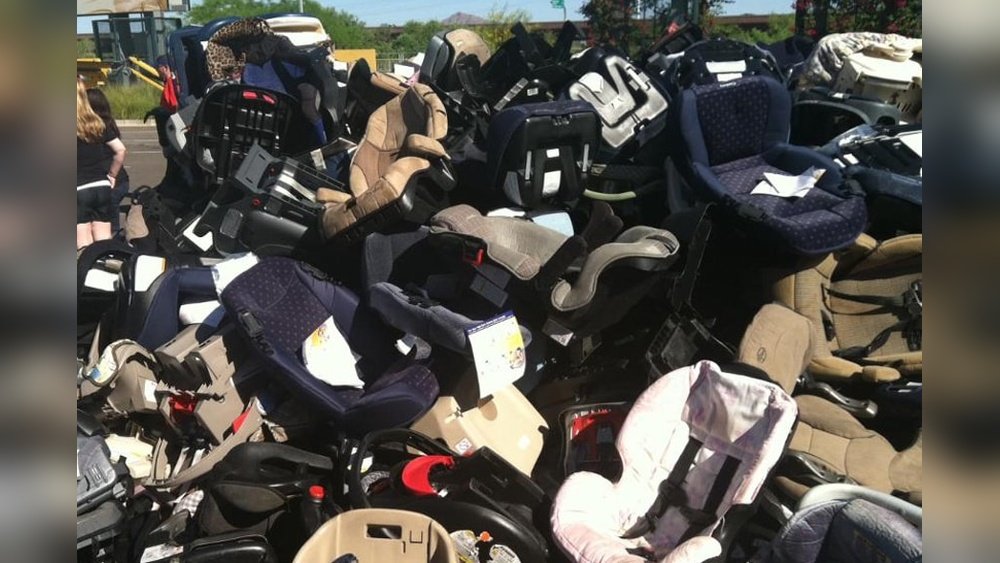
Are you wondering where you can recycle your old car seats safely and easily? You’re not alone.
Many people want to get rid of used car seats without harming the environment but don’t know where to start. You’ll discover simple and practical places to recycle your car seats. You’ll learn how to make sure your seats don’t just end up in the landfill, and how recycling can protect your family and the planet.
Keep reading to find the best options for you and your community.

Credit: toledoparent.com
Why Recycle Car Seats
Recycling car seats is important for many reasons. Old car seats cannot be used forever. Throwing them away adds to trash problems. Recycling helps reduce harm to nature. It also saves resources for future use. Understanding why recycling car seats matters can guide better choices.
Environmental Impact
Car seats contain plastic, metal, and foam. These materials take many years to break down. Throwing them in the trash adds to landfill waste. Landfills release harmful gases that hurt the air. Recycling car seats keeps these materials out of landfills. It lowers pollution and protects wildlife habitats.
Waste Reduction Benefits
Recycling car seats means fewer new materials are needed. It saves energy used to make new parts. Less waste in landfills means cleaner communities. Recycling helps reduce the demand for raw materials. This conserves natural resources like trees and minerals. It also supports a healthier planet for everyone.
Credit: insightpropertyadvisors.com.au
Preparing Car Seats For Recycling
Preparing car seats for recycling helps protect the environment and keeps waste low. It involves cleaning and taking apart the seat carefully. This process makes recycling easier and safer for everyone.
Cleaning And Disassembly
Start by removing all fabric covers and padding. Wash the fabric with mild soap and water. Let it dry completely before recycling. Next, take out metal parts like screws and buckles. Separate plastics from metal pieces. Disassemble the seat carefully to avoid damage. This makes recycling smoother and helps reuse more materials.
Checking For Safety Recalls
Check the car seat model for any safety recalls. Use the manufacturer’s website or safety databases. If there is a recall, follow the instructions for disposal. Do not recycle seats with unresolved safety issues. This step ensures safety for other users and proper recycling.
Local Recycling Centers
Local recycling centers offer a practical way to dispose of old car seats. These centers help protect the environment by recycling materials properly. Many communities have drop-off points for car seats. Using local centers saves you time and effort. It also keeps waste out of landfills.
Finding Nearby Facilities
Start by searching online for recycling centers near your home. Use terms like “car seat recycling near me.” Local government websites often list accepted items. Call the center to confirm they accept car seats. Some centers require appointments or special drop-off times. Check if the center offers curbside pickup for bulky items.
Accepted Materials
Recycling centers usually accept car seats made of plastic and metal parts. They often remove fabric and foam before recycling. Some centers recycle the entire seat, including straps and buckles. Others only take certain materials. Confirm what parts of the car seat are accepted. Proper sorting helps centers recycle efficiently.
Specialized Car Seat Recycling Programs
Specialized car seat recycling programs help reduce waste safely. They focus on breaking down car seats into parts for reuse. These programs keep harmful materials out of landfills. They also follow rules to handle chemicals and plastics properly. Using these programs supports a cleaner environment and safer communities.
Manufacturer Take-back Options
Some car seat makers offer take-back programs. They accept old seats from customers for recycling. These programs ensure seats are handled correctly. Often, manufacturers recycle plastics and metals from the seats. This reduces waste and supports product safety. Check the brand’s website or contact customer service. They provide details on how to send back your seat.
Nonprofit And Community Initiatives
Nonprofit groups often run car seat recycling events. These events collect seats from local families. Volunteers help sort and prepare seats for recycling. Some groups work with recycling centers to process parts. These initiatives raise awareness about safe disposal. They may also offer discounts on new car seats. Join local events or contact community centers for schedules.
Retailer Recycling Services
Retailer recycling services help you dispose of old car seats safely. Many stores accept car seats for recycling. This service makes recycling easy and convenient. You can visit these stores and drop off your used car seats. They handle the recycling process properly. This reduces waste and helps the environment.
Stores Offering Drop-off
Several major retailers have drop-off programs for car seats. Stores like Target and Walmart often accept old car seats. Some local baby stores also offer recycling services. Check with stores near you to see if they take car seats. Drop-off points save time and effort. You just bring your car seat to the store and leave it there.
Incentives For Recycling
Many retailers offer rewards to encourage recycling. You might get discounts or coupons for recycling car seats. Some stores provide store credit or gift cards. These incentives make it easier to recycle old items. They help reduce waste and promote green habits. Recycling becomes more attractive with these benefits.
Alternative Eco-friendly Disposal Methods
Car seats can be hard to recycle because of their materials and safety rules. Many people throw them away, which harms the planet. There are better ways to get rid of old car seats. These methods help reduce waste and give car seats a new purpose.
Upcycling Ideas
Old car seats can become useful items. Use the fabric for pet beds or cushions. The plastic parts can turn into garden pots or storage boxes. Some people craft toys or art from car seat parts. Upcycling saves materials and reduces trash in landfills.
Donation Options
Some organizations accept used car seats if they are safe. Check local charities or shelters that help families. They might use the seats or recycle them responsibly. Donating gives your car seat a second life and helps others.
Tips For Choosing Sustainable Car Seats
Choosing a sustainable car seat helps reduce waste and protect the planet. It also saves money by lasting longer and being safer. Small choices in materials and design make a big difference. Focus on what lasts and what is better for the environment.
Materials To Look For
Choose car seats made from recycled or natural materials. Organic cotton and recycled plastics are good options. Avoid seats with harmful chemicals or synthetic fabrics. These materials break down slowly and pollute the earth. Look for labels that show eco-friendly materials.
Long-term Use And Durability
Pick car seats built to last through multiple children. Strong frames and washable covers extend the life of the seat. Durable seats reduce the need to buy new ones often. Check for safety standards and reviews to find lasting models. Durable seats also keep children safe on every ride.

Credit: www.youtube.com
Frequently Asked Questions
Where Can I Recycle Old Car Seats Locally?
Local recycling centers, auto parts stores, and some municipal waste facilities accept old car seats. Check with your city’s waste management service for specific drop-off locations near you.
Are Car Seats Recyclable At Special Collection Events?
Yes, many communities hold special collection events for hazardous and bulky items like car seats. These events ensure proper recycling and reduce landfill waste.
Can I Donate Used Car Seats Instead Of Recycling?
If in good condition and not expired, many charities accept used car seats. Donating helps families in need while promoting reuse and sustainability.
Do Manufacturers Offer Car Seat Recycling Programs?
Some car seat brands have take-back or recycling programs. Contact the manufacturer or visit their website to learn about available recycling options.
Conclusion
Recycling car seats helps protect the environment. Many local centers accept old car seats. Some stores offer recycling programs too. Check online for nearby recycling spots. Proper disposal keeps landfills cleaner and safer. Small actions like this make a big difference.
Start recycling your car seats today. It’s easy, responsible, and good for the planet. Together, we can reduce waste and save resources. Keep your community clean by recycling right. Every seat recycled counts towards a better future.
