

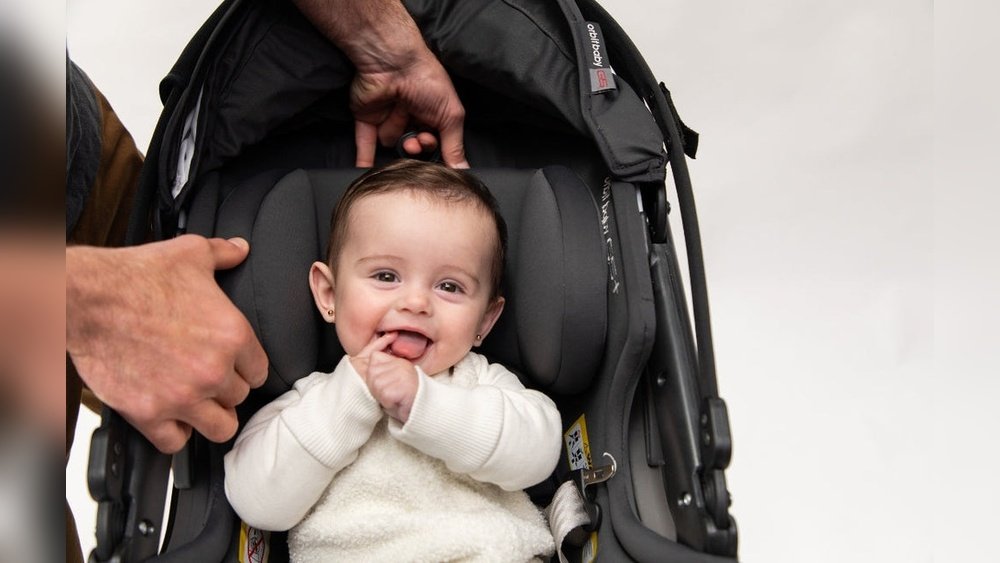
You want the best for your baby, especially when it comes to safety. But how do you know when your little one has outgrown their infant car seat?
Using the wrong seat can put your child at risk, and you don’t want to take any chances. This can feel confusing and stressful, but don’t worry—you’re not alone. You’ll learn the clear signs that tell you it’s time to switch to the next car seat.
Keep reading to make sure your baby stays safe and comfortable every time you hit the road.
Infant Car Seat Weight Limits
Infant car seats have weight limits to keep babies safe during travel. These limits help parents know when their baby is too big for the seat. Using the right car seat size helps protect your child in case of an accident. Always follow these weight guidelines to avoid safety risks.
Maximum Weight Guidelines
Each infant car seat has a maximum weight limit. Most seats support babies up to 22 to 35 pounds. Exceeding this weight means the seat no longer fits properly. The harness and straps may not hold your child safely. This can increase the risk of injury in a crash.
Checking Manufacturer Specifications
Check your car seat’s manual for exact weight limits. The manufacturer provides clear instructions for safe use. Look for the label on the car seat too. It often lists weight and height limits. Follow these instructions closely to ensure safety. Never guess or estimate your baby’s size for the seat.

Credit: www.goodeggcarsafety.com
Height Restrictions To Consider
Height limits are key to know before moving your baby out of an infant car seat. Each seat has a maximum height rule. This helps keep your child safe during car rides.
Knowing your baby’s height helps you decide when to switch seats. It is easy to measure and understand. Following height rules protects your child from injury.
Measuring Your Baby’s Height
Use a soft tape measure or a flat ruler to measure your baby. Have your baby lie down straight on a flat surface. Measure from the top of the head to the heel of the foot.
Write down the measurement in inches or centimeters. Check the car seat manual for height limits. Compare your baby’s height to these limits often.
Impact On Safety
When your baby is too tall for the seat, safety decreases. The harness may not fit correctly, causing risk in a crash. The headrest may no longer protect the head and neck.
Using a seat past its height limit can lead to serious injuries. Switching to a bigger seat at the right time ensures better protection. Always follow the car seat’s height guidelines for safety.
Signs Your Baby Has Outgrown The Seat
Knowing when your baby has outgrown the infant car seat is important for safety. Babies grow fast, and their seats must fit correctly. Watch for signs that show your child no longer fits well. These signs help you decide when to switch to the next seat type.
Head Positioning Issues
Check your baby’s head while seated. If the head falls forward or tilts sideways, the seat may be too small. A seat that does not support the head can cause breathing problems. Proper head support keeps your baby’s airway open and safe.
Strap Fit Problems
Look at the harness straps on the car seat. Straps should lie flat and snug against your baby’s body. If straps are too tight or cannot be tightened further, the seat is too small. Loose straps can also mean the seat is too big and unsafe.

Credit: mamanloupsden.com
Transitioning To A Convertible Car Seat
Transitioning to a convertible car seat is an important step for your baby’s safety. Infant car seats fit babies well but grow out fast. Convertible car seats offer more room and last longer. They can be used for toddlers after babies outgrow infant seats. This switch helps keep your child secure as they grow.
When To Make The Switch
Check your infant car seat’s height and weight limits. Most infant seats fit babies up to 30 pounds or 32 inches. If your baby reaches these limits, it’s time to switch. Also, watch your baby’s head position. If their head is near the top, they need a bigger seat. Switching too late risks safety and comfort.
Choosing The Right Convertible Seat
Pick a convertible seat that fits your car well. Look for one with clear height and weight limits. Seats that recline and have adjustable harnesses work best. Choose a model with good safety ratings and easy installation. A convertible seat should allow rear-facing use as long as possible. This keeps your child safest during early years.
Common Safety Mistakes To Avoid
Keeping your baby safe in the car is very important. Many parents make simple mistakes with infant car seats. These errors can put your child at risk. Knowing what to avoid helps protect your baby.
Using Expired Seats
Car seats have expiration dates. Over time, materials weaken and may not protect well. Using an expired seat can be dangerous in a crash. Check the label on the seat to find the expiration date. Never use a seat past this date. Old seats may also miss newer safety updates.
Incorrect Installation
Installing the car seat wrong is a common mistake. A loose or tilted seat can cause injury. Always follow the car seat manual carefully. The seat should not move more than one inch side to side. Use the seat belt or LATCH system properly. Tight straps and correct angles keep your baby safe.
Additional Safety Tips For Car Travel
Keeping your baby safe during car travel is very important. Beyond choosing the right seat, some simple steps can increase protection. These safety tips help you secure your child properly. They also ensure comfort and reduce risks on the road.
Proper Harnessing Techniques
Always use the harness that comes with the car seat. The straps should lie flat without twists. Place the harness at or below your baby’s shoulders. Tighten the straps so you cannot pinch any slack. The chest clip should be at armpit level. This keeps the harness in the right place during travel.
Positioning In The Vehicle
Place the car seat in the back seat of the car. The middle seat is the safest spot if it fits well there. Avoid placing the seat where airbags can deploy. Rear-facing seats protect babies better in a crash. Make sure the seat is installed tightly and does not move more than an inch. Check your car manual for specific installation tips.
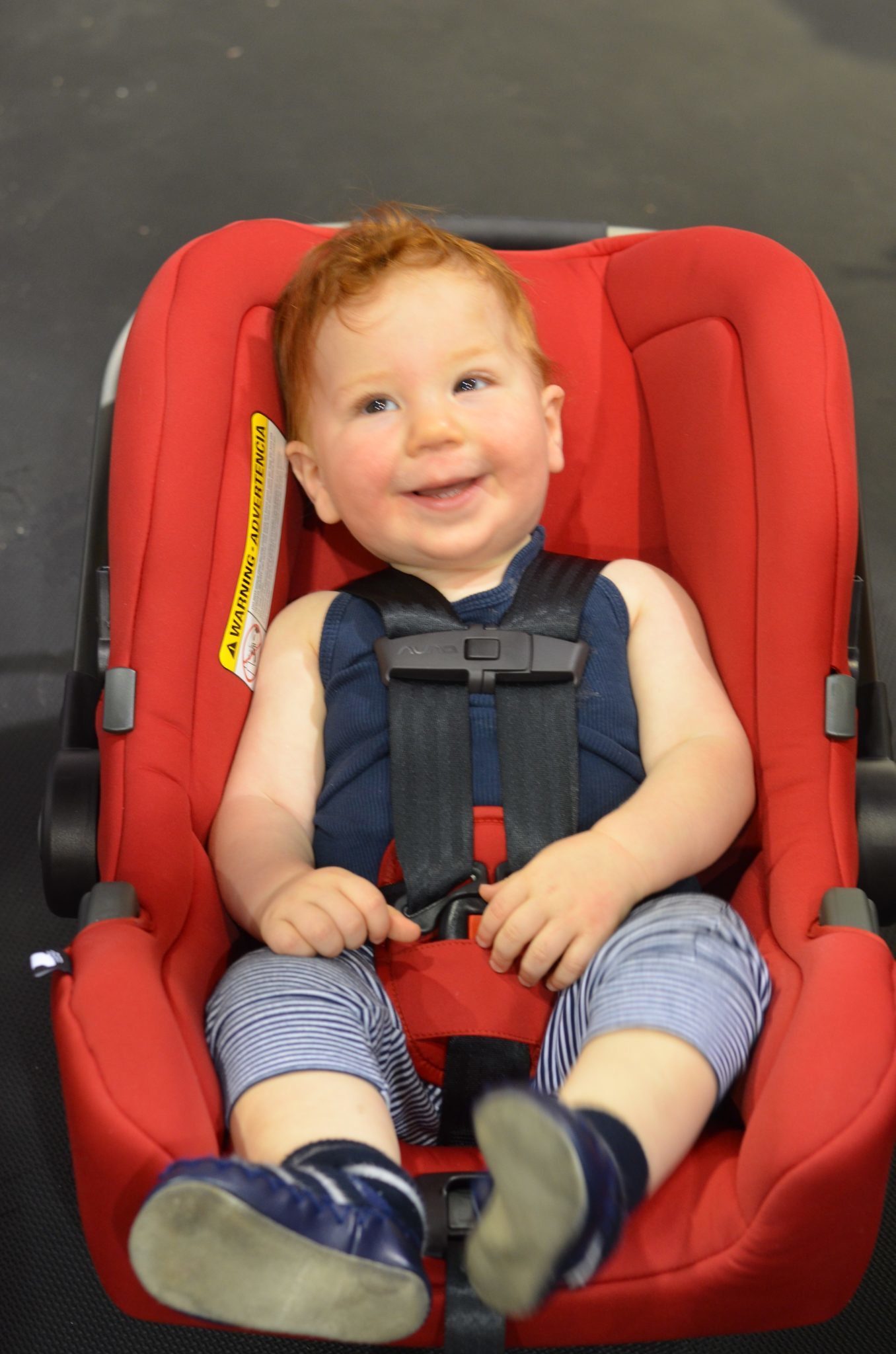
Credit: thecarseatlady.com
Frequently Asked Questions
When Should I Stop Using An Infant Car Seat?
Stop using an infant car seat when your baby exceeds the weight or height limit set by the manufacturer. Check the label on the seat for these limits. Typically, this is around 22 to 35 pounds or when your baby’s head is near the top of the seat.
How Do I Know If My Baby Is Too Big?
Your baby is too big if their head is within 1 inch of the top of the car seat. Also, if their shoulders extend beyond the harness slots, it’s time to switch. Always follow the car seat’s weight and height guidelines for safety.
What Are The Signs To Change Car Seats?
Signs include your baby outgrowing weight or height limits, difficulty securing the harness, or the baby’s head touching the top. Additionally, if your child can sit upright comfortably, consider moving to a convertible seat for better support and safety.
Can I Use An Infant Car Seat Beyond 1 Year?
Yes, if your baby fits within the seat’s limits. Many infants outgrow seats before their first birthday. Always prioritize safety by following manufacturer guidelines rather than age alone when deciding to switch seats.
Conclusion
Choosing the right time to switch your baby from an infant car seat keeps them safe. Check the seat’s height and weight limits often. Watch how your baby fits inside the seat. When their head or shoulders reach the top, it’s time to change seats.
Using the right car seat helps protect your baby on every trip. Always follow the car seat rules and your baby’s growth signs. Safety matters most for your little one’s travel. Stay alert and keep your baby secure.
