

Are you wondering when it’s the right time to turn your car seat forward? You want to keep your child safe, but the rules and recommendations can feel confusing.
Knowing the right weight to face your car seat forward is key to protecting your little one during every ride. You’ll discover clear guidelines that help you make the safest choice for your child. Keep reading to find out exactly when to switch directions and ensure your child’s safety on the road.
Credit: www.copcp.com
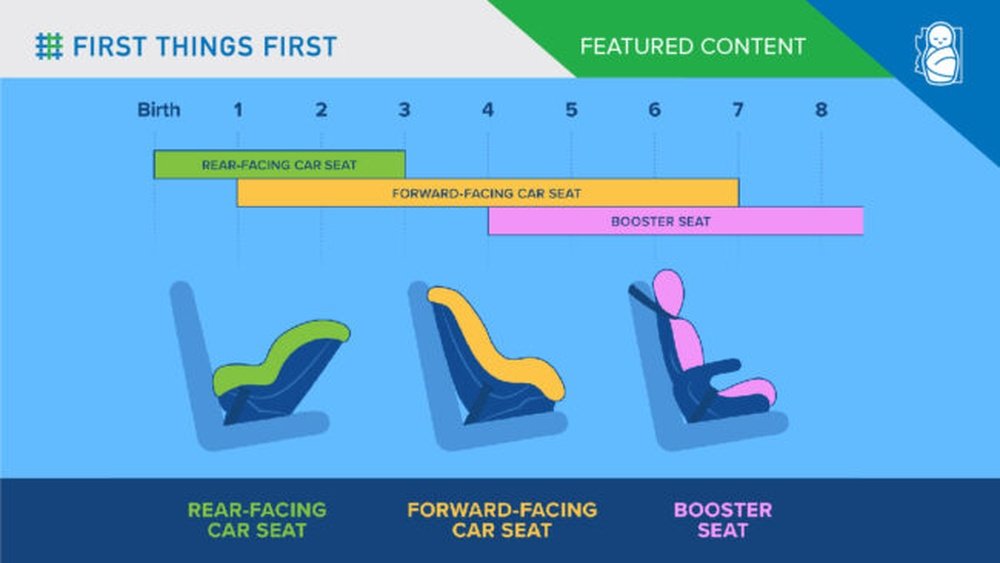
Rear-facing Vs Forward-facing Seats
Choosing between rear-facing and forward-facing car seats is very important for child safety. Parents often wonder about the right time to switch their child’s car seat direction. Both types have specific benefits and guidelines. Understanding these can help keep your child safer during every trip.
Safety Benefits Of Rear-facing
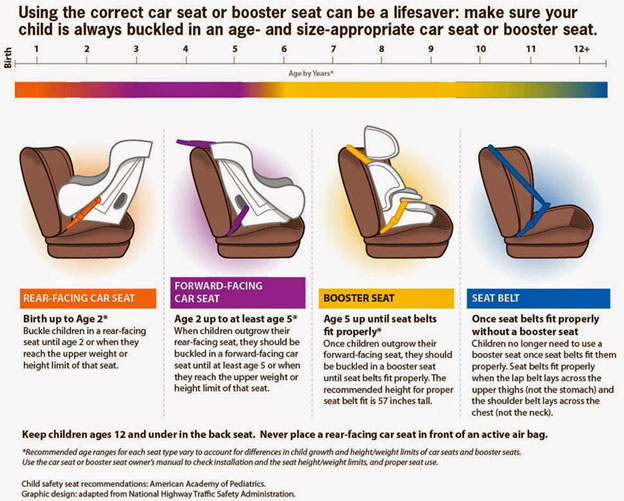
Rear-facing seats support a child’s head, neck, and spine better in a crash. The seat absorbs most crash forces, reducing injury risk. Babies and toddlers are softer and more vulnerable, so rear-facing is safer. Experts say children should stay rear-facing as long as possible. This position spreads crash forces over the back of the seat. It also protects the child’s airway and vital organs.
When To Switch Forward
Switch to a forward-facing seat only after the child meets weight and height limits. Most rear-facing seats allow children up to 40 pounds or more. Moving too soon can increase injury risk in crashes. Check your car seat manual for exact weight rules. Also, the child must sit upright comfortably without slouching. Forward-facing seats have harnesses to secure the child safely. Use forward-facing only when the child outgrows the rear-facing limits.
Credit: www.esseg.eu
Weight Limits For Rear-facing Seats
Understanding the weight limits for rear-facing car seats helps keep children safe. Car seats have specific weight guidelines. These limits decide how long a child should stay rear-facing. Staying rear-facing longer offers better protection for a child’s head and neck. Knowing these limits helps parents make safe choices.
Manufacturer Guidelines
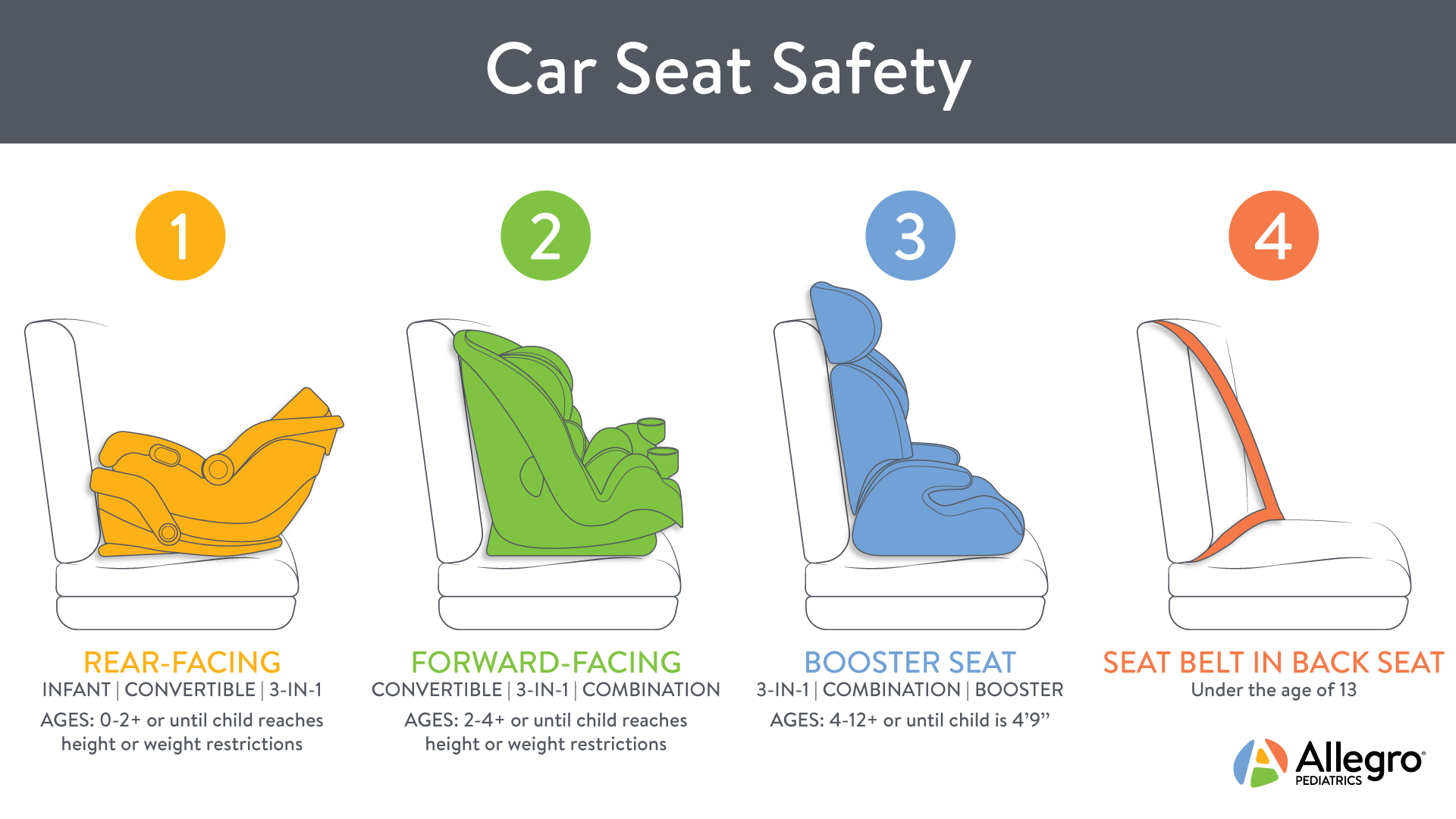
Each car seat brand sets its own weight limits. These rules come with the seat’s manual. Parents must read and follow these guidelines carefully. The manual shows the minimum and maximum weight allowed. Some seats allow children to stay rear-facing until 40 pounds or more. Always use the seat as the manufacturer says.
Common Weight Ranges
Most rear-facing seats support children from 5 to 40 pounds. Some models hold up to 50 pounds. Infant-only seats usually have lower limits, around 22 to 35 pounds. Convertible seats often have higher weight limits. These seats can be used longer in the rear-facing position. Knowing the common ranges helps pick the right seat.
Signs Your Child Is Ready To Face Forward
Knowing when to turn your child’s car seat forward is important for safety. Signs your child is ready help make this decision easier. These signs show your child’s growth and comfort with a forward-facing seat.
Watch for clear signals in their physical and behavior changes. These clues ensure your child rides safely and comfortably in the car.
Physical Development Milestones
Your child’s neck must be strong enough to hold their head up well. They should sit without slouching or leaning to one side. Good head control is key before facing forward. Your child needs to reach the weight limit set by the car seat maker. Usually, this means they weigh at least 20 pounds. Check your car seat manual for exact numbers. Legs growing longer and better balance also show readiness.
Behavioral Indicators
Your child may start showing less fear of facing forward. They might watch the world outside the window with interest. Sitting still for longer car rides is a good sign. If your child fusses less and seems more comfortable, they may be ready. They understand simple instructions like “sit still” or “look ahead.” These behaviors help ensure safer rides facing forward.
Risks Of Early Forward-facing
Switching a child to a forward-facing car seat too early can bring serious dangers. Their bodies are still fragile and need extra protection. Facing forward too soon increases the risk of injury during a crash. Many parents do not realize these risks and change seats based on weight alone. Understanding the risks helps keep children safer on the road.
Injury Statistics
Studies show that children in forward-facing seats under two years old have higher injury rates. Their necks and spines are not strong enough yet. Rear-facing seats reduce injury by supporting the head and body better. Data proves children in rear-facing seats have fewer severe injuries. Early forward-facing raises the chance of head and chest injuries.
Crash Impact On Children
In a crash, the body moves violently. A forward-facing child’s head can snap forward quickly. This movement strains the neck and spine. Rear-facing seats spread the crash forces over the back. This reduces pressure on delicate parts of the body. Early forward-facing leaves children more vulnerable to serious harm.
Legal Requirements And Recommendations
Understanding when to turn a car seat forward is important for your child’s safety. Laws and expert advice guide parents on the right time. Knowing these rules helps protect your child on every trip.
State And Country Laws
Each state and country has rules about car seat direction. Some require children to stay rear-facing until age two. Others allow forward-facing once children reach a certain weight or height. Always check local laws before switching the seat. Following these laws keeps you legal and your child safe.
Expert Safety Recommendations
Safety experts suggest keeping children rear-facing as long as possible. Rear-facing seats support the head, neck, and spine better in a crash. Many recommend waiting until children weigh at least 40 pounds. The American Academy of Pediatrics advises rear-facing until age two or more. These guidelines help reduce injury risk in accidents.
Choosing The Right Car Seat
Choosing the right car seat is very important for your child’s safety. Every child grows at a different pace. Their weight and height decide when to face the car seat forward. Picking the correct seat helps keep your child safe and comfortable during rides.
Types Of Forward-facing Seats
Forward-facing seats come in many styles. Some are simple seats with a harness. Others convert from rear-facing to forward-facing. Booster seats are for older children. They help position the seat belt correctly. Make sure the seat matches your child’s weight and height. Check the label for weight limits. Choose seats with good safety ratings.
Installation Tips
Proper installation is key for car seat safety. Use the seat belt or LATCH system to secure the seat. Read the car seat manual carefully before installing. The seat should not move more than one inch side to side. Tighten the straps firmly. Adjust the harness to fit snugly on your child. Regularly check the seat’s position and straps. Ask a certified technician for help if unsure.
Transitioning Safely To Forward-facing
Transitioning your child to a forward-facing car seat is an important step in their safety. It happens after they reach the right weight and age. Moving too soon can be unsafe. This section guides you on how to make this change safely. Follow simple steps and avoid common mistakes to keep your child secure.
Step-by-step Guide
First, check the car seat manual for weight limits. Most forward-facing seats fit children from 20 to 65 pounds. Next, install the seat using the seat belt or LATCH system. Make sure it is tight and does not move more than an inch side to side. Place your child in the seat and secure the harness snugly. The straps should lie flat without twists. The chest clip must sit at armpit level. Adjust the harness as your child grows. Always double-check before every trip.
Common Mistakes To Avoid
Never rush to turn the seat forward. Using weight alone is not enough; age matters too. Avoid loose harness straps or chest clips placed too low. Incorrect installation is a frequent problem. Test the seat for tightness after installation. Don’t use a seat with expired parts or damage. Avoid using car seats from unknown sources. Always follow manufacturer instructions carefully. Your child’s safety depends on careful setup and use.

Credit: florencewipublichealth.com
Frequently Asked Questions
What Weight Is Recommended To Face Car Seat Forward?
Most experts suggest waiting until your child weighs at least 20-22 pounds. This weight ensures proper neck and head support. Always check your car seat manual for specific guidelines.
When Can My Toddler Switch To A Forward-facing Car Seat?
Typically, toddlers can switch once they reach the car seat’s minimum weight, usually around 20-22 pounds. Age and developmental milestones also matter. Ensure the child can sit upright unassisted.
Why Is It Safer To Keep A Car Seat Rear-facing Longer?
Rear-facing seats better support a child’s head, neck, and spine in crashes. They reduce injury risk significantly. Experts recommend rear-facing until at least age 2 or 40 pounds.
How Do I Know If My Car Seat Fits My Child’s Weight?
Check the car seat label for minimum and maximum weight limits. Your child’s weight should fall within these limits for safety. Adjust harnesses accordingly for a snug fit.
Conclusion
Choosing the right weight to turn a car seat forward keeps children safe. Every child grows at a different pace, so follow your car seat’s instructions carefully. Keep your little one rear-facing until they reach the recommended weight and height.
This simple step can protect them better in a crash. Always check your car seat labels and your state laws. Safety is the top priority when making this decision. Trust the guidelines, and your child will ride safer and more comfortably.
Small changes matter a lot in keeping kids secure on every trip.
