

Are you confused about how many car seats you actually need for your kids? You’re not alone.
Choosing the right number of car seats can feel overwhelming, especially with safety rules and growing children to think about. But getting this right is crucial for your child’s safety and your peace of mind. You’ll discover exactly how many car seats you need, why it matters, and what to consider so every ride is safe and stress-free.
Keep reading—your child’s safety depends on it.
Car Seat Basics
Choosing the right car seat is important for your child’s safety. Understanding the basics helps you pick the right seat. This section explains the types of car seats, age and weight guidelines, and safety standards.
Types Of Car Seats
There are three main types of car seats. Infant car seats are for newborns and small babies. Convertible car seats grow with your child and can be used rear or forward-facing. Booster seats raise older children to fit seat belts properly.
Age And Weight Guidelines
Each car seat type fits specific age and weight ranges. Infant seats usually support up to 30 pounds. Convertible seats can hold children from 5 to 65 pounds, depending on the mode. Booster seats are for kids over 40 pounds and up to 100 pounds or more.
Safety Standards
Car seats must meet strict safety rules. Look for labels showing compliance with federal safety standards. Check expiration dates and recalls before buying. Proper installation is key to keeping your child safe.

Credit: saferide4kids.com
Determining Seats By Family Size
Determining the number of car seats needed depends mainly on the family size. Each family has different needs based on how many children require seats. Choosing the right number ensures safety and comfort for every child during travel.
Single Child Families
For families with one child, the decision is straightforward. One car seat is enough for the child’s safety. Make sure the seat fits well in your car. Choose a seat that matches your child’s age and size. This keeps the child secure on every trip.
Multiple Children Families
Families with more than one child need multiple car seats. Each child requires their own seat. You must check your vehicle’s space and seat belt availability. Consider car seats that fit side by side. This allows all children to travel safely together.
Blended Families
Blended families may have children from different households. The number of car seats depends on all children traveling together. Sometimes, extra seats are needed for occasional trips. Keep enough seats for every child’s safety. Plan for flexibility in your vehicle setup.
Choosing Seats For Different Ages
Choosing the right car seat depends on your child’s age and size. Different seats fit different stages of growth. Safety and comfort must always come first. Understanding which seat suits each age helps protect your child during travel.
Infant Car Seats
Infant car seats are for newborns and babies up to about one year. They face the rear of the car. This position offers the best protection for a baby’s head and neck. These seats are small and portable. Many can click in and out easily. Always check the weight and height limits.
Convertible Car Seats
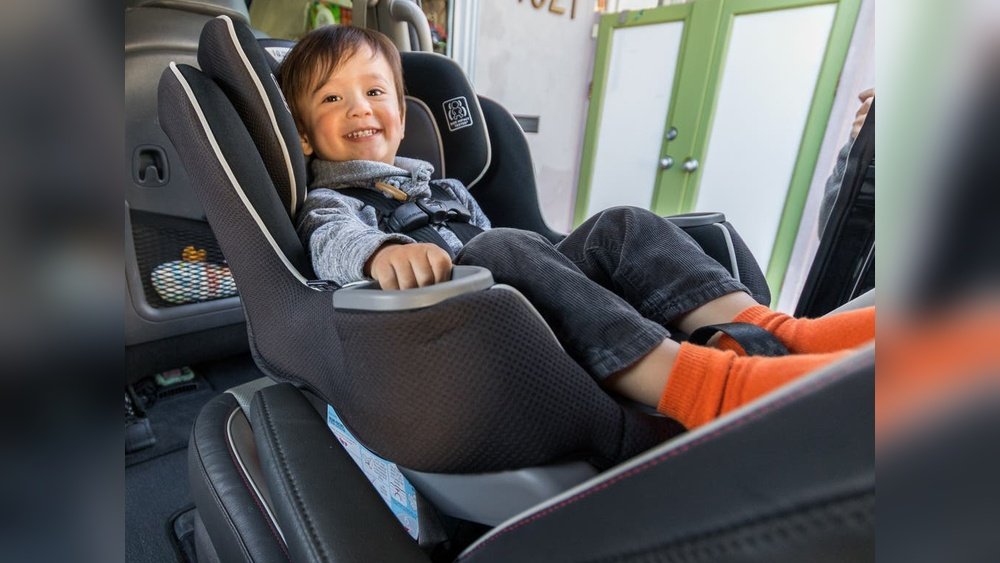
Convertible car seats work for toddlers and older children. They can face backward or forward. Use the rear-facing position for as long as possible. Switch to forward-facing when your child outgrows the infant seat limits. These seats last longer and save money. They offer good support and safety features.
Booster Seats
Booster seats are for children who outgrow convertible seats. They help position the car’s seat belt correctly. This is important for children usually between 4 and 12 years old. Use a booster until the seat belt fits properly without it. Make sure the child sits with back against the car seat and feet on the floor.

Credit: natemia.com
Vehicle Space And Seat Installation
Choosing the right number of car seats depends on your vehicle’s space and how seats fit inside. It is important to know your car’s capacity before buying multiple car seats. Proper installation keeps your children safe during every drive.
Car seats come in different sizes. Some fit better in small cars, others in large SUVs. Measuring your vehicle space helps avoid tight fits or unsafe setups. Planning seat placement ensures comfort for children and adults alike.
Measuring Car Seat Capacity
Start by checking your vehicle’s manual for seat width and space limits. Measure the width of your back seat from door to door. Take note of any center hump or armrests that reduce usable space. Count how many car seats can fit side by side without crowding.
Remember to leave room for proper seat belt or latch connections. Some car seats need extra space for installation. Measure seat depth and height too, for taller or bigger seats. This step prevents buying seats that won’t fit well.
Installation Tips
Install car seats tightly to avoid movement during travel. Press the seat firmly against the vehicle seat back. Use both hands to push and tighten straps or belts. Check the seat angle and adjust recline if possible.
Secure the harness straps snugly around your child. Keep the chest clip at armpit level. Test the seat by moving it side to side and front to back. If it moves more than one inch, adjust installation.
Using Seat Belts Vs. Latch
Vehicles have two main ways to install car seats: seat belts or LATCH. LATCH uses special anchors between seat cushions. It is often easier and quicker to use. Seat belts work in all vehicles but may need extra effort to tighten.
Check your car and car seat manuals for compatibility. Do not use both LATCH and seat belts at the same time unless allowed. Always use the method that secures the seat best. Safety is the top priority for every ride.
Special Considerations
Choosing the right number of car seats involves more than counting children. Special needs, travel plans, and family size can change what works best. These factors affect safety and convenience. Consider these special cases to find the right fit for your family.
Car Seats For Twins Or Multiples
Twins or multiples need more car seats than single children. Each child requires their own seat for safety. Space in your vehicle is important. Some cars fit three car seats across. Others may fit only two. Check your car’s manual for guidelines. Look for narrow car seats made for multiples. This helps fit all children safely in one row.
Travel And Car Seat Portability
Travel changes car seat needs. Portable car seats are lighter and easier to move. Some fold or come with travel bags. Airplane travel needs FAA-approved car seats. Portability helps when using taxis or rental cars. Choose seats that install quickly and securely. This saves time and stress during trips.
Car Seats For Special Needs
Children with special needs may need special car seats. Custom seats provide extra support and comfort. Some have extra padding or straps. Medical advice can guide the best choice. Special seats help children ride safely and comfortably. Always check for seats approved for special needs. Safety remains the top priority.
Credit: www.bambibaby.com
Legal Requirements And Recommendations
Knowing the legal requirements and recommendations for car seats is very important. These rules keep children safe during every trip. Different states have different laws about car seats. Following these rules protects your child and helps avoid fines. Understanding how long to use each car seat type also matters. Parents often make mistakes with car seats, so learning common errors can help keep children safer.
State Laws And Regulations
Each state has its own car seat laws. These laws say what type of seat a child must use. Age, weight, and height determine the right seat. Some states require rear-facing seats until age two. Others have specific rules for booster seats. Always check your state’s rules before buying a car seat. Police may stop drivers who do not follow these laws.
Recommended Car Seat Duration
Experts suggest using car seats for as long as possible. Rear-facing seats protect infants best and should be used until the child outgrows them. After that, switch to a forward-facing seat with a harness. Booster seats are next, used until the child is tall enough for a seat belt. Children usually stay in booster seats until they reach 4 feet 9 inches. Follow these steps to keep your child safe in the car.
Common Mistakes To Avoid
Many parents make simple mistakes with car seats. One is moving a child to the next seat too soon. Another is incorrect installation of the seat. Loose straps or seat belts reduce protection. Using expired or damaged car seats is risky. Always read the car seat manual carefully. Double-check the seat’s fit every time you drive. Avoid these errors to ensure your child’s safety.
Budgeting And Buying Tips
Buying car seats can get expensive fast. Planning your budget helps you buy smart. Knowing what to buy saves money and ensures safety. This section covers tips for budgeting and buying car seats.
New Vs. Used Car Seats
New car seats come with full safety guarantees. They have the latest safety features and no wear. Used seats cost less but need careful checking. Confirm they have no recalls or damage. Check the expiration date and history. Avoid seats from accidents or missing parts. Safety should always come first.
Brands And Quality
Choose brands known for safety and durability. Trusted brands often meet or exceed safety rules. Look for seats with good crash test ratings. Read simple reviews from other parents. Cheaper seats may lack important safety features. Investing in quality saves money over time.
When To Replace A Car Seat
Car seats expire after a few years. Check the manufacturer’s label for the date. Replace seats after any crash, even minor ones. Worn-out straps or padding mean it’s time to buy new. Always follow the car seat’s replacement guidelines. Safety is not worth risking.
Frequently Asked Questions
How Many Car Seats Are Needed For Twins?
You need two separate car seats for twins. Each child requires their own seat for safety. Using individual seats ensures proper restraint and comfort.
When Should I Switch Car Seats For My Child?
Switch when your child outgrows height or weight limits. Always follow manufacturer guidelines for safe transition. Proper fit ensures maximum protection during travel.
Can One Car Seat Be Used For Multiple Children?
No, each child must have a dedicated car seat. Sharing a seat compromises safety and is not allowed by law. Always provide individual seats for each child.
How To Choose The Right Number Of Car Seats?
Consider the number of children and vehicle seating capacity. Each child needs a properly installed car seat. Prioritize safety and legal requirements when deciding.
Conclusion
Choosing the right number of car seats keeps your child safe on every trip. Each child needs a seat that fits their age and size. Check your car’s space and the laws where you live. Safety matters most. Plan carefully, so every ride is secure and comfortable.
Simple steps help protect your little ones. Always double-check before you drive. Your child’s safety is worth the effort.
