

Have you ever wondered why your car seat has an expiration date? It might seem strange at first—after all, it’s just a seat, right?
But when it comes to your child’s safety, understanding why car seats expire is crucial. Using an expired car seat could put your little one at risk without you even realizing it. You’ll discover the key reasons behind car seat expiration and learn how to keep your child as safe as possible every time you hit the road.
Keep reading—your child’s safety depends on it.
Car Seat Lifespan
Car seats do not last forever. Every car seat has a lifespan that affects its safety. Over time, materials weaken and technology changes. Understanding how long a car seat is good helps keep children safe. Knowing the lifespan helps parents decide when to replace the seat.
Typical Expiration Period
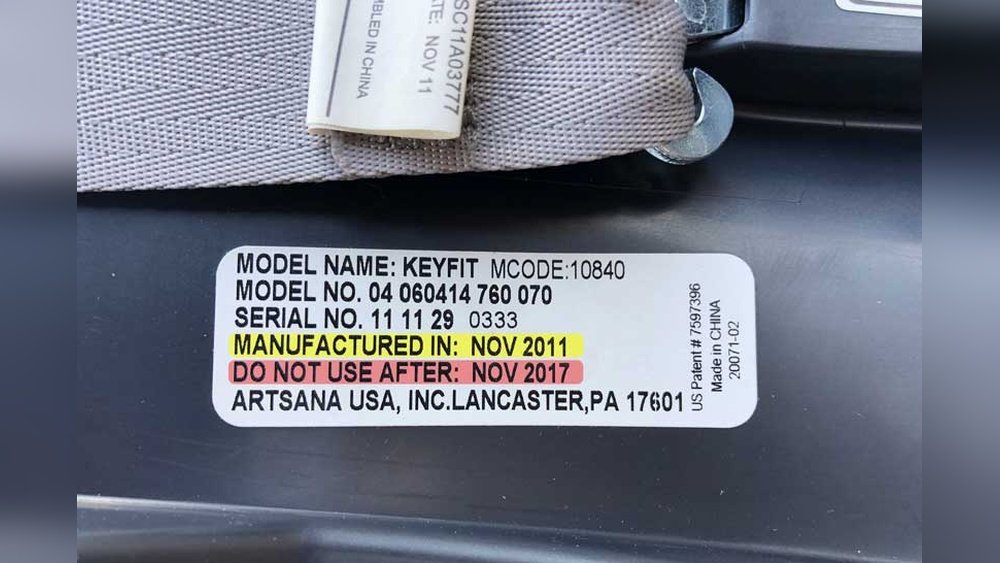
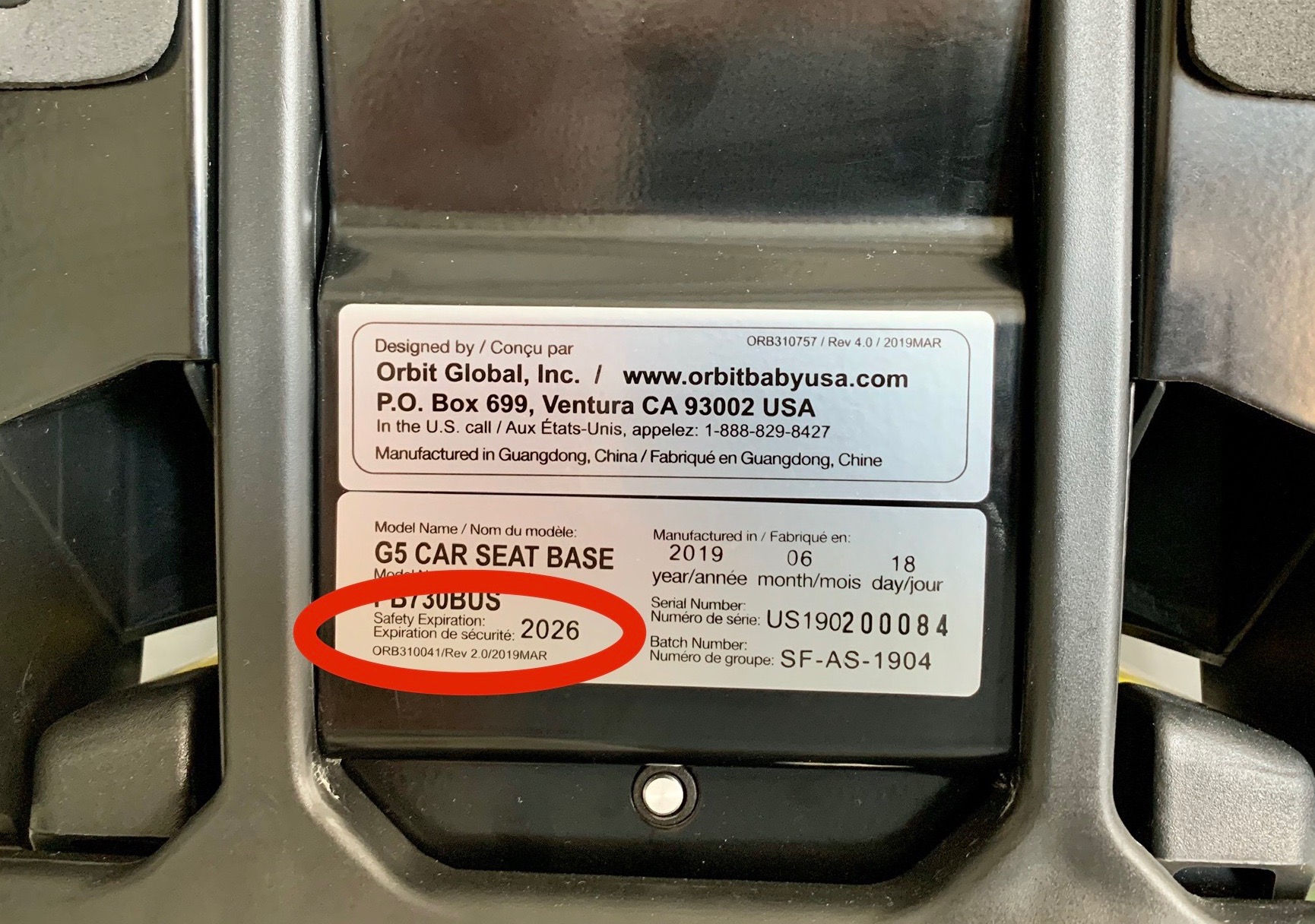
Most car seats last between six and ten years. The exact time depends on the brand and model. Manufacturers set expiration dates to ensure safety standards. Using a car seat past its expiration can be risky. The label on the seat usually shows the expiration date.
Materials And Wear Over Time
Plastic parts can weaken with heat and sunlight. Straps and buckles may wear out or lose strength. Padding can compress, making the seat less protective. Cracks or damage may not be easy to see. Regular checks can spot signs of wear or damage early.
Credit: support.orbitbabyusa.com
Safety Risks Of Expired Seats
Expired car seats pose serious safety risks for children. Over time, materials break down and parts wear out. These changes reduce the seat’s ability to protect a child in a crash. Understanding these risks helps caregivers keep children safer on the road.
Degraded Structural Integrity
Plastic and metal parts weaken with age. Sunlight, heat, and repeated use cause materials to crack or warp. These damages lower the seat’s strength. The frame may not hold a child firmly during impact. Weak parts can break, increasing injury risk.
Compromised Crash Protection
Expired seats may fail to absorb crash forces properly. Safety features like straps and padding lose effectiveness over time. Buckles might not latch securely. This reduces the seat’s ability to keep a child safe. In a crash, this can lead to serious harm.
Manufacturer Guidelines
Car seat manufacturers provide clear guidelines to ensure child safety. These rules help parents know when a seat is no longer safe to use. Every car seat has a limited life span. This is because materials wear out and safety standards improve over time.
Following the manufacturer’s instructions keeps your child protected. It also helps you avoid using a seat that might fail in a crash. Understanding these guidelines is key to safe travel.
Expiration Labels And Dates
Most car seats have an expiration date printed on a label. This label is often found on the back or bottom of the seat. The date shows when the seat should no longer be used.
Manufacturers set expiration dates based on tests and material durability. Plastic parts can weaken and foam padding can break down. Over time, this reduces the seat’s ability to protect your child.
Using a car seat past its expiration can be unsafe. Even if the seat looks fine, its safety may be compromised.
Recall And Safety Notices
Manufacturers also issue recalls and safety notices. These alerts inform parents about defects or safety problems. They often provide instructions for repair or replacement.
Following recall notices is part of the manufacturer’s safety guidelines. Ignoring these notices can put your child at risk.
Check for recalls regularly to keep your car seat safe. You can visit the manufacturer’s website or government safety sites for updates.
Environmental Factors
Environmental factors play a big role in why car seats expire. These factors cause materials to weaken over time. Car seats face tough conditions inside cars every day. Sunlight, heat, moisture, and temperature changes all affect safety and durability. Understanding these helps explain why car seats have a limited lifespan.
Impact Of Sunlight And Heat
Sunlight can cause the plastic parts of a car seat to become brittle. UV rays break down the materials, making them less strong. Heat inside a car can reach very high levels, speeding up this damage. Over time, the seat may crack or warp. This reduces its ability to protect a child in a crash.
Effects Of Moisture And Temperature Changes
Moisture can cause metal parts to rust. This weakens important components like buckles and frames. Temperature changes make materials expand and contract. This constant movement can cause seams to tear or padding to compress. These changes reduce the seat’s overall safety and comfort.
Signs A Car Seat Should Be Replaced
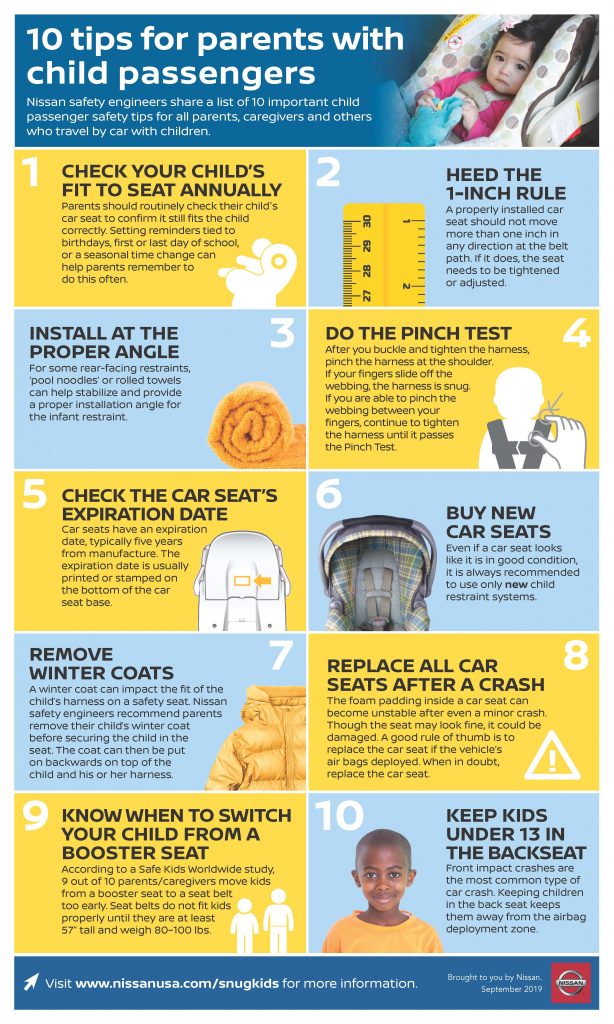
Knowing when a car seat should be replaced is very important for child safety. Car seats wear out over time and may no longer protect your child properly. Some clear signs show when it is time to get a new seat. Check these signs carefully to keep your child safe during every ride.
Visible Damage And Wear
Look closely at the car seat for cracks, tears, or broken parts. Plastic can weaken or crack after years of use. Straps may become frayed or lose their strength. Padding can become thin or misshapen. Any visible damage means the seat might not work well in a crash. Do not use a car seat with obvious wear.
History Of Accidents Or Misuse
Car seats involved in accidents should be replaced right away. Even if damage is not visible, the seat’s structure may be weakened. Using a car seat that has been in a crash puts your child at risk. Also, seats used incorrectly, like wrong installation or missing parts, may not protect well. Always replace a seat with a history of accidents or misuse.
Choosing A New Car Seat
Choosing a new car seat is very important for your child’s safety. Car seats have limits and expire after some years. Picking the right one helps protect your child during every trip. Focus on safety and durability when selecting a new car seat.
Certification And Safety Ratings
Check for safety certifications before buying a car seat. These show the seat meets strict safety rules. Look for labels from trusted agencies like the National Highway Traffic Safety Administration (NHTSA). Higher safety ratings mean better crash protection for your child.
Always pick car seats tested in real crash situations. This proves the seat performs well under stress. Avoid seats without clear safety approval. Your child’s life depends on these standards.
Features For Longevity And Safety
Choose car seats with strong materials and good design. Quality fabrics and sturdy frames last longer. Adjustable harnesses and headrests grow with your child. This extends the seat’s use and keeps your child comfortable.
Easy installation features reduce mistakes. A correctly installed seat protects better. Look for seats with clear instructions and installation aids. These details improve safety every time you use the seat.
Proper Maintenance Tips
Proper maintenance helps extend the life of a car seat. It keeps the seat safe and clean for your child. Taking care of the seat prevents damage that can cause it to expire early.
Following simple steps makes a big difference. Clean the seat carefully and store it correctly. These habits keep the seat in good shape for longer.
Cleaning Without Damage
Use a soft cloth or sponge for cleaning. Avoid harsh chemicals that weaken plastic parts. Mild soap and water work well for most stains. Remove covers and wash them by hand or machine on a gentle cycle. Let all parts air dry fully before putting them back. Dirt and spills can hide, so check all crevices. Regular cleaning prevents buildup that can harm the seat.
Safe Storage Practices
Store the car seat in a cool, dry place. Avoid direct sunlight to prevent plastic from fading or cracking. Keep it away from heat sources like heaters or radiators. Store the seat upright to keep its shape intact. Do not pile heavy items on top of the seat. Cover the seat with a cloth to protect it from dust. Proper storage stops wear and tear and extends the seat’s life.

Credit: www.specialtomato.com
Credit: www.passportnissanva.com
Frequently Asked Questions
Why Do Car Seats Have Expiration Dates?
Car seats expire due to material wear and safety standard updates. Over time, plastic weakens, reducing crash protection. Expiration ensures the seat meets current safety regulations and provides reliable protection for your child.
How Long Does A Car Seat Last?
Most car seats last between 6 to 10 years. The exact lifespan depends on the manufacturer and model. Always check the expiration date printed on the seat to ensure safety.
Can Expired Car Seats Still Be Used?
Using expired car seats is unsafe and not recommended. Expired seats may fail in crashes due to material degradation. Always replace a car seat once it reaches its expiration date.
What Happens If A Car Seat Is Expired?
Expired car seats lose structural integrity and safety features. They may not perform properly in an accident. Using an expired seat increases the risk of injury for your child.
Conclusion
Car seats expire to keep children safe on every ride. Materials weaken and parts may break over time. Using an expired seat can risk your child’s protection. Always check the expiration date before buying or using. Replace old seats to avoid hidden dangers.
Safety should never be compromised. Trust only current, tested car seats for your child’s journey. Simple steps can prevent serious accidents. Stay informed and keep your little ones secure every trip.
