

Have you ever noticed a date or sticker on your child’s car seat and wondered, “What does it mean when a car seat expires?” It’s a question every parent or caregiver should ask.
Your child’s safety depends on using a car seat that is not just properly installed but also up to date. An expired car seat might look fine, but hidden dangers could put your little one at risk. Keep reading to discover why car seats expire, how to spot an expired seat, and what you should do to protect your child on every ride.

Credit: www.chiccousa.com
Car Seat Lifespan
Car seats keep children safe during car rides. They protect kids in crashes and sudden stops. But car seats do not last forever. Every car seat has a lifespan. This means it expires after some time. Knowing the lifespan helps parents keep children safe.
Typical Expiration Period
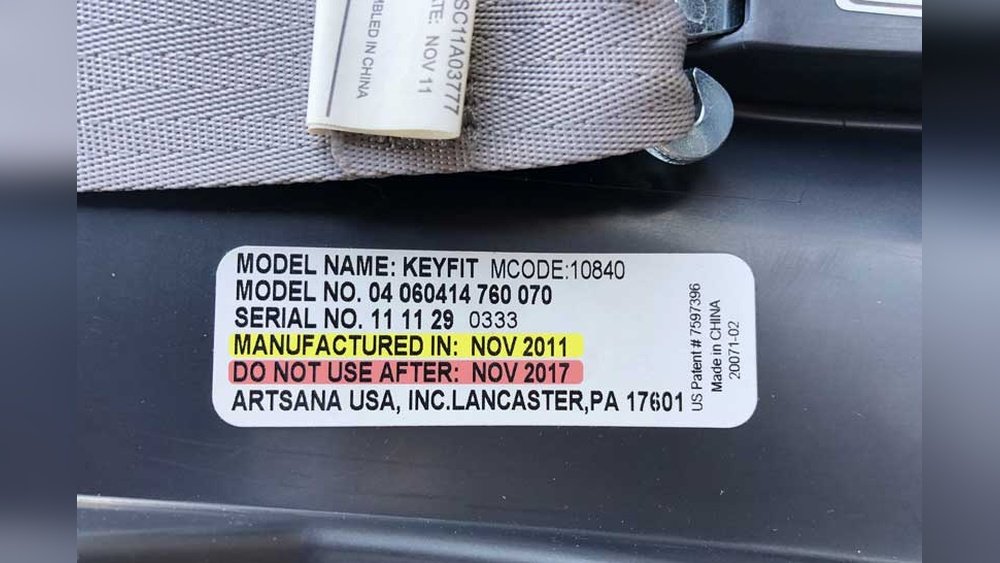
Most car seats expire after six to ten years. The exact time depends on the brand and model. The expiration date is usually on a sticker or molded into the plastic. Using a car seat past this date is unsafe. Parts can wear out or break over time. Expired seats may not protect children properly.
Factors Affecting Durability
Heat and sunlight can weaken car seat materials. Car seats left in hot cars may age faster. Crashes can damage the seat’s structure. Even small accidents can reduce safety. Regular cleaning with harsh chemicals can harm the fabric and padding. Proper care helps extend a car seat’s life, but never use a seat past its expiration date.
Safety Risks Of Expired Car Seats
Expired car seats pose serious safety risks to children. Over time, parts of the seat can weaken or break. This reduces the seat’s ability to protect a child during a crash. Using an expired car seat is not worth the risk. Understanding these dangers helps caregivers make safer choices.
Material Degradation
Plastic and foam parts break down over time. Sunlight and heat speed up this process. Cracks or weak spots may form without notice. This lowers the car seat’s strength and crash protection. Old straps may lose their tightness and fail to hold a child securely. Materials that look fine can still be unsafe inside.
Missing Safety Features
Car seat safety standards change regularly. Older seats may lack the latest safety technology. Features like side-impact protection or better harness designs might be missing. An expired seat may not meet current crash test rules. This increases the chance of injury in an accident. Newer seats offer improved protection for modern vehicles and crashes.
How To Find Expiration Dates
Finding the expiration date on a car seat is important for safety. Car seats have a limited life span due to wear and changing safety standards. Knowing how to find this date helps you avoid using an unsafe seat. The expiration date is usually easy to spot if you know where to look.
Check The Manufacturer Label
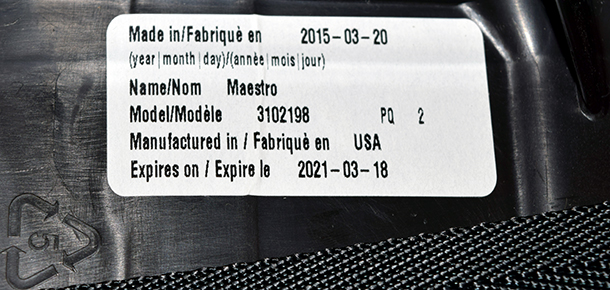
Start by looking for the manufacturer label. This label is often on the side or back of the car seat. It shows the brand, model number, and other important details. Most labels include the date of manufacture and the expiration date. The expiration date might be written as “EXP” or “Expires.”
If the expiration date is not on the label, check for the manufacture date. You can calculate the expiration based on the car seat’s typical life span.
Locate The Stamped Date
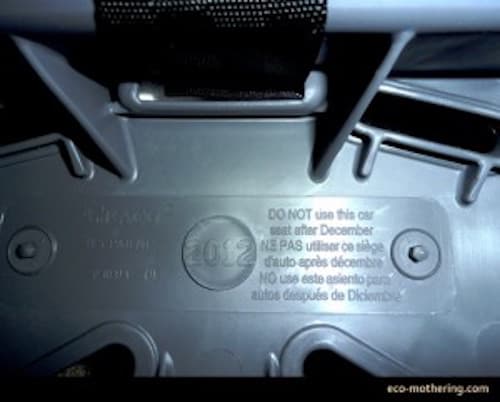
Some car seats have the expiration date stamped into the plastic shell. This mark is usually found on the bottom or back of the seat. It may be hard to see at first. Use a flashlight or move the seat to a bright place.
The stamped date often looks like a year or a code. Compare this date with the manufacturer’s guidelines to find the exact expiration. Always trust the date from the label or stamp over any guesswork.
Credit: www.shadetreegarage.com
Legal And Manufacturer Guidelines
Understanding legal and manufacturer guidelines is key to knowing why car seats expire. These rules protect your child’s safety. They ensure seats work properly over time. Both laws and maker advice guide parents on car seat use. Let’s explore these important points.
Regulations On Car Seat Use
Many countries have laws about car seat safety. These laws set rules for using car seats correctly. They often include expiration dates. Expired seats might not meet current safety standards. Using an old seat can lead to fines or penalties. Authorities want to keep children safe at all times. Following legal rules helps protect your child during travel.
Manufacturer Recommendations
Car seat makers give clear advice on expiration. They design seats with materials that wear out. Over time, parts like straps and foam weaken. Manufacturers set expiration dates to warn parents. Using seats past these dates risks failure in crashes. Instructions usually appear on a label or manual. Trusting manufacturer guidelines keeps your child safe in the car.
Signs You Should Replace Your Car Seat
Car seats protect children during travel. Knowing when to replace a car seat is very important. Signs appear that show the seat may no longer be safe. Watch for these signs to keep your child safe.
Visible Wear And Tear
Look for cracks, tears, or broken parts on the seat. Faded or frayed straps weaken the harness. Padding that is squished or missing reduces protection. These signs mean the seat may not work well in a crash. Replace the seat if you see these problems.
After An Accident
Even a small crash can damage a car seat. The seat may look fine but could have hidden damage. This damage can make the seat unsafe. Replace the car seat after any accident, no matter how minor it seems.
Credit: blog.cincinnatichildrens.org
Proper Disposal Of Expired Car Seats
Proper disposal of expired car seats is important for safety and the environment. Old car seats can have worn parts or broken materials. These issues make them unsafe for children. Throwing them away carelessly can harm the planet. Knowing how to dispose of them right helps keep everyone safe and protects nature.
Recycling Options
Many car seats have metal, plastic, and fabric parts. These materials can be recycled separately. Some local recycling centers accept car seats. Check with your city’s waste program for rules. Some stores or manufacturers offer take-back programs. They recycle or dispose of seats properly. Using these services reduces waste in landfills.
Safety Precautions For Disposal
Before disposal, remove all padding and straps. Cut the harness straps to prevent reuse. Remove the buckle and cover labels with a marker. This stops others from using expired seats. Place the car seat in the trash only if recycling is not available. Make sure it is safe to handle and dispose of. Proper disposal protects children and the environment.
Choosing A New Car Seat
Choosing a new car seat is important for your child’s safety and comfort. Expired car seats may not protect your child well. Picking the right seat helps keep your little one safe during every trip.
Safety Ratings To Consider
Check for high safety ratings before buying a car seat. Look for seats tested and approved by safety organizations. Seats with good crash test results offer better protection. Always choose a seat that meets current safety standards.
Features For Growing Children
Choose a car seat that grows with your child. Adjustable harnesses and headrests help keep the fit snug. Convertible seats can change from rear-facing to forward-facing. This saves money and ensures long-term use. Comfort features like padding make rides easier for kids.
Frequently Asked Questions
What Does Car Seat Expiration Mean?
Car seat expiration means the seat is no longer safe to use. Materials weaken over time. Manufacturers set expiration dates to ensure child safety.
How Long Do Car Seats Typically Last?
Most car seats last about 6 to 10 years. Check the label or manual for the exact expiration date. Using an expired seat can risk your child’s safety.
Why Do Car Seats Expire?
Car seats expire due to material degradation and outdated safety standards. Over time, plastic and straps weaken. Expiration ensures your seat meets current safety regulations.
Can Expired Car Seats Still Be Used Safely?
No, expired car seats should not be used. They may fail in a crash. Always replace seats after the expiration date to protect your child.
Conclusion
Car seats expire to keep children safe on every ride. Materials weaken over time and safety standards change. Using an expired seat can increase risk during crashes. Always check the car seat’s expiration date before use. Replace seats as needed to protect your child well.
Safety matters most when choosing or using a car seat. Stay informed and keep your child secure on the road.
