

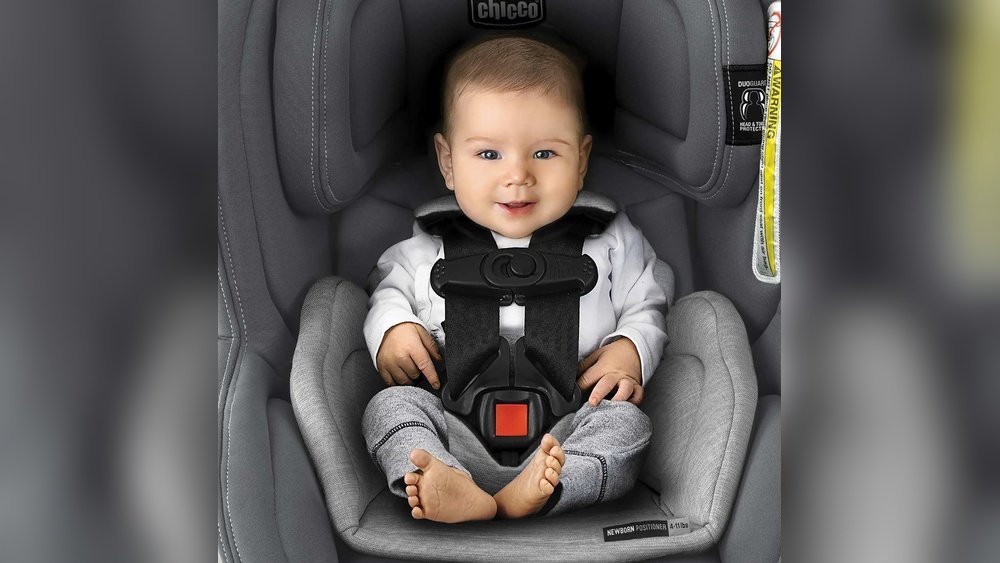
Choosing the right car seat for your child can feel overwhelming. You want something safe, comfortable, and practical.
That’s where a convertible car seat comes in. But what exactly is a convertible car seat, and why might it be the best option for your family? Keep reading, because understanding this one simple choice could make every ride safer and easier for you and your little one.
Convertible Car Seat Basics
Convertible car seats help keep children safe during car rides. They grow with your child and adjust to fit different ages. These seats can switch from rear-facing to forward-facing. This makes them useful for toddlers and older kids.
Choosing the right convertible car seat means understanding its types and features. Knowing these basics helps parents pick the best option. Safety and comfort matter most for every child.
Types Of Convertible Car Seats
There are several types of convertible car seats. Rear-facing only seats fit babies and small toddlers. Forward-facing only seats are for bigger kids. True convertible seats change from rear to forward-facing. Some models include booster seat options too. Each type fits different child sizes and needs.
Key Features To Know
Look for adjustable harnesses that grow with your child. Side-impact protection adds safety in crashes. Easy installation systems save time and reduce errors. Recline options keep children comfortable during long rides. Check the weight and height limits for each seat. These features ensure a secure and cozy ride.
Safety Standards And Ratings
Safety is the top priority for any convertible car seat. Parents need to trust the seat will protect their child in every ride. Safety standards and ratings help measure how well a car seat performs in real-world crashes. These tests and certifications ensure the seat meets strict safety rules.
Understanding these safety marks helps choose the best car seat. It shows the seat’s strength and reliability. Let’s explore key aspects of safety standards and ratings for convertible car seats.
Crash Test Results
Crash tests simulate real accidents to check car seat safety. Experts use dummies and special equipment to measure impact forces. These tests show how well the seat absorbs shock and keeps the child secure.
Seats that score high in crash tests offer better protection. They reduce the risk of injury during sudden stops or collisions. Checking crash test results helps parents pick safer options for their kids.
Safety Certifications
Safety certifications prove that a car seat meets official safety rules. These certifications come from government agencies and safety groups. Look for labels from organizations like the National Highway Traffic Safety Administration (NHTSA) or the Juvenile Products Manufacturers Association (JPMA).
Certified seats must pass strict tests for strength and durability. These marks assure parents the seat is reliable and safe. Choosing certified convertible car seats supports child safety on every trip.
Choosing The Right Seat
Choosing the right convertible car seat is important for your child’s safety. It ensures proper protection during every ride. This choice depends on several key factors. Understanding these helps pick the best seat for your child and vehicle.
Age And Weight Guidelines
Every convertible car seat has specific age and weight limits. These limits show when to switch from rear-facing to forward-facing. Rear-facing seats offer better support for infants and toddlers. Check the seat’s manual to confirm these guidelines. Following these rules keeps your child safe at all times.
Vehicle Compatibility
Not all car seats fit well in every vehicle. Some seats might be too big or hard to install. Measure your car’s back seat before buying. Look for seats with clear installation instructions. A good fit means the seat stays secure during travel. This reduces risks in case of sudden stops or accidents.

Credit: vicentetorns.com
Installation Tips
Installing a convertible car seat correctly keeps your child safe. Proper installation fits the seat tightly in the car. It also ensures the harness works well. Follow these tips for secure setup.
Rear-facing Setup
Place the seat facing the back of the car. Use the seat belt or LATCH system to secure it. Tighten the belt until the seat does not move more than an inch. Adjust the recline angle to keep your child’s head from falling forward. Check the car seat manual for the correct angle.
Forward-facing Setup
Turn the seat to face forward once your child outgrows the rear-facing limit. Attach the seat using the seat belt or LATCH. Use the top tether strap and hook it to the car’s anchor point. Tighten the straps to keep the seat stable. Make sure your child’s harness fits snugly.
Common Installation Mistakes
Do not install the seat loosely. Avoid using both seat belt and LATCH at the same time. Check that the harness straps are not twisted. Ensure the top tether is always fastened in forward-facing mode. Skip using second-hand car seats with unknown history. Follow instructions carefully to avoid these errors.
Comfort Features
Comfort is a key factor in choosing a convertible car seat. A seat that feels good keeps your child calm and happy during rides. Comfort features help support your child’s body and make the seat cozy for long trips.
These features focus on softness, support, and good air flow. They make the car seat a pleasant place for your child to sit and rest. Let’s explore the main comfort features found in many convertible car seats.
Padding And Support
Thick padding cushions your child’s body. It protects from bumps and adds softness. Side and head support keep your child’s head steady. This prevents tiredness and discomfort during travel. Good padding fits snugly but does not squeeze.
Adjustable Harness And Recline
An adjustable harness grows with your child. It keeps your child safe and snug. The recline feature changes the seat’s angle. It helps your child sit up or lie back comfortably. This is useful for naps or alert times.
Breathable Materials
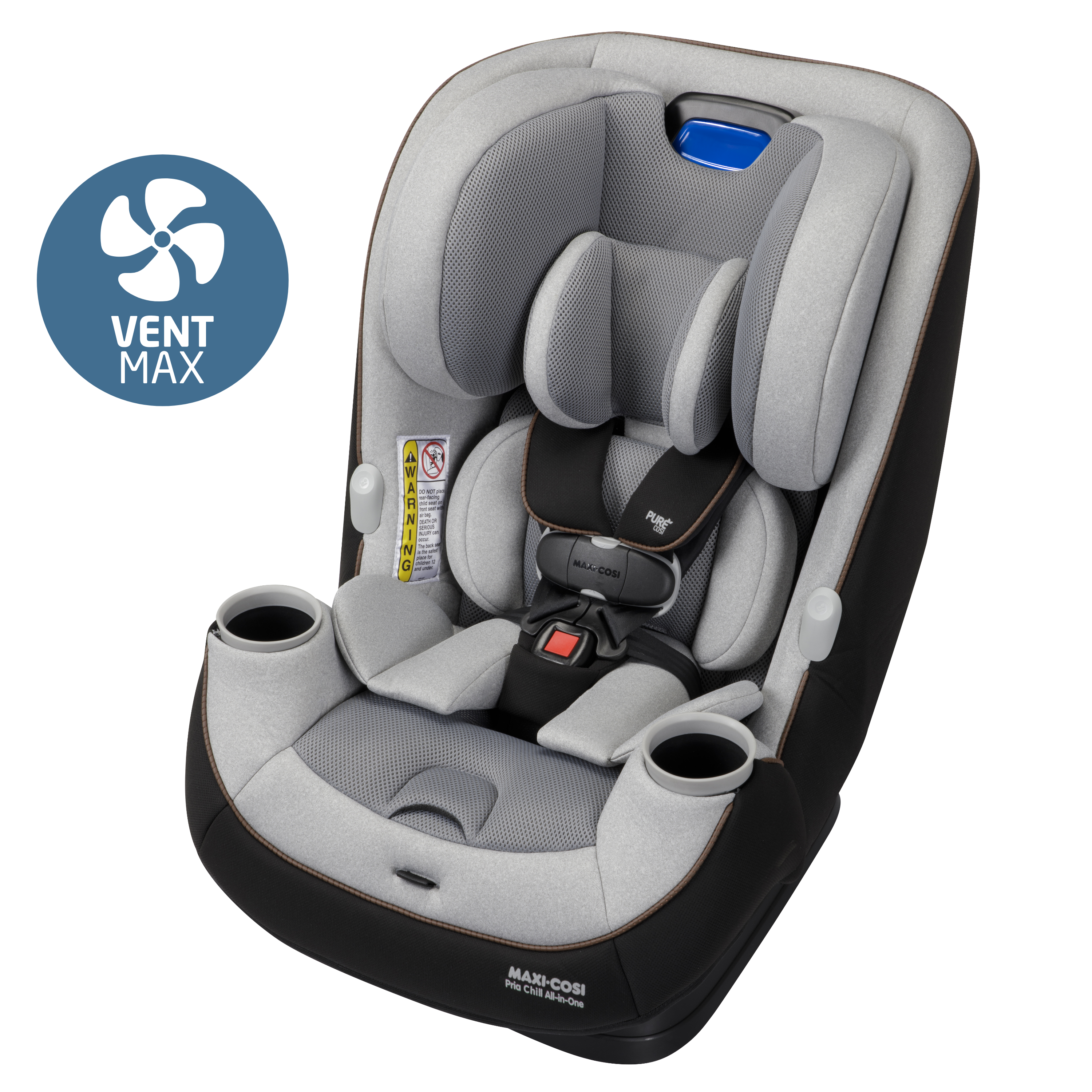
Breathable fabrics let air flow through the seat. They keep your child cool and dry. This reduces sweat and skin irritation. Soft mesh or cotton covers often provide better breathability. These materials improve comfort on warm days.
Credit: maxicosi.com
Maintenance And Cleaning
Keeping a convertible car seat clean and well-maintained is important for safety and comfort. Dirt, spills, and wear can affect the seat’s performance. Regular care helps the seat last longer and stay safe for your child. This section explains easy steps to clean and check your car seat.
Removing And Washing Covers
Start by removing the seat covers carefully. Check the car seat manual for instructions. Most covers can be machine washed on a gentle cycle. Use mild detergent to avoid damage. Air dry the covers to keep the fabric soft. Never use bleach or harsh chemicals. Clean covers make the seat fresh and comfortable.
Inspecting For Wear And Tear
Look closely at the car seat for any signs of damage. Check the straps for fraying or cuts. Examine the buckles to ensure they click properly. Make sure the plastic parts have no cracks or breaks. Replace any worn or broken parts immediately. Regular inspection keeps the car seat safe and reliable.
When To Transition Seats
Knowing when to switch your child from a rear-facing car seat to a convertible car seat is important for safety. The right time keeps your child secure and comfortable during travel. This section explains the signs that show your child is ready and the legal rules you must follow.
Signs Your Child Is Ready
Your child can move to a convertible car seat when they outgrow the rear-facing weight or height limit. Check the car seat manual for these numbers. Your child should also be able to sit up without help. If they seem cramped or their head is near the top of the seat, it is time to switch. Watch how your child behaves in the seat; fussiness may mean they need more space.
Legal Requirements
Each state has laws about car seat use. Most require children to stay rear-facing until at least age two or until reaching weight or height limits. After that, they can use a convertible car seat forward-facing with a harness. Follow your state’s rules to avoid fines and keep your child safe. Always check the latest laws before making the change.
Credit: www.target.com
Frequently Asked Questions
What Is A Convertible Car Seat?
A convertible car seat is designed to grow with your child. It converts from rear-facing for infants to forward-facing for toddlers. This flexibility enhances safety and convenience, making it a practical choice for parents.
When Should I Switch To A Convertible Car Seat?
Switch to a convertible car seat when your infant outgrows their rear-facing infant seat. Typically, this happens around 1 year old or when they exceed the weight limit of their infant seat.
How Long Can A Child Use A Convertible Car Seat?
Children can use a convertible car seat from infancy up to 65 pounds or more. This depends on the seat’s specific weight and height limits set by the manufacturer.
Are Convertible Car Seats Safer Than Infant Seats?
Convertible car seats are equally safe when used correctly. They provide extended rear-facing use, which is recommended for better protection during early years.
Conclusion
Convertible car seats offer safety and flexibility for growing children. They fit infants and toddlers comfortably in one seat. Parents save money by using one seat longer. Installation is usually simple and secure. Choosing the right seat helps protect your child on every trip.
Remember to check weight and height limits. Safety and comfort go hand in hand. A convertible car seat is a smart choice for most families. Keep your child safe with the right seat today.
