

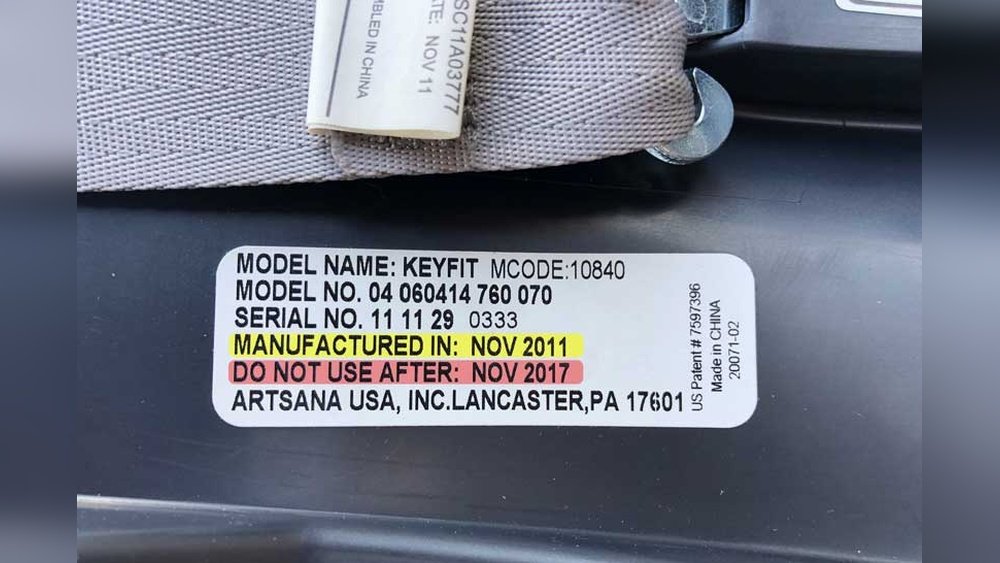
You want to keep your child safe every time they ride in the car. But did you know that car seats don’t last forever?
Using an expired car seat can put your little one at risk. That’s why it’s important to know exactly where to find the expiration date on your car seat. You’ll discover the simple steps to quickly locate that date, so you can make sure your child’s seat is still safe and reliable.
Keep reading to protect what matters most—your child’s safety.
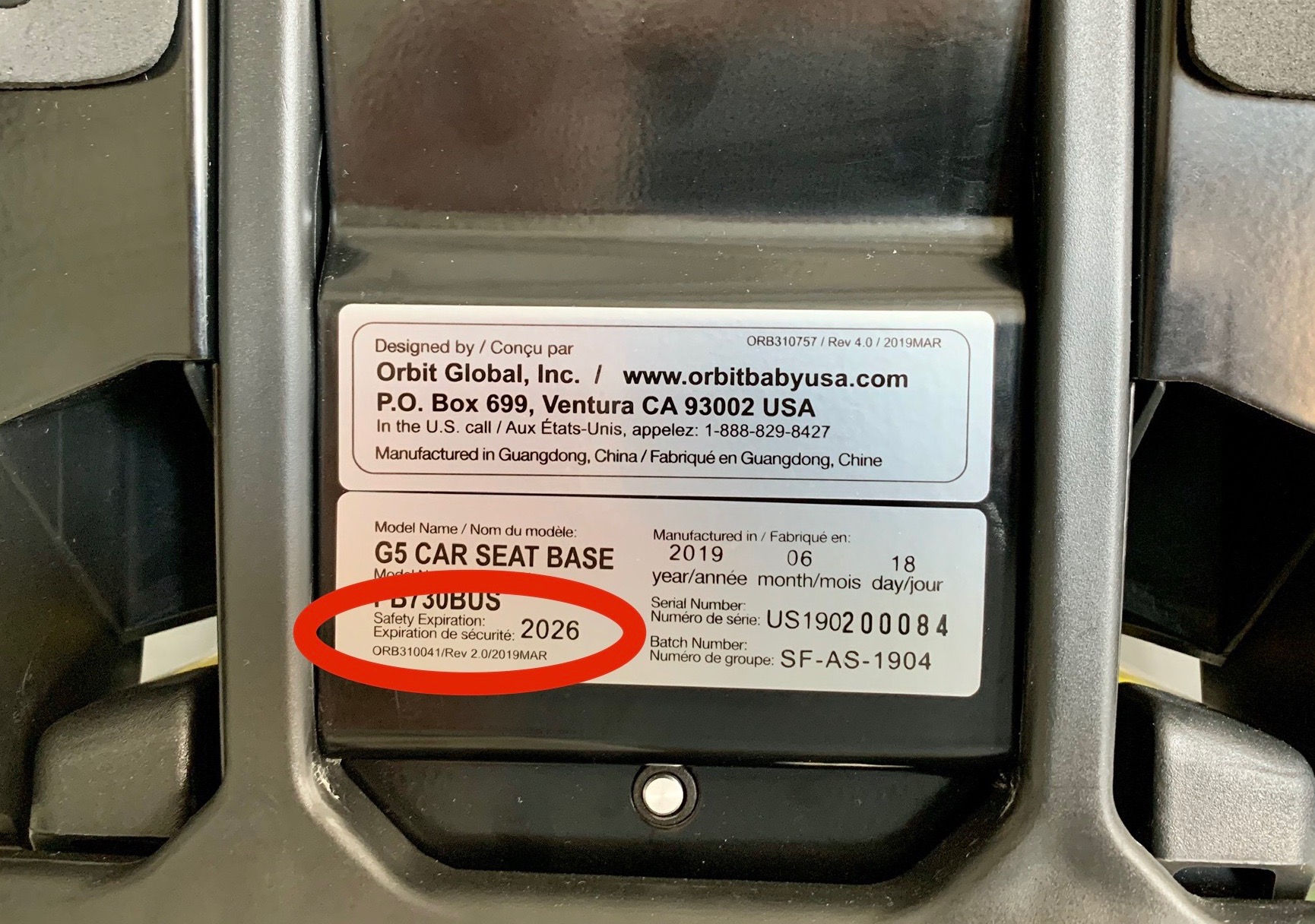
Credit: support.orbitbabyusa.com
Why Car Seat Expiration Matters
Car seat expiration matters for child safety. Over time, car seats can wear out and lose strength. Materials may weaken, reducing protection in crashes. Using an expired car seat risks your child’s safety.
Manufacturers set expiration dates based on tests and safety standards. These dates ensure the seat works well during impact. After expiration, parts may break or fail. The seat may no longer meet safety rules.
Expired car seats might not fit new car models. Safety features change with new designs and laws. An old seat may lack important updates. Using a current car seat helps keep your child safer.
Plastic And Material Degradation
Plastic parts in car seats break down over time. Heat, sunlight, and chemicals speed this process. Cracks or brittleness can form unnoticed. These weaken the seat’s structure and protection.
Safety Standards And Regulations
Safety rules improve regularly to protect children better. Car seats must meet current standards. Expired seats may not follow new laws. Using updated seats ensures compliance and safety.
Recall And Warranty Limits
Expired seats often lose warranty protection. Manufacturers may not fix or replace old seats. Recalls may not cover expired models. Using current seats helps avoid these problems.
Common Expiration Locations
Finding the expiration date on a car seat is important for safety. Car seats do not last forever. They wear out and may not protect your child properly after the expiration date. The expiration date helps you know when to replace the seat.
The expiration date is usually in a few common places. Knowing these spots makes it easier to find the date quickly. Here are the usual locations where car seat makers put the expiration date.
On The Seat Shell
The most common spot is on the car seat shell. Look on the back or bottom of the seat. The date is often molded into the plastic. It may be a number or a full date. Check carefully for small or raised letters.
On The Label Or Sticker
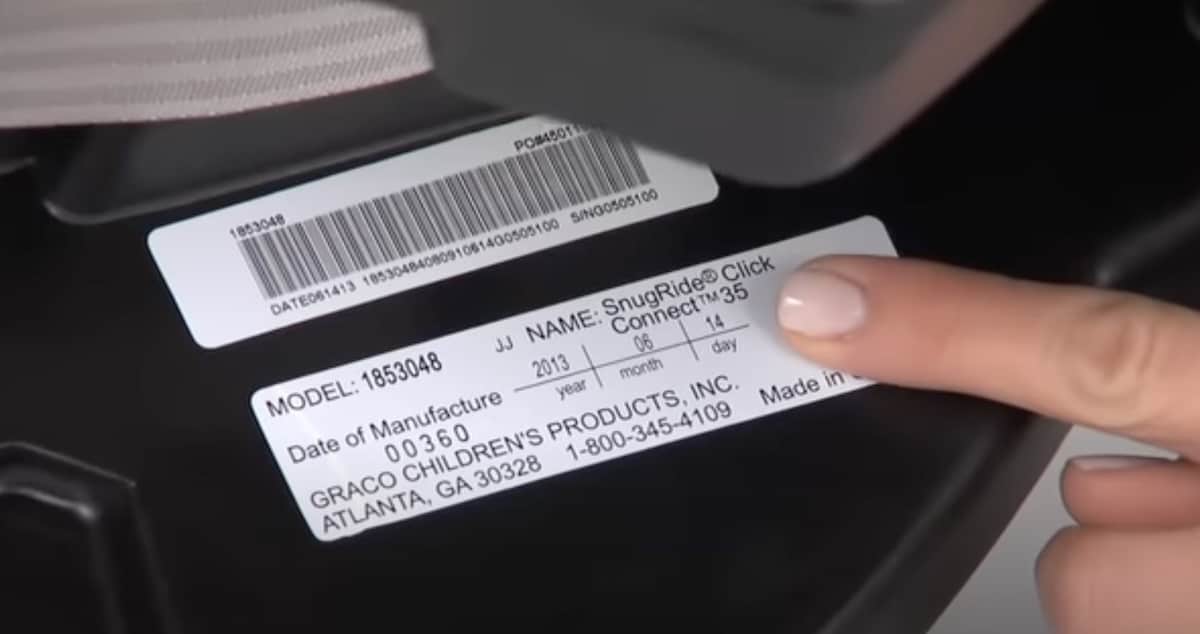
Many car seats have a label or sticker with important info. The expiration date can be printed there. This label is usually on the side or back of the seat. The sticker also shows the model number and manufacturing date.
In The Manual
The car seat manual has detailed information. The expiration date or lifespan of the seat is listed inside. If you keep the manual, check it for the exact date. The manual also explains why the date matters for safety.
How To Read The Expiration Date
Reading the expiration date on a car seat is important for safety. Knowing how to find and understand this date helps you use the seat correctly. Expired car seats can lose their strength and may not protect your child well. The date is usually stamped or printed on a label, but it can look different depending on the brand. Learning to read it clearly ensures you use the seat safely.
Date Formats To Expect
Car seat expiration dates often follow common date formats. You might see the date written as MM/DD/YYYY or MM-YY. For example, 08/25/2025 means August 25, 2025. Some seats show only the month and year, like 08/25, meaning August 2025. The date can be on a sticker or embossed in the plastic. Always check the seat carefully for these details.
Decoding Manufacturer Codes
Some car seats use codes instead of clear dates. These can be letters and numbers that stand for the manufacturing date. A code might look like “A1123” or “072021.” The first digits often show the month and year. For example, 072021 means July 2021. Use the manufacturer’s guide or website to decode these codes. This step helps confirm the exact expiration date.
Credit: consumercare.coscokids.com
What To Do If You Can’t Find The Date
Sometimes, the expiration date on a car seat is hard to find. The label might be worn out or missing. This can make it tricky to know if the seat is still safe to use. There are ways to find the date even if it is not visible on the seat.
Contacting The Manufacturer
Reach out to the car seat maker directly. They keep records of all their products and can help. You will need the model number and the serial number. These are usually on a sticker or molded into the seat. The manufacturer can tell you the exact expiration date. They may also offer advice on safety and recalls.
Using Online Resources
Many websites list car seat expiration dates by brand and model. Enter the model and serial numbers to check. Some sites have guides to help identify the date from codes. This method is fast and easy if you have the correct information. Online forums also share tips on finding hard-to-see dates.
Signs Your Car Seat May Be Expired
Car seats have a safety life span. Knowing the signs of expiration helps keep your child safe. Expired car seats may fail during accidents. Always check for signs that your car seat may be expired. This protects your child and gives peace of mind.
Check The Manufacturing Date
The manufacturing date is often near the expiration date. It is usually on a sticker or molded into the plastic. Car seats expire after six to ten years from this date. If the seat is older than this, it may be expired.
Look For Cracks Or Damage
Plastic cracks or broken parts are warning signs. Damage weakens the car seat’s protection. Even small cracks can make the seat unsafe. Inspect the seat carefully for any visible damage.
Faded Or Missing Labels
Labels with safety information may fade over time. If the label with the expiration date is missing, the seat might be expired. Without this label, it’s hard to know the seat’s age or safety status.
Recall Notices
Check if the car seat model has been recalled. Recalls often happen due to safety issues. Using a recalled seat can be dangerous. Contact the manufacturer or visit their website for updates.
Unusual Wear And Tear
Worn straps, buckles, or padding show the seat is old. These parts lose strength over time. They might not hold your child securely during a crash. Replace the seat if these signs appear.
Credit: southernmaineonthecheap.com
Safety Risks Of Using Expired Car Seats
Car seats keep children safe during travel. Using an expired car seat can put your child at risk. Over time, materials weaken and parts may break. Safety standards also improve, making older seats less effective. Understanding these risks helps protect your child.
Material Degradation Over Time
Plastic and foam parts wear down after years of use. These materials lose strength and can crack or break. A weakened seat cannot absorb impact well. This increases the chance of injury in a crash.
Outdated Safety Standards
Car seat rules change to improve child safety. Older seats may not meet current crash test rules. Using an expired seat means missing new safety features. This lowers the level of protection for your child.
Missing Or Broken Parts
Small parts may loosen or disappear with age. Straps, buckles, and harnesses can fail during an accident. Expired seats are more likely to have damaged components. This can stop the seat from working properly.
Recall And Manufacturer Support
Manufacturers stop supporting old car seats after expiration. You cannot get replacement parts or fixes. Expired seats may have unresolved safety recalls. This leaves risks unaddressed and unsafe for use.
Frequently Asked Questions
Where Is The Expiration Date Located On A Car Seat?
The expiration date is usually on a sticker or molded into the car seat’s plastic shell. Look near the base or back.
Why Is The Car Seat Expiration Date Important?
Car seats expire to ensure safety. Materials degrade over time, reducing protection during a crash.
How Long Is A Typical Car Seat’s Lifespan?
Most car seats expire after 6 to 10 years from the manufacture date. Check your model for specifics.
Can I Use A Car Seat After Its Expiration Date?
No, using an expired car seat is unsafe. It may not meet current safety standards.
Conclusion
Finding the expiration date on a car seat keeps your child safe. Usually, it’s on a label or molded into the plastic. Check the seat often to avoid using expired seats. Using a seat past its date can be risky.
Always follow the car seat manual for guidance. Staying aware helps protect your child every time you drive. Don’t guess—confirm the date before each use. Safety starts with knowing your car seat’s lifespan.
