

You want to keep your child safe every time they get in the car. But do you know the right time to put a car seat in?
It’s not just about having one—it’s about using it correctly and at the right moment. Making the wrong move can put your little one at risk. You’ll discover exactly when and how to use a car seat to protect your child.
Keep reading to learn the simple steps that can make a big difference in your child’s safety on the road.
Choosing The Right Car Seat
Choosing the right car seat is important for your child’s safety. The correct seat fits your child’s size and age. It also matches your vehicle and your lifestyle. A good car seat protects your child in every ride.
Types Of Car Seats
There are three main types of car seats. Rear-facing seats are for infants and small toddlers. They provide the best protection for young children. Forward-facing seats fit older toddlers and preschoolers. Booster seats are for older kids who outgrow forward-facing seats. Each type has a specific purpose and safety level.
Age And Weight Guidelines
Car seat choice depends on your child’s age and weight. Infants usually need rear-facing seats until at least 2 years old. Toddlers move to forward-facing seats after they outgrow rear-facing limits. Booster seats come next, for kids who weigh at least 40 pounds. Following these guidelines helps keep your child safe and comfortable.
Credit: www.inspirahealthnetwork.org
Rear-facing Seats Timing
Rear-facing car seats offer the best protection for young children. Experts recommend keeping children rear-facing as long as possible. This is because the design supports the head, neck, and spine during a crash. Many parents wonder how long their child should stay rear-facing. Guidelines suggest following the car seat’s height and weight limits. Most children can remain rear-facing until they are at least two years old. Some seats allow children to stay rear-facing even longer. Check your car seat manual for exact details. Safety is the top priority when deciding the right time to switch.
Benefits Of Rear-facing Seats
Rear-facing seats protect the child’s head and neck better. In a crash, the seat absorbs the force and spreads it across the body. This reduces injury risk significantly. Babies and toddlers have weak neck muscles. The rear-facing position supports their fragile spines well. Studies show children rear-facing longer have fewer serious injuries. The seat’s shell acts like a shield in accidents. It also keeps the child safer in side impacts. This simple step can save lives and prevent serious harm.
When To Transition Forward
Switch to a forward-facing seat only after reaching limits. Check the height and weight limits on the car seat label. Most children transition after age two or more. Some children stay rear-facing until age four or five. Moving too early increases injury risks in crashes. The child must sit upright and follow the car seat’s rules. The forward-facing seat uses a harness to secure the child. Always wait until your child outgrows the rear-facing seat. Safety depends on following the car seat guidelines carefully.
Forward-facing Seats Timing
Knowing the right time to switch your child to a forward-facing car seat is important. Forward-facing seats offer more freedom but require careful attention to safety rules. Parents must follow clear guidelines about age, size, and how to use the harness correctly. This ensures the child stays safe and comfortable during every trip.
Age And Size Requirements
Children should stay in rear-facing seats until at least 2 years old. Many experts suggest waiting longer if the child fits the rear-facing seat limits. Forward-facing seats are designed for kids over 2 years. They also must meet height and weight rules set by the car seat maker. Always check the manual before moving your child forward-facing. Meeting these requirements helps protect the child’s head and neck in a crash.
Using Harnesses Correctly
The harness keeps the child secure in the forward-facing seat. Straps should lie flat without twists and fit snugly on the child. The chest clip must be at armpit level to hold straps in place. Adjust harness height so straps come through the right slots, usually at or above the shoulders. Tighten straps until you cannot pinch any slack. Proper harness use reduces injury risk and keeps your child safe.
Credit: www.healthychildren.org
Booster Seat Use
Booster seats help children use car seat belts safely. They lift kids so the seat belt fits their body properly. Using a booster seat reduces injury risk in a crash. Knowing when and how to use booster seats keeps kids safe on the road.
When To Start Using Booster Seats
Start using a booster seat after your child outgrows their forward-facing car seat. Usually, this happens when your child weighs 40 to 65 pounds. Most children switch to booster seats between ages 4 and 7. Check your state’s rules for exact weight and height limits. Never move your child to a seat belt alone before they are ready.
Proper Booster Seat Positioning
Place the booster seat on the car’s back seat only. The seat belt should lie across the child’s chest and shoulder. The lap belt must fit low on the hips, not the stomach. Make sure the child sits all the way back in the seat. The booster seat should not move more than one inch side to side.
Seat Belt Safety
Seat belt safety is a key part of child car safety. Using the right restraint helps protect your child in a crash. Car seats keep little ones secure. As children grow, switching to seat belts becomes necessary. This change must be done carefully to ensure safety.
Knowing when to move from a car seat to seat belts is important. Seat belts work best when they fit properly. A poor fit can cause injury in an accident. Parents must check both the timing and fit for safe travel.
When To Switch To Seat Belts
Children should use car seats until they reach the height or weight limit. These limits vary by seat model. Usually, kids switch to seat belts between 8 and 12 years old. The child must sit without a booster seat first. They should be able to sit all the way back. The lap belt must lie low on the hips. The shoulder belt should cross the chest and shoulder. If these fit rules are not met, keep using a booster or car seat.
Ensuring Proper Fit
Proper seat belt fit is vital for safety. The lap belt must rest across the upper thighs, not the stomach. The shoulder belt should lie flat across the chest, not the neck or face. The child should sit straight and close to the seat back. Slouching or leaning can reduce belt effectiveness. Always check the belt snugness. Loose belts increase injury risk. Teach your child to sit correctly and still during the ride. This helps the seat belt work as it should.
Common Mistakes To Avoid
Using a car seat correctly keeps your child safe. Many parents make common mistakes that reduce this safety. Avoiding these errors helps protect your little one during every ride.
Installing Car Seats Incorrectly
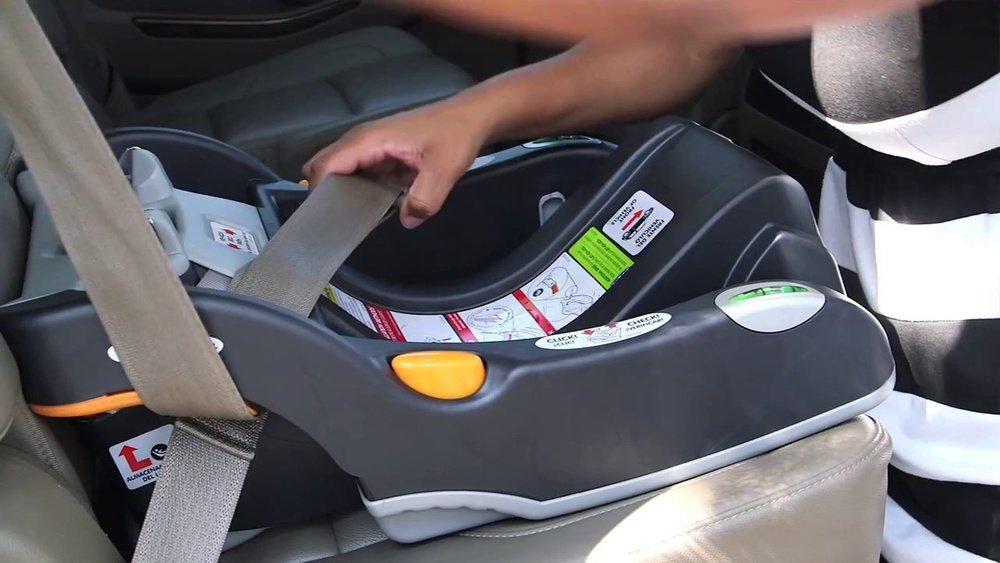
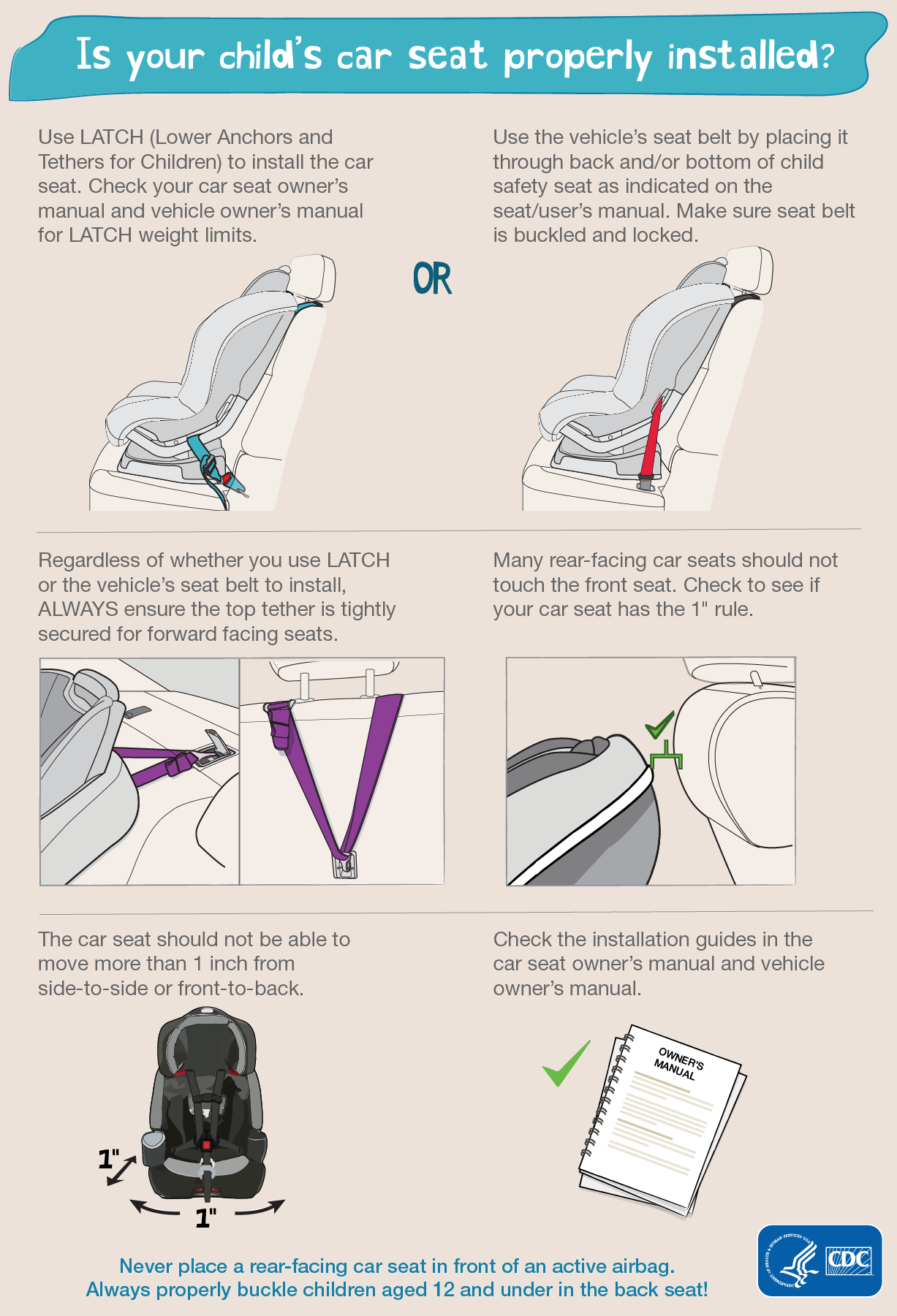
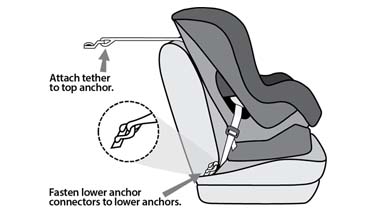
Many car seats are not installed tightly enough. A loose seat moves too much in a crash. Some parents place the seat at the wrong angle. This can make the baby uncomfortable or unsafe. Always follow the car seat manual carefully. Check the seat after installation to ensure it doesn’t shift more than one inch. Use either the seat belt or LATCH system, not both.
Ignoring Weight And Height Limits
Car seats have clear limits for weight and height. These limits keep children safe and comfortable. Using a seat beyond its limits is risky. It may not protect the child properly in a crash. Many parents switch seats too early or too late. Keep your child in each seat stage as long as possible. Check the labels on the car seat for correct limits. Adjust the harness and straps as your child grows.
Legal Requirements And Recommendations
Knowing the legal rules and safety advice for car seats is very important. These rules protect children during travel. They tell parents when and how to use car seats correctly. Understanding these helps keep your child safe on the road.
State Laws On Car Seat Use
Each state has its own rules about car seat use. These laws say which car seat to use by age, weight, and height. Some states require children to use rear-facing seats for a certain time. Others set limits for booster seats before using seat belts. Breaking these laws can lead to fines and risks to child safety.
National Safety Guidelines
National groups provide advice to keep children safe in cars. They recommend using rear-facing seats for toddlers as long as possible. Forward-facing seats come next, followed by booster seats. Seat belts should only be used when the child fits them properly. Following these guidelines helps reduce injuries in accidents.
Tips For Safe Car Seat Use
Using a car seat properly keeps children safe during every trip. Parents must follow key tips to ensure correct use. Small habits make a big difference in safety. This section shares important advice for safe car seat use.
Regular Checks And Maintenance
Check the car seat before every ride. Look for cracks, loose parts, or worn straps. Clean the seat regularly with mild soap and water. Avoid harsh chemicals that can damage materials. Make sure the harness fits snugly around the child. Replace the car seat after any accident, even minor ones. Follow the manufacturer’s instructions for installation and care. Regular checks help keep the seat in good condition.
Traveling With Car Seats
Secure the car seat properly during travel. Use a seat belt or LATCH system to lock the seat. Avoid moving the seat around while driving. Bring the car seat manual for reference. Pack a small bag with extra straps or tools. Plan breaks to check the seat and child’s comfort. Keep the car seat in a safe place when not in use. Proper travel habits protect children on the road.
:max_bytes(150000):strip_icc()/shutterstock_726356764-fd4f211d031b44fb90057a321f7428b8.jpg)
Credit: www.parents.com
Frequently Asked Questions
When Should I Switch From Rear-facing To Forward-facing Car Seat?
Switch to a forward-facing car seat when your child reaches the maximum rear-facing weight or height limit. Most experts recommend keeping children rear-facing until at least age 2 for better safety.
How Long Can My Baby Stay In A Rear-facing Car Seat?
Babies can stay rear-facing until they outgrow the car seat’s rear-facing limits. This usually lasts until they are 2 to 4 years old, depending on the seat’s specifications.
When Is It Safe To Use A Booster Seat?
Use a booster seat when your child outgrows the forward-facing seat with a harness. Typically, this happens between ages 4 and 8, when they weigh 40 to 80 pounds.
At What Age Can My Child Use A Seat Belt Alone?
Children can use a seat belt alone when they are at least 4 feet 9 inches tall and 8 to 12 years old. The seat belt must fit properly across the shoulder and lap.
Conclusion
Choosing the right time to put a car seat is very important. Always follow the car seat’s instructions and local laws. Use a rear-facing seat for babies as long as possible. Switch to a forward-facing seat when your child grows.
Make sure the seat fits your child’s size and weight. Check the seat’s installation often to keep it safe. Safety comes first. Keep your child secure on every trip.
