

Have you ever wondered if your child’s car seat is still safe to use? Knowing how to check your car seat’s expiration date is crucial for your child’s safety on every ride.
Using an expired car seat can put your little one at risk without you even realizing it. You’ll learn simple steps to find the expiration date and why it matters more than you might think. Keep reading to protect your child and drive with confidence every time.
Credit: consumercare.coscokids.com
Why Car Seats Expire
Car seats have a limited lifespan. They do not last forever. Understanding why car seats expire helps keep children safe. Expired seats might fail in crashes. Knowing the reasons can guide parents and caregivers to replace seats timely.
Material Wear And Tear
Car seats face daily use and stress. Over time, the materials weaken. Straps can fray and plastics can crack. These changes reduce the seat’s strength and protection. Old materials may break more easily in an accident.
Safety Standards Updates
Safety rules improve as new research comes out. Car seat designs change to meet higher standards. Older seats might miss key safety features. Using a seat that meets current rules offers better protection. Expired seats often do not follow new safety laws.
Manufacturer Recommendations
Car seat makers set expiration dates for a reason. They test how long seats stay safe. The expiration date tells users when the seat may no longer protect well. Following these guidelines helps avoid risks of old, unsafe seats. It is best to trust the manufacturer’s advice.
Where To Find The Expiration Date
Finding the expiration date on a car seat is important for safety. Car seats do not last forever. The materials can wear out or become unsafe over time. Manufacturers put the expiration date on the seat to help parents know when to replace it. This date is usually easy to find if you know where to look.
Labels And Stickers
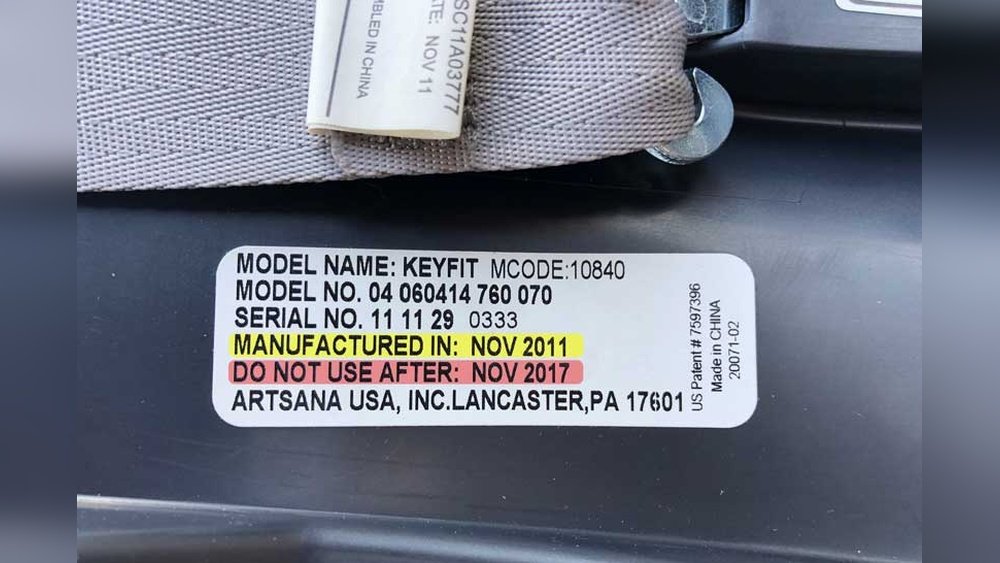
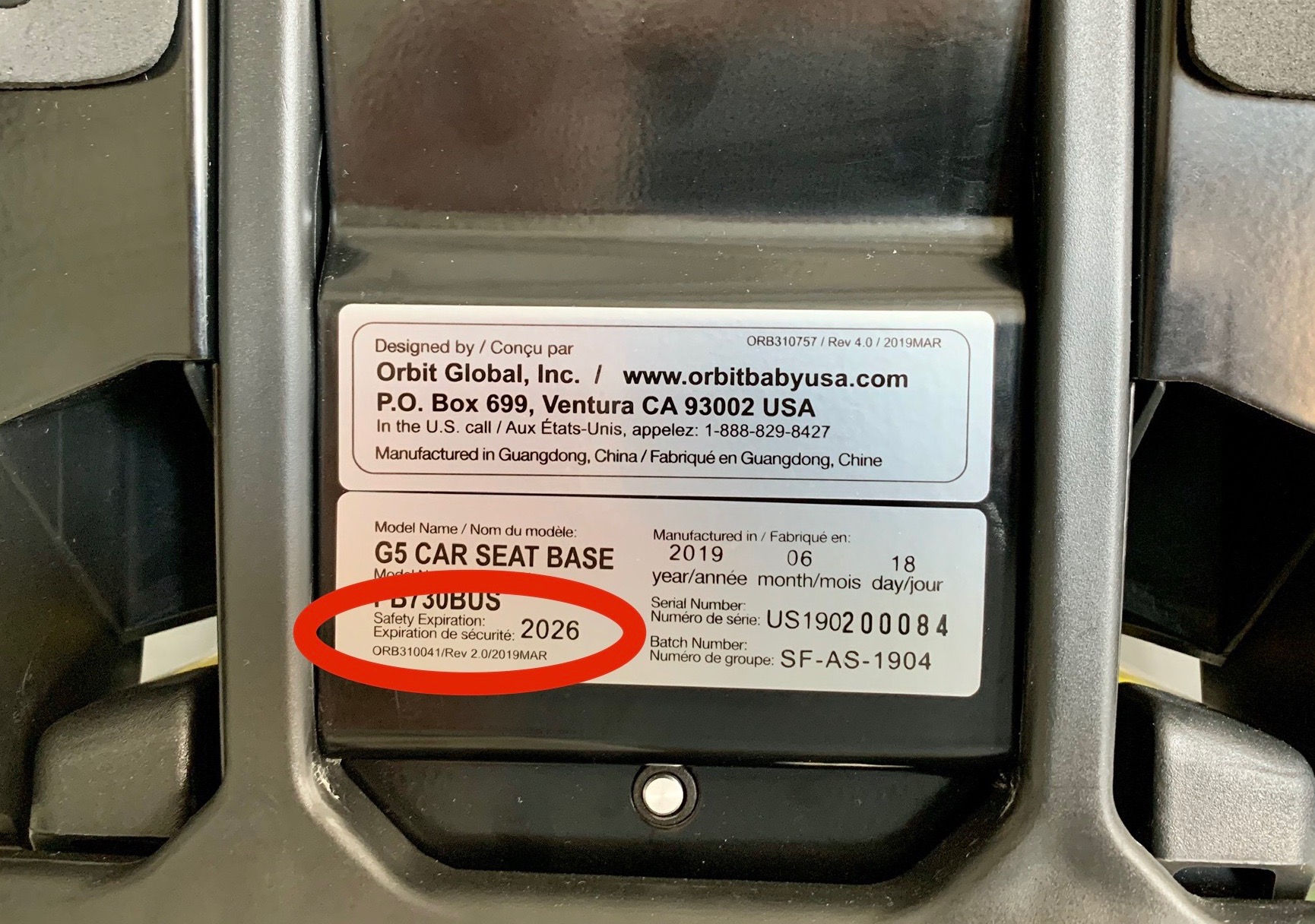
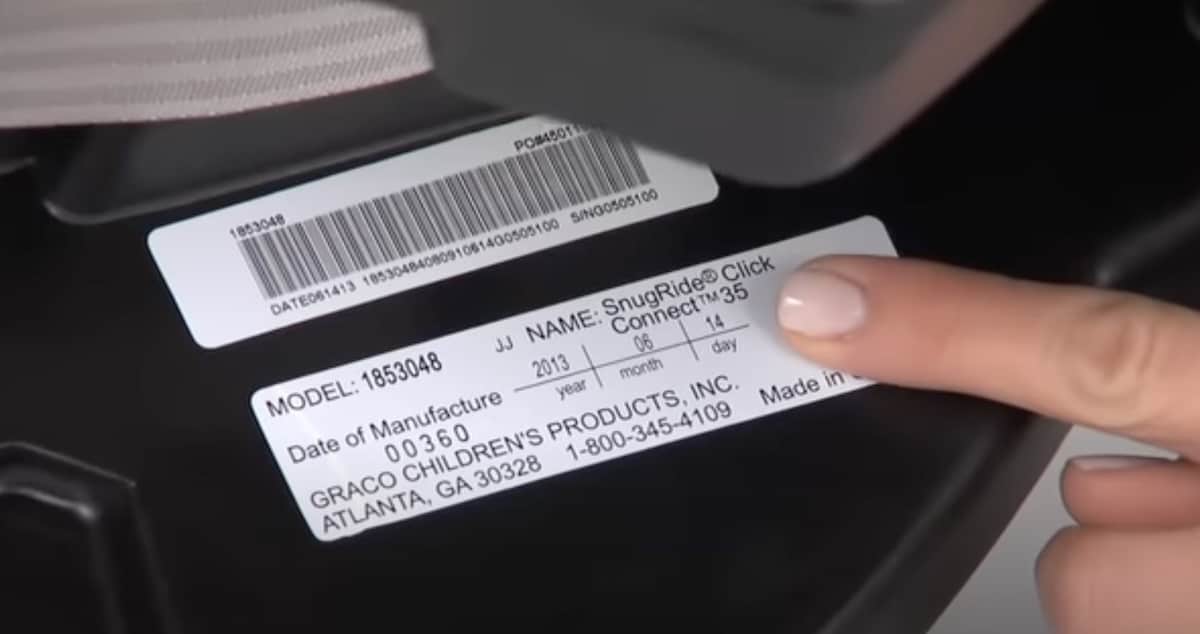
Most car seats have a label or sticker with the expiration date. This label is often on the back or bottom of the seat. Check near the metal parts or where the fabric meets the plastic. The label might say “Expiration Date” or “Use By” followed by a date. Sometimes the date is printed as a month and year.
Stamped Information
Some car seats have the expiration date stamped into the plastic. Look for a small set of numbers or letters molded into the seat’s frame. This is often near the base or on the side. The date might be hard to see, so use a flashlight if needed. The stamp usually shows the month and year of expiration.
User Manual Details
The car seat’s user manual always has expiration information. It explains where to find the date on the seat. The manual also tells how long the seat lasts after the manufacture date. Keep the manual safe or download a copy online. The manual helps you understand when to stop using the car seat for safety reasons.
How To Read The Expiration Date
Reading the expiration date on a car seat is simple once you know where to look and what to read. The date tells you how long the seat stays safe to use. Car seats often have different ways to show this date, so understanding these formats helps you avoid using an expired seat.
Date Formats
Car seat expiration dates appear in various styles. Some show the full date, like month, day, and year. Others use just the month and year. For example, “12/2026” means December 2026. Some seats use a stamped code or a sticker. Look for numbers that stand out or are near the words “Expiration” or “Expiry.”
Sometimes, the date is in a small box or circle. It might say “Do not use after” with the date next to it. Remember, the year is the key part. The seat expires at the end of that month and year.
Common Locations On The Seat
Expiration dates often hide in plain sight. Check the back of the car seat shell. Look at the bottom or sides near the label. Some seats have the date under the padding or on the instruction manual that comes with the seat.
Labels with the date are usually white or silver. Look for a sticker with the brand name and safety codes. If you cannot find the date, check the car seat manual or manufacturer website. Knowing where to find the expiration date keeps your child safe.
Credit: support.orbitbabyusa.com
Risks Of Using Expired Car Seats
Using an expired car seat puts your child at risk. Car seats have a limited lifespan for safety reasons. Over time, parts wear out and may not protect your child well. It is important to know the dangers of using a seat past its expiration date.
Reduced Crash Protection
Expired car seats lose their ability to absorb crash forces. The plastic and foam inside break down over time. This weakens the seat’s structure. In a crash, the seat may not keep your child safe. Old straps and buckles might also fail to hold securely.
Material Degradation
Sunlight, heat, and regular use damage car seat materials. Fabrics fade and plastics become brittle. These changes lower the seat’s overall strength. Cracks or tears can go unnoticed but reduce safety. Expired seats may have hidden damage that puts your child at risk.
Lack Of Recalls Coverage
Manufacturers stop supporting car seats after expiration. Expired seats do not qualify for recall repairs or replacements. If a safety defect is found, you cannot get help. Using an expired seat means missing important safety updates and protections.
Additional Safety Checks
Checking the expiration date is just one step in keeping your child safe in their car seat. There are other important safety checks to do regularly. These help make sure the seat works well and protects your child during every ride.
Inspecting For Damage
Look closely for cracks or breaks in the plastic frame. Any damage can weaken the seat’s strength. Check the straps and buckles too. Make sure they are not frayed, worn, or broken. Replace the seat if you find any damage that could affect safety.
Checking Recall Notices
Car seat recalls happen when a safety problem is found. Visit the manufacturer’s website or the National Highway Traffic Safety Administration site. Enter your seat’s model number to see if it has any recalls. Fixes or replacements may be offered free of charge.
Ensuring Proper Installation
Even the safest seat is useless if installed wrong. Read the instruction manual carefully. Use the correct seat belt or LATCH system for your car. The seat should not move more than an inch side to side or front to back. Ask a certified technician to check your installation if unsure.
Replacing Expired Car Seats
Replacing expired car seats is important for your child’s safety. Car seats wear out over time. The materials weaken and may not protect well in a crash. Using an expired seat increases risk during accidents. Knowing how to choose, dispose of, and register new seats helps keep your child safe on the road.
Choosing A New Seat
Pick a car seat that fits your child’s age, weight, and height. Check safety ratings and recall history. Look for easy installation features. Choose a seat with clear instructions. Make sure it fits your vehicle properly. A good fit means better protection.
Disposing Of Old Seats Safely
Old car seats should not be reused or sold. Remove the harness and padding to prevent others from using them. Cut the straps and labels to make the seat unusable. Check local guidelines for disposal. Some places have special recycling programs for car seats.
Registering New Car Seats
Register your new car seat with the manufacturer. This lets you get safety updates and recall alerts. Register online or by mail using the provided form. Keep your receipt and registration confirmation for future reference. Staying informed helps protect your child’s safety.
Tips For Prolonging Car Seat Life
Car seats protect children every time they travel. Extending their life keeps safety strong. Simple steps help maintain their quality and function. Follow these tips to keep your car seat in good shape longer.
Proper Cleaning
Clean the car seat regularly to remove dirt and spills. Use mild soap and warm water. Avoid harsh chemicals that may damage materials. Remove covers and padding before washing. Air dry completely to prevent mold and odors.
Avoiding Extreme Temperatures
Heat and cold can weaken car seat parts. Park in shaded areas to protect seats from sun damage. Do not leave seats in freezing cars for long times. Store the car seat inside when not in use for days or weeks.
Regular Maintenance
Check straps and buckles for wear or damage often. Tighten screws and fasteners to keep the seat secure. Replace parts if they show signs of breaking or fraying. Follow the manufacturer’s instructions for proper care and checks.
Credit: southernmaineonthecheap.com
Frequently Asked Questions
How Do I Find My Car Seat’s Expiration Date?
Check the label on the car seat’s side or bottom. The label usually shows the manufacture date and expiration date. If no label is visible, refer to the user manual or manufacturer’s website for specific details.
Why Do Car Seats Have Expiration Dates?
Car seats expire due to material degradation and safety standards updates. Over time, plastic weakens and may not protect well in crashes. Expiration ensures maximum safety for your child.
Can I Use An Expired Car Seat Legally?
Laws vary by location, but using expired car seats is generally discouraged. Expired seats may fail in accidents. Always replace seats after expiration for safety compliance.
What Happens If I Use A Car Seat Past Expiration?
Using an expired car seat risks reduced crash protection. Materials may deteriorate, causing failure during impact. It’s unsafe and not recommended to use expired seats.
Conclusion
Checking your car seat’s expiration date keeps your child safe. Every car seat has a label with the date. Look for it on the back or bottom. Using an expired seat can cause harm in crashes. Replace the seat once it passes the date.
This small step helps protect your child every ride. Always stay alert and check regularly. Safety starts with knowing your car seat’s age. Keep your family safe on the road.
