

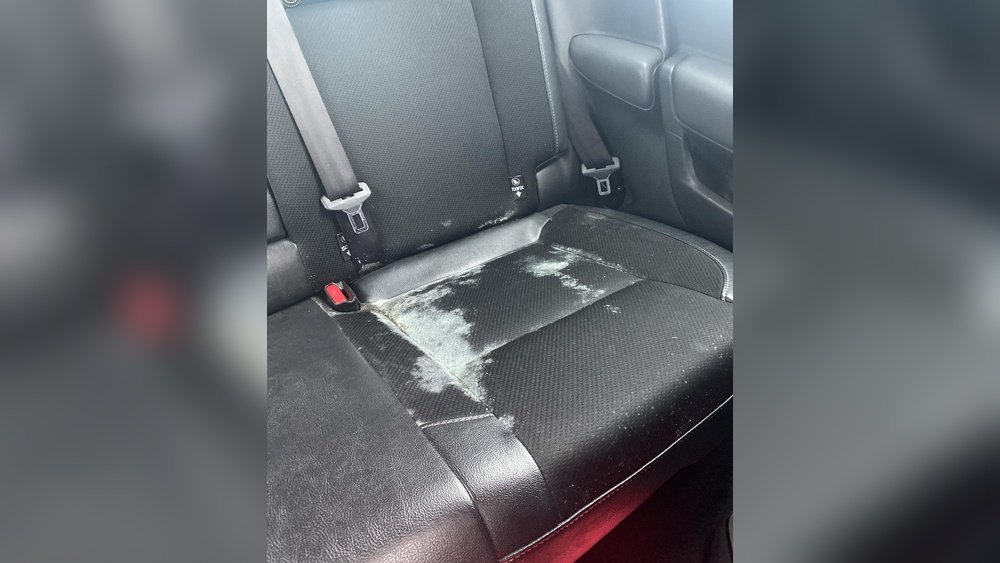
Mold on your car seats is more than just an eyesore—it can cause bad smells and even affect your health. If you’ve noticed those stubborn spots growing on your upholstery, you probably want a quick and effective way to get rid of them.
The good news is, you don’t need expensive tools or professional help to clean your seats and make your car feel fresh again. Keep reading, and you’ll learn simple steps you can take right now to remove mold safely and protect your car from coming back.
Your car deserves a clean, healthy interior—and you deserve peace of mind every time you get behind the wheel.
Identifying Mold On Car Seats
Mold can grow quickly on car seats, especially in damp or humid conditions. It damages the fabric and creates a bad smell. Catching mold early helps stop it from spreading. Knowing how to spot mold is important for keeping your car clean and safe.
Common Signs Of Mold
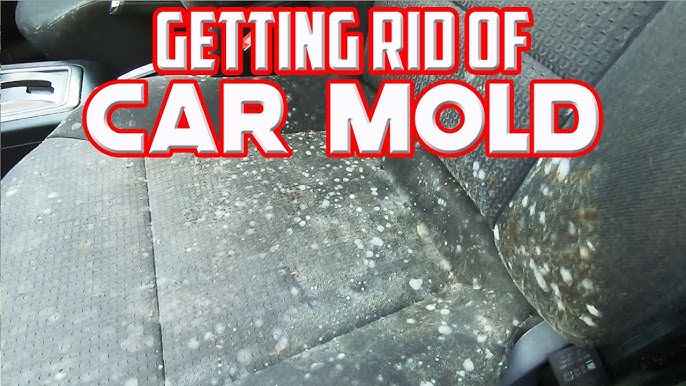
Mold often appears as small, fuzzy spots on car seats. Colors vary from white, green, black, to gray. A musty or earthy smell usually comes with mold. Sometimes, the seat fabric feels damp or sticky. Mold spots grow larger over time if left untreated.
Types Of Mold In Vehicles
Black mold is common in cars and can harm health. White mold looks powdery and can spread fast. Green mold often grows in moist areas inside the car. Some molds create slimy patches on leather or cloth seats. Knowing the type helps choose the right cleaning method.
Preparing For Mold Removal
Preparing for mold removal from car seats is a crucial first step. This stage sets the foundation for effective cleaning and prevents the mold from spreading. Taking the right actions before starting saves time and effort. It also protects your health and your vehicle’s interior. Focus on gathering the right supplies and following safety rules to ensure a smooth process.
Gathering Cleaning Supplies
Collect all necessary items before you begin. You will need a vacuum cleaner with a HEPA filter. This helps remove loose mold spores safely. Prepare a soft brush to scrub the seats gently. Use a spray bottle filled with a mold cleaner or a mix of water and vinegar. Have clean cloths or microfiber towels ready to wipe the seats. Gloves and a mask are also essential to protect yourself.
Ensuring Safety Precautions
Wear gloves to avoid skin contact with mold. Use a mask to prevent inhaling mold spores. Work in a well-ventilated area by opening car doors or windows. Avoid touching your face during the process. Keep children and pets away from the car until cleaning finishes. Dispose of any used cleaning materials carefully to stop mold spread.
Cleaning Mold From Fabric Seats
Mold on fabric car seats is more than just ugly. It can cause bad smells and harm your health. Cleaning mold quickly keeps your car fresh and safe. Fabric seats need gentle but strong cleaning methods to remove mold without damage.
Here are three simple ways to clean mold from fabric seats at home.
Using Vinegar And Baking Soda
Vinegar kills mold spores and cleans fabric well. Spray white vinegar directly on the moldy areas. Let it sit for about 10 minutes. Then, sprinkle baking soda over the same spots. Baking soda helps remove odors and absorbs moisture.
Use a soft brush to scrub the fabric gently. Wipe away the baking soda with a clean cloth. Leave the windows open to air dry the seats. This natural method is safe and cost-effective.
Applying Commercial Cleaners
Special mold cleaners for car fabric are easy to find. Choose a cleaner made for automotive upholstery. Spray the product on the moldy parts. Follow the instructions on the label carefully. Usually, you let it sit, then scrub lightly.
After cleaning, wipe the area with a damp cloth. Avoid soaking the seat to prevent mold from returning. Commercial cleaners can be stronger but use them with care.
Steam Cleaning Techniques
Steam cleaning kills mold and cleans deep inside fabric fibers. Use a handheld steam cleaner with a fabric attachment. Move the steam slowly over the moldy area. The heat destroys mold spores without chemicals.
Do not soak the seat; steam only. Let the seats dry fully after steaming. This method works well for tough mold spots and leaves no residue.

Credit: goodcar.com
Cleaning Mold From Leather Seats
Leather car seats need special care to remove mold safely. Mold can damage leather and cause bad smells. Cleaning leather requires gentle products that do not harm the material. Follow steps to clean and protect your seats well.
Choosing The Right Cleaner
Select a cleaner made for leather surfaces. Avoid harsh chemicals or bleach. Use a mild soap mixed with water or a commercial leather cleaner. Test the cleaner on a small hidden area first. This prevents discoloration or damage.
Apply the cleaner with a soft cloth. Gently rub the mold spots in a circular motion. Do not soak the leather. Wipe off excess cleaner with a damp cloth. Let the seat dry naturally, away from sunlight.
Conditioning After Cleaning
Leather can dry out after cleaning. Use a leather conditioner to keep it soft and smooth. Apply a small amount with a clean cloth. Spread evenly over the entire seat surface. Allow the conditioner to absorb fully before use.
Conditioning helps prevent cracks and keeps leather healthy. It also adds a protective layer against future mold growth. Repeat conditioning every few months for best results.
Drying And Ventilating The Car
Drying and ventilating the car plays a key role in removing mold from car seats. Mold thrives in damp and closed spaces. Removing moisture quickly stops mold growth and protects your car’s interior. Proper airflow helps dry wet areas and lowers humidity inside the vehicle.
Effective Drying Methods
Open all car doors and windows to let fresh air in. Use a fan to speed up airflow inside the car. Park the vehicle in direct sunlight to warm the interior. Sunlight helps kill mold spores and dries wet surfaces. Remove seat covers and cushions if possible to dry them separately. Use absorbent towels to soak up excess water. Avoid using heat sources that may damage fabrics.
Preventing Moisture Build-up
Check for leaks in windows, doors, and the roof. Seal any gaps that let water inside. Use moisture absorbers like silica gel or baking soda inside the car. Keep car mats dry and clean. Avoid leaving wet clothes or items in the car. Regularly air out your car, especially after rain or snow. Maintain proper ventilation to keep the air fresh and dry.
Credit: www.youtube.com
Preventing Mold Growth
Stopping mold before it starts saves time and protects your car seats. Mold grows in damp, dirty places. Preventing mold means keeping your car dry and clean. Follow easy steps to keep your seats fresh and mold-free.
Regular Cleaning Schedule
Clean your car seats often. Dirt and moisture invite mold to grow. Use a vacuum to remove dust and crumbs. Wipe seats with a mild cleaner and a soft cloth. Let seats dry completely after cleaning. Regular care keeps mold away.
Controlling Humidity Levels
High humidity helps mold grow fast. Keep your car dry by airing it out daily. Use a dehumidifier or moisture absorber inside the car. Park in shaded areas to avoid heat and moisture buildup. Dry air stops mold spores from spreading.
Using Mold Inhibitors
Mold inhibitors are sprays that stop mold growth. Use them on clean, dry seats. These products create a barrier against mold spores. Choose non-toxic and car-safe formulas. Apply regularly for long-lasting protection.
Credit: www.reddit.com
Frequently Asked Questions
How Do I Remove Mold From Car Seats Safely?
To remove mold safely, wear gloves and a mask. Use a mixture of water and vinegar or a commercial cleaner. Scrub gently with a soft brush, then dry seats thoroughly to prevent mold regrowth.
What Household Items Kill Mold On Car Upholstery?
Vinegar, baking soda, and hydrogen peroxide effectively kill mold on car seats. Apply, scrub lightly, then wipe and air dry for best results. These items are safe and eco-friendly for mold removal.
Can Mold Damage Car Seats Permanently?
Yes, mold can cause permanent stains and weaken fabric fibers if untreated. Early removal and proper cleaning prevent long-term damage and maintain seat quality.
How Long Does Mold Take To Grow On Car Seats?
Mold can start growing within 24 to 48 hours in moist, warm conditions. Prompt cleaning and drying are essential to stop mold growth early.
Conclusion
Cleaning mold from car seats takes patience and the right steps. Act quickly to stop mold from spreading further. Use gentle cleaners and soft brushes to protect your seats. Keep your car dry and well-ventilated to avoid mold return. Regular checks help catch mold early before it grows big.
Follow these tips to keep your car seats fresh and clean. Mold won’t stand a chance with proper care. Your car will feel healthier and look better every day. Simple actions make a big difference over time.
