

Are you wondering if every car seat really needs a base? If you’re like most parents or caregivers, safety and convenience are top priorities when it comes to traveling with little ones.
But with so many options and opinions out there, it can be confusing to know what’s best for your child and your car. This article will clear up the mystery and help you make the right choice. Keep reading to discover how a car seat base can impact your child’s safety, your ease of use, and why sometimes, you might not need one at all.
Your peace of mind on the road starts here.

Credit: strolleria.com
Types Of Car Seats
Car seats come in different types to keep children safe at every age. Each type fits specific needs based on a child’s weight and height. Understanding these types helps parents choose the right car seat.
Infant Seats
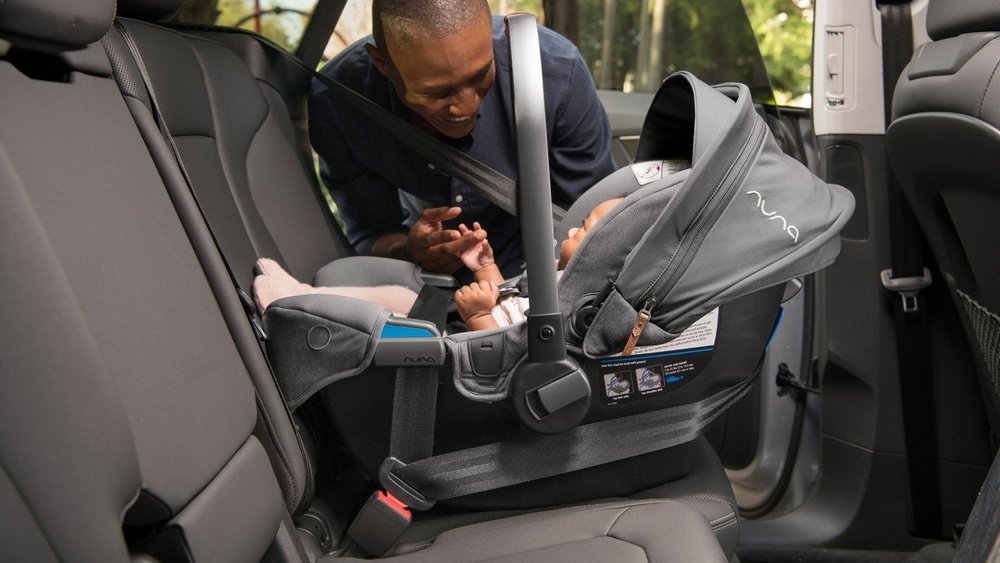
Infant seats are for babies from birth until about 1 year old. They face the rear of the car for safety. Most infant seats need a base that stays in the car. The seat clicks in and out of the base easily. This design helps parents carry the baby without waking them.
Convertible Seats
Convertible seats grow with your child. They start as rear-facing seats for babies. Later, they switch to forward-facing for toddlers. These seats do not always need a separate base. They often install directly with a seat belt or LATCH system. Convertible seats last longer than infant seats.
Booster Seats
Booster seats are for older children who outgrow forward-facing seats. They help position the car’s seat belt properly. Booster seats do not need a base. They use the car’s seat belt for safety. These seats are lightweight and easy to move between cars.
Role Of A Car Seat Base
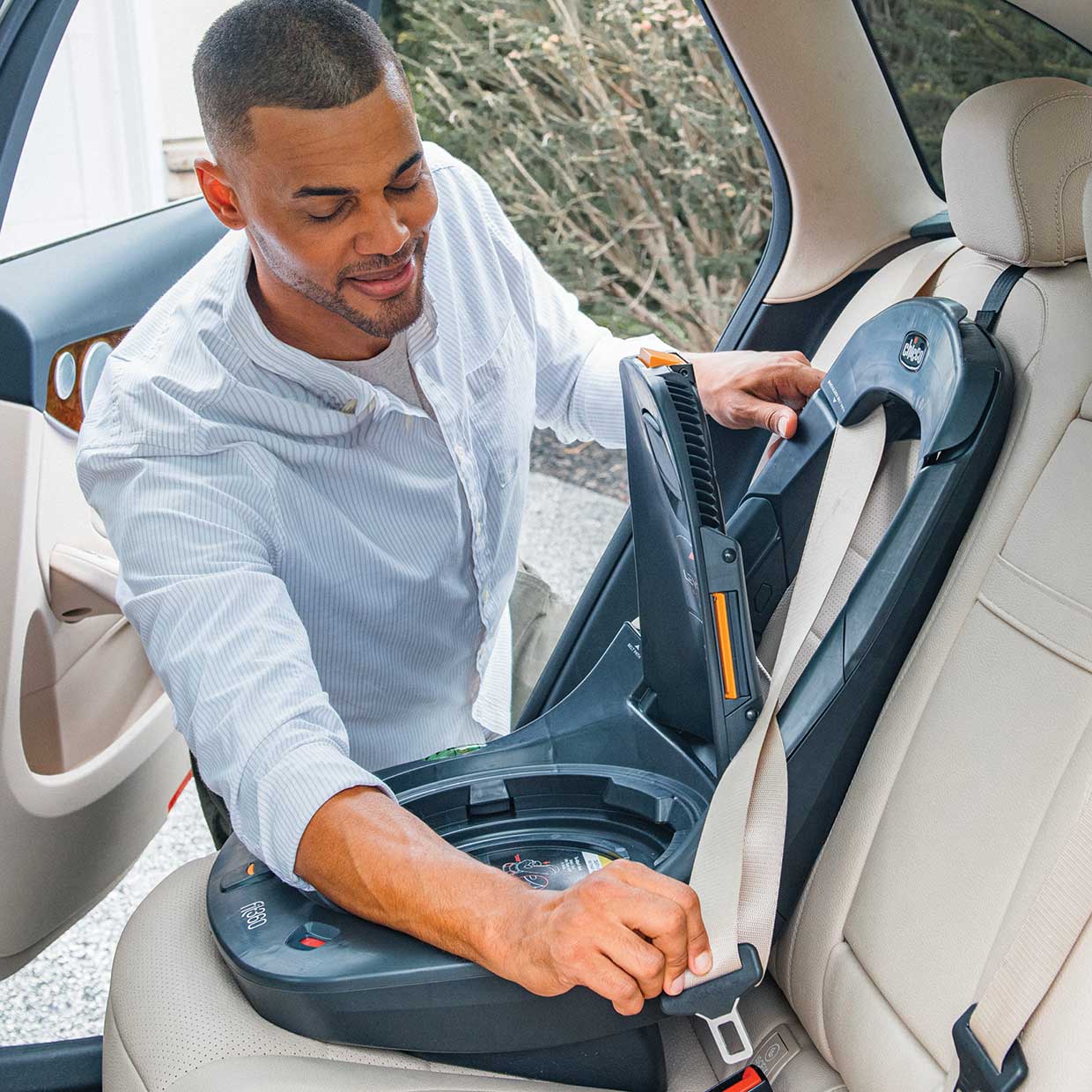
A car seat base is a separate part designed to stay installed in your car. It holds the car seat in place securely. This base helps attach the car seat quickly and correctly every time. Many parents find using a base makes traveling with a baby easier and safer.
Benefits Of Using A Base
A car seat base offers many helpful benefits. It saves time by allowing quick seat installation. The base stays fixed in the car, so you don’t need to reinstall it each trip. It also reduces the chance of incorrect installation, which can put your child at risk. A base gives a steady, solid fit for the car seat.
Installation Convenience
The base stays installed with the car’s seat belt or LATCH system. You just click the car seat on and off the base with one hand. This makes moving the baby in and out of the car less stressful. No fumbling with straps or belts each time. The base keeps the car seat ready to go fast and easy.
Safety Advantages
Using a base enhances the car seat’s safety. It keeps the seat tightly secured during travel. The base absorbs impact better in case of a crash. This reduces the risk of injury for the child. It helps keep the car seat at the correct angle, supporting the baby’s head and neck. A base adds an extra layer of protection on the road.
Car Seats Without Bases
Car seats without bases offer a simple, flexible option for parents. These seats attach directly to the car’s seat belt. They are often lighter and easier to move between cars. Many parents choose them for short trips or travel. Understanding when and how to use these seats helps keep children safe.
Travel Systems And Alternatives
Travel systems usually include a car seat and a stroller. The car seat fits right onto the stroller frame. This setup works well without a base. Parents can carry the car seat from car to stroller easily. Alternatives include convertible seats that don’t need a base. These options suit families on the go.
When To Skip The Base
Skipping the base saves space in small cars. It also helps if you change cars often. Some car seats are designed to work safely without bases. Use the seat belt to secure the seat firmly. Check the car seat manual for proper installation steps. Avoid skipping the base if the seat requires it.
Safety Considerations
Safety is the top priority with any car seat. Seats without bases must be installed tightly with the seat belt. Loose installation can increase injury risk during a crash. Always check the car seat fits your vehicle correctly. Inspect the seat belt path and locking mechanism. Follow all manufacturer safety instructions carefully.
Installation Tips For Car Seats
Installing a car seat correctly is vital for your child’s safety. Proper installation keeps the seat stable during travel. Follow these tips to ensure the car seat fits securely and protects your child well.
Using Latch Vs. Seat Belt
LATCH stands for Lower Anchors and Tethers for Children. Many cars have built-in LATCH anchors for easy car seat installation. Use LATCH if your vehicle and car seat both support it. It often makes installation quicker and more secure.
Seat belts also work well for installing car seats. Some cars may not have LATCH or may have weight limits for LATCH use. In these cases, use the seat belt tightly to secure the car seat. Check your car seat manual for specific instructions on seat belt use.
Ensuring A Secure Fit
Place the car seat firmly against the vehicle seat. Tighten the straps or belt until the car seat does not move more than one inch side to side or front to back. A loose car seat can be dangerous in a crash.
Double-check the angle of the seat. Many seats have a level indicator to help. Keep the seat reclined enough to support your baby’s head and neck safely.
Common Installation Mistakes
Failing to read the car seat manual is a common error. Each seat has different rules and steps. Skipping this can cause wrong installation.
Not tightening straps enough leads to a loose seat. Also, using both LATCH and seat belt together can cause confusion. Use only one method at a time unless the manual says otherwise.
Ignoring the seat’s recline angle or placing the seat in the wrong vehicle spot are other mistakes. Always follow the instructions carefully for the safest setup.
Regulations And Safety Standards
Car seat safety depends on clear regulations and standards. These rules guide parents and caregivers on proper use. They ensure children get the best protection during travel. Understanding these rules helps avoid mistakes and keeps kids safe.
Federal Safety Requirements
Federal rules set the minimum safety standards for all car seats. The National Highway Traffic Safety Administration (NHTSA) enforces these rules. Every car seat sold in the U.S. must meet these standards. Testing includes crash safety, strength, and materials used. These rules do not always require a car seat base. Some infant seats come with a base. Convertible and booster seats usually do not need one.
Manufacturer Guidelines
Car seat makers provide specific instructions for their products. These guidelines explain if a base is needed or not. They show how to install the seat safely. Following these instructions reduces the risk of injury. Ignoring manufacturer advice can lead to improper use. Always read the manual before installing the seat.
State Laws And Recommendations
Each state has its own laws about child car seats. Some states require a base for infant seats. Others focus on proper harness use and seat positioning. Local laws may also dictate age and weight limits. Police and safety officers check for these rules. Staying informed helps avoid fines and keeps children safe.

Credit: www.sietesetenta.com.ar
Choosing The Right Setup
Choosing the right car seat setup is key for safety and ease. Different families have different needs. Some prioritize quick moves between cars. Others want the best fit for their child’s comfort. The right setup depends on many factors. Consider your lifestyle, budget, and your child’s age and size. Each detail helps pick the best option for your family.
Lifestyle And Travel Needs
Think about your daily routine. Do you switch cars often? A car seat with a base stays in one car. You can carry the seat alone for short trips. For families who travel a lot, a base offers stability. For occasional drivers, a seat without a base may be easier. Some seats install with seat belts only. Choose what fits your travel style.
Budget And Convenience
Car seats with bases usually cost more. The base adds extra safety features. A base can make installation faster. Without a base, you save money but spend more time installing. Convenience is important for busy parents. A base may help install the seat correctly every time. Weigh the cost against daily ease and safety.
Child’s Age And Size
Infants often need a car seat with a base. It keeps the seat stable and secure. Toddlers may switch to convertible seats. These can work with or without a base. Larger children use booster seats without bases. Check the car seat manual for size rules. The right setup depends on your child’s growth stage.
Credit: www.chiccousa.com
Frequently Asked Questions
Do All Infant Car Seats Require A Base?
Not all infant car seats need a base. Some models are designed as “base-free” and install using the vehicle seat belt. However, using a base often provides easier installation and added stability. Always check your car seat manual for specific installation instructions.
Can Toddler Car Seats Be Used Without A Base?
Most toddler car seats do not use a separate base. They are typically installed directly with the vehicle’s seat belt or LATCH system. Infant car seats are the ones that commonly use bases for quick removal and installation between vehicles.
Is A Car Seat Base Safer Than Seat Belt Installation?
A properly installed car seat base generally offers a more secure and stable fit than seat belt installation. Bases are designed to lock tightly into the vehicle’s LATCH anchors. Yet, both methods can be safe if installed correctly and following manufacturer guidelines.
How Do I Know If My Car Seat Needs A Base?
Check your car seat’s user manual or labels to confirm if a base is required. Infant seats usually come with a base, while convertible and booster seats do not. If unsure, contact the manufacturer or a certified child passenger safety technician for guidance.
Conclusion
Car seats with bases offer extra stability and easy installation. Some models work well without a base, especially travel-friendly ones. Always check your car seat’s manual for proper use. Safety matters most when choosing a car seat setup. Using the right method helps keep your child secure.
Simple steps can make a big difference in safety. Choose what fits your lifestyle and your vehicle best. Remember, every child deserves a safe ride every time.
