

You might be wondering, “Can I feed my baby in the car seat?” It’s a question many parents ask, especially when on the go or stuck in traffic.
Feeding your baby safely is your top priority, but the car seat wasn’t made for mealtime. What are the risks? Is it ever okay to feed your little one while strapped in? Keep reading to discover important facts that could protect your baby and make feeding time safer for both of you.
Credit: www.consumerreports.org
Risks Of Feeding In Car Seats
Feeding a baby in a car seat might seem easy during travel. Still, it carries several risks that parents must know. Understanding these dangers helps keep babies safe and healthy.
Choking Hazards
Car seats do not offer the best angle for safe feeding. Babies may swallow food the wrong way. This increases the chance of choking. Solid foods can be especially risky in this position. Always watch your baby closely during feeding times.
Improper Positioning
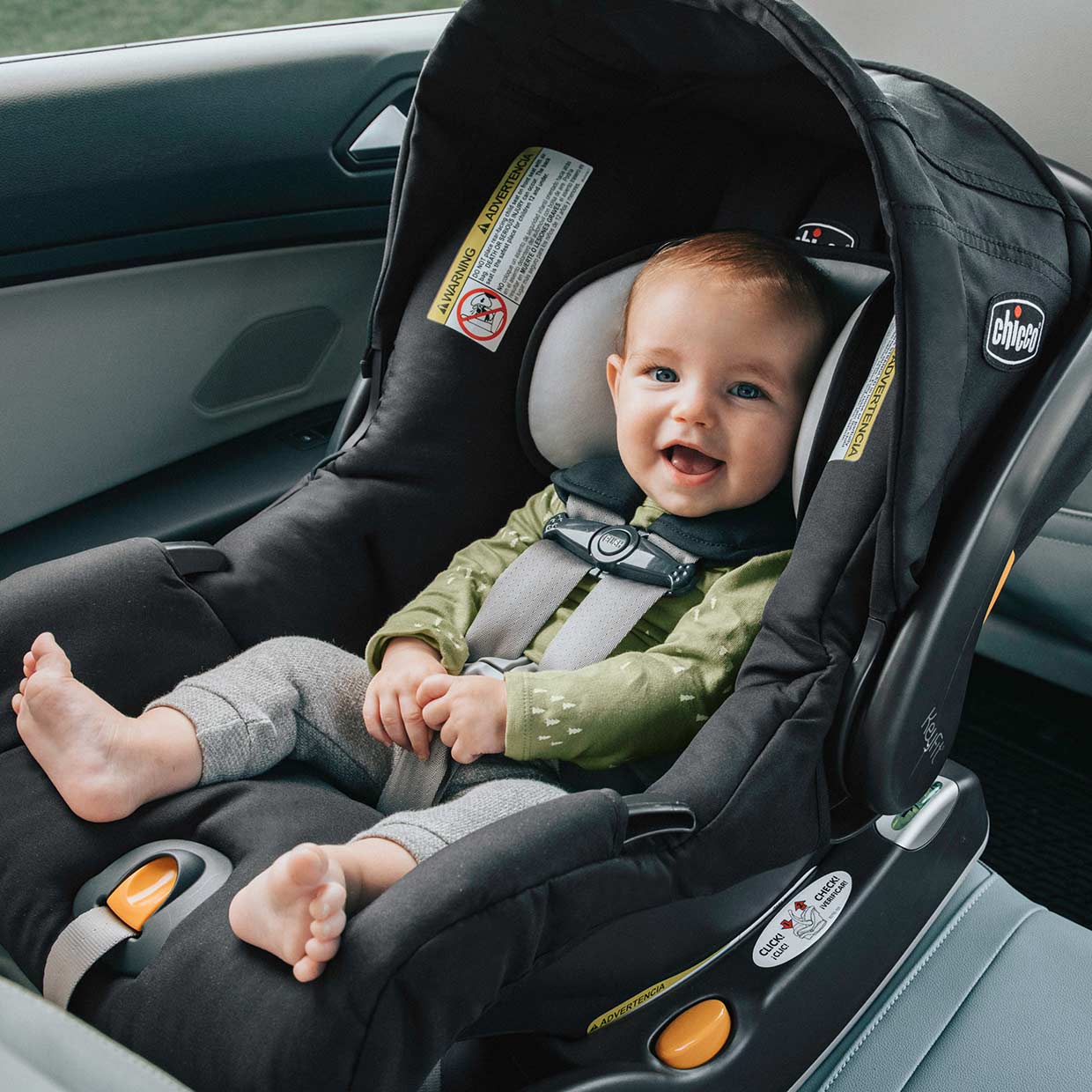
Car seats are designed for safety in crashes, not for feeding. Babies sit in a reclined or semi-reclined position. This makes swallowing harder and less safe. Proper posture helps prevent choking and supports digestion. Feeding in a more upright seat is safer for your baby.
Distraction Concerns
Feeding in the car can distract the driver. Stopping to feed is always safer. Parents may focus more on feeding than driving. This increases the risk of accidents. Safety depends on paying full attention to the road.
Credit: www.chiccousa.com
Safe Feeding Alternatives
Feeding a baby safely during travel is a top priority for parents. Feeding in a car seat can be risky because the baby might choke or not be properly supported. Safe feeding alternatives help keep your baby comfortable and secure while you travel. These options make feeding easier and reduce dangers linked to feeding inside the car seat.
Choosing the right method also helps you enjoy your trip without stress. Here are some smart ways to feed your baby safely on the road.
Stopping For Feeding Breaks
Stopping the car for feeding breaks is the safest choice. Find a quiet spot to park and take your baby out of the car seat. This gives your baby a chance to sit up and swallow safely. It also allows you to check the baby’s comfort and clean up easily. Short breaks keep your baby happy and reduce feeding risks.
Using Portable Feeding Seats
Portable feeding seats are helpful for feeding on the go. These seats are lightweight and easy to carry. They provide good support and keep your baby in an upright position. Use them during breaks or at rest stops. Feeding in a portable seat keeps your baby safe and comfortable away from the car seat.
Feeding Before Or After Travel
Feeding your baby before starting the trip or after arriving is another safe choice. This avoids feeding inside the car seat altogether. A full tummy can help your baby stay calm during the ride. Feeding at home or your destination reduces the chance of choking or discomfort. Plan your feeding times around travel for smooth trips.
When Is It Safe To Feed In The Car Seat?
Feeding a baby in a car seat can be tricky. Safety is the top concern for parents and caregivers. Understanding when it is safe to feed in the car seat helps avoid risks. This section explains key factors to consider before feeding your baby in the car seat.
Age And Development Factors
Newborns and very young infants should not eat in the car seat. Their neck muscles are weak. They cannot sit upright well. Babies usually develop better head control by 6 months old. At this age, some can safely sit and eat with support. Watch your baby’s ability to sit and swallow before feeding in the car seat.
Type Of Food Considerations
Liquid foods like breast milk or formula are safer in the car seat. Solid foods can cause choking if the baby is not ready. Avoid hard, small, or sticky foods while the baby sits in the car seat. Soft and easy-to-swallow foods reduce risks. Feeding solid food is better done outside the car seat.
Supervision Requirements
Always watch your baby closely when feeding in the car seat. Never leave your baby alone during feeding. Be alert to signs of choking or discomfort. Feeding is safer when the car is parked, not moving. Careful supervision helps protect your baby’s safety during feeding.
Credit: newmomschool.com
Tips For Feeding Your Baby Safely In The Car
Feeding a baby in the car can be tricky but safe feeding is possible with the right steps. Safety and comfort must come first during any feeding session in the car. Here are simple tips to help you feed your baby safely while traveling.
Choosing The Right Seat Position
Place your baby in a rear-facing car seat. This position offers the best support for their head and neck. Avoid feeding while the car is moving fast. Stop the car if you need to feed your baby. Make sure the seat harness is snug and secure.
Keeping Emergency Supplies Handy
Keep bottles, bibs, and wipes within easy reach. Have extra formula or breast milk ready in a cooler bag. Carry a small first aid kit for any emergencies. This helps you stay prepared without searching while driving.
Avoiding Distractions While Driving
Never feed your baby while driving. Focus on the road at all times. If your baby needs feeding, pull over safely first. Avoid multitasking to reduce risks. Your full attention keeps everyone safer on the road.
Signs To Watch During Car Seat Feeding
Feeding a baby in a car seat requires careful attention. Babies cannot speak or explain discomfort. Parents must watch for clear signs to keep them safe. Recognizing these signs helps prevent risks during feeding.
Monitoring Baby’s Breathing
Watch your baby’s chest for steady rises and falls. Breathing should be calm and regular. Pause feeding if breathing seems fast or shallow. Listen for wheezing or unusual sounds. These may signal breathing difficulties.
Recognizing Discomfort Or Distress
Notice if your baby fusses or cries often. Pulling away from the bottle can mean discomfort. Look for redness or sweating on the face. These signs show your baby may be upset or uncomfortable. Adjust feeding position or stop feeding if needed.
Responding To Choking Incidents
Choking can happen quickly during car seat feeding. Watch for gagging, coughing, or sudden silence. If choking occurs, stay calm and act fast. Gently remove the bottle and support your baby’s head. Seek medical help if choking continues.
Frequently Asked Questions
Can I Safely Feed My Baby In A Car Seat?
Feeding a baby in a car seat is generally not recommended. It poses choking and breathing risks. Always stop the vehicle and feed your baby in a safe, upright position outside the car seat.
What Are The Choking Risks Feeding In Car Seats?
Car seats recline, which can cause your baby to choke while feeding. The position may block airways and increase choking hazards. Feeding should be done when the baby is upright and supervised to ensure safety.
How To Feed A Baby Safely During Car Trips?
Always pull over and place your baby in a safe, upright position before feeding. Use a proper feeding spot outside the car seat. Avoid feeding while the car is moving to prevent accidents and choking.
Is Bottle Feeding In A Car Seat Harmful?
Bottle feeding in a car seat can cause ear infections and choking. The reclined position affects milk flow and drainage. Feeding upright and supervised minimizes health risks and ensures your baby’s safety.
Conclusion
Feeding a baby in a car seat is not safe. It can cause choking or breathing problems. Always stop the car to feed your baby. Use a safe place like a stroller or a chair. Keep your baby comfortable and secure during feeding.
Your baby’s safety should come first every time. Taking time to feed properly helps your baby stay healthy. Remember, safety matters more than convenience on the road.
