

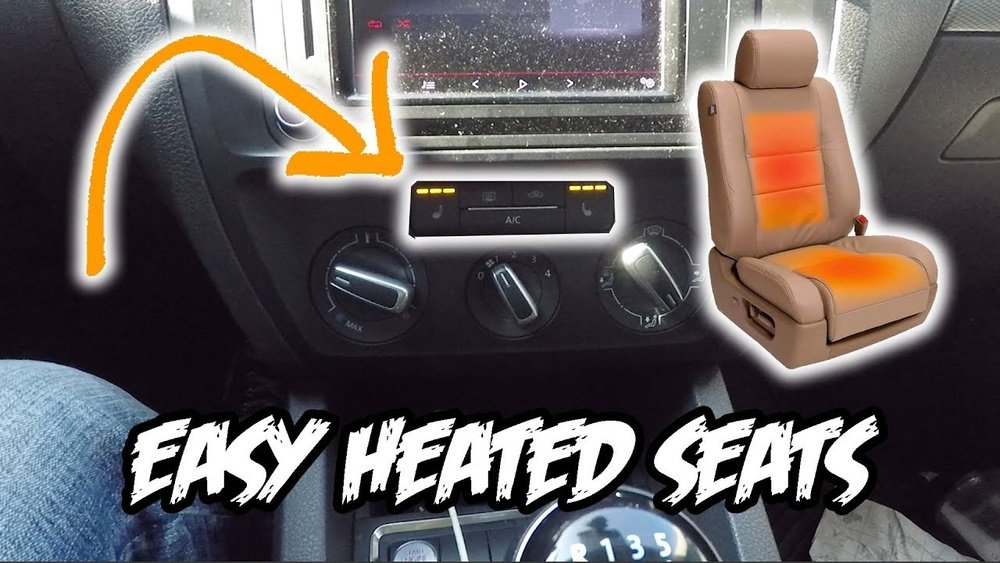
Have you ever wished your car seats could warm up on chilly mornings? Imagine stepping into your car and feeling instant comfort, no matter how cold it is outside.
If you’ve asked yourself, “Can I install heated seats in my car? ” you’re not alone. The good news is, adding this cozy feature might be easier than you think. You’ll discover everything you need to know about installing heated seats, from what it takes to how much it costs.
Ready to make your drives warmer and more enjoyable? Let’s dive in!
Benefits Of Heated Seats
Heated seats bring many benefits to your driving experience. They provide warmth and comfort during cold days. These seats improve your health and can increase your car’s value. Installing heated seats is a smart choice for many drivers.
Comfort In Cold Weather
Heated seats warm up quickly on chilly mornings. They keep your body cozy during long drives. This warmth reduces the need to use bulky clothes inside the car. A warm seat helps you feel relaxed and focused.
Health Advantages
Heat soothes sore muscles and eases stiffness. It can reduce back pain during driving. Warmth improves blood flow and helps you stay comfortable. These benefits make driving less tiring and more pleasant.
Enhanced Vehicle Value
Heated seats increase your car’s appeal to buyers. They add a touch of luxury without high costs. Cars with heated seats often sell faster and for more money. This feature shows care for comfort and quality.
Types Of Heated Seat Kits
Heated seat kits come in different types. Choosing the right one depends on your car and budget. Understanding these options helps you make the best choice. Below are the common types of heated seat kits available.
Universal Kits
Universal kits fit most car seats. They include heating pads, wiring, and controls. These kits are flexible and work with many car models. Installation may take more time because you adapt the kit to your seat. They are usually less expensive than model-specific kits.
Model-specific Kits
Model-specific kits are designed for certain car brands and models. They fit perfectly without much adjustment. These kits match your seat’s shape and electrical system. Installation is easier and faster. They often cost more but provide a cleaner look and better fit.
Diy Vs Professional Options
DIY kits let you install heated seats yourself. They come with instructions and all parts needed. This option saves money but requires basic skills and tools. Professional installation ensures safety and proper wiring. A technician can avoid damage to your car’s electrical system. Choose based on your comfort with car repairs.
Tools And Materials Needed
Installing heated seats in your car needs the right tools and materials. Getting these ready makes the job easier. It helps avoid mistakes and keeps the process safe. Below is a list of what you need.
Basic Tools
You need simple tools like screwdrivers and pliers. A socket wrench helps remove and tighten bolts. Wire cutters are useful for trimming wires. A multimeter checks electrical connections. A trim removal tool protects your car’s interior.
Electrical Components
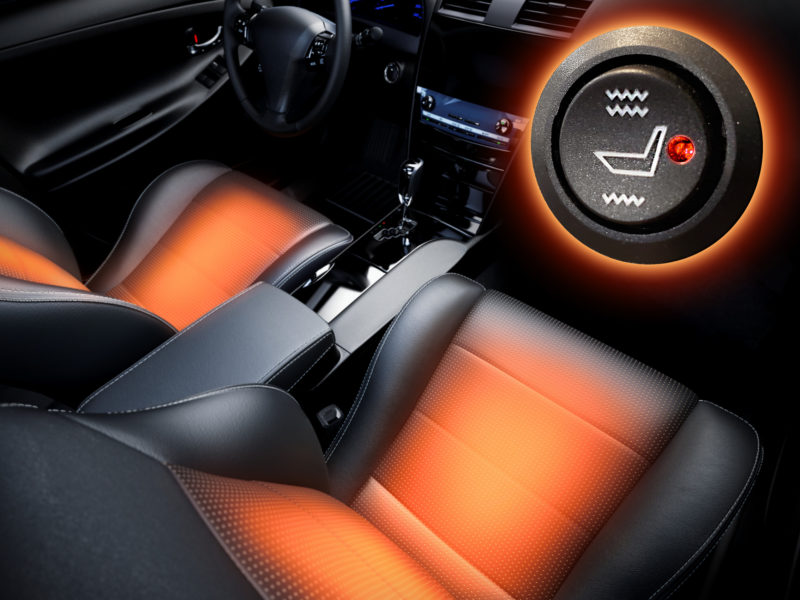
Heated seat kits include heating pads and wiring. You also need a relay and a fuse for safety. Switches let you control the heat. Connectors join wires securely. Use electrical tape to cover exposed wires.
Safety Gear
Wear gloves to protect your hands. Safety glasses keep your eyes safe from sparks. Use a mask if working with dust or debris. Disconnect the car battery to prevent shocks. Work in a well-lit area for clear visibility.
Credit: www.autoplexco.com
Step-by-step Installation Process
Installing heated seats in your car can improve comfort during cold days. The process takes some time but is doable with basic tools. Follow these clear steps to add warmth to your ride.
Removing The Seat
Start by sliding the seat all the way back. Find the bolts holding the seat to the car floor. Use a wrench to remove these bolts. Disconnect any wiring under the seat carefully. Lift the seat out of the car and place it on a clean surface.
Installing Heating Pads
Remove the seat cover or cushion carefully. Place the heating pads on the seat and backrest. Make sure the pads fit well and cover the main sitting areas. Use the adhesive or straps to secure the pads. Avoid folding or bending the heating elements.
Wiring The System
Connect the heating pads to the wiring harness. Route the wires under the seat and through the car floor. Attach the wiring to the car’s power source, usually the fuse box. Install a switch in a reachable spot for easy control. Use electrical tape or connectors for secure wiring.
Testing The Installation
Reconnect the car battery and turn on the ignition. Switch on the heated seats and check for warmth. Look for any signs of loose wires or overheating. If all works well, reattach the seat to the car floor. Test the seat again after full installation to ensure safety.
Common Installation Challenges
Installing heated seats in your car can bring comfort during cold days. Yet, the process often comes with common challenges. These challenges may slow down the installation or cause issues later. Knowing these problems helps you prepare better and avoid mistakes.
Dealing With Wiring Issues
Wiring can be tricky in seat heater installation. Cars have complex electrical systems. Finding the right wires needs care and precision. Incorrect wiring may cause short circuits or blow fuses. Using a wiring diagram for your car model is vital. Always disconnect the battery before starting any wiring work.
Avoiding Seat Damage
Seats are delicate and easy to damage. Removing and reinstalling seats needs gentle handling. Cutting or piercing the seat cover can cause permanent damage. Use proper tools and follow guides carefully. Avoid pulling on wires or connectors roughly. Protect the seat foam while working on the heater pads.
Troubleshooting Heating Problems
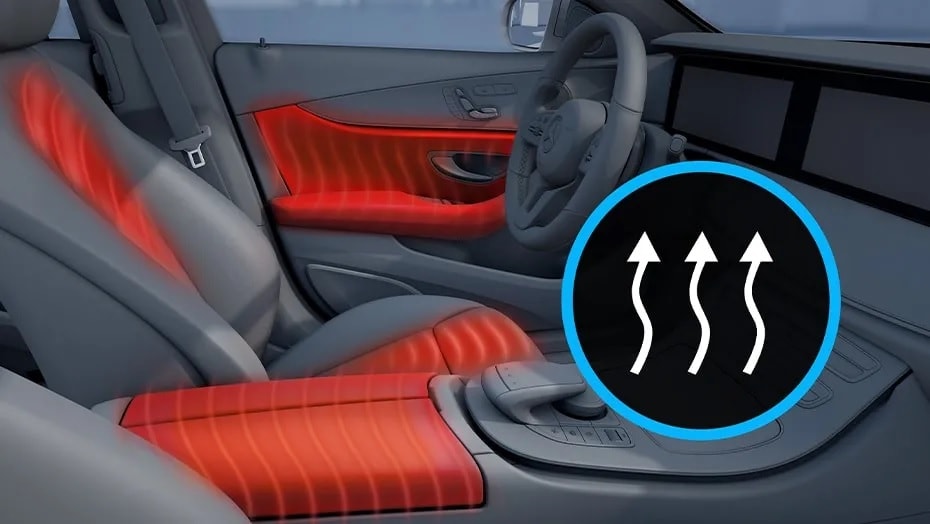
Sometimes, the heated seats may not work after installation. Common issues include uneven heating or no heat at all. Check all connections for tightness and correct placement. Test the switches and fuses for proper function. Use a multimeter to check the heating element’s resistance. Fixing these problems early ensures your seats stay warm and safe.
Credit: www.mbmarietta.com
Safety Tips For Diy Installation
Installing heated seats by yourself can save money and add comfort. Safety is very important during this process. Taking the right precautions helps avoid accidents and damage to your car. Follow these safety tips to keep your project safe and successful.
Working With Car Electrical Systems
Turn off the car’s battery before starting any electrical work. Use a multimeter to check wires and connections. Handle wires carefully to avoid cuts or shorts. Connect wires exactly as the instructions say. Avoid forcing connectors to prevent damage. Keep metal tools away from battery terminals to stop sparks.
Preventing Fire Hazards
Use wires and fuses rated for heated seat kits. A fuse protects your car from electrical overload. Never bypass or remove the fuse. Avoid loose connections; they can cause sparks and fires. Keep flammable materials away from wiring areas. Check for heat buildup during and after installation.
Ensuring Proper Insulation
Cover all exposed wires with electrical tape or heat shrink tubing. Proper insulation stops wires from touching metal parts. Use wire loom or conduit for extra protection. Secure wires so they do not move or rub against sharp edges. Insulation reduces risk of shorts and electrical shocks.
Cost And Time Estimates
Installing heated seats in your car involves some costs and time. Knowing what to expect helps you plan better. Costs vary depending on materials and installation method. Time also depends on your choice of do-it-yourself or professional help.
Average Material Costs
Heated seat kits usually cost between $50 and $200. The price depends on seat type and heating quality. Basic kits are cheaper but less durable. High-end kits offer better warmth and last longer. Don’t forget extra materials like wiring and connectors. These add about $20 to $50 to the total cost.
Expected Installation Time
Installing heated seats can take from 2 to 5 hours. The time varies by car model and seat type. DIY installers may spend more time to avoid mistakes. Professionals often finish the job faster. They know how to handle wiring and seat removal. More complex vehicles require extra time and care.
Comparing Diy Vs Professional Pricing
DIY installation saves labor costs but needs tools and skills. You spend less money but more time and effort. Professionals charge $100 to $300 for installation. This price covers labor and guarantees quality work. Choosing a professional reduces risk of errors. DIY suits those with basic skills and patience.
Maintaining Heated Seats
Maintaining heated seats helps keep them working well for a long time. Regular care stops small problems from becoming big issues. Simple steps can protect your seats and save money on repairs.
Regular Inspection
Check heated seats often to find problems early. Look for uneven heat or no heat at all. Test the seat controls to ensure they work properly. Spotting issues early helps fix them quickly.
Cleaning Tips
Keep heated seats clean to avoid damage. Use a soft cloth and mild cleaner for leather or fabric. Avoid wetting the seat too much to protect heating elements. Clean spills immediately to prevent stains and smells.
Repairing Minor Issues
Fix small problems before they get worse. Replace blown fuses or loose wires carefully. Tighten connectors if the seat loses power. Simple repairs often restore heat without big costs.

Credit: www.youtube.com
Frequently Asked Questions
Can I Add Heated Seats To Any Car Model?
Yes, heated seat kits are available for most car models. Installation may vary depending on your vehicle’s wiring and seat type. Always check compatibility before purchasing to ensure a proper fit and function.
How Much Does It Cost To Install Heated Seats?
Installation costs vary by vehicle and kit quality. On average, expect to pay between $200 and $500. DIY kits are cheaper but professional installation ensures safety and reliability.
Are Heated Seats Safe To Install In Cars?
Heated seats are generally safe if installed correctly. Use quality kits and follow all instructions. Improper installation can cause electrical issues or fires, so professional help is recommended.
Will Installing Heated Seats Affect My Car’s Warranty?
Adding aftermarket heated seats may void parts of your car’s warranty. Check your manufacturer’s policy before installation to avoid potential coverage loss.
Conclusion
Heated seats can add comfort during cold days. Installing them depends on your car type and budget. Some cars allow easy installation, while others need more work. Professional help ensures safety and proper wiring. Think about the cost versus the benefits before deciding.
Simple kits are available for many vehicles. Enjoy warm rides in winter with this upgrade. Take time to research and choose wisely. Your comfort matters on every drive.
