

Are you sure your child’s car seat straps are tightened just right? Too loose, and they might not be safe in a sudden stop.
Too tight, and your little one could be uncomfortable or even hurt. Finding the perfect balance is easier than you think—and it could make all the difference in keeping your child safe on every trip. Keep reading to discover exactly how tight your car seat straps should be and why it matters more than you might realize.
Importance Of Proper Seat Strap Fit
Proper seat strap fit is vital for every car ride. It keeps passengers safe and secure. Straps that fit well reduce injury risks during accidents. They hold the body firmly without causing pain. A good fit also ensures comfort on long trips.
Safety Risks Of Loose Straps
Loose straps allow too much movement. In a crash, this can lead to serious injuries. Passengers might slide out or hit hard surfaces. Loose straps fail to protect the body correctly. This increases the chance of head, neck, and chest injuries.
Dangers Of Overly Tight Straps
Straps that are too tight cause discomfort and pain. They can restrict breathing and blood flow. Tight straps may cause bruises or skin irritation. Over time, they can make passengers anxious and restless. This discomfort can distract the driver and reduce focus.

Credit: www.esseg.eu
Ideal Tightness For Different Age Groups
Car seat straps must fit snugly to protect children properly. Different ages need different tightness levels. Straps too loose or too tight can cause harm. Understanding the ideal tightness for each age group keeps kids safe and comfortable.
Infants And Newborns
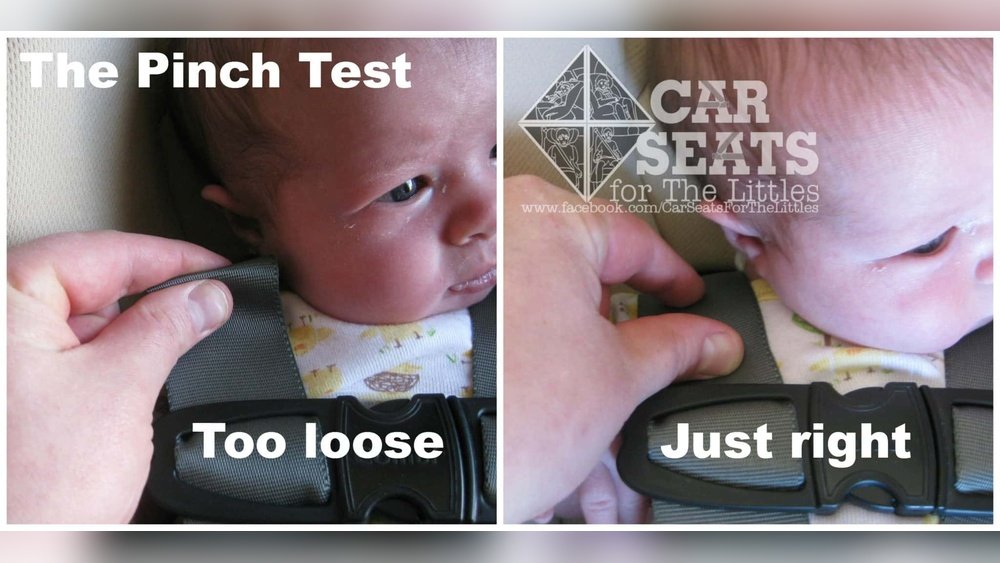
Straps should be snug but gentle on infants. You should not be able to pinch extra strap material at the shoulder. Keep the harness at or below shoulder level. This fit prevents slipping and supports their fragile bodies.
Toddlers
For toddlers, straps must stay tight across the chest and shoulders. Again, use the pinch test to check tightness. The harness should be at or just above the shoulders. This keeps toddlers secure during movement and sudden stops.
Older Children
Older kids often use booster seats with seat belts. Seat belts must lie flat and snug across the chest and hips. The belt should not twist or be loose. Proper fit reduces injury risk and encourages good posture.
How To Check Strap Tightness
Checking the tightness of car seat straps is key for child safety. Straps that are too loose may not protect well in a crash. Straps that are too tight can cause discomfort. Knowing how to check strap tightness helps keep your child safe and comfortable during every ride.
The Pinch Test
The pinch test is a simple way to check strap tightness. Try to pinch the strap near your child’s shoulder. If you can grab extra webbing between your fingers, the strap is too loose. Straps should lie flat and fit snugly against your child’s body. No slack should be pinchable.
Strap Placement Tips
Proper strap placement improves safety and comfort. Straps should sit at or just below your child’s shoulders for rear-facing seats. For forward-facing seats, place straps at or above the shoulders. Make sure straps are flat and not twisted. Buckle the chest clip at armpit level. This position keeps straps secure over the strongest parts of the body.
Common Mistakes With Seat Straps
Many parents struggle with car seat straps. They want to keep their child safe but make simple errors. These mistakes can reduce the straps’ protection. Knowing common errors helps fix them fast. This keeps children secure and comfortable during rides.
Twisted Straps
Straps should lie flat against the child’s body. Twisted straps create pressure points. This can cause injury in a crash. Twisted straps also reduce the harness’s strength. Always check and straighten straps before every trip.
Incorrect Harness Height
The harness height must match the child’s shoulders. Too high or too low weakens the hold. For rear-facing seats, straps go below the shoulders. For forward-facing seats, straps go at or above. Adjust the height as your child grows.
Loose Chest Clip
The chest clip keeps straps in the right place. It should be at armpit level. Too low or too high lets straps slip off. Loose clips reduce safety during sudden stops. Snap the clip firmly but comfortably every time.
Adjusting Straps For Comfort And Safety
Adjusting car seat straps correctly is key for both comfort and safety. Straps that are too loose risk letting the child move too much. Straps that are too tight can cause discomfort and even skin irritation. Finding the right balance helps protect your child while keeping them calm during trips.
Balancing Tightness And Movement
Straps should hold your child snugly without squeezing. You want to limit movement but allow some wiggle room. A good test is the “pinch check.” Try to pinch the strap at the shoulder. If you can pinch extra webbing, the strap is too loose. If it feels tight and won’t move, it might be too tight. Adjust until you feel just a small amount of slack. This ensures the child stays secure without feeling trapped.
Seasonal Clothing Considerations
Thick winter coats can affect strap tightness. Bulky clothes make straps seem tighter than they are. It’s safer to remove heavy coats before strapping your child in. Instead, cover your child with a blanket after buckling. In warmer weather, lighter clothes make it easier to get a snug fit. Always check straps after dressing your child to keep the fit just right.

Credit: www.youtube.com
Maintenance And Inspection Of Seat Straps
Maintaining and inspecting car seat straps is important for safety. Straps keep passengers secure during travel. Damaged or worn straps may fail in an accident. Regular checks help catch problems early. Proper care extends the life of the straps. A little attention can prevent big issues.
Regular Wear And Tear Checks
Check straps often for signs of damage. Look for fraying, cuts, or weak spots. Make sure stitching is intact and strong. Test the buckles to see if they latch securely. Replace any strap that shows significant wear. Don’t use straps that are torn or damaged. Safety depends on strong, reliable seat straps.
Cleaning And Care Tips
Keep straps clean to avoid dirt buildup. Use mild soap and warm water for cleaning. Avoid harsh chemicals that may weaken fabric. Let straps air dry completely after washing. Do not put straps in a dryer. Clean straps work better and last longer. Regular care keeps straps safe and strong.

Credit: saferide4kids.com
Frequently Asked Questions
How Tight Should Car Seat Straps Be?
Car seat straps should be snug enough to lie flat without slack. You must not pinch any excess strap at the shoulder. Proper tightness ensures maximum safety in a crash.
Why Is Tightness Important For Car Seat Straps?
Tight straps keep your child secure and prevent movement during impact. Loose straps can cause serious injuries by allowing excessive movement. Correct tightness reduces injury risks significantly.
How To Check If Car Seat Straps Are Tight Enough?
Perform the “pinch test” by trying to pinch the strap near the shoulder. If you cannot pinch any excess webbing, the straps are tight enough. This simple test ensures proper strap tightness.
Can Straps Be Too Tight On A Car Seat?
Yes, straps that are too tight can cause discomfort or restrict breathing. Straps should be snug but not painful or restrictive. Comfort and safety must both be balanced.
Conclusion
Car seat straps must be snug but not too tight. You should feel no slack, yet your child should stay comfortable. Straps that are too loose can be unsafe. Straps that are too tight can cause discomfort or injury. Check the fit often as your child grows.
Adjust straps to keep your child safe on every trip. Safety and comfort go hand in hand with proper strap tension. This simple step protects your child in every ride.
