

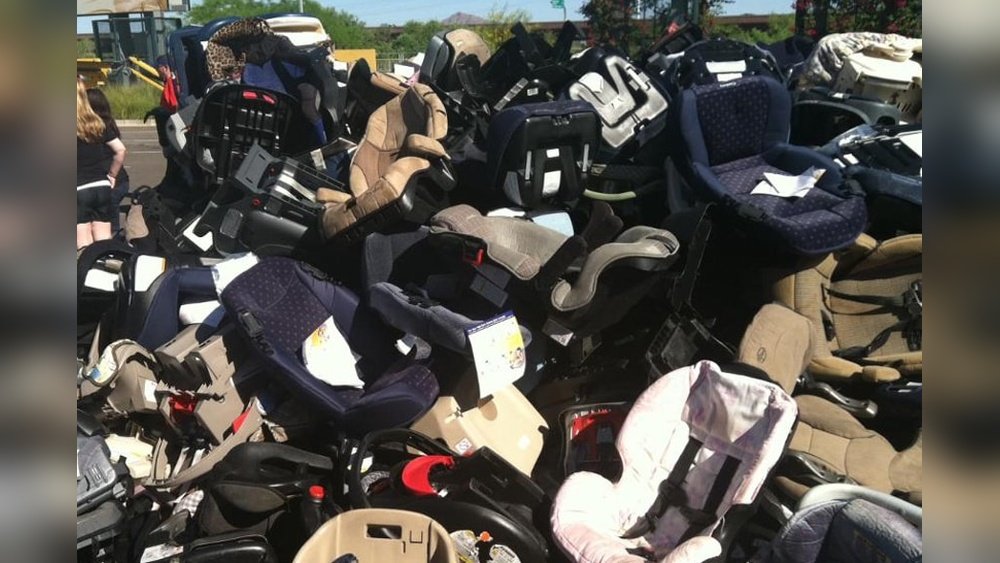
Are you wondering what to do with your old car seat? Maybe your child has outgrown it, or it’s no longer safe to use.
You might feel unsure about how to get rid of it properly. Tossing it in the trash isn’t always the best choice, and recycling can be confusing. You’ll discover simple and practical ways to dispose of your car seat safely and responsibly.
Keep reading to learn how to protect the environment and make the process easy for yourself.
Check Local Disposal Rules
Before throwing away a car seat, check your local disposal rules. Different places have different laws about how to get rid of car seats. Following these rules helps keep the environment safe and avoids fines. It also ensures the seat is disposed of properly.
Find Regulations In Your Area
Start by visiting your city or county website. Look for waste management or recycling sections. These pages often list rules for disposing of bulky items like car seats. Some areas may require you to remove certain parts before disposal. Knowing these rules saves time and trouble.
You can also call your local waste office. Ask about car seat disposal guidelines. They can tell you if special handling is needed. They may have specific days for bulky item pickup too.
Locate Disposal Facilities
Find local facilities that accept car seats. Recycling centers or hazardous waste sites often handle them. These centers may recycle parts or safely destroy harmful materials. Some places have drop-off points dedicated to child safety seats.
Check if donation centers accept used car seats too. Some programs accept seats that meet safety standards. This option helps families in need and reduces waste.
Prepare Car Seat For Disposal
Preparing a car seat for disposal is an important step. It helps with recycling and safe trash handling. Taking apart the seat makes the process easier. Separate the parts by material type. This also reduces waste in landfills.
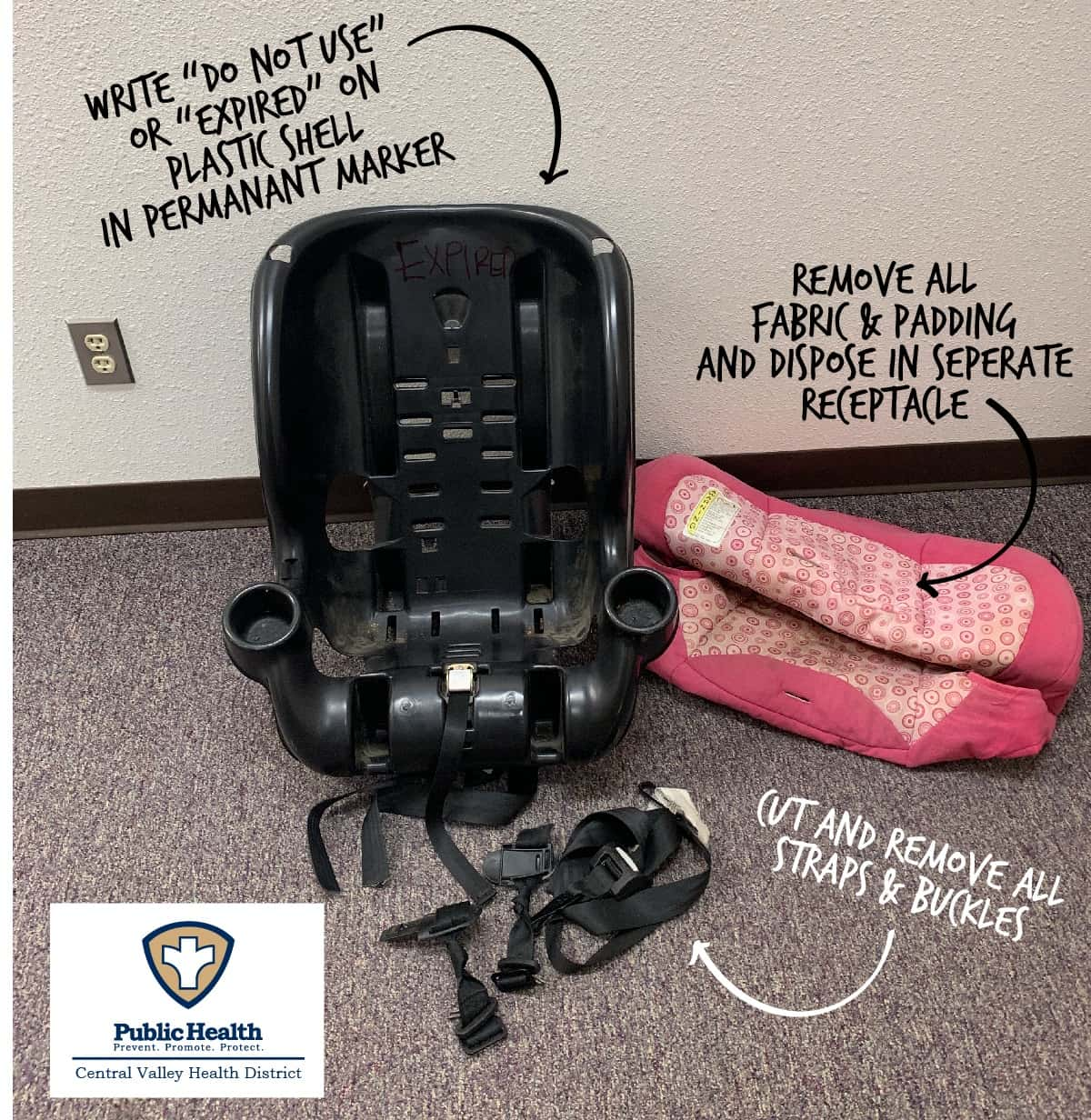
Remove Fabric And Padding
Start by taking off the fabric cover. Most covers have snaps or elastic bands. Carefully pull the fabric away from the frame. Remove all padding inside the seat. Foam or soft materials should be separated. These parts cannot go with metal or plastic.
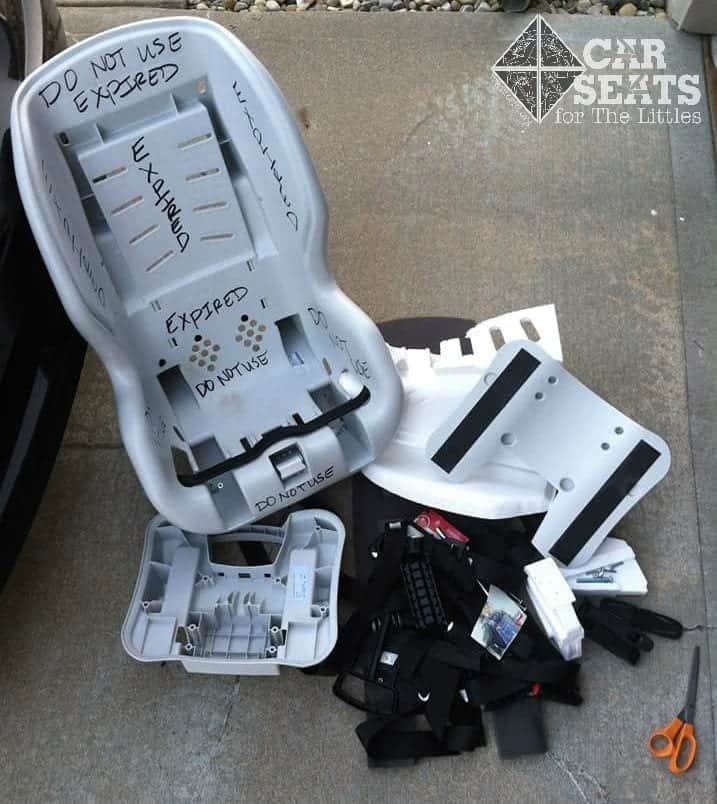
Separate Metal And Plastic Parts
Next, find screws or bolts holding parts together. Use tools to unscrew metal pieces. Separate the metal frame from plastic parts. Keep metal and plastic in different piles. This helps recycling centers process them correctly. Avoid mixing materials to save time and effort.
Donation Options
Donating a car seat helps reduce waste and supports others in need. Many organizations accept used car seats that are still safe and clean. Donation options offer a way to give your car seat a second life. Before donating, check the seat’s expiration date and condition. Make sure it meets safety standards. This ensures the seat is safe for another child.
Donate To Charities
Charities often take car seats to help families who cannot afford new ones. Some focus on children’s safety and provide car seats to low-income families. Contact local charities to see if they accept used seats. Clean the seat and remove any accessories before donating. This makes the process easier and more hygienic. Donations to charities can make a big difference in your community.
Give To Friends Or Family
Friends and family might need a car seat for their children. Passing your seat to someone you know ensures it stays safe and cared for. Check the car seat’s condition together before handing it over. Explain the seat’s features and how to use it properly. Sharing with loved ones is a simple, trustworthy way to extend the seat’s use.
Credit: www.newsdakota.com
Recycling Possibilities
Recycling car seats helps reduce waste and protect the environment. Many parts of a car seat can be recycled instead of thrown away. Knowing which parts to recycle and where to take them is important. This section explains how to recycle car seats properly.
Identify Recyclable Components
Car seats have metal, plastic, and fabric parts. Metal parts like the frame can be recycled easily. Hard plastic pieces are also recyclable at many centers. Fabric and foam are harder to recycle but some places accept them. Removing non-recyclable parts first helps. Sorting parts by type makes recycling easier and more efficient.
Use Specialized Recycling Programs
Some recycling centers accept car seats only through special programs. These programs handle car seats safely and recycle many parts. Check local waste facilities for car seat drop-off days. Some stores and manufacturers offer take-back programs. These programs ensure car seats do not end up in landfills. Using these services supports responsible recycling efforts.
Safe Disposal Tips
Disposing of car seats safely protects children and the environment. Old seats can pose risks if reused incorrectly. Proper disposal stops accidents and pollution. Follow simple tips to handle car seats with care. This way, you keep safety a top priority while removing old seats.
Prevent Misuse Of Old Seats
Remove all straps and buckles before disposal. Cut them into small pieces to stop reuse. Write “Do not use” on the seat with a permanent marker. Remove padding or foam that can be reused. This helps ensure no child uses a damaged or expired seat.
Dispose Of Damaged Seats Properly
Do not throw car seats in regular trash. Check local recycling centers for special disposal options. Some areas offer programs to recycle car seats safely. You can also contact waste facilities for guidance. Proper disposal avoids harmful chemicals from polluting soil and water.
Credit: csftl.org
Eco-friendly Alternatives
Disposing of a car seat responsibly helps protect the environment. Many old car seats end up in landfills, which harms nature. Choosing eco-friendly alternatives reduces waste and saves resources. These options give old car seats a new purpose or replace them with greener choices.
Upcycle Old Car Seats
Old car seats can become useful items. Turn the fabric into cushions or pet beds. Use the frame to create small furniture pieces. Craft projects like these lower waste and add value to old materials. Upcycling keeps car seats out of landfills and supports a cleaner planet.
Choose Sustainable Replacement Options
Pick car seats made from recycled or natural materials. Some brands use eco-friendly fabrics and plastics. These seats last long and have less environmental impact. Choosing sustainable products helps reduce pollution and saves energy. It also supports companies that care about the planet.
Credit: csftl.org
Frequently Asked Questions
How Do I Safely Dispose Of A Car Seat?
To dispose of a car seat safely, first check for local recycling programs. Remove any metal parts and padding. Many areas offer special recycling or drop-off sites for car seats. Avoid throwing it directly in the trash to prevent environmental harm.
Can I Donate An Old Car Seat?
Donating an old car seat is possible only if it meets current safety standards. Ensure the seat is clean, not expired, and has no damage. Many charities accept gently used car seats, but always verify their acceptance policies beforehand.
Where Can I Recycle A Car Seat Near Me?
You can recycle car seats at designated recycling centers or special collection events. Check with your local waste management or recycling program for details. Some baby stores and fire stations also accept car seats for recycling.
Is It Legal To Throw Away A Car Seat?
Throwing away a car seat is legal but not environmentally friendly. Many car seats contain recyclable materials and hazardous components. Proper disposal or recycling is recommended to reduce landfill waste and promote safety.
Conclusion
Disposing of a car seat safely protects children and the environment. Always check local rules before throwing it away. Many places offer recycling or donation options for old seats. Removing parts correctly helps with recycling. Never use a car seat after a crash.
Taking these steps keeps roads and homes safe. Remember, proper disposal is simple and important. You can make a positive impact with small actions. Stay responsible and keep safety a top priority.
