

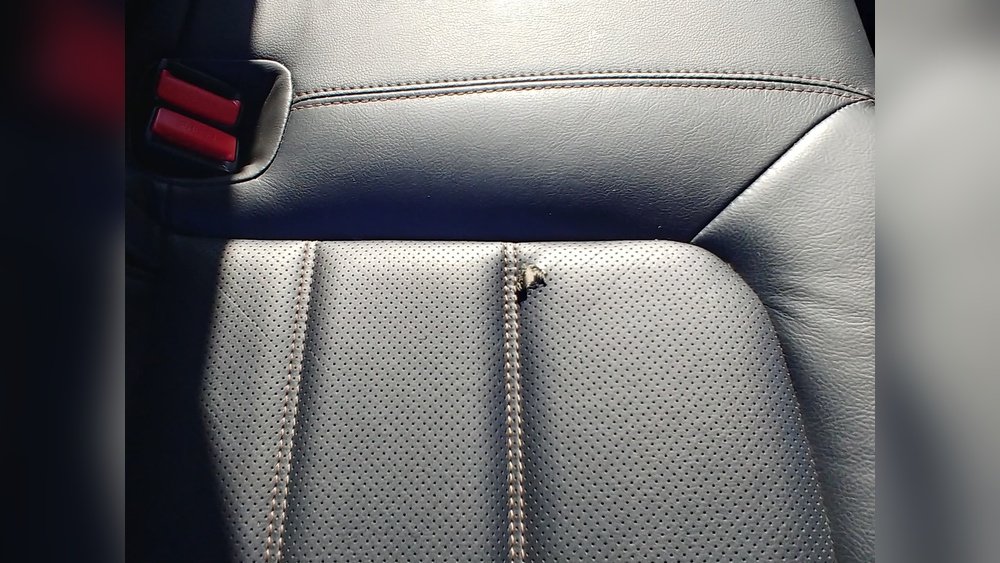
Your car’s leather seats add a touch of luxury and comfort, but a small cut can quickly ruin that look. You might worry that fixing it will be expensive or complicated.
The good news? Repairing a small cut in your leather car seat is easier than you think—and you can do it yourself. Keep reading, and you’ll learn simple, effective steps to restore your seat’s smooth, flawless appearance without spending a fortune or needing special skills.
Don’t let a tiny tear turn into a big problem—let’s fix it now!
Tools And Materials Needed
Repairing a small cut in a leather car seat is easier with the right tools. Using proper materials helps fix the damage and keeps the leather looking good. Prepare everything before starting to avoid delays and get better results.
Essential Repair Kits
Leather repair kits contain key items for fixing cuts. These kits usually include leather glue, filler, and color compounds. A small spatula or applicator helps spread the filler smoothly. Some kits come with sandpaper to smooth the surface after filling the cut. Choose a kit that matches your leather color for a natural look.
Additional Supplies
Besides the repair kit, some extra supplies improve the repair process. Use rubbing alcohol and a clean cloth to clean the area. Tweezers help remove any loose threads or debris from the cut. A fine brush can help apply color evenly. Keep a hairdryer or heat tool nearby to speed up drying times.

Credit: www.reddit.com
Preparing The Damaged Area
Preparing the damaged area is the first step to fix a small cut in a leather car seat. This step ensures the repair lasts longer and looks better. Clean and smooth surfaces help the repair materials stick well. Proper preparation makes the repair easier and more effective.
Cleaning The Leather
Start by cleaning the leather around the cut. Use a soft cloth with mild soap and water. Gently wipe the area to remove dirt and oils. Avoid harsh chemicals that can damage the leather. Let the leather dry completely before moving to the next step.
Trimming Loose Threads
Look closely at the edges of the cut. Use small scissors to trim any loose threads or fibers. Removing loose parts prevents bumps under the repair. Be careful not to cut more leather than needed. Clean edges help the patch or filler hold tightly.
Choosing The Right Repair Method
Choosing the right repair method is important for fixing a small cut in your leather car seat. The size and depth of the cut help decide which method to use. Each option has its own tools and steps. Pick the one that fits your skill level and the type of damage.
Using Leather Glue
Leather glue works well for small, clean cuts. It bonds the edges of the cut together. Apply a thin layer of glue to both sides of the cut. Press the edges gently until they stick. Let the glue dry completely before using the seat.
This method is quick and easy. It keeps the seat looking smooth. Avoid using too much glue. It can make the repair stiff or visible.
Applying A Patch
Using a patch is good for larger or deeper cuts. Cut a piece of leather that matches your seat. Make the patch slightly bigger than the cut. Place glue on the back of the patch and the seat. Press the patch firmly onto the cut area.
This method covers the damage well. It adds strength to the weak spot. Trim any extra edges for a neat finish.
Using A Leather Repair Kit
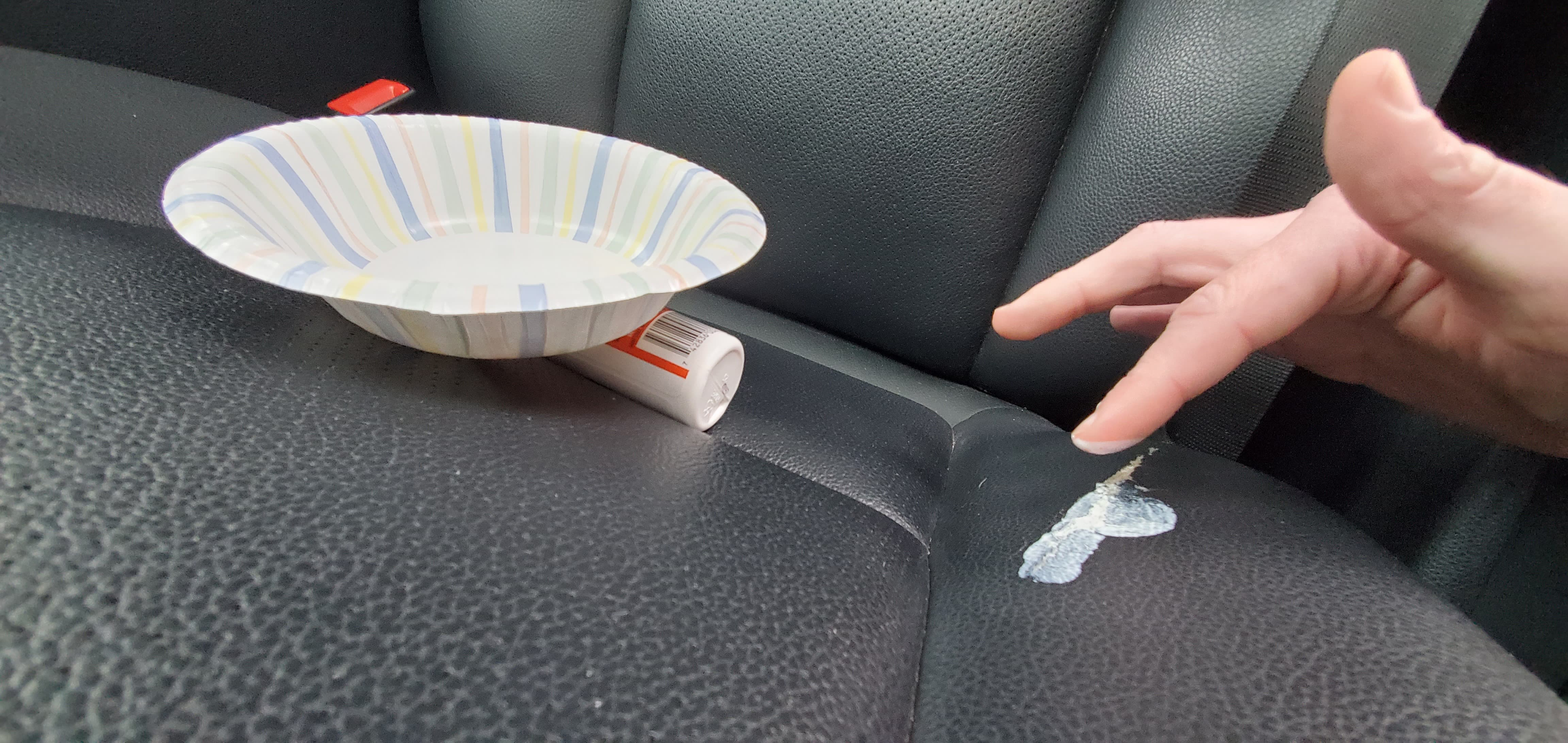
Leather repair kits have everything needed for most small cuts. They include glue, filler, color compounds, and tools. Clean the cut first. Apply filler to fill gaps inside the cut. Let it dry and sand it smooth.
Match the color with the kit’s color compounds. Use a sponge or brush to apply. Finish with a sealant to protect the repair. Kits give a near-original look to your seat.
Credit: www.tearmender.com
Step-by-step Repair Process
Repairing a small cut in your leather car seat is simple with the right steps. Follow this easy process to fix the damage and keep your seat looking good. Each step helps restore the leather smoothly and lasts long. Take your time and work carefully for the best result.
Applying Adhesive
Start by cleaning the cut area gently with a soft cloth. Make sure no dirt or dust remains. Take a small amount of leather adhesive. Apply it carefully under the edges of the cut. Use a toothpick or a small brush for precision. Press the edges together softly. Let the adhesive dry for about 10 to 15 minutes. This step holds the leather pieces tightly.
Securing The Patch
Cut a leather patch slightly bigger than the cut. Use a patch that matches your seat’s color and texture. Apply adhesive on the back of the patch. Place the patch under the cut, inside the seat foam. Press the patch firmly to stick well. Place a heavy object on top for 20 minutes. This step strengthens the repair and hides the cut.
Blending And Coloring
After the adhesive dries, check the repaired area. Use a leather colorant that matches your seat color. Apply the color gently with a sponge or soft cloth. Dab the color on the repaired spot in thin layers. Let each layer dry before adding the next. Blend the edges so the repair looks natural. This step makes the fix less visible and smooth.
Drying And Finishing Touches
After repairing a small cut in your leather car seat, the next step is crucial. Drying and finishing touches protect your work and keep the leather looking great. Proper care here helps the repair blend well with the seat. It also stops new damage from forming.
Allowing Proper Dry Time
Let the repaired area dry completely before touching it. This can take several hours or even a full day. Avoid using heat sources like hair dryers. Heat can damage the leather and weaken the repair. Keep the car doors open or windows down for fresh air. Patience ensures the patch or filler sets firmly. A well-dried repair lasts longer and looks natural.
Conditioning The Leather
Once dry, apply a leather conditioner. This restores moisture and softness. Use a soft cloth to apply a small amount evenly. Conditioning prevents the leather from cracking or drying out. It also blends the repaired area with the rest of the seat. Let the conditioner absorb fully before sitting on the seat. Regular conditioning keeps your leather car seats healthy and strong.
Preventing Future Damage
Preventing future damage to your leather car seats is crucial for keeping them in good shape. Small cuts can grow worse without care. Taking steps now saves money and keeps your car looking fresh.
Regular attention helps leather stay soft and strong. Simple habits can stop cuts and cracks before they start. Follow easy tips to protect your seats every day.
Regular Maintenance Tips
Clean your leather seats often using a soft cloth. Use a cleaner made for leather to avoid harm. Wipe away dirt and dust gently. Dry the seats with a clean towel after cleaning.
Apply leather conditioner every few months. This keeps the leather soft and flexible. Soft leather is less likely to crack or tear. Avoid harsh chemicals that dry out the leather.
Check your seats regularly for small cuts or scratches. Fix minor damage quickly to stop it from getting worse. Early care extends the life of your leather seats.
Protective Measures
Use seat covers to protect leather from wear and tear. Covers shield the leather from sharp objects and spills. Choose covers that fit well and allow air flow.
Park your car in shade or use sunshades to block sunlight. Sunlight can fade and dry out leather. Cooler seats last longer and stay more comfortable.
Avoid sitting with sharp items in your pockets. Keys, pens, and tools can scratch or cut the leather. Handle items carefully when entering or leaving your car.

Credit: www.reddit.com
Frequently Asked Questions
How Do I Fix A Small Cut In Leather Car Seat?
To fix a small cut, clean the area first. Use a leather repair kit with adhesive and colorant. Apply glue under the cut, press edges together, then let it dry. Finish by applying colorant to blend the repair with the seat.
What Materials Are Needed To Repair Leather Car Seat Cuts?
You need a leather repair kit, including adhesive, filler, colorant, and a textured pad. Also, have cleaning supplies like mild soap and a soft cloth. Optional tools include a small spatula and sandpaper for smoothing the repair area.
Can I Repair Leather Car Seats Without A Professional?
Yes, small cuts can be repaired at home with a leather repair kit. Follow instructions carefully for cleaning, gluing, and coloring. DIY repair saves money and restores appearance when done correctly and patiently.
How Long Does Leather Car Seat Repair Take?
Repairing a small cut usually takes 30 to 60 minutes. Drying time varies, typically a few hours for adhesive and colorant to set fully. Patience ensures a durable and invisible repair.
Conclusion
Repairing a small cut in your leather car seat is simple and quick. Follow the steps carefully for the best results. Using the right tools helps fix the damage well. Taking care of your car seat keeps it looking good longer.
Small repairs stop cuts from getting bigger. You can save money by doing this yourself. Keep your leather clean and protected to avoid future damage. A little effort goes a long way in maintaining your car’s interior.
