

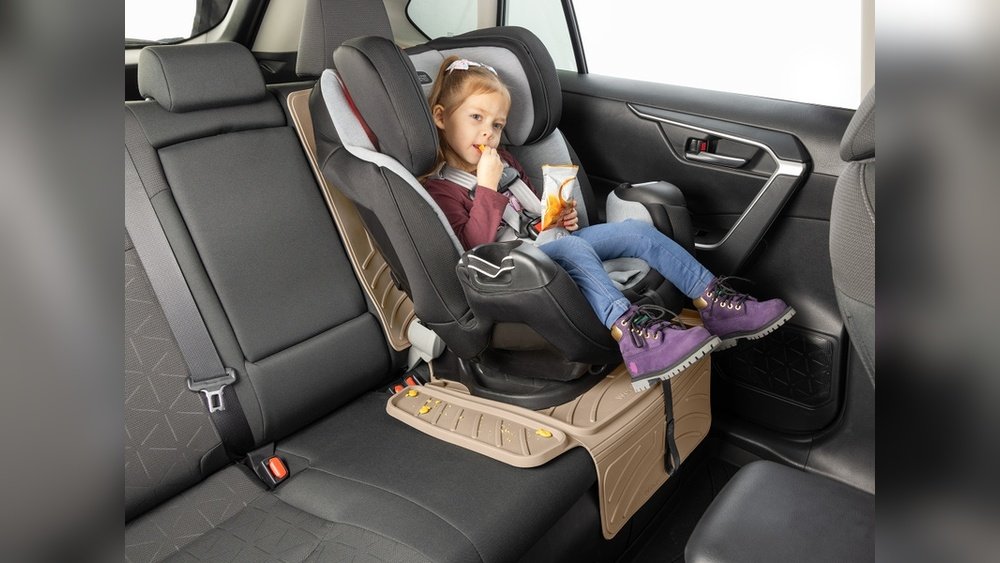
Are you worried about keeping your car seats clean and damage-free? Seat protectors seem like an easy fix, but you might be asking yourself: Are seat protectors for car seats really safe?
You want to protect your investment without risking comfort or safety. You’ll discover the truth about seat protectors—how they work, what to watch out for, and how to choose the right one for your car. Keep reading to make sure your seats stay safe and comfortable every time you drive.
Safety Concerns With Seat Protectors
Seat protectors help keep car seats clean and damage-free. Yet, some safety concerns arise with their use. These concerns focus on how protectors affect car safety features and materials. Understanding these issues helps you choose the right seat protector without risking safety.
Impact On Airbag Deployment
Seat protectors can block side airbags hidden in car seats. These airbags need clear space to open during a crash. A thick or poorly fitted protector may delay or stop airbags from working. This delay can increase injury risk in accidents.
Interference With Seat Sensors
Modern cars have sensors in seats to detect passengers. These sensors control airbags and seatbelt alerts. Some seat protectors interfere with sensor signals. This interference can cause airbags not to deploy or false warnings to appear.
Material Flammability Risks
Materials used in seat protectors vary in flammability. Some fabrics catch fire easily and burn quickly. This risk is higher if the protector is near heat sources or sparks. Choose protectors made from fire-resistant materials for safety.

Credit: www.liftingitalia.com
Types Of Seat Protectors
Seat protectors help keep car seats clean and safe. They stop spills, dirt, and damage. Different types suit different needs. Choosing the right one matters for comfort and safety.
Seat protectors vary by fit, material, and safety features. Understanding these types guides better choices for your car.
Universal Vs. Custom Fit
Universal seat protectors fit most car seats. They offer easy installation and flexibility. Not all seats fit perfectly, which can cause slipping.
Custom fit protectors match your car model. They hug the seat tightly and stay in place. These protectors offer better protection and comfort.
Materials Used In Seat Protectors
Common materials include polyester, neoprene, and leather. Polyester is lightweight and easy to clean. Neoprene offers water resistance and cushioning.
Leather looks stylish and lasts long but needs care. Choose materials that suit your car use and climate.
Features That Enhance Safety
Non-slip backing keeps the protector from sliding. Padding protects the seat and improves comfort. Some have reinforced areas for child seat anchors.
Breathable fabrics prevent moisture build-up. Easy cleaning helps maintain hygiene. These features keep you and your car seat safe.
Effects On Car Seat Functionality
Seat protectors can change how car seats work. They add a layer between the seat and the user. This layer can affect safety and comfort. Understanding these effects helps you decide if a seat protector is right for your car.
Seat Belt Accessibility
Seat protectors may cover seat belt anchors or buckles. This can make it harder to fasten the seat belt quickly. Some protectors have cutouts for belts, but not all fit well. A poor fit can block the belt or cause it to twist. Always check if the protector keeps seat belts easy to reach.
Child Seat Compatibility
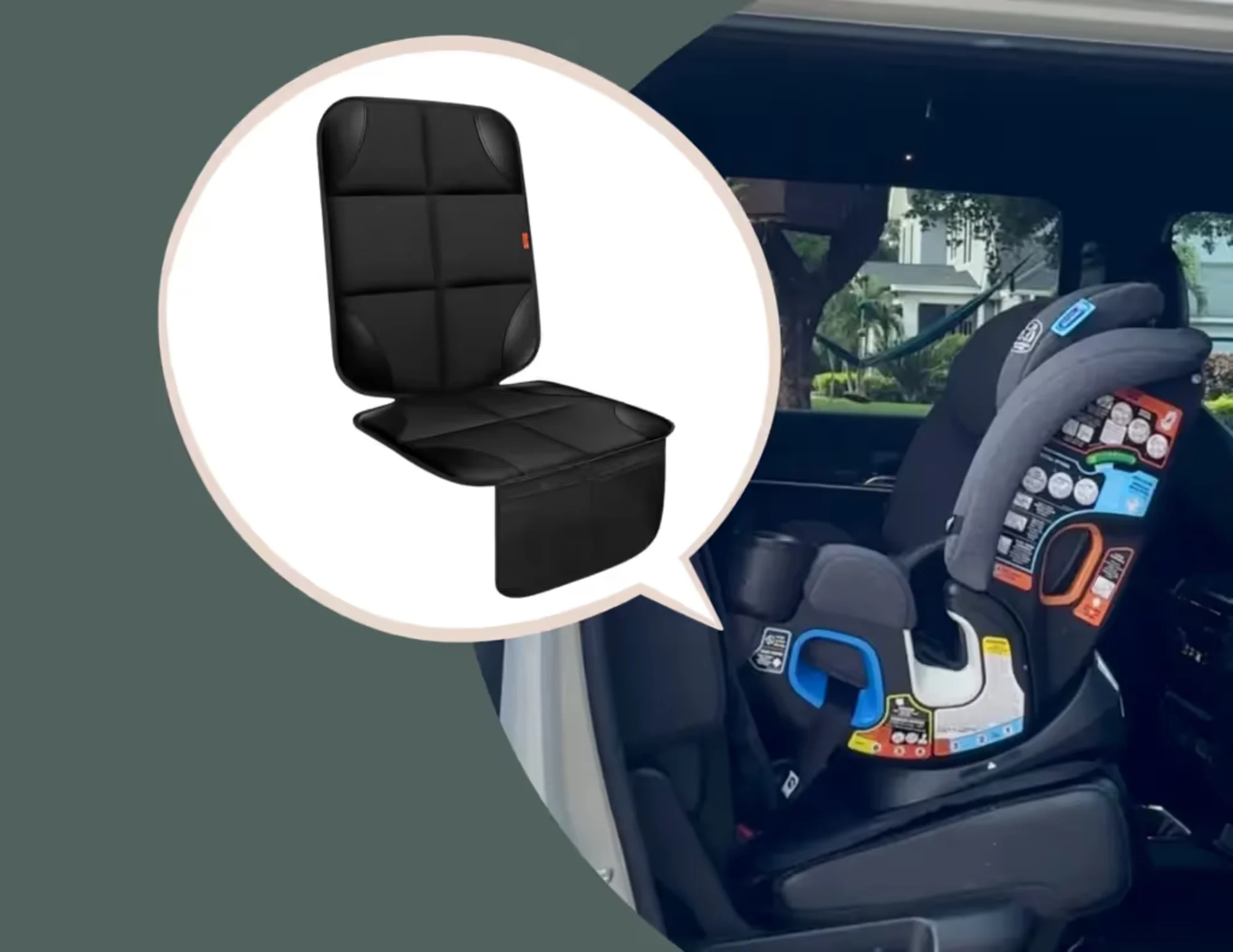
Child seats need a secure and flat surface. Thick or soft protectors can change the seat shape. This may affect how tightly a child seat fits. It might also alter the angle of the child seat. Some protectors interfere with LATCH anchors. Testing the child seat with the protector is important for safety.
Comfort And Support Changes
Seat protectors add padding or texture to the seat. This can change how the seat feels. Some protectors make seats softer, which may reduce support. Others cause heat buildup or slipping. A protector that moves under you can cause discomfort. Choose a protector that keeps the seat comfortable and steady.
Credit: www.safeintheseat.com
Installation Tips For Safety
Installing seat protectors correctly ensures both safety and comfort. Poor installation can reduce protection and create hazards. Follow simple steps to keep the seat protector secure and safe.
Proper Positioning Techniques
Place the seat protector flat on the seat surface. Align edges with the seat shape. Avoid folding or bunching the protector. Make sure it covers the entire seat area. Proper fit prevents slipping and discomfort during rides.
Securing Seat Protectors Firmly
Use straps, clips, or hooks provided with the protector. Tighten all fasteners firmly but without damage. Check that the protector does not move when you press it. A secure fit stops the protector from sliding under passengers or car seats.
Avoiding Common Installation Mistakes
Do not block seat belts or airbags. Avoid placing the protector under seat belts incorrectly. Never use damaged protectors or missing parts. Keep the protector away from moving parts like seat adjustment levers. Check installation regularly to ensure ongoing safety.
Expert Recommendations
Experts give clear advice about seat protectors for car seats. Safety is the main concern. Choosing the right protector can keep your car seats safe without risking damage or hazards. Follow expert tips to make smart choices for your vehicle.
Brands Known For Safety Standards
Experts recommend buying from brands that follow strict safety rules. These brands test their seat protectors carefully. They use materials that do not block airbags or affect seat sensors. Trusted brands often list safety certifications on their products. This helps buyers feel confident about their purchase.
When To Avoid Using Seat Protectors
Experts warn against using seat protectors on some seats. Avoid using them on seats with built-in airbags or special sensors. Seat protectors can block airbags from working correctly. Also, do not use protectors that do not fit well. Poor fit can cause slipping or damage to the seat.
Regular Inspection And Maintenance
Experts advise checking seat protectors regularly. Look for tears, cracks, or loose parts. Damaged protectors may harm your car seat or stop working. Clean the protectors often to avoid dirt buildup. Proper care extends their life and keeps your car safe.

Credit: www.weathertech.com
Frequently Asked Questions
Are Seat Protectors Safe For Car Seats?
Yes, seat protectors are safe when properly installed. They prevent spills and damage without harming airbags or seat functions.
Can Seat Protectors Affect Airbag Deployment?
Quality seat protectors are designed to avoid interfering with airbags. Always choose models tested for airbag compatibility to ensure safety.
Do Seat Protectors Cause Seat Damage Over Time?
No, good seat protectors prevent wear and tear. Poor-quality protectors might trap moisture, so choose breathable, high-quality materials.
How Do Seat Protectors Impact Child Car Seat Safety?
Proper seat protectors do not compromise child seat installation. Use protectors that fit securely without interfering with car seat anchors.
Conclusion
Seat protectors can keep car seats clean and safe. They help stop spills, dirt, and wear from damaging seats. Choose protectors that fit well and do not block airbags or seat belts. Check materials to ensure they do not cause heat or discomfort.
Using seat protectors wisely supports both safety and comfort. Protect your car seats without risking harm. Simple care can extend your car’s seat life. Seat protectors are a helpful tool when used carefully.
