

Have you ever wondered if your car seat has an expiration date? Knowing exactly where to find this important information can keep your child safe and give you peace of mind.
If you’re unsure about how old your car seat really is or where to check for its expiration, you’re not alone. You’ll discover the simple steps to locate the expiration date on your car seat and why it matters more than you might think.
Keep reading to make sure your little one is always riding safely.
Credit: consumercare.coscokids.com
Locating The Expiration Date On Car Seats
Finding the expiration date on a car seat is important for safety. Car seats wear out over time. The materials can weaken, making the seat less safe. Knowing where to find the expiration date helps you use the seat safely. It also tells you when to replace it. The date is often hidden or small. Learning common spots saves time and effort.
Common Placement Areas
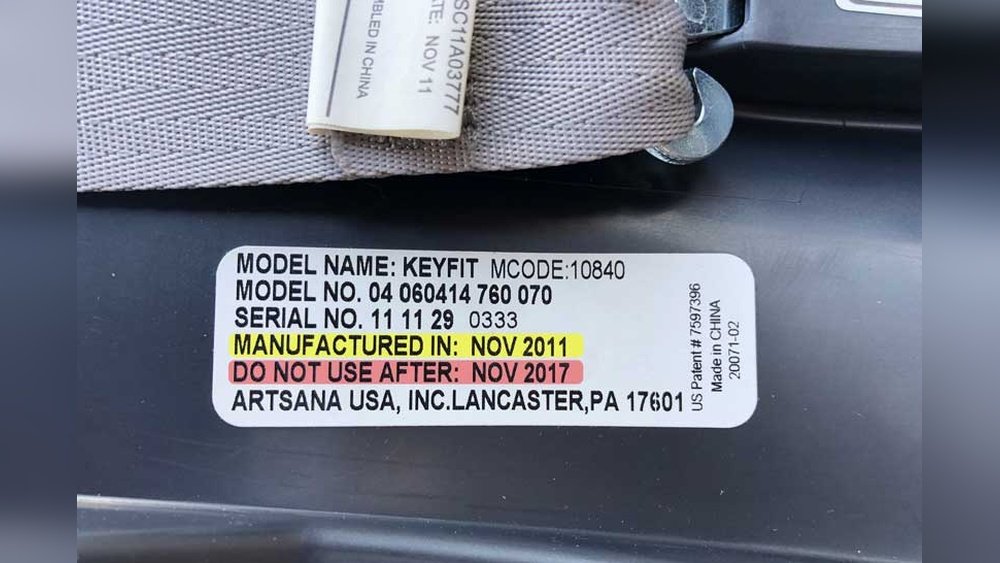
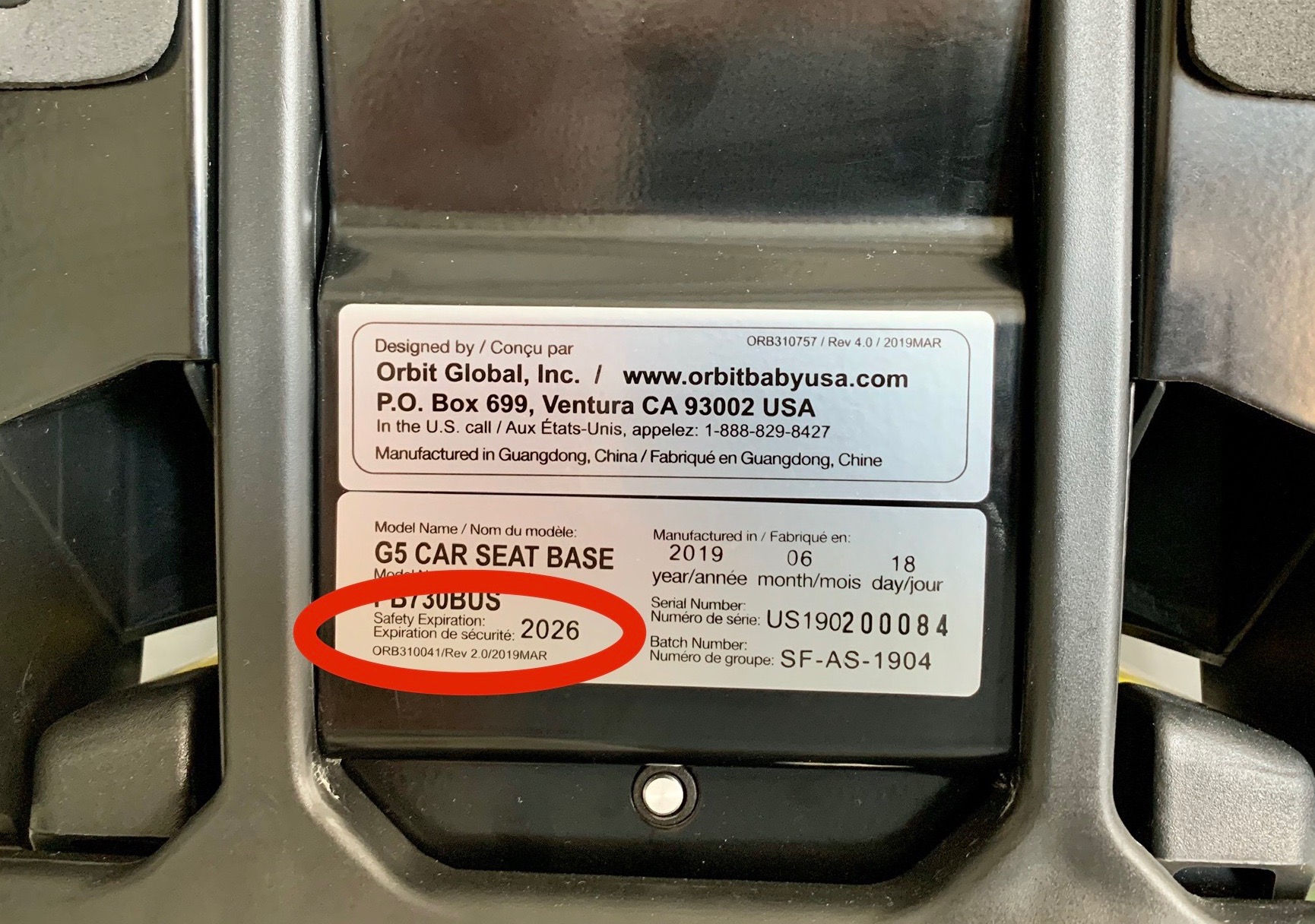
Most car seats have the expiration date printed on a label. It usually appears on the back of the seat. Sometimes, the date is on the bottom of the seat. The side of the seat near the base is another common area. Check these spots first. They are easy to access and often have clear printing.
Labels And Stickers To Check
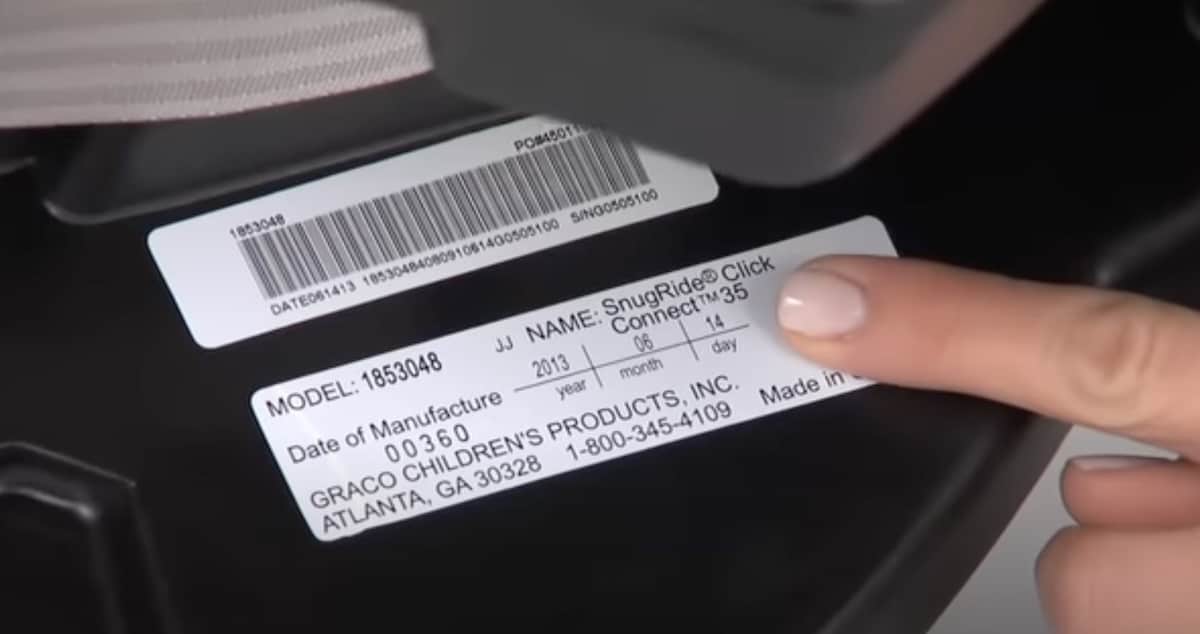
Look for white or clear labels with black text. These labels show the model number and manufacturing date. The expiration date is nearby or included. Some seats have a plastic sticker instead of a label. The sticker might be shiny or smooth. Both labels and stickers can fade, so check carefully.
Hidden Spots To Inspect
Sometimes, the expiration date is harder to find. Check under the fabric covers or padding. The date may be printed on the plastic shell inside. Remove or lift parts carefully to avoid damage. Some car seats have the date stamped on the metal frame. Use a flashlight for better visibility in dark spots.
Credit: support.orbitbabyusa.com
Why Expiration Dates Matter
Car seat expiration dates are not just suggestions. They are important for your child’s safety. Over time, car seats can weaken or lose protection. Knowing why expiration dates matter helps you keep your child safe on every ride.
Safety Risks Of Expired Seats
Expired car seats may have worn-out parts. Plastic and straps can become brittle or cracked. This damage reduces the seat’s ability to protect your child during a crash. Old seats may also fail to meet current safety standards. Using an expired seat increases the risk of injury.
Manufacturer Recommendations
Car seat makers set expiration dates for a reason. They test seats for a certain number of years. After that, parts may not work as designed. Manufacturers advise not to use seats beyond their expiration. Following these guidelines ensures your seat offers full protection.
Legal Implications
Some states have laws about car seat expiration. Using an expired seat may lead to fines or penalties. Law enforcement officers can check car seats during traffic stops. Staying within expiration rules avoids legal trouble and keeps your child safe.
How To Read The Expiration Date
Knowing how to read the expiration date on a car seat is key to keeping your child safe. The date is often hidden in plain sight. It appears as a series of numbers or codes. Understanding these helps you check if the seat is still good to use. Below, learn the common date formats and how to interpret them.
Date Formats Used
Car seat expiration dates show up in several ways. The most common format is month and year. For example, 08/25 means August 2025. Some seats use the day as well. This looks like 08-15-2025. Occasionally, you might see only the year, like 2025. Always check the label carefully. It is often near the bottom or back of the seat.
Interpreting Codes And Stamps
Some car seats use codes instead of clear dates. These codes may include letters and numbers. They represent the manufacture date or expiration date. For instance, a code might say “MFG 032018”. This means made in March 2018. The expiration is usually six years after. Look for “EXP” or “USE BY” on the label. These mark the exact expiration date.
Examples From Popular Brands
Graco often prints the expiration date near the bottom. It appears as MM/YYYY or MM-YYYY. Evenflo uses a stamped code with “EXP” next to it. Britax usually shows the expiration date on a sticker. It uses MM/YYYY format too. Reading the label carefully helps you find the right date. Each brand places it in a slightly different spot.
Factors Affecting Car Seat Lifespan
Car seat lifespan depends on several important factors. These factors affect safety and comfort. Knowing them helps parents decide when to replace a car seat. Every car seat has an expiration date based on these elements.
Material Degradation
Car seats are made of plastic, fabric, and foam. Over time, these materials break down. Sunlight and heat speed up this process. Cracks or weak parts reduce safety. Fabric can wear out or fade. Worn padding lowers comfort and protection.
Accident History Impact
Car seats involved in accidents may lose strength. Even small crashes can cause hidden damage. This damage can make the seat unsafe. Manufacturers advise replacing seats after any crash. Safety features may not work properly after impact.
Storage Conditions
Where and how you store a car seat matters. Heat and moisture can weaken materials. Leaving a seat in a hot car is harmful. Dampness can cause mold or mildew. Proper storage keeps the seat in good shape longer.
Steps To Take When A Car Seat Expires
Knowing the car seat expiration date is important for child safety. Once the seat expires, it no longer meets safety standards. Follow clear steps after a car seat expires to keep your child safe. These steps help with safe disposal and choosing the right replacement.
Safe Disposal Methods
Do not throw an expired car seat in the trash as is. Remove the straps and padding first. Cut the harness to prevent reuse. Mark the seat clearly as expired with a permanent marker. This stops anyone else from using it by mistake. Dispose of the seat according to local waste rules. Some areas have special disposal programs for car seats.
Choosing A Replacement Seat
Select a car seat that fits your child’s current size. Check the seat’s expiration date before buying. Look for seats with good safety ratings. Follow the user manual for proper installation. Avoid used seats without full history and no expiration label. A new seat ensures the best protection for your child.
Recycling Options
Many parts of a car seat can be recycled. Contact local recycling centers to ask if they accept car seats. Some manufacturers offer recycling programs. Remove metal parts and recycle them separately if possible. Recycling helps reduce waste and protects the environment. Always check recycling rules in your area first.
Credit: southernmaineonthecheap.com
Frequently Asked Questions
Where Is The Car Seat Expiration Date Located?
The car seat expiration date is usually found on a sticker or molded into the plastic shell. Check the back, bottom, or side of the seat for a label showing the month and year of expiration.
Why Do Car Seats Have Expiration Dates?
Car seats expire because materials degrade over time. Safety standards also change, so expired seats may not provide adequate protection in a crash.
How Long Do Car Seats Typically Last?
Most car seats have a lifespan of 6 to 10 years. Always refer to the manufacturer’s instructions for the exact expiration period.
Can I Use An Expired Car Seat Safely?
Using an expired car seat is unsafe. The materials weaken, and safety features may fail, increasing injury risks during accidents.
Conclusion
Finding the expiration date on a car seat helps keep your child safe. Usually, it is on a label at the bottom or back of the seat. This date shows when the seat may no longer protect well in a crash.
Always check it before use. Using an expired seat can be risky. Remember, safety comes first. Keep this tip in mind every time you use the car seat. Safety checks are simple but very important. Stay safe on every trip.
