

Have you ever faced the frustrating moment when your car seat gets stained with urine? It’s a common problem that can leave your car smelling unpleasant and looking messy.
But don’t worry—cleaning urine from your car seat is easier than you think. You’ll discover simple, effective steps to remove stains and odors quickly. Keep reading, and you’ll learn how to restore your car’s interior to fresh and clean in no time.
Your car deserves it, and so do you.

Credit: www.pandahub.com
Assess The Damage
Before cleaning urine from your car seat, assess the damage carefully. This step helps you choose the right cleaning method. Different seats and urine levels need different care. Take time to understand the problem clearly. It saves effort and prevents further damage.
Identify The Seat Material
Check what your car seat is made of. Common materials include leather, fabric, or vinyl. Leather needs gentle cleaning to avoid cracking. Fabric can absorb urine deeply. Vinyl is easier to wipe but can stain. Knowing the material guides your cleaning choice. It protects the seat while removing the smell and stain.
Check The Urine Extent
Look at how much urine is on the seat. Is it a small spot or a large area? Has the urine soaked through the cushion? Deep urine requires more thorough cleaning. Surface urine might need only a simple wipe. Also, note the time passed since the accident. Older stains and smells may need stronger treatment. Understanding the extent helps to act fast and effectively.
Gather Cleaning Supplies
Cleaning urine from car seats requires the right supplies. Having everything ready makes the process faster and more effective. Gather all necessary items before you start. This helps avoid interruptions and ensures a thorough clean.
Essential Cleaning Products
Start with a good enzyme cleaner. It breaks down urine and removes odors. Avoid harsh chemicals that can damage fabric. Use a mild detergent for extra cleaning power. Baking soda helps absorb moisture and neutralize smells. White vinegar is useful for disinfecting and removing stains. Always choose products safe for car upholstery.
Tools And Equipment Needed
Prepare soft cloths or microfiber towels to blot the area. A spray bottle helps apply cleaning solutions evenly. Use a soft-bristle brush to gently scrub the seat. Paper towels are handy for initial urine absorption. A wet-dry vacuum cleans up excess liquid and dirt. Gloves protect your hands during cleaning. Have a bucket ready for mixing cleaning solutions.
Initial Cleanup Steps
Cleaning urine from car seats starts with quick action. The faster you act, the easier it is to remove stains and smell. Initial cleanup stops urine from soaking deep into the fabric or foam beneath.
Follow these first steps to handle the mess carefully. This helps keep your car seats fresh and clean.
Blotting Excess Urine
Use a clean cloth or paper towel to blot the urine. Press gently without rubbing. Rubbing spreads the liquid and can damage the fabric. Replace the cloth as it soaks up urine to avoid reapplying moisture. Keep blotting until no more urine lifts from the seat.
Avoiding Spread And Stains
Keep the wet area contained. Avoid walking or sitting on it. If possible, place a waterproof cover over the spot. Do not use colored cloths that might bleed dye. This helps prevent new stains from forming. Work carefully to keep the mess from spreading to other parts of the seat.
Deep Cleaning Techniques
Deep cleaning car seats from urine stains removes odors and bacteria. It goes beyond surface cleaning. This method cleans deep into the fabric and padding. It helps restore the seat’s freshness and appearance.
Using Enzymatic Cleaners
Enzymatic cleaners break down urine molecules naturally. They target proteins and bacteria causing stains and smells. Spray the cleaner generously on the stained area. Let it sit for 10 to 15 minutes. This gives enzymes time to work effectively. Use a soft brush to gently scrub the spot. Wipe the area with a clean, damp cloth. Repeat if the odor or stain remains strong. These cleaners are safe for most fabrics and materials.
Homemade Cleaning Solutions
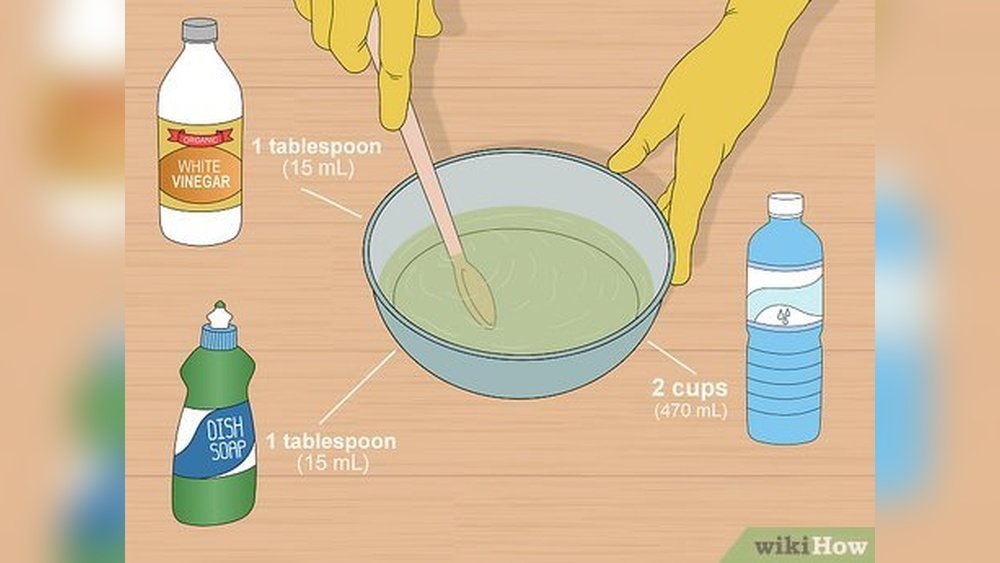
Mix one cup of white vinegar with two cups of warm water. Add two teaspoons of baking soda carefully; it will fizz. Stir the solution gently to combine. Pour it into a spray bottle for easy use. Spray the mixture over the urine stain. Let it sit for 10 minutes to break down the urine. Blot the area with a clean cloth until dry. This simple solution cleans and neutralizes odors. It is safe and inexpensive for regular use.
Drying And Deodorizing
After cleaning urine from your car seat, drying and deodorizing are key steps. Wet seats can trap moisture, causing mold and bad smells. Proper drying stops this and keeps the seat fresh. Deodorizing removes urine odors that regular cleaning might miss. Both steps work together to restore your car’s comfort.
Effective Drying Methods
Start by blotting the seat with clean towels. Press down to soak up as much liquid as possible. Avoid rubbing; it spreads moisture deeper. Use a wet-dry vacuum to pull out water from the seat. Open car windows and doors for air circulation. Park in a sunny spot to help dry faster. Use a fan or portable heater to speed up drying. Ensure the seat is completely dry before moving to deodorizing.
Removing Lingering Odors
Sprinkle baking soda on the dry seat. Let it sit for several hours to absorb smells. Vacuum the baking soda thoroughly. Use a fabric-safe enzyme cleaner to break down odor molecules. Spray lightly and allow it to air dry. Avoid strong-smelling sprays; they mask odors temporarily. Repeat deodorizing steps if the smell persists. Fresh air and time also help reduce stubborn urine odors.

Credit: kdfoundation.org
Preventing Future Incidents
Stopping urine stains and smells starts with prevention. Taking simple steps protects your car seats from future accidents. Clean seats keep your car fresh and comfortable. Follow easy habits to avoid tough cleaning later.
Protective Seat Covers
Use seat covers made from waterproof materials. They stop urine from soaking into the seat fabric. Covers are easy to remove and wash. Choose covers that fit well and stay in place. This saves time and keeps seats safe.
Regular Cleaning Habits
Clean your car seats often to prevent build-up. Wipe spills and dirt quickly before they set. Use mild cleaners that suit your seat material. Vacuum seats regularly to remove dust and crumbs. Clean seats reduce odors and keep your car nice.

Credit: www.moransperformancedetailing.com
Frequently Asked Questions
How To Remove Urine Smell From Car Seats?
To remove urine smell, clean the area immediately using a mixture of water and vinegar. Use an enzymatic cleaner to break down odor-causing molecules. Allow the seat to dry completely in fresh air to prevent lingering smells.
What Household Items Clean Urine From Car Seats?
Common household items like white vinegar, baking soda, and mild dish soap effectively clean urine stains. Vinegar neutralizes odor, baking soda absorbs moisture, and soap removes dirt. These items are safe and affordable for quick car seat cleaning.
Can Urine Damage Car Seat Fabric?
Yes, urine can damage car seat fabric by causing stains and unpleasant odors. If left untreated, urine can degrade fabric fibers and cause discoloration. Prompt cleaning prevents long-term damage and maintains seat appearance.
Is Enzymatic Cleaner Necessary For Urine Stains?
Enzymatic cleaners are highly effective for urine stains because they break down proteins causing odor. They penetrate deep into fabric and eliminate bacteria. Using enzymatic cleaners ensures thorough removal of urine smell and stains.
Conclusion
Cleaning urine from car seats is easier than you think. Act quickly to prevent stains and smells. Use gentle cleaners and soft cloths for best results. Let the seat dry completely to avoid mold. Regular cleaning keeps your car fresh and comfortable.
Small steps make a big difference. Keep your car seat looking and smelling good every day. Simple care protects your car’s value and your comfort. Try these tips and see the clean difference.
