

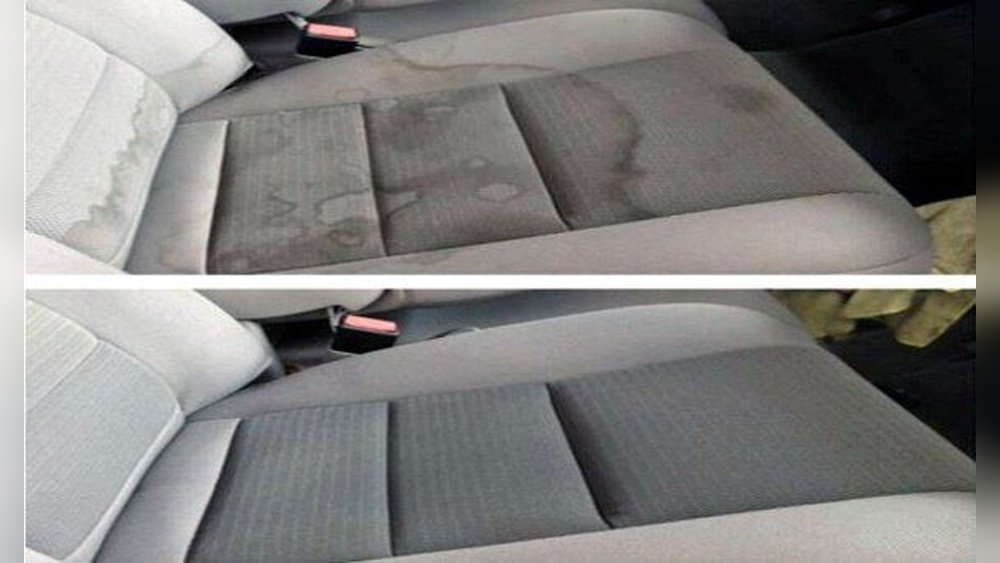
Your car seats are a big part of what makes your ride comfortable and inviting. But stains can quickly turn them into a source of frustration.
You might be wondering how to get rid of those stubborn marks without damaging the fabric or leather. What if you could restore your seats to looking fresh and clean, without spending hours or hiring expensive help? Keep reading, because this guide will show you simple, effective ways to tackle those stains and bring your car seats back to life.
You’ll feel proud every time you step into your car again.
Types Of Car Seat Stains
Car seats often face different types of stains. Knowing the kind of stain helps to clean it better. Stains vary by source and material of the seat. Each type needs special care to remove it effectively.
Understanding stain types makes cleaning easier and protects your car’s interior. Let’s explore common stain sources and how stains affect fabric and leather seats.
Common Stain Sources
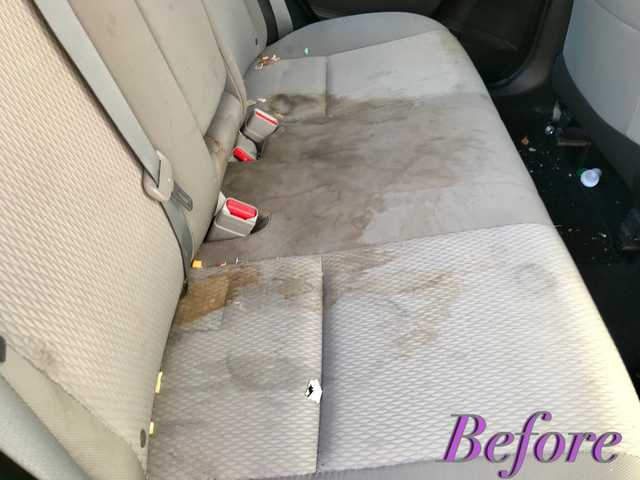
Food and drinks cause many car seat stains. Soda, coffee, and juice leave marks quickly. Grease and oil from hands or food also stain seats. Dirt and mud track in from shoes. Ink from pens is another tough stain type. Sweat and body oils build up over time too. Each source needs a unique cleaning approach.
Fabric Vs. Leather Stains
Fabric seats soak up liquids and stains fast. Spills can leave deep marks if not cleaned quickly. Fabric is more likely to hold odors from stains. Leather seats resist some stains but can be damaged by harsh cleaners. Leather needs gentle products to avoid drying or cracking. Stains on leather often sit on the surface, making them easier to wipe off. Both materials need proper cleaning for best results.

Credit: www.youtube.com
Essential Cleaning Supplies
Cleaning car seats requires the right supplies to remove stains effectively. Choosing the proper cleaners and tools makes the job easier and better. Using poor products can damage fabric or leave stains behind.
This section covers essential cleaning supplies. Knowing what to use helps keep your car seats fresh and spotless.
Recommended Cleaners
Pick cleaners made for car upholstery or fabric. Avoid harsh chemicals that can fade or weaken fabric. Mild soap mixed with water works well for light stains.
For tough stains, use a fabric cleaner designed for cars. These products break down dirt without harming the material. Always test cleaners on a small hidden spot first. This prevents unwanted damage.
Tools And Accessories
Gather soft brushes, microfiber cloths, and a spray bottle. Soft brushes help loosen dirt without scratching fabric. Microfiber cloths absorb moisture and lift stains effectively.
A spray bottle allows even cleaner application. Avoid soaking the seat to prevent mold or mildew. Having a vacuum cleaner is helpful to remove loose dirt before cleaning.
Pre-cleaning Preparation
Preparing car seats before cleaning is very important. It makes stain removal easier and more effective. Proper preparation helps protect your car’s interior parts. It also stops stains from spreading or setting deeper into the fabric.
Vacuuming And Dust Removal
Start by vacuuming the seats carefully. Use a vacuum with a brush attachment for best results. This removes dust, dirt, and loose debris. Pay attention to seams and crevices where dirt hides. Vacuuming stops dirt from mixing with cleaning solutions. It also prevents scratching the fabric during cleaning.
Protecting Car Interiors
Cover areas around the seats with plastic or old towels. Protect door panels, carpets, and dashboard from water or cleaner spills. Remove any loose items from the car. Avoid damage to electronics or interior trims. Protecting these parts keeps your car neat and safe during cleaning.
Cleaning Fabric Car Seats
Fabric car seats need regular cleaning to stay fresh and stain-free. Dirt and spills can quickly ruin their look. Simple cleaning methods help keep fabric seats neat without damage. Using gentle products protects the material and removes stains effectively. Follow these tips to clean fabric car seats safely and easily.
Diy Cleaning Solutions
Home cleaning solutions work well for fabric seats. Mix one cup of warm water with two tablespoons of mild dish soap. Add one tablespoon of white vinegar for extra cleaning power. Stir gently to combine without making too many bubbles. Use this mix to treat stains and refresh the fabric without harsh chemicals.
Step-by-step Stain Removal
Start by vacuuming the seats to remove loose dirt and dust. Dip a clean cloth in the DIY solution and wring out excess liquid. Gently blot the stained area; avoid rubbing to prevent spreading. Let the solution sit for five minutes to break down the stain. Use a clean, damp cloth to wipe away soap and dirt. Dry the seat with a towel or let it air dry completely. Repeat if the stain remains until the fabric looks clean again.
Cleaning Leather Car Seats
Leather car seats add style and comfort to your vehicle. They need special care to stay clean and soft. Stains on leather can look bad and damage the material. Cleaning leather seats correctly keeps them looking new longer. Use gentle methods to protect the leather surface and color.
Strong cleaners or scrubbing can harm leather. Choose products made just for leather. These clean dirt without drying or cracking the material. Regular cleaning also stops stains from setting deep in the leather.
Safe Products For Leather
Use mild leather cleaners or soaps made for car interiors. Avoid bleach, ammonia, or harsh chemicals. These products can fade or damage leather. Soft cloths or sponges work best to apply cleaners. Test any product on a small hidden spot first. This check prevents unexpected damage or discoloration.
Leather conditioners also help keep seats soft. They protect against dryness and cracking. Use a small amount and rub gently. Let the conditioner soak in before wiping off excess. This step improves leather’s look and feel.
Maintaining Leather Condition
Clean your leather seats regularly, about once a month. Dust and dirt can wear down the finish over time. Use a vacuum with a soft brush to remove loose dirt first. Wipe seats with a damp cloth to clear surface grime.
Keep seats away from direct sunlight when possible. UV rays cause leather to fade and crack. Park in the shade or use sunshades inside the car. Avoid sharp objects that can scratch or tear leather.
Leather needs moisture to stay flexible. Apply conditioner every two to three months. This habit keeps your seats smooth and prevents stiffening. Clean and conditioned leather seats last longer and look better.
Credit: www.drivebydetail.net
Tackling Tough Stains
Tough stains on car seats need special care. They do not come off with just water. Using the right method can save your seats. It keeps them looking fresh and clean.
Grease And Oil Spots
Grease stains come from food or car parts. First, blot the spot with a paper towel. Do not rub it. Sprinkle baking soda on the stain. Let it sit for 15 minutes to absorb the oil.
Next, use a small brush to gently scrub the area. Mix dish soap with warm water. Dip a clean cloth in the mix and dab the stain. Rinse the cloth and wipe the spot again. Repeat if the stain is still visible.
Ink And Dye Marks
Ink stains are tricky but can be removed. Dab rubbing alcohol on a cotton ball. Test a small area first to avoid damage. Gently blot the ink spot without spreading it.
Use a clean cloth to lift the ink. Avoid rubbing hard. After the stain fades, clean the area with mild soap and water. Pat dry with a towel to avoid water marks.
Drying And Final Touches
Drying and final touches are important steps after cleaning car seats. Proper drying prevents new stains and mold. It also keeps fabric or leather in good shape. Taking time for these steps improves the seat’s look and life.
Air Drying Tips
Open car doors or windows for fresh air circulation. Avoid direct sunlight to stop fading or damage. Use a fan inside the car to speed up drying. Do not use a hairdryer on high heat; it may harm fabric or leather. Check seats often to ensure they dry evenly. Keep pets and children away from wet seats. Allow at least a few hours for full drying before use.
Applying Protectants
Choose a protectant made for your seat material. Test it on a small hidden area first. Spray or apply the protectant evenly on the seat surface. Let it absorb according to product instructions. Protectants help repel stains and spills in the future. Reapply protectants every few months for best results. Clean seats last longer with regular care and protection.
Preventing Future Stains
Preventing stains on car seats saves time and effort. Clean seats look fresh and last longer. Small steps help keep seats spotless. Focus on daily care and smart protection.
Regular Cleaning Habits
Wipe seats often with a soft cloth. Use a mild cleaner to remove dirt. Avoid harsh chemicals that can damage fabric. Vacuum seats weekly to remove dust and crumbs. Clean spills quickly before they set. Make cleaning part of your routine.
Using Seat Covers
Seat covers protect fabric from stains and wear. Choose covers made from easy-to-clean materials. Covers can be removed and washed regularly. They help keep original seats in good condition. Use covers especially if you have kids or pets. Seat covers are a simple shield against stains.

Credit: www.veishop.com
Frequently Asked Questions
How Do I Remove Stains From Cloth Car Seats?
Blot the stain immediately with a clean cloth. Use a mild fabric cleaner or a mixture of vinegar and water. Gently scrub the area, then blot dry. Avoid soaking the seat to prevent mold and damage.
What Is The Best Cleaner For Leather Car Seats?
Use a pH-balanced leather cleaner designed for automotive use. Apply it with a soft cloth, gently rubbing the surface. Avoid harsh chemicals that can dry or crack leather. Finish with a leather conditioner to keep seats supple.
Can Homemade Solutions Effectively Clean Car Seat Stains?
Yes, homemade solutions like vinegar and baking soda work well. Mix vinegar with water for a natural cleaner. Baking soda helps absorb odors and lift stains. Always test on a small area to avoid discoloration.
How Often Should I Clean Car Seats To Prevent Stains?
Clean your car seats every 1-3 months depending on usage. Regular cleaning prevents dirt buildup and tough stains. Immediate spot cleaning is crucial after spills. This routine maintains seat appearance and extends lifespan.
Conclusion
Cleaning car seat stains takes patience and the right tools. Start with gentle cleaners and test small areas first. Act quickly to stop stains from setting. Use soft brushes or cloths to avoid damage. Regular cleaning keeps your seats fresh and lasts longer.
Small efforts make a big difference in car care. Keep your seats looking good and enjoy every ride. Simple steps, clear results. You can do this!
