

Your baby’s car seat is a cozy little space where they spend a lot of time. But with spills, crumbs, and everyday messes, keeping it clean can feel like a tough job.
You want your child’s seat to be fresh, safe, and comfortable—but how do you do that without damaging the materials or making it harder to use? In this guide, you’ll discover simple, effective steps to clean your infant’s car seat quickly and safely.
By the end, you’ll feel confident knowing your baby’s seat is spotless and ready for every ride. Keep reading to learn easy tips that make cleaning stress-free and protect what matters most—your little one’s comfort and safety.
Choosing The Right Cleaning Supplies
Choosing the right cleaning supplies is key for keeping your infant car seat safe and fresh. Harsh chemicals can harm the fabric and affect your baby’s health. Gentle and effective products protect both the seat and your little one.
Pick cleaners made for delicate materials. These keep the seat soft and intact. Avoid strong scents or dyes that may irritate your baby’s skin. Safe cleaning products help remove stains and dirt without damage.
Safe Cleaners For Infant Seats
Use mild soap or baby-safe detergent for cleaning. These products are gentle and non-toxic. Look for cleaners labeled hypoallergenic or free from harsh chemicals. Water and a small amount of soap often work well.
Disinfect with natural options like vinegar diluted in water. Avoid bleach or ammonia, which can ruin fabric and leave harmful residues. Always test a small area before full cleaning to avoid damage.
Tools You’ll Need
Gather soft cloths or microfiber towels for wiping surfaces. These materials clean without scratching or wearing down the seat. A soft brush helps remove crumbs and dirt from seams and crevices.
Use a spray bottle for even application of cleaners. This controls moisture and prevents oversaturation. Have a small bowl for mixing cleaning solutions. Keep a vacuum handy for dry debris before wet cleaning.
Preparing The Car Seat
Preparing the car seat is the first step in cleaning your infant’s seat safely. It helps remove dirt and keeps the seat in good condition. Start by clearing away any loose dirt or crumbs. Then, take off the seat covers and straps carefully. This makes cleaning easier and more effective.
Removing Loose Debris
Check the seat for crumbs, dirt, or small toys. Use a soft brush or vacuum to remove loose debris. Pay close attention to corners and crevices. Removing loose debris stops dirt from spreading during cleaning. It also prevents damage to the fabric and straps.
Detaching Seat Covers And Straps
Look for buttons, snaps, or hooks holding the covers. Gently unfasten them without tearing the fabric. Remove the straps by loosening the buckles or clips. Keep all parts together to avoid losing pieces. Detaching covers and straps allows for a deeper clean. Follow the car seat manual for proper removal instructions.
Cleaning The Fabric Covers
Cleaning the fabric covers of a car seat infant keeps the seat fresh and safe. Dirt, spills, and crumbs can build up quickly. Regular cleaning stops stains and odors from setting in. It also helps maintain the fabric’s softness and color. Proper care protects the seat and your child’s comfort.
Hand Washing Vs Machine Washing
Hand washing is gentle and controls how much water the fabric gets. Use mild soap and warm water. Rub the fabric softly to remove dirt. Rinse well to avoid soap residue. Hand washing suits delicate fabrics and small stains.
Machine washing is faster and good for tough stains. Always check the car seat label for instructions. Use a gentle cycle with cold water. Avoid bleach or strong detergents. Place covers in a laundry bag to protect them. Machine washing works well for heavy dirt and regular cleaning.
Drying Tips To Avoid Damage
Air drying is the safest way to dry fabric covers. Lay them flat or hang in a shaded area. Avoid direct sunlight to stop fading. Never use a dryer as heat can shrink or damage fabric. Ensure covers dry completely before putting them back on the seat. Drying properly keeps the fabric strong and fresh.
Cleaning The Plastic And Metal Parts
Cleaning the plastic and metal parts of a car seat infant is important for safety and hygiene. These parts can collect dust, dirt, and sticky residues. Keeping them clean helps the seat work properly and look good.
Plastic and metal surfaces need gentle care. Harsh chemicals can damage them or make them unsafe for your child. Use simple methods that remove dirt without harm.
Wiping Down Hard Surfaces
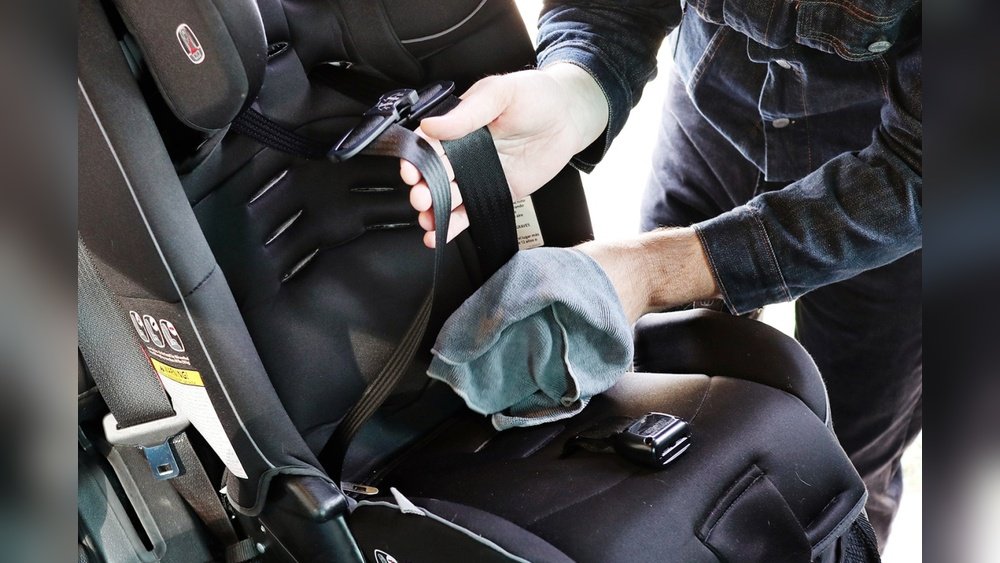
Start by wiping plastic and metal parts with a soft cloth. Use warm water mixed with mild soap. Avoid soaking the parts. Just dampen the cloth enough to clean dirt and grime.
Wipe each area carefully, focusing on corners and crevices. Dry the surfaces with a clean, dry cloth. This stops water marks and rust from forming on metal.
Removing Stubborn Stains
For tough stains, use a baking soda paste. Mix baking soda with a small amount of water. Apply the paste gently with a soft brush or cloth. Rub the stain in a circular motion.
Let the paste sit for a few minutes, then wipe it off with a damp cloth. Repeat if needed. Avoid strong chemicals that can damage plastic or metal coatings.
Sanitizing And Deodorizing
Keeping your infant’s car seat clean involves more than just wiping stains. Sanitizing and deodorizing are key steps. These steps kill germs and remove bad smells. This helps keep your baby healthy and comfortable during every ride.
Safe Disinfectants For Infant Gear
Use disinfectants that are safe for babies. Choose products labeled as non-toxic and free from harsh chemicals. Avoid bleach or strong ammonia cleaners. These can irritate your baby’s skin and lungs.
Sanitizing wipes made for baby items work well. You can also use diluted white vinegar solution. Mix one part vinegar with three parts water. Spray lightly and wipe with a clean cloth. Let the seat air dry before use.
Natural Deodorizing Methods
Baking soda is a gentle way to remove odors. Sprinkle it on the fabric and leave it for a few hours. Vacuum the powder thoroughly afterward. This absorbs smells without chemicals.
Another option is fresh air. If possible, place the car seat in a shaded outdoor area. Let it sit for several hours. The fresh air helps remove trapped odors naturally.
Credit: www.chiccousa.com
Reassembling The Car Seat
Reassembling the car seat after cleaning is very important. It makes sure the seat is safe and ready for your baby. Take your time and follow each step carefully. This helps keep your child secure during every ride.
Ensuring Proper Fit And Safety
Start by placing the cleaned parts back in order. Check that every strap goes through the right slots. Make sure the padding fits snugly without bunching up. Tighten all buckles and clips until they click firmly. A loose part can cause danger on the road.
Use the car seat manual for exact instructions. Each model has unique ways to assemble parts. Never guess or skip steps. The goal is a perfect fit that holds your baby safely.
Final Inspection
After assembly, inspect the seat closely. Pull on straps to test strength. Press buttons and buckles to confirm they lock well. Look for any twists in the harness. The fabric should lie flat and smooth.
Place the seat in your car and secure it tightly. Give it a good shake to check stability. If it moves more than an inch, tighten the straps again. Safety is the top priority in every detail.
Regular Maintenance Tips
Keeping your infant car seat clean is important for your baby’s comfort and health. Regular maintenance helps prevent dirt and stains from building up. Small daily habits can make a big difference in maintaining a fresh seat. Follow simple tips to keep the car seat looking new and safe.
Preventing Future Stains
Act quickly to stop stains from setting. Wipe spills immediately with a clean cloth. Use a small towel or baby wipes after feeding or snacks. Choose seat covers that are easy to remove and wash. Avoid eating or drinking inside the car to reduce mess. Dress your baby in light-colored clothes to spot dirt fast. Carry a small cleaning kit for quick touch-ups during trips.
Routine Cleaning Schedule
Set a weekly time to clean the car seat thoroughly. Remove the cover and wash it according to the label. Vacuum the seat to remove crumbs and dust. Check straps and buckles for dirt and clean gently. Use mild soap and water for spot cleaning. Avoid harsh chemicals that can damage the fabric. Dry the seat completely before reassembling it to prevent mold. A regular schedule keeps the seat fresh and safe for every ride.

Credit: www.youtube.com

Credit: safety1st.com
Frequently Asked Questions
How Often Should I Clean My Infant Car Seat?
Clean your infant car seat every few weeks or after spills. Regular cleaning prevents stains, odors, and bacteria buildup. Follow manufacturer instructions for fabric care and use mild detergents. Spot clean small messes immediately to keep the seat fresh and safe for your baby.
Can I Machine Wash Infant Car Seat Covers?
Many infant car seat covers are machine washable. Always check the label for washing instructions. Use a gentle cycle with cold water and mild detergent. Air dry covers to avoid shrinking or damage. Remove covers carefully to maintain the seat’s safety features.
What Cleaning Products Are Safe For Infant Car Seats?
Use mild, baby-safe detergents or soap for cleaning. Avoid harsh chemicals, bleach, or abrasive cleaners. These can damage the fabric and irritate your baby’s skin. Use a soft cloth or sponge to gently clean surfaces. Always rinse thoroughly to remove any residue.
How Do I Clean Infant Car Seat Straps Safely?
Wipe straps with a damp cloth and mild soap only. Do not soak or machine wash straps, as this can weaken them. Avoid harsh chemicals or bleach. Let straps air dry completely before reassembling to maintain safety and durability.
Conclusion
Cleaning your infant’s car seat keeps it safe and fresh. Use gentle cleaners and soft cloths to protect materials. Regular cleaning stops stains and odors from building up. Always follow the seat’s care instructions for best results. A clean car seat helps your baby stay comfortable and healthy.
Simple steps make this task easy and quick. Keep your little one’s seat tidy for every trip.
