

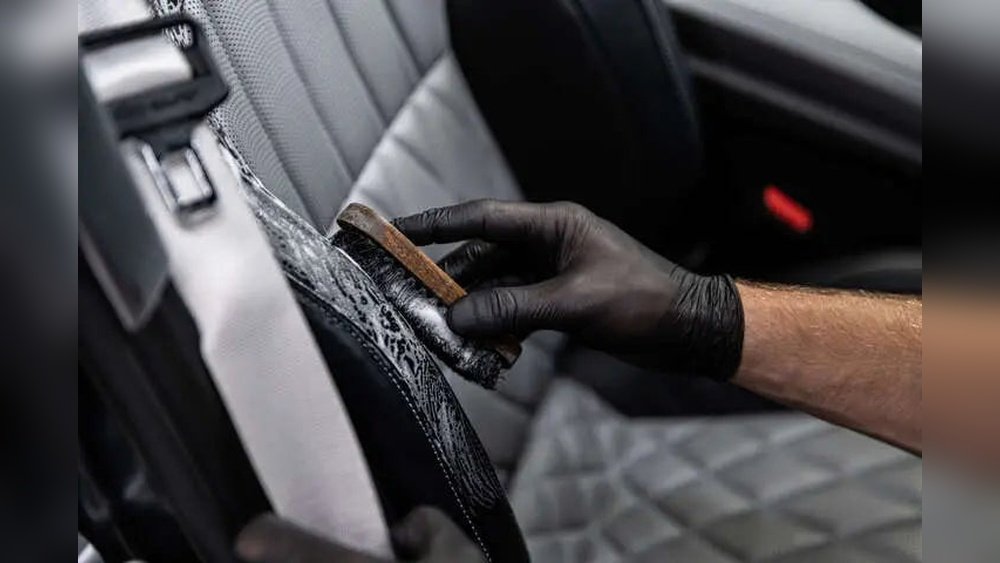
Your car seats can get dirty fast, and finding an easy, effective way to clean them is key. What if you could refresh your car’s interior using something simple and natural, right from your kitchen?
Vinegar is a powerful cleaner that can tackle stains, odors, and grime without harsh chemicals. You’ll discover step-by-step how to clean your car seat with vinegar, saving you time and money while making your ride feel like new again. Keep reading to learn the secret to a spotless car seat that you can do yourself!
Benefits Of Using Vinegar
Vinegar is a popular choice for cleaning car seats. It offers many benefits that make it a smart option. It cleans effectively without harsh chemicals. This makes it safe and gentle for your car’s interior. Vinegar also helps remove odors and stains easily. Here are some key benefits of using vinegar for car seat cleaning.
Natural Cleaning Power
Vinegar contains acetic acid. This acid breaks down dirt and grime well. It kills many bacteria and germs naturally. This helps keep your car seats fresh and clean. Vinegar also removes tough stains without damaging fabric. It is a natural solution that works without synthetic chemicals.
Cost-effective Solution
Vinegar is very affordable and widely available. A small bottle can last a long time. It costs much less than special car seat cleaners. You do not need expensive products to clean well. Using vinegar saves money while providing great results.
Safe For Most Fabrics
Vinegar is gentle on many types of car seat fabrics. It works on cloth, leather, and vinyl seats. It does not cause fading or damage when used correctly. Vinegar is a safer choice than many harsh chemicals. It helps protect your car’s interior and keeps it looking new.
Credit: www.kbb.com
Materials Needed
Cleaning your car seat with vinegar is simple and effective. Gather the right materials first. This helps you work faster and get better results. Below are the items you need to prepare before starting.
Vinegar Types
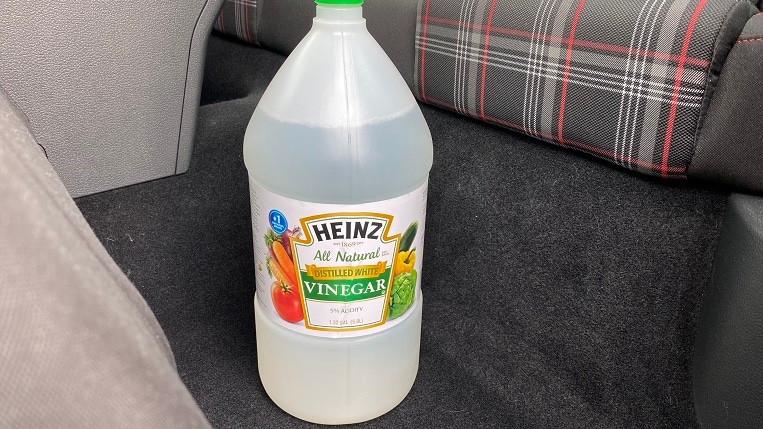
Choose white distilled vinegar for cleaning car seats. It is clear and has a strong cleaning power. Avoid colored vinegars like apple cider. They may leave stains on fabric or leather. White vinegar is safe and works well on most car seat materials.
Additional Cleaning Supplies
Besides vinegar, have some water ready to dilute it. Use a spray bottle for easy application. Soft cloths or microfiber towels help remove dirt gently. A soft brush can reach tough spots. Prepare a small bowl to mix vinegar and water. These tools make cleaning easier and protect your car seat.
Preparing The Car Seat
Preparing the car seat is the first step to a fresh, clean surface. Cleaning works best on a seat free of loose dirt and dust. Taking time to prepare helps vinegar work better. It also prevents dirt from spreading during cleaning.
Removing Loose Dirt
Start by gently shaking the seat to remove loose dirt. Use your hand or a soft brush to sweep off crumbs and debris. Pay close attention to seams and crevices. Dirt often hides in these small spaces. Removing loose dirt stops it from turning into stains later.
Vacuuming The Seat
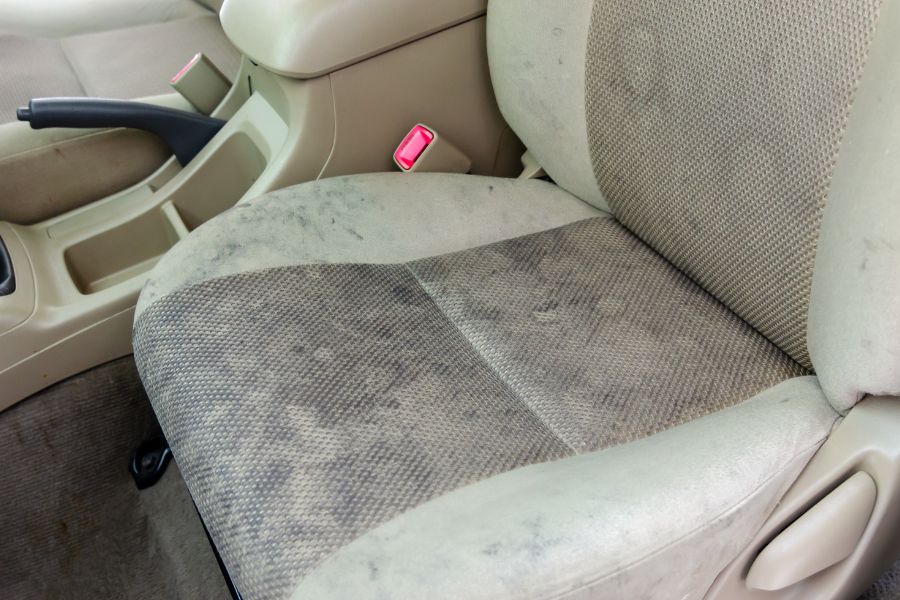
Use a vacuum cleaner with a brush attachment for best results. Vacuum the entire seat, focusing on corners and folds. Move slowly to pick up all dust and particles. Vacuuming lifts dirt trapped deep in the fabric. This step makes the seat ready for the vinegar solution.
Credit: www.veishop.com
Mixing The Vinegar Solution
Mixing the vinegar solution is an essential step in cleaning car seats effectively. This simple mixture helps remove stains, odors, and dirt without harsh chemicals. Preparing the solution correctly ensures it works well and protects your car’s fabric or leather.
Correct Ratios
Use white vinegar and water for the cleaning solution. Mix one part white vinegar with two parts water. For example, combine 1 cup of vinegar with 2 cups of water. This ratio is strong enough to clean but gentle on materials. Stir the mixture well to blend the ingredients fully.
Adding Essential Oils (optional)
Add a few drops of essential oils to improve the scent. Lavender, lemon, or tea tree oils work best. Use 5 to 10 drops for a fresh, pleasant smell. Essential oils also have natural antibacterial properties. This step is optional but can make the cleaning process more enjoyable.
Applying The Solution
Applying the vinegar solution to clean your car seat is a simple step. It helps remove stains and odors effectively. Proper application ensures the best results without damaging the seat fabric or leather.
Spot Testing First
Spot testing is a must before applying the solution widely. Choose a hidden area on the seat. Apply a small amount of the vinegar mix there. Wait for 10 to 15 minutes. Check for any color change or damage. If the spot looks fine, proceed with cleaning. This step protects your seat from unexpected damage.
Cleaning Techniques
Use a clean cloth or soft brush to apply the solution. Dampen the cloth lightly with vinegar mix. Avoid soaking the seat. Gently rub the stained areas in a circular motion. Let the solution sit for 5 minutes to break down dirt. Then, wipe the area with a damp cloth to remove residue. Allow the seat to air dry completely before use. Repeat if needed for tough stains.
Removing Stains And Odors
Removing stains and odors from car seats keeps your vehicle fresh and clean. Vinegar works well as a natural cleaner. It tackles spots and smells without harsh chemicals. This section explains how to use vinegar for tough stains and bad odors.
Tackling Tough Stains
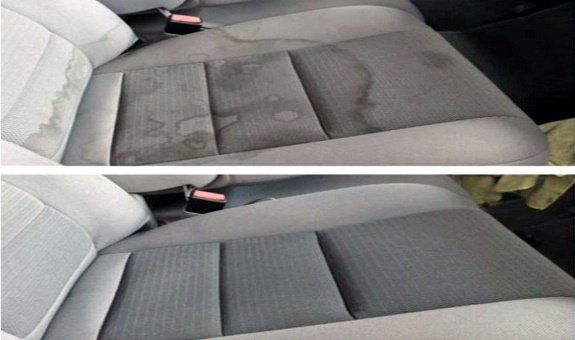
Mix equal parts white vinegar and water in a spray bottle. Spray the solution directly on the stained area. Let it sit for five to ten minutes. Use a soft brush or cloth to scrub gently. Blot the area with a clean towel to remove excess moisture. Repeat the process for deep or old stains. Vinegar helps break down dirt and grime effectively.
Neutralizing Unpleasant Smells
Pour white vinegar into a bowl and place it near the car seats. Close the car doors and windows for a few hours. The vinegar absorbs bad odors from the fabric. For a direct approach, spray a diluted vinegar solution on seats. Avoid soaking the fabric. Let the seats air dry to remove the vinegar smell. This method freshens the car interior naturally and safely.
Drying And Finishing Touches
After cleaning your car seat with vinegar, the drying process is crucial. Proper drying keeps the seat fresh and stops mold or bad smells. The right finishing touches bring back the seat’s look and feel.
Air Drying Tips
Open car doors or windows to let air flow inside. Fresh air helps the seat dry faster. Avoid direct sunlight, which can fade colors or damage fabric. Use a fan if the weather is humid. Check the seat regularly to see if it feels dry. Pat dry with a clean towel to remove extra moisture.
Brushing And Fluffing
Use a soft brush to lift the fabric fibers gently. Brushing makes the seat look smooth and neat. Fluff cushions by pressing and releasing them. This restores their shape and comfort. Clean brushes prevent dirt from returning to the seat. Repeat brushing after drying for the best result.
Credit: www.washmenow.ca
Precautions And Tips
Cleaning car seats with vinegar is simple and effective. Still, some precautions help protect your seats and get the best results. Follow these tips to avoid damage and know when to ask for expert help.
Avoiding Fabric Damage
Test vinegar on a small hidden spot first. This check stops color fading or fabric harm. Use a diluted vinegar mix to lower acidity. Do not soak the fabric; damp cloths work best. Avoid harsh scrubbing to keep fibers safe. Always air dry the seats after cleaning.
When To Seek Professional Help
Strong stains or old dirt may need expert care. If vinegar does not remove the stain, call a professional. Leather seats require special cleaners, not vinegar. Mold or mildew on seats can spread quickly. Professionals have the right tools and products. Save time and avoid damage by hiring help for tough jobs.
Frequently Asked Questions
How Effective Is Vinegar For Cleaning Car Seats?
Vinegar effectively removes stains and odors from car seats. Its natural acidity breaks down dirt and kills bacteria, making seats cleaner and fresher without harsh chemicals.
Can Vinegar Damage Car Seat Fabric Or Leather?
When diluted properly, vinegar is safe for most car seat fabrics and leather. Always test a small, hidden area first to avoid discoloration or damage.
What Is The Best Vinegar-to-water Ratio For Cleaning Seats?
A common ratio is one part white vinegar to two parts water. This mix balances cleaning power and safety for car seat materials.
How Do I Remove Vinegar Smell After Cleaning Car Seats?
To remove vinegar odor, ventilate the car well. You can also wipe seats with a damp cloth or sprinkle baking soda to neutralize the smell.
Conclusion
Cleaning car seats with vinegar is simple and effective. Vinegar removes stains and odors without harsh chemicals. Use a spray bottle and a soft cloth for best results. Test a small area first to avoid damage. Regular cleaning keeps your car fresh and tidy.
This natural method saves money and is safe for most fabrics. Try it today and enjoy a cleaner car interior. Easy, affordable, and eco-friendly. What’s not to like?
