

Your car’s upholstery is more than just fabric or leather—it’s where you spend countless hours, from daily commutes to road trips. Keeping it clean not only makes your car look great but also protects your investment and keeps you comfortable.
But hiring professionals can be expensive, and store-bought cleaners don’t always deliver. What if you could refresh your car’s interior yourself, easily and effectively? In this guide, you’ll discover simple, step-by-step tips to clean your car upholstery like a pro, saving you money and giving your vehicle a fresh, inviting feel.
Ready to bring your car’s interior back to life? Let’s dive in!

Credit: crowncleaners.org.uk
Preparing Your Car For Cleaning
Preparing your car for cleaning is the first step to a fresh and spotless interior. It sets the stage for better results. Taking time to prepare saves effort later and protects your upholstery. Follow these steps for an easy, effective cleaning process.
Gathering Necessary Supplies
Start by collecting all supplies. You will need a vacuum cleaner, soft brushes, microfiber cloths, and upholstery cleaner. Have a bucket of warm water ready. Keep a spray bottle with water for rinsing. Use gloves to protect your hands. Organizing these items helps the cleaning go smoothly.
Removing Loose Dirt And Debris
Next, remove all loose dirt and debris from seats and carpets. Use a vacuum cleaner with a brush attachment. Focus on corners and seams where dirt hides. Shake out floor mats and carpets outside. This step prevents dirt from spreading during cleaning. A clean surface improves the effectiveness of cleaning products.
Credit: www.youtube.com
Choosing The Right Cleaning Products
Choosing the right cleaning products is key to cleaning car upholstery yourself. Using the wrong product can damage the fabric or leave stains. Different materials need different care. Knowing what to use helps keep your car seats fresh and safe.
Types Of Upholstery Materials
Car seats usually have fabric, leather, or vinyl covers. Fabric is soft and absorbs stains easily. Leather feels smooth but needs gentle care. Vinyl is shiny and easier to wipe clean. Each type reacts differently to cleaning products. Identifying your upholstery material is the first step.
Recommended Cleaners For Each Material
For fabric seats, use foam or spray cleaners made for cloth. These help lift dirt without soaking the fabric. Avoid bleach or harsh chemicals that can fade colors. Leather seats need special leather cleaners or mild soap and water. Never use strong detergents that dry out leather. Vinyl seats clean well with mild soap and water or vinyl-specific cleaners. Avoid abrasive brushes that can scratch the surface.
Spot Cleaning Stains
Spot cleaning stains is a quick way to keep car upholstery fresh. It stops stains from setting deep into the fabric. Acting fast helps save time and effort. Knowing how to treat different stains is key. This section shows easy methods to clean spots yourself.
Identifying Different Stain Types
First, know what type of stain you face. Common stains include food, drink, grease, and mud. Each needs a different cleaning approach. Food stains often have oils or sugars. Drink stains may be water-based or acidic. Grease stains come from oils or dirt. Mud stains have soil and tiny rocks. Identify the stain to pick the right cleaner.
Effective Stain Removal Techniques
Start by blotting the stain with a clean cloth. Do not rub hard; it can spread the stain. For food or drink stains, use a mild soap solution. Mix warm water with a little dish soap. Dab the stain gently and let it sit for a few minutes. Then, blot again with a dry cloth to absorb moisture.
For grease stains, sprinkle baking soda on the spot. Let it sit for 15 minutes to absorb oil. Vacuum the powder away and check the stain. Repeat if needed. Mud stains require you to let the mud dry first. Then, brush off dried mud gently. Clean the leftover spot with soap and water.
Always test cleaning solutions on a hidden spot first. This avoids damage or color loss. Use a soft brush or cloth for cleaning. Avoid harsh chemicals that can harm the fabric. Let the upholstery air dry completely before use.
Deep Cleaning The Upholstery
Deep cleaning car upholstery removes dirt and stains that regular cleaning misses. It refreshes the fabric and makes your car smell better. This process takes time but improves your car’s look and comfort.
Hand Cleaning Methods
Start by vacuuming the seats to remove loose dirt. Mix mild soap with warm water. Use a soft cloth or brush to scrub the fabric gently. Focus on stained areas and corners. Avoid soaking the upholstery with too much water. Wipe the seats with a clean, damp cloth to remove soap. Let the seats dry completely by leaving car doors open or using a fan.
Using A Steam Cleaner
A steam cleaner kills germs and lifts deep dirt. Fill the machine with water and heat it. Move the steam nozzle slowly over the upholstery. The hot steam loosens dirt and grime inside the fabric. Use a microfiber cloth to wipe away moisture and dirt. Steam cleaning dries faster than hand washing. Always test a small area first to avoid damage.
Drying And Maintaining Upholstery
Drying and maintaining car upholstery is key to keeping it fresh and long-lasting. Proper drying stops mold and smells from forming. Regular care helps prevent dirt build-up and wear. A clean interior feels better and looks great.
Proper Drying Techniques
After cleaning, let the upholstery air dry naturally. Open car windows or doors to increase airflow. Avoid direct sunlight, which can fade fabrics. Use a fan to speed up drying if needed. Never use a hair dryer or heater directly. These can damage the material or cause shrinkage. Check the upholstery often to make sure it dries evenly.
Regular Maintenance Tips
Vacuum seats often to remove dust and crumbs. Wipe spills immediately with a clean cloth. Use upholstery cleaner for small stains only. Avoid harsh chemicals that can weaken fabric fibers. Keep windows closed on dusty days to reduce dirt. Consider seat covers for extra protection. Regular upkeep makes deep cleaning easier and less frequent.
Preventing Future Stains
Preventing stains on car upholstery saves time and effort later. Clean seats look fresh and last longer. Simple steps help keep your car interior spotless. Small habits and smart treatments protect your fabric or leather. Start protecting your car upholstery today.
Protective Treatments
Use fabric or leather protectors to block stains. These sprays create a shield that repels dirt and liquids. Apply the treatment on clean upholstery for best results. Repeat every few months to maintain protection. Choose products made for your upholstery type. Always test on a small area first.
Daily Habits For A Clean Interior
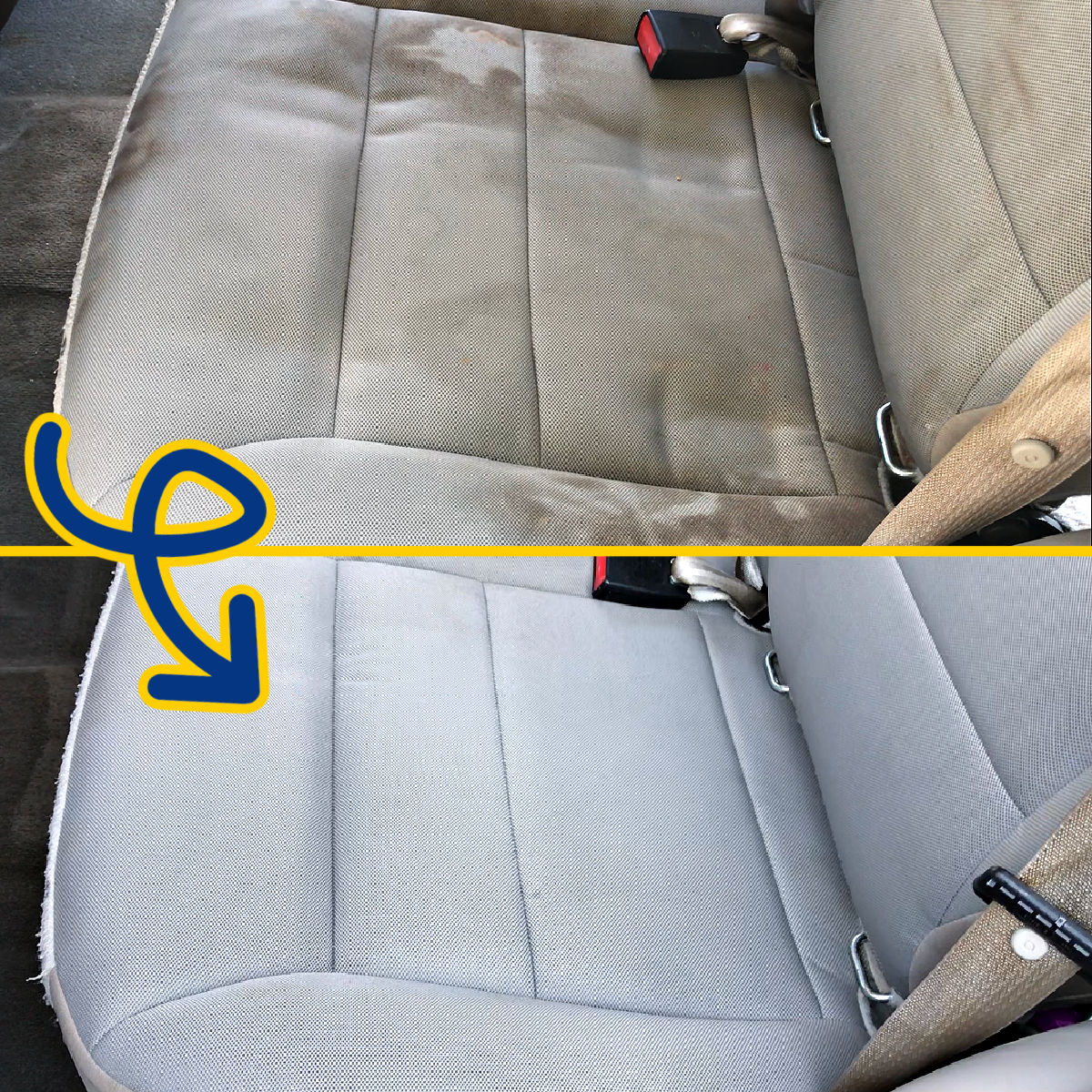
Remove trash and debris every day. Avoid eating or drinking in the car. Wipe spills immediately to stop stains from setting. Use seat covers for extra protection. Keep a small cleaning kit in your car. Clean your car regularly to prevent dirt buildup.
Credit: www.abbottsathome.com
Frequently Asked Questions
How Do I Remove Stains From Car Upholstery?
Use a mix of mild soap and warm water. Apply with a soft cloth, gently scrub, then blot dry. Avoid harsh chemicals that can damage fabric.
What Is The Best Homemade Cleaner For Car Seats?
A solution of vinegar, water, and a few drops of dish soap works well. It cleans, deodorizes, and is safe for most upholstery types.
How Often Should I Clean Car Upholstery?
Clean your car upholstery every 3 to 6 months. Regular cleaning prevents dirt buildup and keeps the seats fresh and odor-free.
Can I Use A Vacuum For Car Upholstery Cleaning?
Yes, use a vacuum with a brush attachment. It removes dust, crumbs, and debris effectively before deeper cleaning.
Conclusion
Cleaning car upholstery yourself saves money and keeps your car fresh. Regular cleaning stops dirt and stains from building up. Use simple tools and gentle cleaners for best results. Take your time and work in small sections for a thorough job.
A clean interior makes every drive more pleasant. Try these easy steps and enjoy a neat, comfortable car.
