

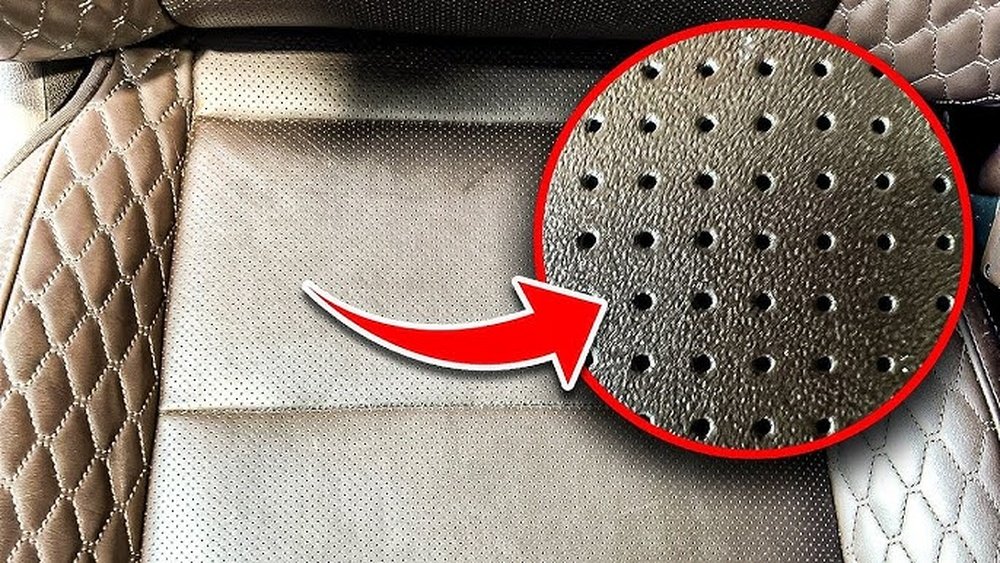
Your car’s leather seats add a touch of luxury and comfort, but holes can quickly spoil that look. If you’ve noticed small tears or holes in your leather seats, you might be wondering how to clean them without making things worse.
You’re not alone—and the good news is, fixing and cleaning these spots is easier than you think. Keep reading, and you’ll discover simple, effective steps to restore your leather seats and keep your car looking its best. Don’t let those holes grow bigger or attract dirt—let’s tackle them together!
Tools And Materials Needed
Cleaning holes in car leather seats requires specific tools and materials. These help fix the damage and keep the leather looking good. Having the right supplies makes the job easier and improves the results. Below are the key items you need to prepare before starting.
Essential Cleaning Supplies
- Soft microfiber cloths to clean gently without scratching
- Mild leather cleaner to remove dirt and oils
- Warm water for rinsing the cleaner
- Soft-bristled brush to reach small crevices
- Leather conditioner to keep leather soft after cleaning
Leather Repair Kits
- Leather filler to fill holes and cracks
- Palette knife or spatula to apply the filler smoothly
- Leather dye matching your seat color
- Fine sandpaper for smoothing repaired areas
- Protective gloves to keep hands clean
Optional Tools For Better Results
- Heat gun or hairdryer to speed up drying
- Magnifying glass to inspect small holes closely
- Masking tape to protect surrounding leather
- Small paintbrushes for detailed dye application
- Leather sealant to protect repaired spots
Credit: www.reddit.com
Preparing The Leather Seat
Preparing the leather seat is the first step before fixing holes. This part is important for a good repair result. Clean and dry leather helps the repair materials stick better. Also, knowing the damage size guides the right repair method.
Removing Dirt And Debris
Start by wiping the seat with a soft cloth. Use a vacuum to remove loose dirt. Avoid harsh brushes that can scratch leather. Use a leather cleaner or mild soap with water. Gently clean the area around the holes. Dirt can stop repair glue from working well.
Drying The Surface
After cleaning, dry the seat with a soft towel. Do not use direct heat or sunlight. Let the leather air dry naturally. Moisture can weaken the repair. Make sure the surface is fully dry before moving on.
Assessing The Damage
Look closely at the holes and tears. Note their size and depth. Small holes need different repair products than large tears. Check for loose leather pieces around the holes. This helps choose the right patch or filler. A clear view of damage saves time and effort later.
Cleaning The Holes
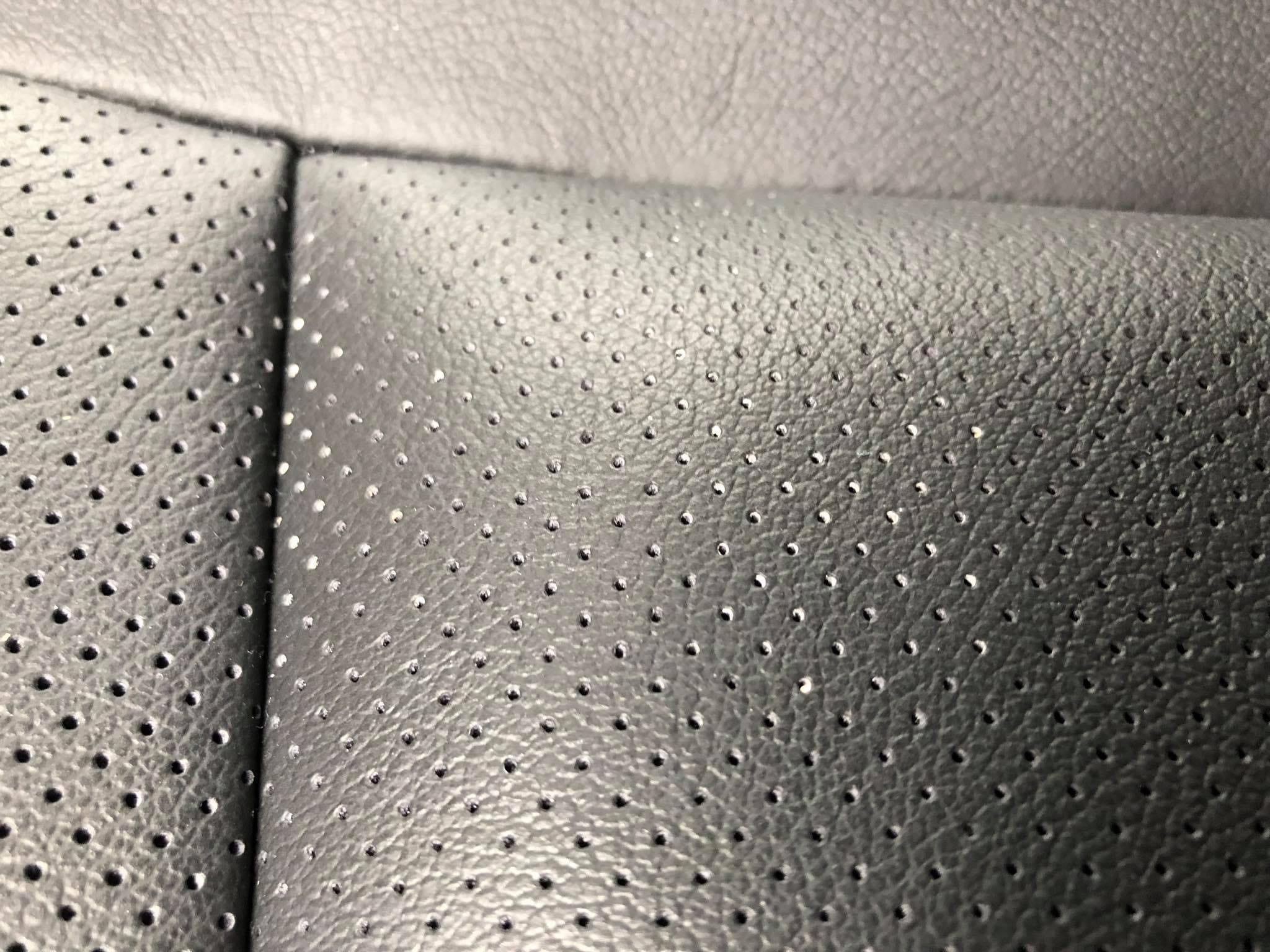
Cleaning the holes in car leather seats needs care and patience. Dirt and dust can settle deep inside the perforations. Proper cleaning keeps the leather looking fresh and extends its life. Follow simple steps to clean the holes without damaging the leather.
Using Mild Cleaners
Choose a mild cleaner made for leather. Avoid strong soaps or detergents. Dilute the cleaner with water for gentle cleaning. Use a soft brush or cloth to reach inside the holes. Clean with light strokes to remove dirt and grime. Do not soak the leather; moisture can cause damage.
Avoiding Harsh Chemicals
Harsh chemicals can dry out or discolor leather. Avoid bleach, ammonia, and alcohol-based cleaners. These damage the leather’s natural oils. Stick to products labeled safe for leather. Test the cleaner on a hidden spot first. This prevents unwanted stains or damage to the seat.
Ensuring Complete Dryness
After cleaning, dry the holes thoroughly. Use a dry cloth or soft towel to absorb moisture. Let the seat air dry in a cool place. Avoid direct sunlight or heat sources. Moisture left in holes can cause mold or weaken the leather.
Credit: www.leatherrepaircompany.com
Repairing Small Holes
Small holes in car leather seats can make the interior look old and worn. Repairing these holes quickly helps keep your car looking clean and new. The process is simple and does not need special skills. You can fix small holes with a few materials and steps. This section explains how to repair small holes in your leather seats.
Applying Leather Filler
Start by cleaning the hole area with a soft cloth. Remove any dirt or loose leather pieces. Use a leather filler that matches your seat color. Apply the filler using a small spatula or plastic card. Fill the hole slowly, layer by layer. Press the filler gently to cover the hole fully. Avoid applying too much at once.
Smoothing And Shaping
After applying the filler, smooth the surface with the spatula. Shape the filler to match the seat’s texture. Work carefully to blend the filler with the leather around. This step helps the repair look natural. Do not rush; take your time to get a smooth finish.
Drying And Setting
Let the filler dry completely before touching the seat. Drying time depends on the product used, usually 1 to 3 hours. Avoid sitting on the seat during this time. After drying, check if the filler is firm and set. If needed, apply a second layer and repeat the process. Once done, your seat will look much better.
Fixing Larger Holes
Fixing larger holes in car leather seats takes more care and the right tools. These holes can make your seat look old and worn out. You need a method that repairs the hole and blends well with the leather. This section explains how to fix bigger holes step by step.
Using Patch Kits
Patch kits are perfect for bigger holes in leather seats. They come with a piece of leather or fabric to cover the hole. Choose a patch that matches your seat color and texture. Cut the patch slightly larger than the hole. This ensures full coverage and a strong repair.
Gluing And Securing The Patch
Apply leather glue around the edges of the hole. Place the patch carefully over the hole. Press it firmly to stick well. Use a flat tool or your fingers to smooth out any air bubbles. Let the glue dry for the time given in the instructions. This makes sure the patch stays in place.
Blending With Surrounding Leather
After the patch is fixed, blend it with the seat leather. Use leather colorant or dye that matches your seat. Apply it gently on the patch edges. This hides the patch and makes the repair less visible. Finish with a leather conditioner to keep the seat soft and shiny.
Finishing Touches
Finishing touches are important after repairing holes in leather car seats. They make the seat look natural and protect it from more damage. These final steps help your seat last longer and keep its original beauty. Follow these simple tips to complete the repair and keep your leather seat in great shape.
Color Matching And Dyeing
Color matching is key to hiding repaired holes. Use a leather dye that fits your seat’s color. Test the dye on a small spot first. Apply the dye in thin layers for an even look. Let each layer dry before adding more. This method blends the repair with the rest of the seat. Avoid using too much dye to prevent streaks.
Conditioning The Leather
Conditioning keeps leather soft and strong. Use a leather conditioner made for car seats. Apply it gently with a soft cloth. Conditioning prevents cracks and dryness. It also restores the leather’s natural shine. Regular conditioning extends the life of your seat. Make it a part of your cleaning routine.
Preventing Future Damage
Protect your leather seat from new holes and tears. Avoid sharp objects near the seats. Clean spills quickly to stop stains. Use seat covers for extra protection. Keep the car interior cool to avoid leather damage from heat. Regularly inspect the seats for small issues. Fix minor problems before they get worse.

Credit: www.youtube.com
Frequently Asked Questions
How Do I Clean Small Holes In Leather Car Seats?
Use a leather cleaner and soft brush to gently clean around the hole. Avoid harsh chemicals that damage leather. Let the area dry completely before repairing.
What Materials Fix Holes In Leather Car Seats?
Leather repair kits with filler, adhesive, and colorant work best. They help fill holes and blend repairs with seat color. Choose kits designed specifically for leather.
Can I Prevent Holes In Leather Car Seats?
Regularly clean and condition leather to keep it supple. Avoid sharp objects and excessive sun exposure. Proper care reduces the risk of cracking and holes.
How Long Does Leather Seat Hole Repair Take?
Simple repairs usually take 30 to 60 minutes. Drying time varies by product but often needs a few hours. Follow kit instructions for best results.
Conclusion
Cleaning holes in car leather seats takes patience and care. Use gentle tools and mild cleaners to avoid damage. Small repairs help keep your seats looking good longer. Regular cleaning prevents dirt buildup and makes fixes easier. Remember, careful work protects your car’s value.
Try these tips to maintain your leather seats well. Keep your car interior fresh and neat every day. Simple steps make a big difference in seat care.
