

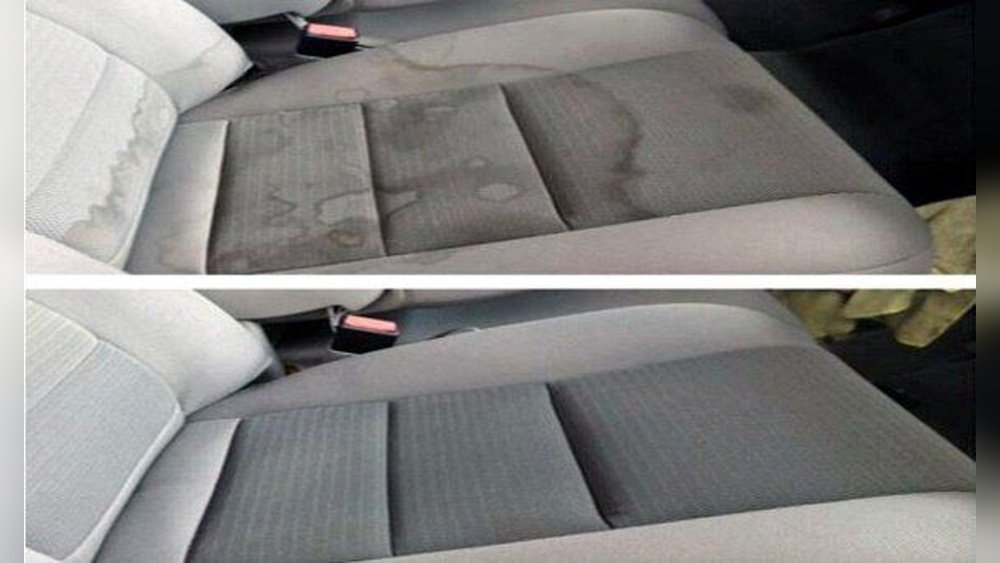
Your car seat is more than just a place to sit—it’s where you spend a lot of time every day. But what happens when stains start to ruin its look?
You might feel frustrated or unsure about how to clean them without making things worse. Don’t worry—this guide will show you simple, effective ways to remove those stubborn stains and bring your car seat back to life. Keep reading, and you’ll discover easy tips that save you time and effort while making your car feel fresh and comfortable again.
Types Of Car Seat Stains
Car seats often get dirty from many types of stains. Knowing these stains helps clean them better. Some stains are easy to remove. Others need special care and cleaning products. Understanding the stain type saves time and protects your car seats. Here are common types of car seat stains you may find.
Food And Drink Spills
Food crumbs, sauces, and drinks cause most car seat stains. Soda, coffee, and juice leave marks quickly. Sticky spills attract dirt and germs. These stains can smell bad if not cleaned fast. They often soak into the fabric or leather.
Ink And Dye Marks
Ink stains come from pens or markers. Dye stains come from clothing or bags. These marks are dark and hard to remove. They can leave permanent spots on your seats. Treating them early is very important.
Oil And Grease Spots
Oil and grease come from food, engines, or hands. These stains leave dark, shiny marks. They attract dust and dirt easily. Removing oil stains requires strong but safe cleaners. Avoid spreading the grease further.
Pet Stains
Pets leave hair, dirt, and sometimes urine stains. These stains cause odors and damage fabric fibers. Pet stains can be tough to clean. Using the right cleaner helps remove the smell and marks effectively.
Essential Cleaning Supplies
Cleaning car seats with stains needs the right supplies. Using good products and tools helps remove stains fast. It also protects the fabric and keeps your car fresh. Below are the must-have cleaning supplies for the task.
Cleaning Solutions
Choose the right cleaning solution for your seat type. Fabric seats need gentle cleaners. Leather seats require special leather cleaners or conditioners. Avoid harsh chemicals that damage fabric or cause discoloration. Test a small spot first to check for color fading. Water and mild soap can work for light stains.
Tools And Accessories
Use soft brushes to scrub stains without damaging fabric. Microfiber cloths absorb dirt and moisture well. Spray bottles help apply cleaning solution evenly. Vacuum cleaners remove loose dirt before cleaning. Small detailing brushes reach tight spots and seams. A clean sponge or towel helps wipe off stains carefully.
Protective Gear
Wear gloves to protect your hands from cleaning chemicals. Use old clothes or an apron to avoid stains on yourself. A mask can help if you use strong-smelling cleaners. Keep windows open for good air flow during cleaning. Safety helps you clean better and stay comfortable.
Pre-cleaning Steps
Before tackling stains on your car seat, start with some simple pre-cleaning steps. These steps prepare the seat and improve cleaning results. Taking time here helps avoid spreading stains or damaging the fabric.
Vacuuming The Seat
Begin by vacuuming the seat thoroughly. Use a vacuum cleaner with a brush attachment. This removes loose dirt, dust, and crumbs. Cleaning the surface helps the stain cleaner work better. Focus on seams and crevices where dirt hides. A clean seat surface prevents dirt from mixing with stain removers.
Spot Testing Cleaners
Next, test any cleaner on a small hidden area. This step checks for color fading or damage. Apply a small amount and wait a few minutes. Look for changes in color or texture. If the spot looks fine, it is safe to clean the stain. Spot testing protects your car seat’s fabric from harm.
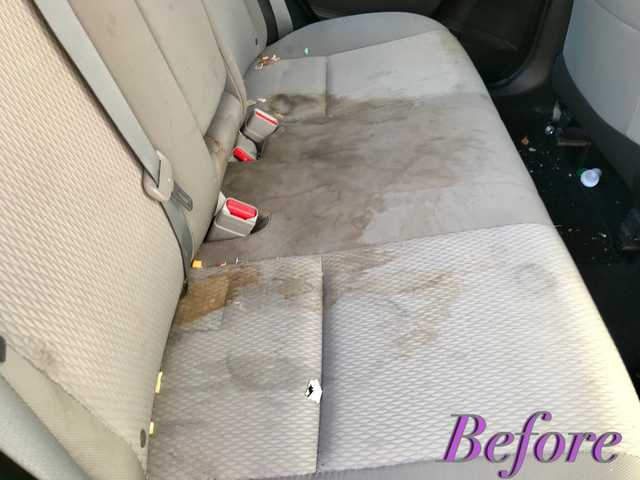
Credit: www.drivebydetail.net
Cleaning Fabric Car Seats
Fabric car seats can get dirty quickly. Stains may come from food, drinks, or dirt. Cleaning these seats helps keep your car fresh and comfortable. Using the right steps makes cleaning easier and more effective.
It is important to act fast on fresh stains. For old stains, special treatment works best. After cleaning, drying the seats properly prevents damage and smell.
Removing Fresh Stains
Blot the stain with a clean cloth or paper towel. Do not rub, as this spreads the stain. Mix a small amount of mild soap with warm water. Dip a soft brush or cloth in the solution. Gently scrub the stained area in a circular motion. Use a clean, damp cloth to remove soap residue. Let the seat air dry before using the car.
Treating Set-in Stains
Use a fabric cleaner designed for car seats. Spray the cleaner on the stain and let it sit for 5-10 minutes. Gently scrub with a soft brush to loosen the stain. Wipe away the cleaner with a damp cloth. Repeat if the stain remains. Avoid soaking the seat to prevent damage to the padding.
Drying Tips
Open car doors or windows to improve airflow. Use a fan to speed up drying if possible. Avoid direct sunlight to prevent fabric fading. Do not use a hairdryer or heater directly on the seat. Ensure the seat is completely dry before use to stop mold and odor.
Cleaning Leather Car Seats
Cleaning leather car seats needs care and the right products. Leather is soft and can get damaged by harsh cleaners. Using the right method keeps leather clean and soft. It also helps to avoid cracks and stains that can last long. Follow simple steps for good results.
Using Gentle Cleaners
Choose a cleaner made for leather. Avoid harsh chemicals or strong soaps. Dilute the cleaner with water if needed. Use a soft cloth or sponge to apply it. Gently rub the stained area in small circles. Do not scrub hard to protect the leather. Wipe off the cleaner with a damp cloth. Let the seat dry naturally, away from sun.
Conditioning Leather After Cleaning
Leather gets dry after cleaning. Use a leather conditioner to keep it soft. Apply a small amount to a clean cloth. Rub it into the leather in even strokes. Let the conditioner soak in for a few minutes. Buff the seat with a dry cloth to remove excess. Conditioning protects leather and extends its life.

Credit: www.youtube.com
Diy Stain Removal Methods
DIY stain removal methods are easy and affordable for cleaning car seats. These natural solutions use items found at home. They work well on many types of stains. You can try them before buying expensive cleaners. Follow simple steps for best results.
Baking Soda And Vinegar
Baking soda and vinegar create a powerful cleaning mix. First, sprinkle baking soda over the stain. Let it sit for 15 minutes to absorb dirt and odors. Next, spray white vinegar on the baking soda. It will bubble and lift the stain. Use a soft brush to scrub gently. Wipe with a clean cloth and let dry.
Dish Soap Solutions
Dish soap works well on grease and food stains. Mix a few drops of liquid dish soap with warm water. Dip a clean cloth into the soapy water. Blot the stain gently, do not rub hard. Rinse the cloth with plain water and wipe again. Repeat until the stain fades. Dry with a towel or air dry.
Club Soda Treatments
Club soda helps remove fresh stains fast. Pour a small amount of club soda on the stain. Let it sit for a few minutes. Blot the area with a clean cloth to lift the stain. Avoid rubbing to prevent spreading. Repeat the process if needed. This method works well on coffee and wine stains.
Preventing Future Stains
Preventing stains on car seats saves time and effort later. Clean seats keep your car looking fresh and new. Small steps can stop stains from setting deep. Protect your investment with simple habits and tools.
Seat Covers And Protectors
Seat covers guard your seats from spills and dirt. They are easy to remove and wash. Choose covers made of waterproof or stain-resistant fabric. Protectors add a layer between your seat and messes. Use them especially if you carry kids or pets. Seat covers keep your car interior neat and clean.
Regular Maintenance Habits
Clean your seats often to avoid dirt buildup. Wipe spills immediately with a clean cloth. Vacuum seats regularly to remove dust and crumbs. Use a gentle cleaner suitable for your seat material. Check for stains every week and treat them fast. Small efforts keep your seats spotless for longer.

Credit: www.veishop.com
Frequently Asked Questions
How Do I Remove Stains From Fabric Car Seats?
Use a mix of mild detergent and warm water. Apply with a soft brush, scrub gently, then blot with a clean cloth. Avoid soaking the fabric to prevent mold and damage.
What Household Items Clean Car Seat Stains Effectively?
Baking soda, white vinegar, and dish soap are great for cleaning. Mix them with water, apply to stains, scrub lightly, then wipe clean. These items are safe and affordable for car seat cleaning.
Can I Use Vinegar To Clean Car Seat Stains?
Yes, white vinegar helps break down stains and odors. Mix vinegar with water, spray on stains, let sit briefly, then wipe with a clean cloth. Always test on a small area first.
How Often Should I Clean Car Seats To Prevent Stains?
Clean car seats every 3 to 6 months. Regular cleaning prevents buildup and keeps seats fresh. Spot clean spills immediately to avoid permanent stains.
Conclusion
Cleaning car seat stains takes patience and the right tools. Start by acting quickly to stop stains from setting. Use gentle cleaners and soft cloths for best results. Test any cleaner on a small area first. Regular cleaning helps keep seats fresh and stain-free.
Small efforts prevent big problems later. Now, your car seats can look neat and inviting again. Stay consistent and enjoy a cleaner ride every day.
