

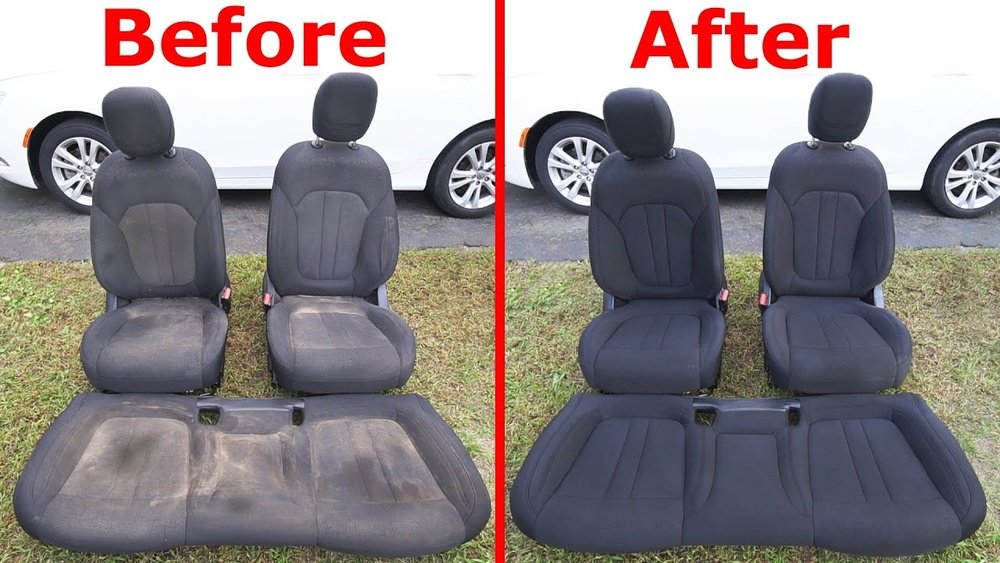
Your car seat is one of the most used parts of your vehicle, but it often gets overlooked when it comes to cleaning. If you want your car to look fresh and feel comfortable every time you drive, knowing how to clean your car seat properly is key.
Imagine getting rid of stubborn stains, unpleasant odors, and dirt that hide deep inside your seat’s fabric or leather. In this guide, you’ll learn simple and effective ways to restore your car seat’s original look without wasting time or money.
Keep reading, and discover easy tips that will make your car feel like new again.
:max_bytes(150000):strip_icc()/how-to-clean-leather-car-seats-5204366-hero-a9e1643de2804141afa2639918981c29.JPG)
Credit: www.thespruce.com
Choose The Right Cleaning Method
Choosing the right cleaning method is key to keeping car seats fresh and lasting longer. Different seat materials need different care. Using the wrong cleaner or tool can cause damage. Learn how to pick the best approach for your car seats.
Identify Seat Material
First, check what your car seats are made of. Common materials include leather, fabric, vinyl, or suede. Leather needs gentle cleaning and conditioning. Fabric can handle stronger cleaners but may soak up liquids. Vinyl and suede each need special care. Knowing the material helps avoid mistakes.
Select Suitable Cleaners
Choose cleaners made for your seat type. Leather cleaners keep the surface soft and clean. Fabric seats do well with mild detergents or upholstery cleaners. Vinyl needs cleaners that do not crack or fade the surface. Suede requires dry-clean products or special brushes. Avoid harsh chemicals that can harm the seat.
Test On Hidden Areas
Always test your cleaner on a small hidden spot first. This shows if the cleaner changes color or texture. Wait a few minutes after applying. If no damage appears, it is safe to use on the whole seat. Testing prevents costly mistakes and keeps seats safe.

Credit: www.youtube.com
Prepare The Car Seat
Preparing your car seat is the first step to a deep, effective clean. It sets the stage for the cleaning process. Proper preparation removes dirt and protects your car’s interior. This helps the cleaning products work better and keeps your car safe.
Remove Loose Debris
Start by picking up large debris like crumbs, leaves, or small trash. Use your hands or a soft brush. Removing these loose particles prevents them from spreading during cleaning. It also stops dirt from scratching the seat fabric.
Vacuum Thoroughly
Next, vacuum the seat carefully. Use a vacuum with a brush attachment for best results. Clean every corner, including seams and crevices. This removes dust and small particles that can stick to the fabric. A clean surface helps the cleaning solution work well.
Protect Surrounding Areas
Cover nearby surfaces like door panels and carpets with towels or plastic sheets. This prevents accidental spills or stains. Protecting these areas keeps your car clean and saves time on extra cleaning. It also prevents damage from water or cleaning agents.
Spot Cleaning Techniques
Spot cleaning is key to keeping car seats fresh and stain-free. It targets stains quickly before they set in. This method saves time and effort in deep cleaning later. You can use simple tools and products for effective spot cleaning. Follow these techniques to treat stains properly and protect your car seat fabric.
Treat Stains Promptly
Act fast when a stain appears. Fresh stains are easier to remove. Blot the area gently with a clean cloth. Avoid rubbing, which spreads the stain. Use cold water to dampen the cloth. Repeat blotting until the stain lightens. Dry the spot with a dry cloth to prevent moisture damage.
Use Homemade Remedies
Try common household items for stain removal. Mix equal parts water and white vinegar in a spray bottle. Lightly spray the stain and blot with a clean cloth. Baking soda also works well. Sprinkle on the stain, wait 15 minutes, then vacuum it up. These remedies are safe and affordable for most fabrics.
Apply Commercial Stain Removers
Choose a cleaner made for car upholstery. Test it first on a small hidden area. Follow the instructions carefully for best results. Apply the remover to the stain and let it sit briefly. Blot the stain away with a clean cloth. Repeat if needed, then dry the area thoroughly.

Credit: www.edwardskia.net
Deep Cleaning Process
Deep cleaning car seats removes dirt, stains, and odors trapped inside. It keeps seats fresh and extends their life. This process takes time and care but gives great results.
Shampoo Fabric Seats
Start by vacuuming the seats to remove loose dirt. Use a fabric-safe shampoo and mix it with water. Apply the shampoo with a soft brush or cloth. Work gently to lift dirt from fibers. Avoid soaking the seat too much. After scrubbing, wipe with a clean damp cloth. Repeat if stains remain stubborn.
Clean Leather Seats
Use a cleaner made for leather only. Spray or apply the cleaner on a soft cloth. Rub the seats in small circles. Focus on dirty or stained areas. Do not use harsh chemicals or too much water. After cleaning, apply a leather conditioner. This keeps leather soft and prevents cracks.
Dry Seats Properly
Dry seats fast to avoid mold or bad smells. Leave car doors open on a sunny day. Use a fan or air conditioner to speed drying. For fabric seats, blot with a dry towel first. Avoid direct heat like hair dryers. Make sure seats feel dry before using the car again.
Maintain Clean Car Seats
Keeping car seats clean is important for a fresh and neat car interior. Clean seats make driving more comfortable and help maintain your car’s value. Simple habits and regular care keep seats looking good for a long time.
Regular Vacuuming
Vacuum car seats often to remove dust, dirt, and crumbs. Use a small brush attachment to reach cracks and seams. This stops dirt from settling deep into the fabric or leather. A quick vacuum session keeps seats fresh and clean.
Use Seat Covers
Seat covers protect original seats from spills and stains. They are easy to remove and wash. Choose covers that fit well and match your car’s style. Seat covers save time on cleaning and keep seats safe from daily wear.
Avoid Eating In Car
Eating inside the car can cause stains and crumbs. Avoid food and drinks to keep seats clean longer. Clean seats mean fewer spills and less odor. This simple rule helps maintain a tidy car interior.
Troubleshooting Common Issues
Troubleshooting common issues with car seats helps keep them clean and fresh. Car seats face problems like odors, stains, and mold. Knowing how to fix these problems saves time and effort. Simple steps can bring great results and protect your car’s interior.
Remove Odors
Bad smells often come from food, pets, or spills. Sprinkle baking soda on the seats and let it sit for 15 minutes. Then, vacuum thoroughly to remove the powder and odors. For strong smells, use a fabric-safe odor neutralizer spray. Open car windows to air out the seats and speed up odor removal.
Handle Persistent Stains
Stubborn stains need special care. Blot fresh spills with a clean cloth to stop spreading. Use a mild detergent mixed with water for most stains. Apply gently with a soft brush or cloth. Avoid soaking the seat to prevent damage. Repeat cleaning if stains stay. For tough stains like ink or grease, try a commercial upholstery cleaner designed for car seats.
Prevent Mold And Mildew
Mold grows in damp, dark areas. Keep car seats dry by wiping spills quickly. Use a wet-dry vacuum to remove moisture after cleaning. Park in sunny spots to let sunlight dry the interior. Use moisture absorbers inside the car during humid weather. Regularly check under seats and in seams for any signs of mold. Early action stops mold from spreading and damaging seats.
Frequently Asked Questions
How Often Should I Clean My Car Seats?
Clean car seats every 3 to 6 months to maintain appearance. Frequent cleaning prevents stains and odors. For heavy use, clean more often to protect fabric or leather.
What Is The Best Cleaner For Car Seats?
Use a cleaner suitable for your seat material. Fabric seats need a mild detergent or upholstery cleaner. Leather seats require a specialized leather cleaner to avoid damage.
Can I Use Household Products To Clean Car Seats?
Yes, mild household products like dish soap and vinegar work well. Avoid harsh chemicals that may damage seat fabric or leather. Always test a small area first.
How Do I Remove Tough Stains From Car Seats?
Blot stains immediately with a clean cloth. Use a mixture of water and mild detergent for fabric seats. For leather, apply a leather cleaner and conditioner carefully.
Conclusion
Cleaning car seats properly keeps your vehicle fresh and comfortable. Regular care prevents stains and damage. Use gentle cleaners and soft brushes to protect fabric. Act quickly on spills to avoid permanent marks. Simple steps save you time and money later.
A clean car seat feels good every time you drive. Keep these tips handy for easy maintenance. Your car deserves a fresh and neat look.
