

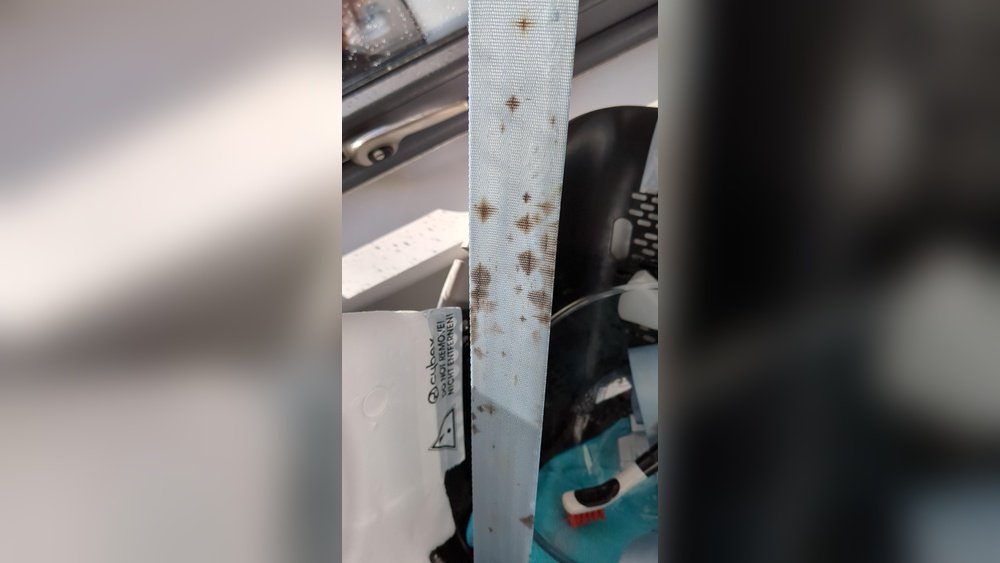
Mold on your car seat straps isn’t just ugly—it can be harmful to your health and damage your car’s interior. If you’ve noticed dark spots or a musty smell, it’s time to take action.
You might be wondering how to clean car seat straps mold effectively without ruining the fabric or risking your safety. This guide will show you simple, practical steps to get rid of mold quickly and keep your straps fresh and safe.
Keep reading—you’ll find easy solutions that anyone can follow.
Causes Of Mold On Car Seat Straps
Mold on car seat straps can appear quickly. Understanding why mold grows helps prevent it. Several common causes lead to mold growth on these straps.
Car seat straps stay close to the body and can trap moisture. This creates a perfect place for mold to thrive. Spotting the causes helps keep the straps clean and safe.
Moisture And Humidity
Moisture is the main cause of mold on car seat straps. Rain, sweat, or wet clothes can leave straps damp. High humidity inside the car makes the straps stay wet longer. Mold spores grow fast in these wet conditions.
Lack Of Ventilation
Poor airflow inside the car worsens mold problems. When air does not move, moisture stays trapped. This creates a dark, damp space perfect for mold. Ventilating the car helps dry the straps and stops mold growth.
Spills And Stains
Food and drink spills leave sticky stains on straps. These stains hold moisture and feed mold spores. Even small spills can cause mold if not cleaned quickly. Regularly checking and cleaning spills reduces mold risk.

Credit: www.youtube.com
Safety Precautions Before Cleaning
Cleaning mold from car seat straps requires care. Mold can cause health problems. Taking safety steps protects you and your family. Follow these important precautions before you start cleaning.
Wear Protective Gear
Put on gloves to keep mold off your skin. Use a mask to avoid breathing in spores. Wear old clothes in case of stains. Safety glasses protect your eyes from cleaning sprays.
Choose A Well-ventilated Area
Work outside or near an open window. Fresh air helps clear mold spores from the air. Avoid cleaning in small, closed rooms. Good airflow reduces the risk of breathing mold particles.
Test Cleaning Solutions
Try your cleaner on a small spot first. Check for any damage or color change. This prevents ruining the straps. Use mild cleaners to avoid weakening the fabric.
Materials Needed For Cleaning
Cleaning mold from car seat straps requires the right materials. Using proper items makes the process easier and more effective. Gather everything before starting to avoid interruptions. This section covers the key materials needed for cleaning.
Cleaning Agents
Choose cleaning agents that kill mold and are safe for fabric. White vinegar is a natural option that removes mold well. Mild dish soap helps lift dirt and grime. Avoid bleach as it can damage straps and irritate skin. Use a mixture of vinegar and water for strong cleaning power.
Tools And Brushes
Soft brushes help scrub mold without harming the straps. A toothbrush works well for small areas and tight spots. Microfiber cloths are good for wiping and drying. Avoid hard brushes that can fray or weaken the fabric. Use gloves to protect your hands during cleaning.
Drying Equipment
Drying the straps quickly stops mold from returning. Use a clean towel to blot excess moisture. Air drying in sunlight helps kill mold spores naturally. A fan speeds up drying when sunlight is not available. Avoid using a dryer, as heat can damage straps.
Step-by-step Cleaning Process
Cleaning mold from car seat straps requires care and the right steps. Follow this simple process to remove mold safely and effectively. Each step helps protect your car seat and keeps it hygienic for your family.
Remove Straps From Car Seat
Start by taking the straps off the car seat. Check your car seat manual for instructions. Removing straps makes cleaning easier and more thorough. Handle the straps gently to avoid damage.
Apply Cleaning Solution
Use a mild cleaning solution to treat moldy areas. Mix water with a small amount of gentle detergent or vinegar. Avoid harsh chemicals that may weaken the straps. Apply the solution with a soft cloth or spray bottle.
Scrub Moldy Areas
Lightly scrub the moldy spots using a soft brush or cloth. Do not scrub too hard to prevent damage. Focus on areas with visible mold. This helps break down mold and dirt for better cleaning.
Rinse Thoroughly
Rinse the straps with clean water to remove all soap and mold residue. Use a damp cloth or run under a gentle water stream. Ensure no cleaning solution remains on the straps to avoid skin irritation.
Dry Completely
Allow the straps to dry fully before reinstalling. Air dry them in a sunny, well-ventilated spot. Avoid using heat sources like dryers or heaters. Complete drying stops mold from returning and keeps straps safe.
Natural Remedies For Mold Removal
Mold on car seat straps can cause stains and odors. Natural remedies offer safe, easy ways to clean them. These solutions use common household items. They help remove mold without harsh chemicals. Try these simple methods to keep your straps fresh and clean.
Vinegar Solution
White vinegar kills mold spores effectively. Mix equal parts vinegar and water in a spray bottle. Spray the solution on the moldy straps. Let it sit for 30 minutes. Wipe the straps with a clean cloth. Repeat if needed to remove stubborn mold.
Baking Soda Paste
Baking soda removes mold and absorbs odors. Mix baking soda with a little water to make a paste. Apply the paste to the mold spots on the straps. Let it dry for 15 minutes. Scrub gently with a soft brush. Rinse with water and dry completely.
Hydrogen Peroxide Spray
Hydrogen peroxide is a natural mold killer. Use a 3% hydrogen peroxide solution in a spray bottle. Spray directly on the moldy areas. Wait for 10 minutes to let it work. Wipe with a clean cloth and air dry. Use this method carefully on colored straps to avoid fading.

Credit: www.reddit.com
Preventing Mold Growth On Straps
Mold on car seat straps can cause health problems and damage the material. Preventing mold growth keeps straps safe and long-lasting. Simple habits stop mold before it starts. Consistent care protects your car’s interior and your family’s health.
Regular Cleaning Routine
Clean straps often with mild soap and water. Wipe them down and let dry fully. Moisture invites mold, so dry straps well. A quick clean every week keeps mold away. Avoid harsh chemicals that weaken the fabric.
Proper Storage Tips
Store your car in a dry, well-ventilated place. Avoid damp areas that cause mold growth. Leave straps loose, not tight or folded. Tight straps trap moisture and create mold spots. Keep the car windows open a little to air out.
Use Of Mold Inhibitors
Use safe mold inhibitors made for fabrics. Spray lightly on straps after cleaning and drying. These products block mold spores from settling. Choose non-toxic, gentle options for children’s safety. Reapply often in humid or rainy seasons.
When To Replace Moldy Car Seat Straps
Mold on car seat straps is a serious issue. Cleaning can help, but sometimes the damage is too bad. Knowing when to replace moldy car seat straps keeps your child safe. Watch for signs that show the straps cannot be saved. Safety should always come first. Replacement straps must meet safety standards and fit well.
Signs Of Irreparable Damage
Straps that look frayed or worn need replacing. Mold can weaken the fabric, causing hidden damage. If straps have a strong musty smell after cleaning, they may be unsafe. Discoloration that won’t go away shows damage. Any tears or broken parts mean the straps are not safe.
Safety Concerns
Straps keep children secure during travel. Mold can reduce their strength and reliability. Weak straps may snap or fail in an accident. Mold can also cause skin irritation or allergies. Using damaged straps risks your child’s safety every time you drive.
Finding Replacement Straps
Check the car seat manual for strap replacement options. Use only straps made for your car seat model. Avoid generic or cheap straps that do not meet safety rules. Contact the car seat manufacturer for official replacements. Proper replacement straps ensure safety and fit correctly.

Credit: www.reddit.com
Frequently Asked Questions
How Do I Remove Mold From Car Seat Straps Safely?
Use a mixture of water and mild detergent to scrub the straps gently. Avoid harsh chemicals that may damage the fabric. Let the straps dry completely in sunlight to prevent mold regrowth.
What Household Items Clean Mold On Car Seat Straps?
White vinegar and baking soda effectively kill mold on straps. Apply vinegar, wait 10 minutes, then scrub with baking soda paste. Rinse thoroughly and air dry to remove mold and odors.
Can I Use Bleach To Clean Car Seat Straps Mold?
Bleach can damage car seat straps and weaken fibers. It’s safer to use mild detergent or vinegar solutions. Always check the manufacturer’s instructions before applying any cleaning agent.
How Often Should I Clean Car Seat Straps To Prevent Mold?
Clean car seat straps every few months or after exposure to moisture. Regular cleaning prevents mold buildup and keeps straps hygienic and safe for use.
Conclusion
Cleaning mold from car seat straps keeps them safe and fresh. Use gentle cleaners and soft brushes for best results. Dry straps completely before use to stop mold return. Regular checks help catch mold early and protect your car’s interior.
Clean straps improve air quality and prevent health risks. Keep your car comfortable by removing mold quickly and carefully. Simple steps can make a big difference in your car’s cleanliness. Stay safe, and maintain your car seat straps well.
