

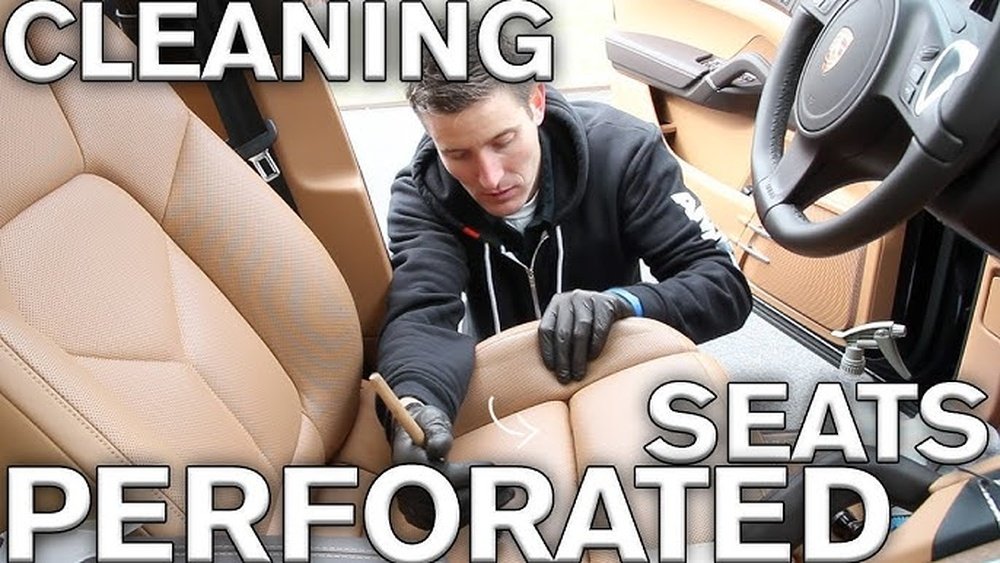
Your car’s ventilated seats are a luxury feature designed to keep you cool and comfortable. But over time, dust, dirt, and sweat can build up inside those tiny vents, making them less effective and even smelly.
If you want to keep your seats fresh and working perfectly, knowing how to clean them properly is key. In this guide, you’ll discover simple, effective steps to refresh your ventilated seats without causing damage. Ready to bring back that cool comfort every time you drive?
Let’s get started.
Preparing Your Car Seats
Cleaning ventilated car seats needs good preparation. Proper prep makes the cleaning easier and safer. It helps protect the seat’s material and the ventilation system.
Start by getting everything ready. This step saves time and stops damage. It also helps you clean deeply and carefully.
Gathering Cleaning Supplies
Collect all needed items before starting. You need a soft brush, vacuum cleaner, microfiber cloths, and mild cleaner. Avoid harsh chemicals that can harm seats or ventilation.
Use a cleaner made for car interiors or gentle soap with water. Also, keep cotton swabs or small brushes for vents.
Vacuuming Dust And Debris
Remove loose dirt from the seats first. Use a vacuum with a soft brush attachment. This stops dirt from going deeper during cleaning.
Pay close attention to cracks and ventilation holes. Gently vacuum these areas to clear dust. Clean vents carefully to avoid blocking airflow later.

Credit: www.illusionzmobileautospa.com
Checking Seat Material
Cleaning ventilated car seats starts with knowing the seat material. Different materials need different care. This step helps avoid damage during cleaning. It also ensures the best results and longer seat life.
Leather Ventilated Seats
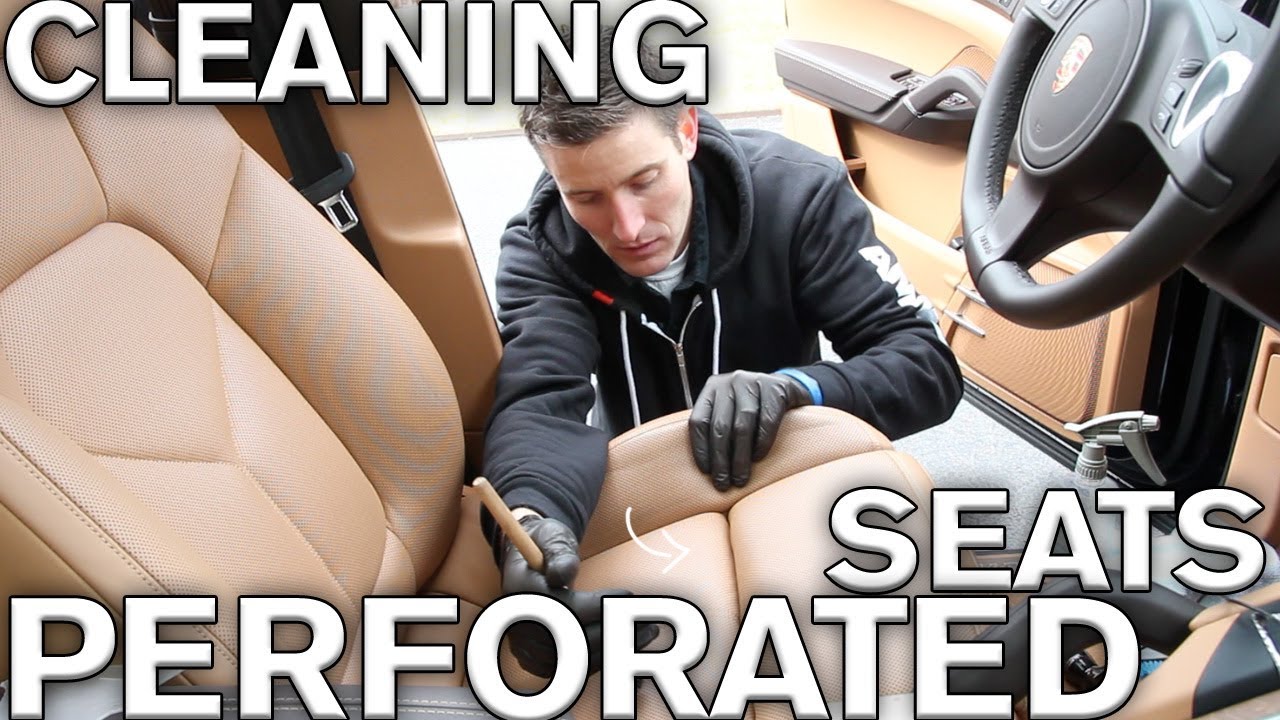
Leather seats require gentle cleaning. Use a soft cloth and leather cleaner. Avoid harsh chemicals that dry out leather. Clean small sections at a time. Wipe off any dirt from the ventilation holes carefully. Keep leather moisturized with a conditioner to prevent cracks.
Fabric Ventilated Seats
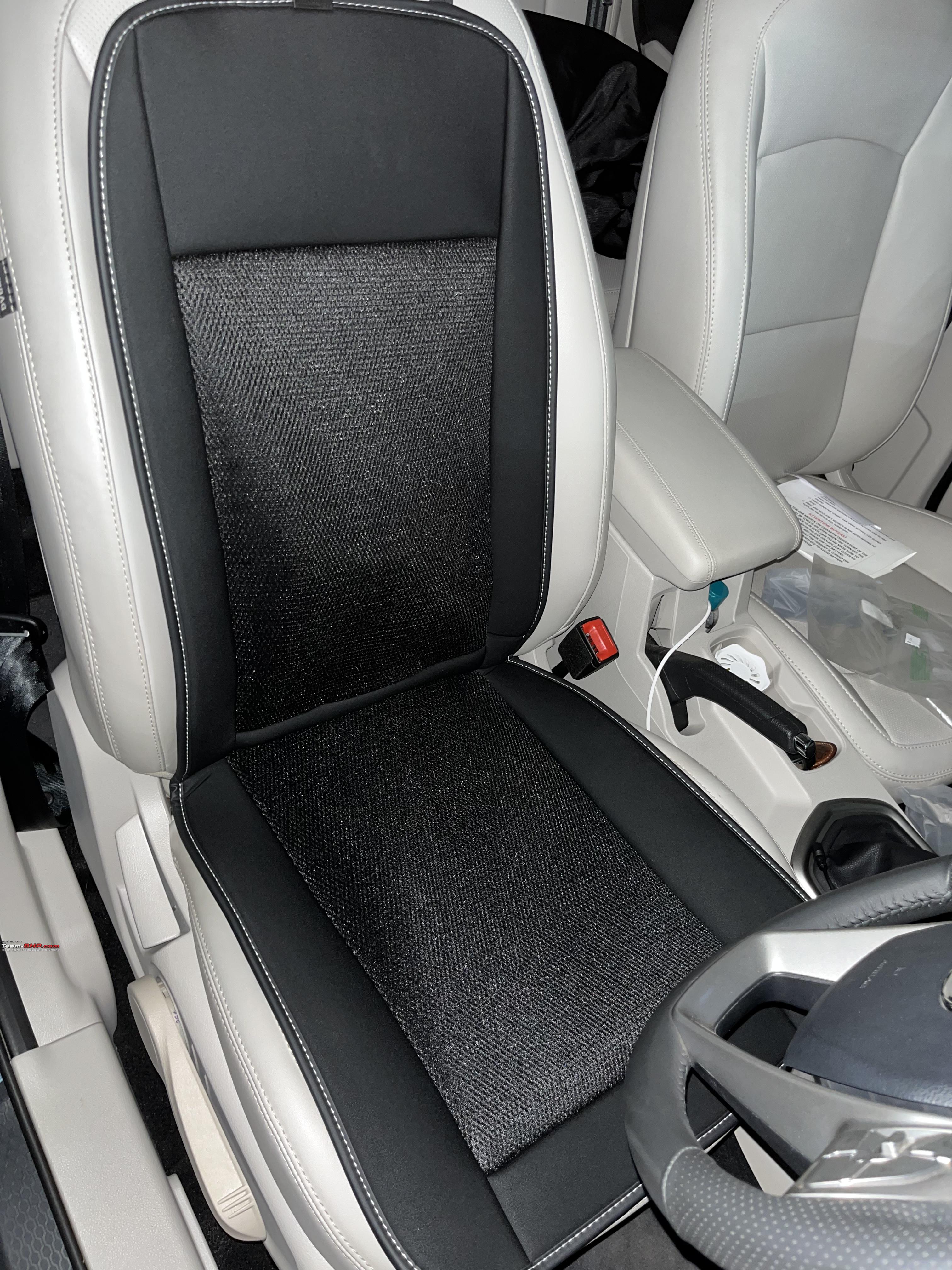
Fabric seats can handle more water than leather. Use a mild fabric cleaner or upholstery shampoo. Spray lightly and scrub gently with a soft brush. Focus on removing stains around ventilation openings. Let the fabric dry completely before using the seats again. Avoid soaking the fabric to protect the ventilation system.
Cleaning Leather Ventilated Seats
Cleaning leather ventilated seats needs care and the right products. These seats have small holes that let air flow. Dirt can get trapped in these holes. Proper cleaning keeps the leather soft and the ventilation working well.
Use gentle methods to avoid damage. Follow these steps to clean your leather ventilated seats safely and effectively.
Using Leather Cleaner
Choose a cleaner made for leather. Avoid harsh chemicals or strong soaps. Spray or apply a small amount of cleaner on a soft cloth. Gently rub the leather in circular motions. Focus on dirty spots but be gentle near the ventilation holes. Do not soak the leather or spray cleaner directly on the seat.
Wiping With Microfiber Cloth
Use a clean microfiber cloth to wipe the seats. This cloth traps dirt without scratching leather. Wipe along the grain of the leather. Make sure to clean inside the ventilation holes carefully. Repeat wiping until the seat feels clean and dry. Avoid using rough or abrasive materials.
Conditioning The Leather
Leather can dry out after cleaning. Use a leather conditioner to keep it soft. Apply a small amount on a cloth. Rub it gently into the leather using circular motions. Let the conditioner absorb fully before sitting on the seat. Conditioning helps prevent cracks and extends the seat’s life.
Credit: www.team-bhp.com
Cleaning Fabric Ventilated Seats
Cleaning fabric ventilated seats keeps your car fresh and comfortable. Dirt and sweat can clog the tiny holes in these seats. This stops air from flowing well. Regular cleaning helps maintain the seat’s look and function. Follow simple steps to clean fabric ventilated seats safely.
Applying Fabric Cleaner
Choose a cleaner made for fabric seats. Spray it lightly over the seat surface. Focus on small sections to avoid soaking the fabric. Let the cleaner sit for a few minutes. This helps break down dirt and stains. Use a cleaner that does not leave residue.
Scrubbing Gently
Use a soft brush or cloth to scrub the fabric. Move in small, circular motions. Avoid pressing too hard to protect the ventilation holes. Gentle scrubbing loosens dirt without damaging the seat. Take your time and cover all areas evenly.
Drying The Seats
Let the seats air dry naturally. Keep car windows open to speed drying. Avoid direct sunlight that may fade the fabric. Do not use heat sources like hair dryers. Wait until the seats are fully dry before using the ventilation system again.
Maintaining Ventilation Function
Maintaining the ventilation function of your car’s ventilated seats keeps them comfortable and fresh. Clean seats alone do not ensure good airflow. The ventilation system needs care to work well over time.
Proper maintenance prevents blockages and damage. It helps the air move freely through the seat’s perforations. This keeps you cool and prevents odors.
Avoiding Moisture Damage
Moisture can harm the seat’s ventilation system. Water or sweat trapped inside can cause mold and bad smells. Use a dry cloth to wipe the seats after use. Never soak the seats with water or cleaning fluids. Let the seats dry completely before turning on ventilation.
Checking Airflow Regularly
Check airflow often to catch problems early. Turn on the ventilation and feel for air coming through the seat. Blockages or weak airflow may mean dust or dirt inside. Use a soft brush or vacuum with a soft nozzle to clean seat holes. Regular checks keep the system working smoothly.
Tips For Long-lasting Cleanliness
Keeping car ventilated seats clean for a long time helps maintain comfort and appearance. Simple habits protect the seats from dirt and damage. Small efforts extend the life of the seats and keep them fresh.
Regular Cleaning Schedule
Clean seats often to stop dust and dirt buildup. Use a soft brush or cloth to remove loose particles. Wipe seats gently with a mild cleaner made for car interiors. Avoid harsh chemicals that can harm the material. A quick wipe every week keeps seats looking new.
Protecting From Spills And Stains
Spills can cause stains and damage ventilation parts. Use seat covers if carrying food or drinks. Clean spills immediately with a clean cloth. Blot the spill, do not rub, to avoid spreading. Use a gentle cleaner to remove stains carefully. Prevent stains to keep seats fresh and working well.
Credit: www.youtube.com
Frequently Asked Questions
How Do I Clean Car Ventilated Seats Safely?
Use a soft brush and mild soap solution to clean the seats. Avoid harsh chemicals that can damage ventilation holes. Gently wipe with a microfiber cloth. Ensure the seats dry completely before use to prevent mold and odor buildup.
Can I Use Vacuum To Clean Ventilated Seats?
Yes, use a vacuum with a soft brush attachment. This removes dust and debris from ventilation holes effectively. Avoid strong suction that may damage the seat surface or internal components.
What Products Are Best For Cleaning Ventilated Seats?
Use pH-balanced leather or fabric cleaners designed for car interiors. Avoid bleach, ammonia, or abrasive cleaners. Always test on a small area first to ensure compatibility and prevent damage.
How Often Should I Clean Ventilated Car Seats?
Clean ventilated seats every 1-2 months to maintain hygiene and function. Regular cleaning prevents dirt buildup in ventilation holes and extends seat life.
Conclusion
Cleaning car ventilated seats keeps them fresh and comfortable. Regular care stops dirt and dust from building up. Use gentle cleaners and soft cloths to protect the seats. Avoid harsh chemicals that can damage the material. Small efforts can extend the life of your car seats.
Enjoy a cleaner ride with simple, easy steps. Your car stays inviting and cool, especially in warm weather. Taking time to clean shows you care about your vehicle. Keep your seats looking their best with regular cleaning.
