
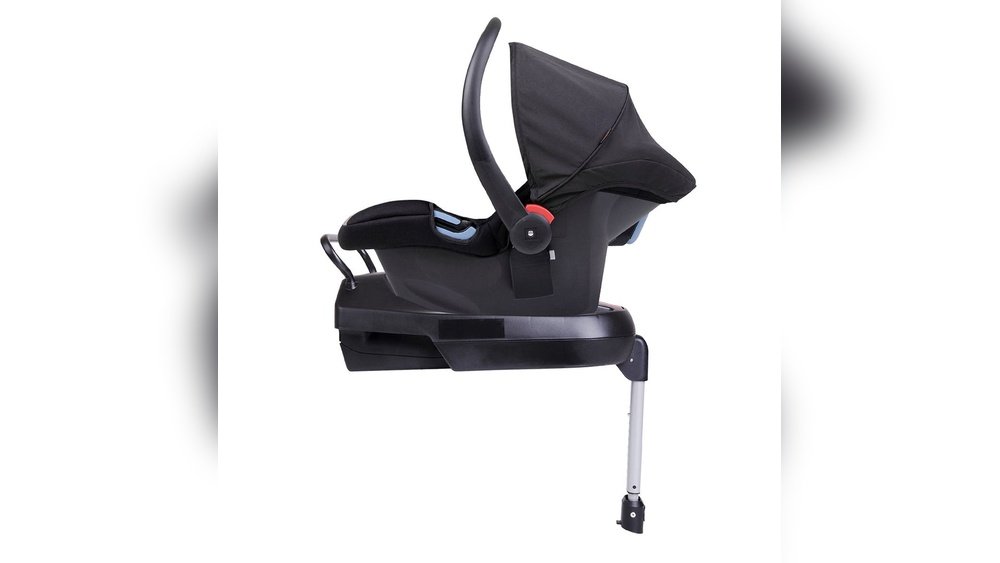
Are you unsure if your car seat base will fit every car seat you have or plan to buy? Choosing the right car seat base can feel confusing, especially when safety is on the line.
You want to make sure your child is secure without struggling to find the perfect match. You’ll discover the truth about whether car seat bases are truly universal, what to look out for, and how to make the best choice for your family’s safety and convenience.
Keep reading—your peace of mind on the road depends on it.

Credit: www.imperfecthomemaking.com
Car Seat Base Basics
Understanding the basics of car seat bases helps parents keep their children safe. A car seat base is a crucial part of many infant car seats. It makes installing the car seat easier and more secure. Knowing what a car seat base is and the types available helps in choosing the right one for your needs.
Car seat bases come in different designs. Each type offers different ways to install and use the base. This knowledge helps you pick the safest option for your child and vehicle.
What Is A Car Seat Base?
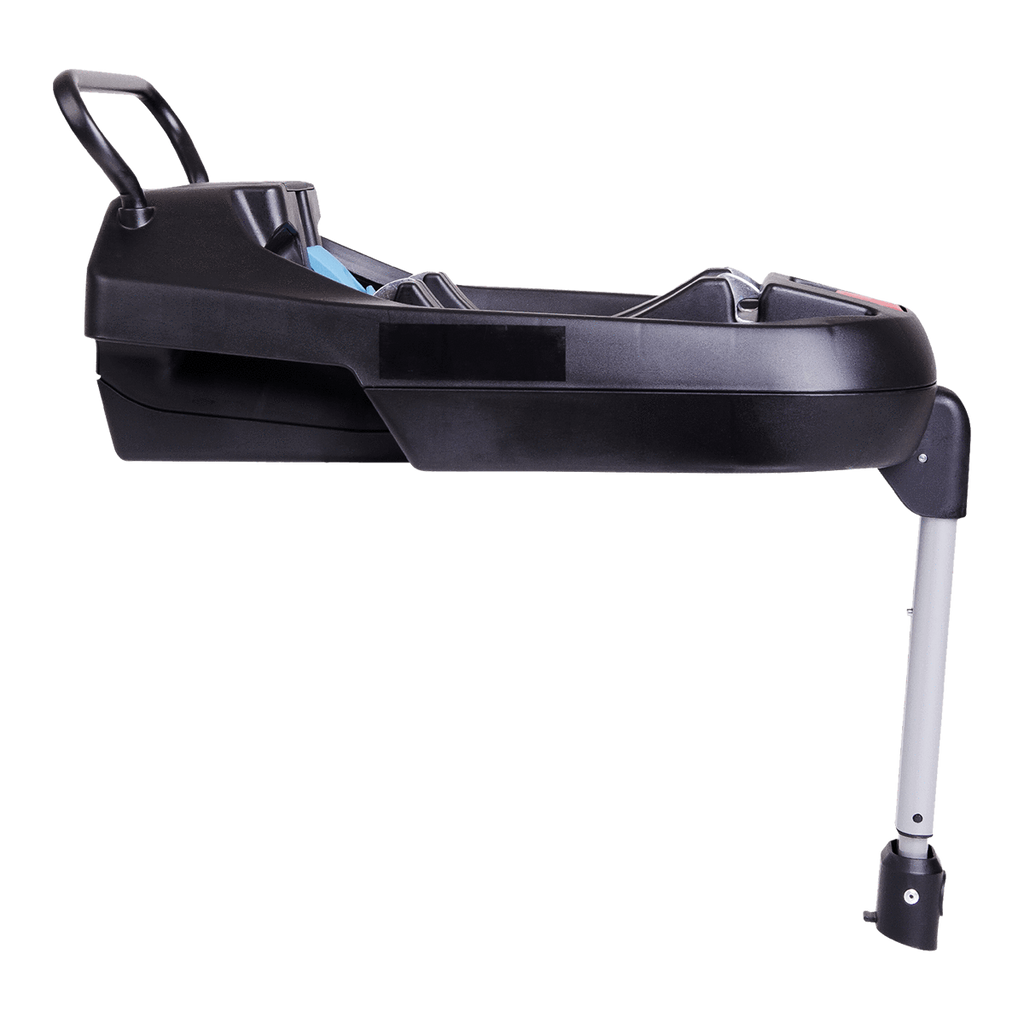
A car seat base is a separate piece that stays in the car. It holds the infant car seat securely in place. The base stays installed, so you can click the car seat in and out easily. It helps keep the car seat at the correct angle. This reduces the risk of injury in a crash.
The base often has connectors that attach to the car’s seat belt or LATCH system. It makes installation more stable and less prone to errors. Parents can remove the car seat quickly without reinstalling the base each time.
Types Of Car Seat Bases
There are mainly two types of car seat bases. One uses the vehicle’s seat belt for installation. The other uses the LATCH system, which stands for Lower Anchors and Tethers for Children. Both types keep the base secure but differ in installation methods.
Some car seat bases come with adjustable features. These help achieve the right angle for your infant. Others have built-in leveling indicators to make installation easier. Certain bases allow for easy switching between multiple cars.
Choosing the right base depends on your car and how often you move the seat. Knowing the types helps ensure your child’s car seat is installed safely every time.
Credit: encuentroguionistas.com
Compatibility Factors
Compatibility plays a big role in choosing the right car seat base. Not all bases fit all car seats or vehicles. Understanding key factors helps you pick the safest option for your child.
Car Seat Models And Brands
Car seat bases are designed to match specific models and brands. A base made for one brand may not fit another brand properly. Some brands offer universal bases, but they still have limits. Always check the manufacturer’s guidelines to ensure the base fits your car seat model. Using the wrong base can reduce safety in a crash.
Vehicle Seat Types And Installation
Different vehicles have different seat types and seat belt systems. Some cars have LATCH anchors, others only have seat belts. Car seat bases must be compatible with your vehicle’s seat type. Installation methods can vary between bases and cars. Proper installation is key for safety. Always read your vehicle’s manual and the base instructions carefully.
Safety Standards And Regulations
Car seat bases must meet strict safety standards and regulations. These rules protect children during travel. Understanding these standards helps parents choose the right base. Safety is the top priority for all car seats.
Regulations ensure car seat bases perform well in crashes. They also confirm the product’s quality and reliability. Each base must pass tests before it can be sold.
Crash Test Requirements
Crash tests check how well a car seat base protects a child. These tests use dummies and crash simulations. The base must hold the seat firmly in place. It should reduce the force on the child’s body. Tests cover front, side, and rear impacts. Passing these tests means the base meets safety rules.
Certifications To Look For
Look for safety certifications on any car seat base. Common certifications include FMVSS 213 in the U.S. and ECE R44/04 or R129 in Europe. These labels prove the base meets government standards. Certified products offer peace of mind for parents. Avoid bases without clear certification marks.
Common Misconceptions
Many parents believe car seat bases work with any car seat or brand. This idea causes confusion and safety risks. Understanding common misconceptions helps parents choose the right base. Clear facts protect children during travel.
Can You Mix And Match Bases?
Mixing car seat bases and seats is unsafe. Most bases fit only specific car seat models. Using a different base can cause poor installation. This leads to less protection in accidents. Always check the manufacturer’s guide for compatibility.
Myths About Universal Fit
People often think all car seat bases fit all cars. This is not true. Car seat bases vary by brand and model. Some fit better in certain cars than others. Universal fit does not mean perfect fit. Testing the base in your car is key.
Tips For Choosing The Right Base
Choosing the right car seat base is important for your child’s safety and comfort. Not all bases fit every car seat or vehicle. Picking the correct base helps you install the seat securely and use it easily every day.
Keep these tips in mind to find the best base for your needs. Check compatibility and follow guidelines carefully. This will save time and avoid problems later.
Checking Compatibility Charts
Many car seat brands offer compatibility charts online or in manuals. These charts show which bases fit specific car seat models. They also list the types of vehicles that work well with each base. Use these charts before buying to avoid mistakes.
Compatibility charts help you narrow down options quickly. They confirm that the base and seat will work together safely. Don’t skip this step. It ensures proper fit and peace of mind.
Consulting Manufacturer Guidelines
Each car seat manufacturer provides detailed guidelines. These include instructions on which bases to use and how to install them. Follow these guidelines closely for correct setup.
Manufacturer advice also covers weight limits and expiration dates. It helps you know when to replace the base or seat. Reading these instructions protects your child and keeps you informed.
Installation Best Practices
Installing a car seat base correctly is vital for your child’s safety. A proper installation ensures the seat stays in place during travel. It also helps protect your child in case of sudden stops or accidents. Follow these best practices to install the base securely and confidently.
Using Latch Vs Seat Belt
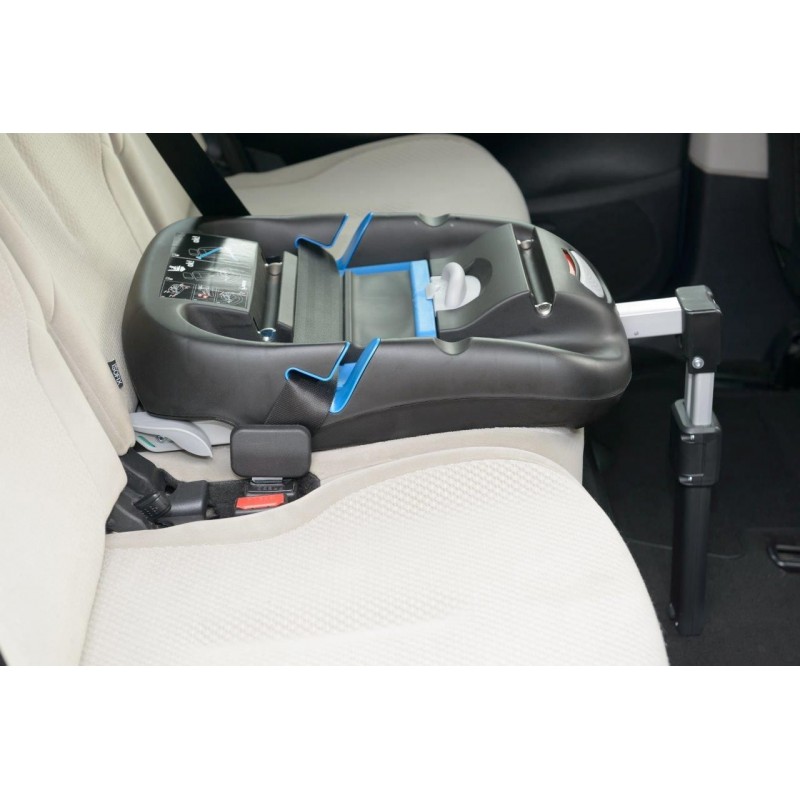
Car seat bases can be installed using the LATCH system or the vehicle’s seat belt. LATCH stands for Lower Anchors and Tethers for Children. It is designed to make installation easier and more secure. Many cars have built-in LATCH anchors in the back seat.
Use the LATCH system when available and compatible with your car seat base. It often provides a tighter fit with less effort. If your vehicle does not have LATCH anchors or the base does not fit well, use the seat belt instead. Both methods are safe if installed correctly.
Ensuring A Secure Fit
Check the car seat base after installation. Give it a firm shake at the belt path. The base should move less than one inch side to side or front to back. Tighten the straps or seat belt to remove any slack.
Make sure the base is level according to the indicators on the seat. A tilted base can affect your child’s position and safety. Use a rolled towel or pool noodle if needed to level the base. Follow the manufacturer’s instructions closely for best results.
When To Replace A Car Seat Base
Knowing when to replace a car seat base is important for your child’s safety. Car seat bases wear out and can become unsafe over time. Using a damaged or expired base puts your child at risk. Regular checks keep your child protected during every ride.
Signs Of Wear And Damage
Look closely at the car seat base for cracks or broken parts. Loose or missing pieces can affect the base’s strength. Check the belt or latch connectors for fraying or damage. Any visible damage means it is time to replace the base. Never use a base that looks worn or unsafe.
Expiration Dates And Recalls
Every car seat base has an expiration date. This date is usually printed on a label or molded into the plastic. Using a base past its expiration can reduce safety. Check for recalls online or from the manufacturer. Recalls mean a defect or safety issue was found. Replace the base immediately if it is recalled or expired.
Credit: kdfoundation.org
Frequently Asked Questions
Are Car Seat Bases Compatible With All Car Models?
Car seat bases are not universally compatible with all cars. Compatibility depends on your car’s make, model, and year. Always check the base’s manufacturer guide and your vehicle’s manual to ensure a secure fit and proper installation.
Can One Car Seat Base Fit Multiple Car Seats?
Most car seat bases are designed for specific car seat models. Using one base for multiple seats is usually not recommended. Check compatibility to ensure safety and proper installation before switching car seats on the same base.
How Do I Know If A Car Seat Base Is Universal?
A universal car seat base is designed to fit many car seats and vehicles. Look for labels or manufacturer claims stating “universal fit. ” However, always verify compatibility with your car and child seat before purchase.
Are Isofix Car Seat Bases Universal?
ISOFIX bases offer a standardized attachment system but are not entirely universal. Different cars have varying ISOFIX anchor designs and spacing. Confirm your car’s ISOFIX compatibility and the base’s specifications before buying.
Conclusion
Car seat bases are not always universal. Each brand and model may fit differently. Always check compatibility before buying a base. Safety depends on the right fit. Using the correct base keeps your child secure. Don’t assume one base works for all car seats.
Take time to read instructions and labels carefully. Your child’s safety is worth the extra effort. Choose wisely for peace of mind on every trip.
