
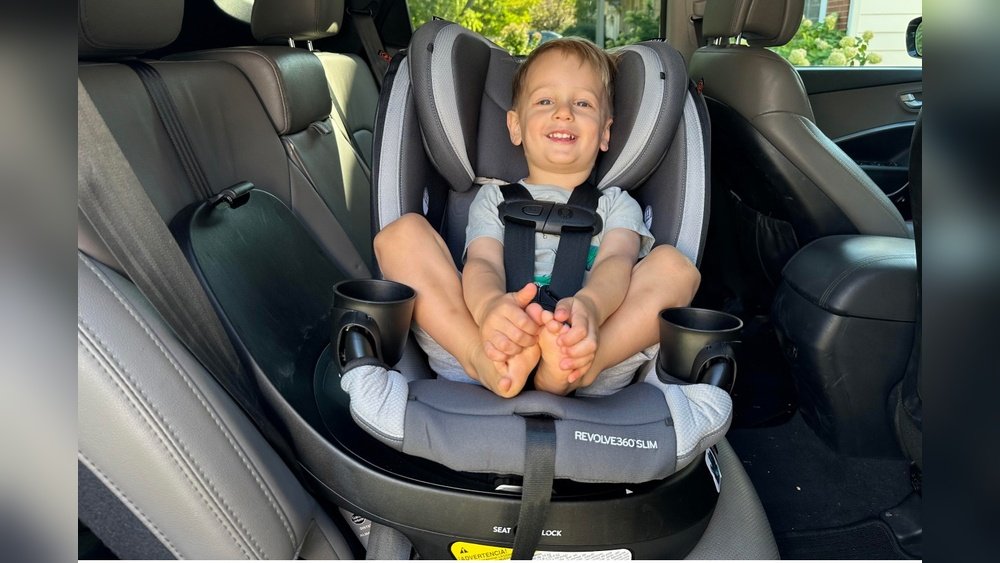
Are you wondering if rotating car seats are truly safe for your child? Choosing the right car seat can feel overwhelming, especially when safety is your top priority.
You want a seat that not only protects your little one but also makes your life easier. Rotating car seats promise convenience and comfort, but do they deliver when it comes to safety? Keep reading to uncover the facts, so you can make the best choice for your family’s peace of mind.
Safety Features Of Rotating Car Seats
Rotating car seats offer more than convenience. Their safety features make them a smart choice for many parents. Understanding these features helps you see how these seats protect your child.
Each design focuses on making the seat easy to use and strong in accidents. These safety elements work together to keep your child secure during every trip.
Ease Of Access And Installation
Rotating car seats turn toward the car door. This helps place your child in the seat without awkward bending. It reduces strain on your back and arms. Installing the seat is also simpler. Many models have clear guides and clicks that confirm a correct fit. Proper installation is key to safety.
Impact Protection Mechanisms
These seats include side impact protection. They have extra padding and strong frames around the head and torso. This design absorbs energy during a crash. It lowers the risk of injury to vital areas. Many seats also have built-in harness systems that lock your child in place firmly.
Material Quality And Durability
High-quality materials make these seats reliable. Manufacturers use tough plastics and metal for the frame. The fabric is often breathable and easy to clean. Durable materials ensure the seat stays safe over time. They resist wear and damage from daily use.
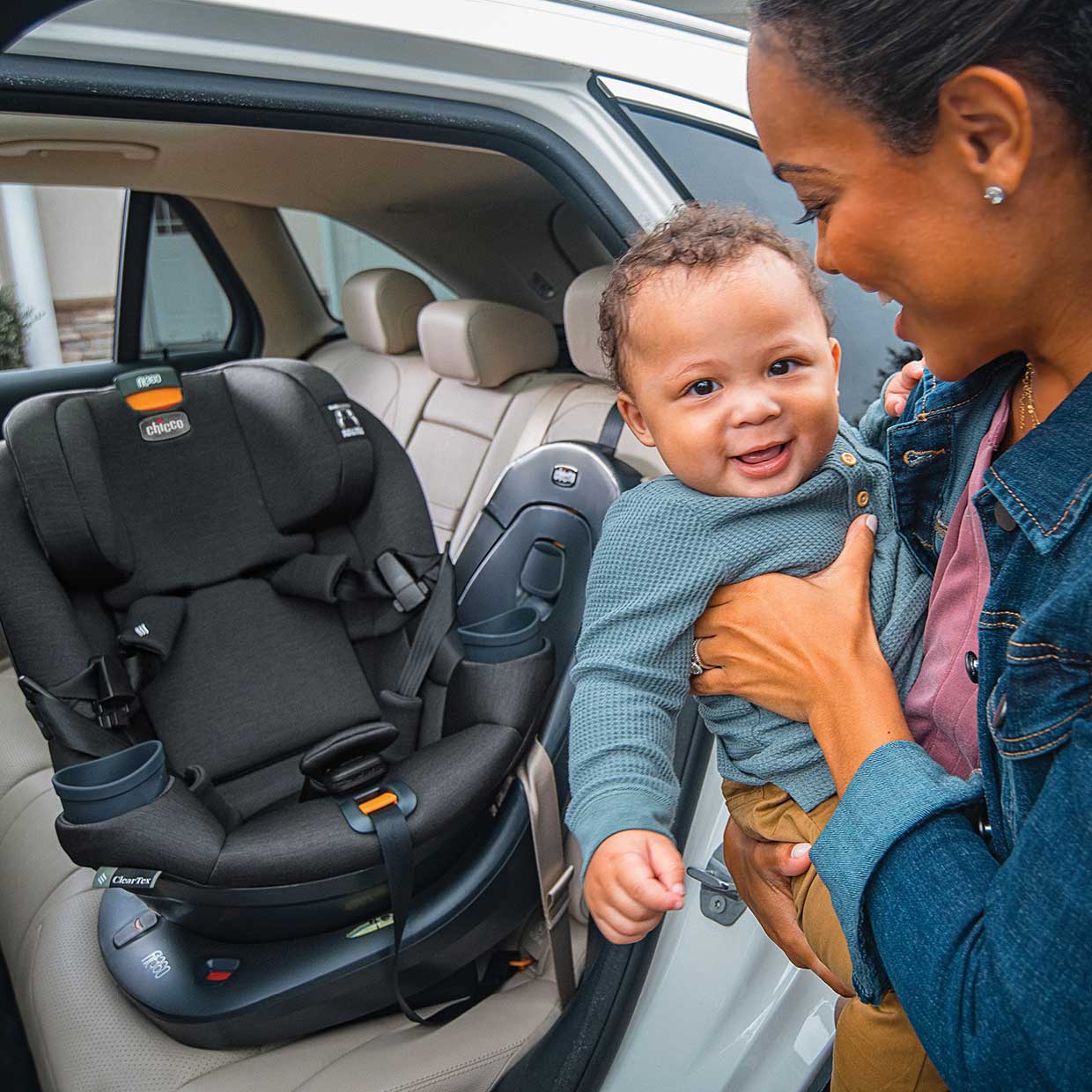
Credit: www.chiccousa.com
Expert Opinions On Rotating Car Seats
Experts provide valuable insights on rotating car seats. Their views help parents make safe choices. Understanding these opinions clarifies doubts about safety and usability.
Pediatricians’ Perspectives
Pediatricians focus on child safety and comfort. They appreciate rotating seats for easy access. This feature reduces strain when placing children in the seat.
Many recommend seats that allow rear-facing positions longer. Rear-facing is safer for young children during impact. Pediatricians stress choosing seats with strong safety ratings.
Safety Engineers’ Reviews
Safety engineers test car seats rigorously. They analyze crash performance and durability. Rotating car seats often pass strict safety standards.
Engineers highlight the importance of proper installation. A rotating mechanism must lock securely in place. Loose seats can be dangerous during accidents.
They advise checking for clear instructions and sturdy materials. Quality construction reduces risks and improves protection.
Parent Testimonials
Parents share real experiences with rotating car seats. Many find them convenient for daily use. Turning the seat saves time and effort.
Some parents mention improved comfort for their children. Easy adjustment allows better positioning for naps or play. Few report concerns about mechanical parts.
Overall, parents value the balance of safety and ease. Their feedback supports the positive reputation of rotating car seats.
Common Safety Concerns
Rotating car seats offer flexibility and ease, but safety remains a top concern. Parents wonder about risks tied to their design and use. Understanding common safety issues helps in making smart choices.
Potential Mechanical Failures
Rotating car seats have moving parts that can wear out. Locks may fail to hold the seat in place securely. This issue can reduce protection during a crash. Regular checks ensure all parts work well. Avoid seats with loose or broken components.
Proper Usage And Installation Errors
Incorrect installation is a major safety risk. Rotating seats require precise fitting to the car’s seat. Misuse can cause the seat to move unexpectedly. Always follow the manufacturer’s instructions carefully. Seek help from certified technicians if unsure.
Age And Weight Limitations
Each seat has limits based on child’s age and weight. Using a seat beyond these limits decreases safety. Rotating seats often support infants and toddlers only. Check labels and manuals to confirm suitability. Switching seats as your child grows is essential.
:max_bytes(150000):strip_icc()/prt-rotating-car-seats-apr-24-test-maxi-cosi-peri-180-infant-19-dae25c16509d4a3295ea54f24e43a567.jpeg)
Credit: www.parents.com
Comparing Rotating Vs. Traditional Car Seats
Choosing the right car seat is important for every parent. Rotating and traditional car seats serve the same purpose but differ in design and function. Comparing these two helps parents decide which fits their needs best. This section explores key differences in convenience, safety, and cost.
Convenience And Accessibility
Rotating car seats turn 360 degrees, making it easy to place or remove a child. This feature helps reduce strain on parents’ backs. Traditional seats stay fixed, requiring more effort to secure a child. Rotating seats often allow rear- and forward-facing modes without reinstalling. This flexibility is helpful as children grow.
Safety Performance In Crashes
Both rotating and traditional car seats meet safety standards. Traditional seats have a long record of reliable protection. Rotating seats offer the same crash safety but add ease in positioning. Rear-facing use is safer for young children and is possible in both seat types. Always check for proper installation and fit for maximum safety.
Cost And Longevity
Rotating car seats usually cost more than traditional ones. Their advanced design and features justify the higher price. Traditional seats are often less expensive but may need replacing sooner. Rotating seats grow with your child, potentially lasting longer. Budget and how long you plan to use the seat affect this choice.
Installation Tips For Maximum Safety
Rotating car seats offer flexibility and comfort for your child during travel. Proper installation is key to keeping your child safe. Follow these tips to ensure the seat is set up correctly and securely. Safety depends on how well the seat fits in your car and how firmly it is attached.
Securing The Seat Correctly
Place the car seat on the vehicle seat firmly. Avoid any loose movement or tilting. Check if the seat base sits flat against the car seat. Tighten all straps and locks to hold the car seat tightly. A seat that moves more than one inch side to side or front to back needs adjustment.
Using Seat Belts And Latch System
Choose between the seat belt or LATCH system for installation. Use only one method at a time unless the car seat manual says otherwise. Thread the seat belt through the right path and buckle it securely. Lock the seat belt to prevent slack. Attach the LATCH connectors to the vehicle anchors firmly. Tighten the straps to remove any slack.
Regular Maintenance Checks
Inspect the car seat regularly to ensure it stays secure. Check for worn straps, cracks, or broken parts. Clean the seat and straps according to the manufacturer’s instructions. Tighten any loose fittings or connectors. Replace the car seat if it has been in an accident or shows damage.
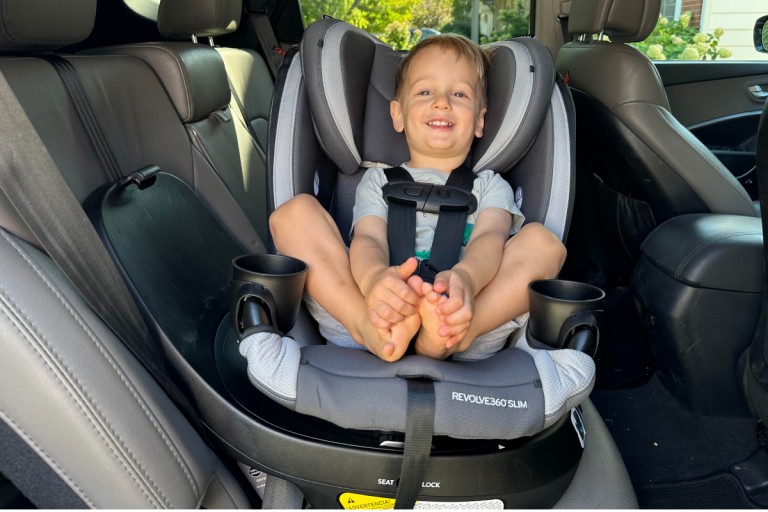
Credit: www.babylist.com
Choosing The Right Rotating Car Seat
Choosing the right rotating car seat is important for your child’s safety and comfort. Not all seats fit every car or child. It helps to know what to check before buying. This guide breaks down key points to consider.
Certification And Safety Ratings
Always check for official safety certifications. Look for labels from recognized safety organizations. These prove the seat meets strict safety rules. Review crash test results and safety ratings online. A high rating means better protection for your child.
Fit For Your Vehicle Type
Measure your car’s back seat space. Some rotating seats may be too big or small. Check if the seat attaches securely to your car. Some seats use ISOFIX anchors, others use seat belts. Ensure the seat fits well and stays stable during travel.
Features To Look For
Choose a seat with easy rotation for simple access. Look for adjustable harnesses to fit your growing child. Padding and support add comfort on long drives. Some seats recline for better rest. Safety locks and clear instructions are also important.
Frequently Asked Questions
Are Rotating Car Seats Safer Than Fixed Seats?
Rotating car seats enhance safety by easing child placement and harness adjustment. They reduce strain on parents, minimizing improper installation risks. Properly installed, they meet safety standards and offer better crash protection compared to some fixed seats.
How Do Rotating Car Seats Improve Child Safety?
Rotating car seats allow easy switch between rear and forward-facing modes. This flexibility supports extended rear-facing use, which is safer for toddlers. The swivel feature also ensures correct harness positioning, improving overall child safety during travel.
Can Rotating Car Seats Be Installed Correctly Every Time?
Yes, rotating car seats often feature clear instructions and locking mechanisms. Their design simplifies installation, reducing common errors. However, following manufacturer guidelines and vehicle compatibility checks remain crucial for maximum safety and effectiveness.
Are Rotating Car Seats Suitable For All Car Types?
Most rotating car seats fit a wide range of vehicles, including compact cars and SUVs. Still, checking seat dimensions and vehicle compatibility is essential. Proper fit ensures secure installation and optimal safety performance during travel.
Conclusion
Rotating car seats offer easy access and comfort for children. They often meet strict safety standards and provide good protection. Parents find them handy for placing and removing kids quickly. Always follow the manufacturer’s instructions for proper installation and use.
Regular checks ensure the seat stays secure and safe. Choosing the right car seat depends on your child’s age and size. Safety remains the top priority in every journey. Rotating seats can be a smart choice for many families.
