
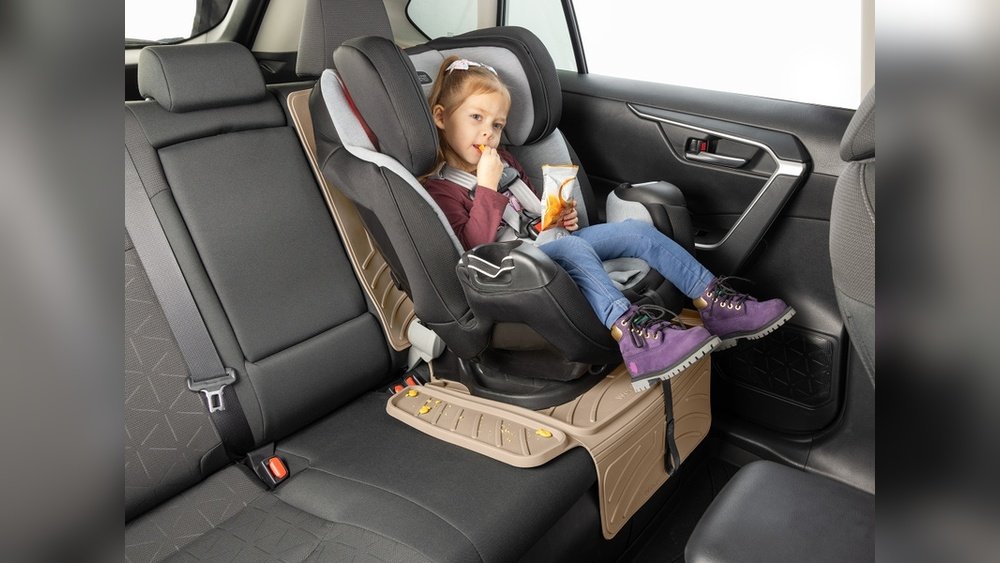
Are you worried about keeping your car seats clean and damage-free? Seat protectors seem like the perfect solution, but you might be asking yourself: are seat protectors really safe for your car seats?
You want to protect your investment without causing hidden problems or reducing comfort. You’ll discover the truth about seat protectors—how they work, what risks to watch out for, and how to choose the right one for your car. Keep reading to make sure your seats stay in great shape for years to come.
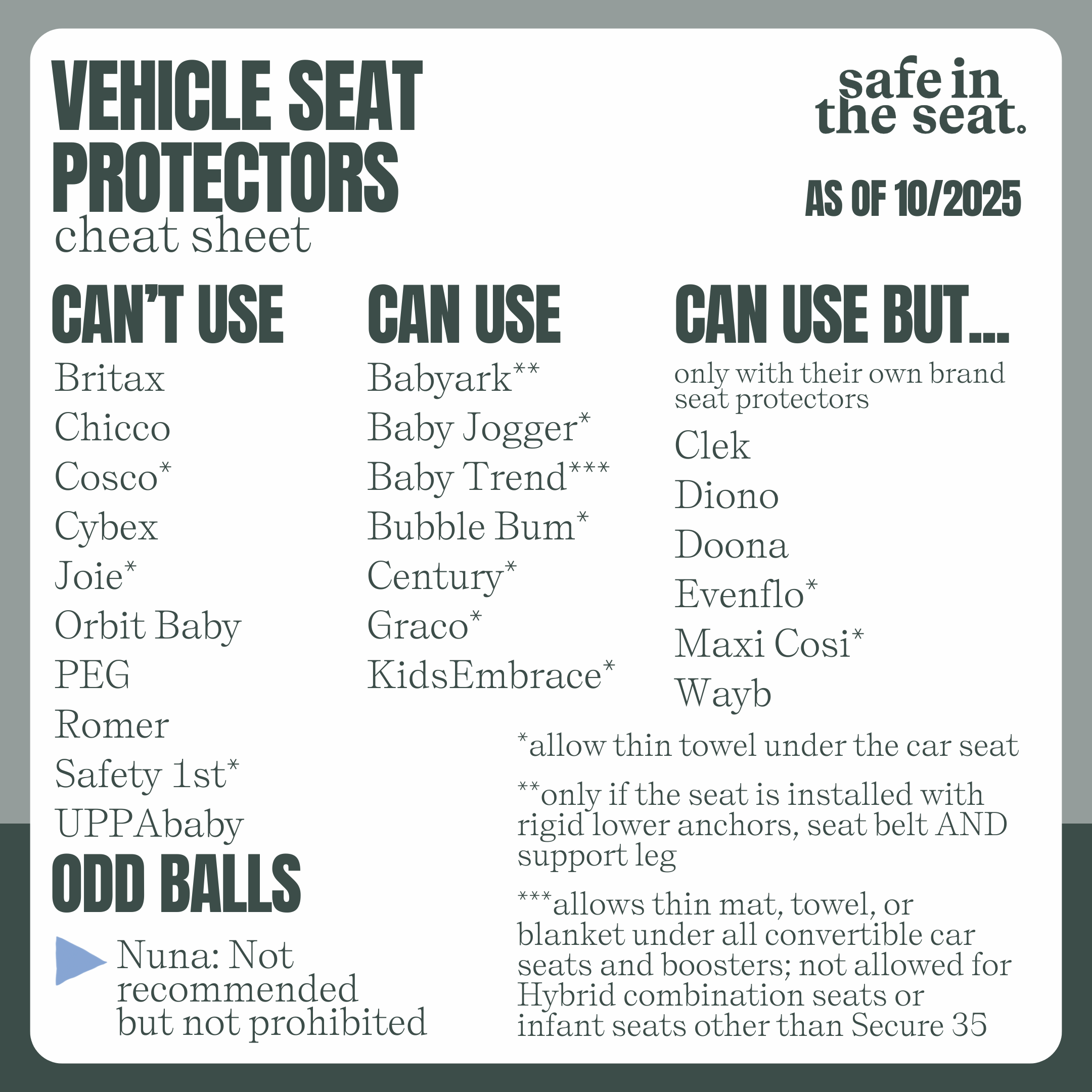
Credit: www.safeintheseat.com
Purpose Of Seat Protectors
Seat protectors serve an important role in keeping car seats clean and safe. They act as a shield against spills, dirt, and wear. Many drivers use them to keep their seats looking new for a longer time. They help maintain the car’s interior and can save money on repairs or cleaning.
Common Uses In Vehicles
Seat protectors are popular for families with children. Kids often spill food or drinks, which can stain seats. Pet owners use them to stop pet hair and scratches. People who carry tools or sports gear use protectors to avoid damage. They also help during rainy or snowy weather to keep seats dry.
Materials And Design Variations
Seat protectors come in different materials like neoprene, polyester, and leather. Neoprene is water-resistant and easy to clean. Polyester offers strong durability and breathability. Leather-style protectors add a sleek look to the car. Designs vary to fit front seats, back seats, and car seats for kids. Some have extra padding for comfort and protection.
Impact On Seat Safety
Seat protectors help keep car seats clean and safe from damage. Yet, their impact on seat safety is important. Some protectors may affect how safety features work in a crash. Understanding this impact helps you choose the right protector.
Effect On Airbag Deployment
Airbags rely on sensors in the seat to deploy properly. Thick or bulky seat protectors may cover these sensors. This can delay or stop airbag activation in an accident. Choose protectors designed to allow sensor function. Look for thin, breathable materials that do not block sensors. Proper airbag deployment saves lives.
Influence On Seatbelt Functionality
Seatbelts must fit snugly and lock securely. Some seat protectors change the seat shape or add bulk. This can cause seatbelts to fit poorly or not lock well. Avoid protectors that interfere with belt paths or buckle access. Test the seatbelt after installing a protector. Good belt function is key to passenger safety.
Child Car Seat Compatibility
Choosing the right seat protector is important for your child’s car seat. The protector must fit well with the car seat base. A poor fit can affect safety and comfort. Some protectors block the car seat’s anchors or straps. This can make installation harder or unsafe.
Not all seat protectors work with every car seat model. Check the car seat and protector instructions carefully. Make sure the protector does not move or slide under the seat. Stability is key to keeping your child safe on the road.
Installation Challenges
Installing a child car seat with a seat protector can be tricky. Protectors might create extra space or prevent tight attachment. This can lead to a loose or unstable car seat. Some protectors add layers that block the seat belt or latch system.
Always test the seat’s fit after adding a protector. Use the car seat manual for installation tips. If the seat moves more than an inch, it is not safe. Remove the protector and try again if needed.
Safety Standards And Regulations
Seat protectors must meet safety rules for child car seats. Many protectors do not have safety certifications. Some can interfere with airbag systems or seat sensors. The safest protectors are tested and approved by safety groups.
Check for labels showing compliance with safety standards. Follow the car seat maker’s advice about using seat protectors. Using unapproved protectors may void the car seat warranty. Safety must come first for every child passenger.

Credit: www.liftingitalia.com
Potential Risks And Concerns
Seat protectors help keep car seats clean and safe. Yet, they can cause some problems. Knowing these risks helps you choose and use them better.
Slippage And Movement Issues
Seat protectors can slip or move on the seat. This makes sitting uncomfortable and unsafe. Slipping can distract drivers or block controls. It may also cause damage to the seat material underneath. Choosing a protector with good grip reduces this risk.
Interference With Seat Sensors
Many cars have seat sensors for airbags and safety belts. Some seat protectors can block or confuse these sensors. This may stop airbags from working properly. It can also affect seatbelt warnings. Check if the protector fits well without covering sensors.
Tips For Safe Use
Seat protectors help keep car seats clean and safe. Using them correctly is key to avoiding damage or safety issues. Follow simple tips to use seat protectors safely and protect your car’s interior.
Choosing The Right Protector
Pick a seat protector that fits your car seat size well. Choose materials that do not block airbags or seatbelt sensors. Look for protectors with non-slip backing to prevent sliding. Avoid thick or bulky protectors that may change how your seat functions. Select easy-to-clean options for convenience and hygiene.
Proper Installation Techniques
Install the seat protector flat and smooth to avoid wrinkles. Secure straps tightly but without stretching or damaging the seat. Make sure the protector does not cover seatbelt buckles or airbags. Check that the seat protector stays in place during use. Regularly inspect the protector for wear and replace if damaged.
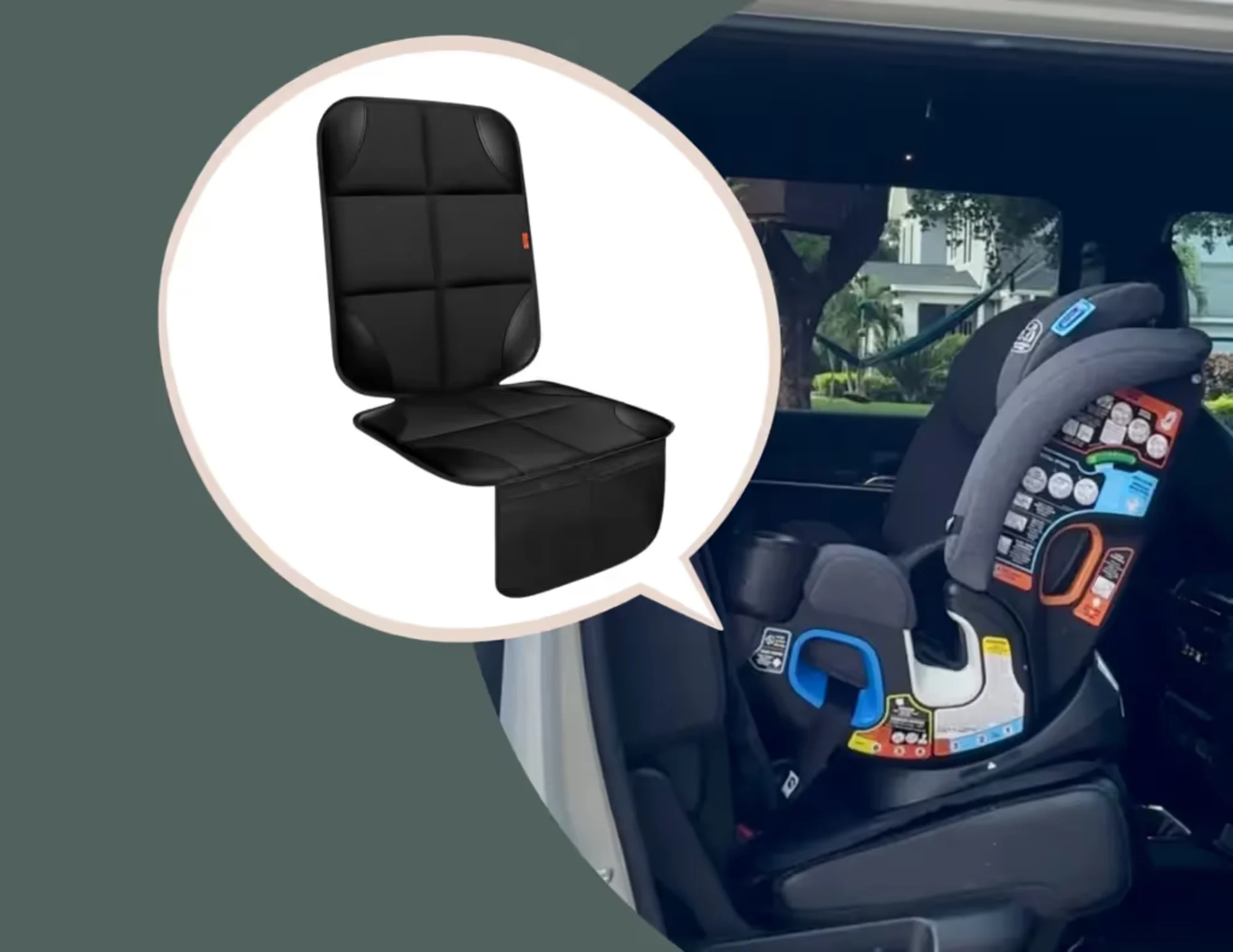
Credit: www.safeintheseat.com
Expert Opinions And Studies
Experts have studied seat protectors to find out if they are safe for car seats. Their opinions help us understand the risks and benefits. Research shows how these products affect seat belts, airbags, and child car seats. Knowing what professionals say can guide safe use of seat protectors.
Automotive Safety Research
Research on seat protectors focuses on crash safety and seat function. Tests show some protectors may block seat belt sensors. This can stop airbags from working properly. Some protectors affect child seat anchors, making them less secure. Experts warn that thick or loose protectors can cause problems during accidents. Using thin, well-fitting protectors is safer for seats and passengers.
Manufacturer Recommendations
Car makers usually advise against using seat protectors that cover safety devices. Many manuals say to avoid thick pads under child seats. Some brands make their own protectors designed to fit without harm. Following these instructions helps keep safety systems working well. Always check your vehicle’s guide before adding any seat protector.
Frequently Asked Questions
Are Seat Protectors Safe For All Car Seats?
Yes, most seat protectors are designed to be safe for various car seat materials. Always check compatibility with your seat type before purchase to avoid damage.
Can Seat Protectors Prevent Car Seat Damage?
Seat protectors effectively shield car seats from spills, stains, and wear. They help maintain your car’s interior condition and resale value.
Do Seat Protectors Affect Car Seat Airbags?
Quality seat protectors are designed not to interfere with side airbags. Ensure you choose models labeled as airbag compatible for safety.
How Do Seat Protectors Impact Child Car Seat Safety?
Properly installed seat protectors do not compromise child car seat stability. Follow manufacturer instructions to ensure secure installation and safety compliance.
Conclusion
Seat protectors can keep car seats clean and safe. Choose the right material and size for your car. Check if the protector fits well and stays in place. Avoid products that block airbags or cause discomfort. Clean the protector regularly to keep it fresh.
Protectors help prevent stains, scratches, and wear. They are a simple way to extend your car seat’s life. Use them wisely for better car care.
