
Have you ever wished your car could feel a little warmer on those chilly mornings? Heated seats might seem like a luxury reserved for high-end vehicles, but what if you could add them to your own car?
Imagine sliding into a cozy seat that warms up quickly, making every drive more comfortable. If you’re wondering whether you can install heated seats yourself or what it takes to upgrade your ride, you’re in the right place. Keep reading to find out how adding heated seats can transform your driving experience and what steps you need to take to make it happen.

Credit: www.youtube.com
Benefits Of Heated Seats
Heated seats bring many benefits to your car. They make driving in cold weather much better. You feel warm and cozy fast. Many people enjoy this extra comfort every winter.
Besides comfort, heated seats can add value to your car. They also help with some health problems. These seats are a good upgrade for many reasons.
Comfort In Cold Weather
Heated seats warm you quickly on chilly days. They stop the cold from making your drive uncomfortable. This warmth helps you relax and enjoy the ride. You avoid shivering and stiff muscles during winter.
Increased Resale Value
Cars with heated seats often sell for more money. Buyers see them as a nice feature. Adding heated seats can make your car more attractive. This upgrade can pay off when you sell your car.
Health Advantages
Heated seats can ease muscle pain and stiffness. Warmth improves blood flow and reduces tension. They help people with back pain or arthritis. Driving becomes less painful and more comfortable.
Types Of Heated Seat Kits
Heated seat kits come in different types. Each type fits certain needs and car models. Choosing the right kit affects comfort and ease of installation. Understanding these options helps in making a smart choice.
Universal Seat Heater Pads
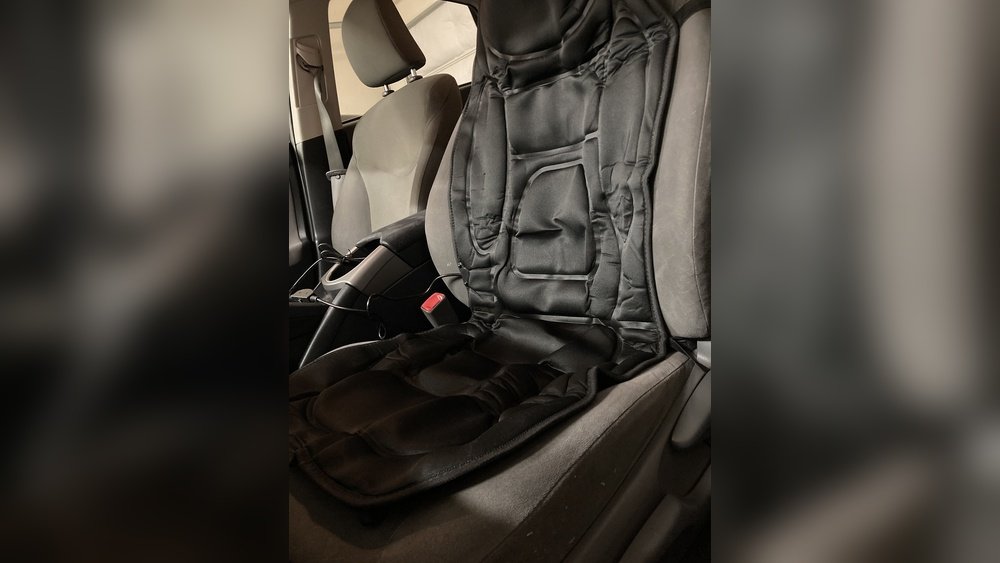
Universal seat heater pads fit most cars. They come as flat pads you place under the seat cover. These kits include wiring and a control switch. They are usually cheaper and easier to install. Perfect for those who want a quick heating upgrade.
Oem Replacement Kits
OEM replacement kits come from the car manufacturer. These kits match the original seat design and materials. They fit perfectly and maintain the car’s look. Installation may need professional help. Ideal for those who want a factory-like finish.
Custom Installation Options
Custom installation allows heating to fit unique car seats. Experts create or modify heating elements for your seat. This option suits rare or luxury cars. It can be expensive and take more time. Best for those who want a tailored heating solution.
Tools And Materials Needed
Adding heated seats to a car requires specific tools and materials. These items help you complete the installation safely and correctly. Preparing all tools before starting saves time and avoids mistakes.
Basic Hand Tools
You will need screwdrivers to remove seat covers and panels. A wrench or socket set helps to detach bolts holding the seats. Pliers assist in gripping and twisting wires or connectors. A utility knife is useful for cutting seat fabric or insulation carefully.
Electrical Components
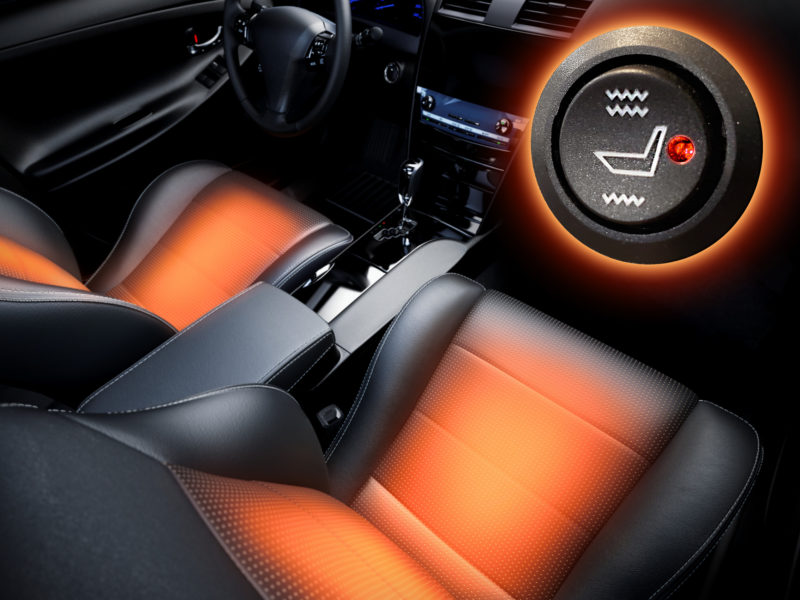
Heated seat kits include heating pads designed for car seats. A wiring harness connects the pads to the car’s power source. Switches let you control the heat level. Fuses protect the electrical circuit from damage. Electrical tape and wire connectors secure all wiring joints.
Safety Gear
Wear safety gloves to protect your hands from sharp edges and hot parts. Safety glasses shield your eyes from sparks or debris. Disconnect the car battery before starting to avoid electric shock. Work in a well-lit area for better visibility and safety.

Credit: www.youtube.com
Step-by-step Installation Process
Adding heated seats to a car requires careful steps to ensure safety and functionality. The process involves removing the seat cover, installing heating elements, making proper wiring connections, and testing the system. Follow these steps closely for the best results.
Removing The Seat Cover
Start by sliding the seat forward to access the back. Use a screwdriver to remove screws holding the seat in place. Carefully detach the seat from the car floor. Locate the clips under the seat to loosen the cover. Gently pull the seat cover away without tearing it. Set the cover aside on a clean surface.
Installing Heating Elements
Place the heating pads evenly on the seat cushion and backrest. Make sure the pads fit well under the cover. Use adhesive or tape to keep the pads in place. Avoid folding or bunching the heating elements. Check that wires are accessible for connection later. Ensure the pads do not interfere with seat adjustment.
Wiring And Power Connections
Identify the car’s 12V power source and ground wire. Connect the heating pads’ power wires to the car’s power supply. Use wire connectors or solder the joints for a strong link. Attach the ground wire securely to metal parts of the car frame. Install a switch in a convenient location for easy control. Protect all wires with electrical tape or sleeves.
Testing The System
Turn on the car ignition and switch on the heated seats. Feel the seat surface to check if it warms up evenly. Listen for any unusual sounds like buzzing or clicking. Inspect wires for loose connections or sparks. Switch off the system and recheck all connections if needed. Reinstall the seat cover once everything works perfectly.
Common Challenges And Solutions
Adding heated seats to a car brings comfort in cold weather. The process can have some challenges. Knowing these problems helps you prepare better. Here are the common issues and how to solve them.
Wiring Difficulties
Heated seats need proper wiring to work safely. Cars have complex electrical systems. Finding the right wires can be tricky. A wrong connection may cause short circuits or fuse damage. Use a wiring diagram specific to your car model. Test all connections with a multimeter before finalizing. Secure wires to avoid loose or dangling cables. This stops future electrical problems and hazards.
Compatibility Issues
Not all heated seat kits fit every car seat. Different cars have different seat sizes and shapes. Some seats have airbags that must stay functional. Check if the heating kit matches your seat type. Avoid kits that interfere with airbags or seat controls. Some kits need special adapters or tools. Choose a kit designed for your car model to avoid trouble.
Maintaining Seat Integrity
Installing heated pads can change seat comfort or look. Removing seat covers or foam may cause damage. Work carefully to keep the seat’s original shape. Use adhesive pads made for car seats. Avoid cutting wires or foam unnecessarily. Reassemble the seat tightly to keep safety features intact. Proper installation preserves both comfort and safety.
Credit: www.autoplexco.com
Cost And Time Estimates
Adding heated seats to a car can improve comfort during cold months. Understanding the cost and time involved helps plan the project well. This section breaks down key factors to consider.
Budgeting For Materials
Heated seat kits vary in price from $50 to $200. Kits include heating pads, wiring, and a control switch. Quality and brand affect the cost. Some kits fit specific car models better than others. Extra materials like tools or connectors may add to expenses. Always check what the kit includes before buying.
Labor Time Expectations
Installing heated seats takes about 2 to 4 hours. Time depends on car model and seat design. Removing seats and panels requires care. Wiring the system to the car’s power source is detailed work. Testing the system after installation ensures safety and function. Expect longer time if troubleshooting is needed.
Diy Vs Professional Installation
DIY installation saves money but needs skill and patience. Clear instructions and basic tools are essential. Mistakes can cause damage or safety issues. Professional installation costs $100 to $300 extra. Experts finish the job faster and ensure quality. Choose based on your comfort with car electronics and budget.
Safety Tips For Installation
Installing heated seats in a car can improve comfort during cold months. Safety is very important during installation. Follow safety tips to prevent accidents and damage. Proper steps make the process smooth and secure.
Avoiding Electrical Hazards
Disconnect the car battery before starting any work. This prevents electric shocks or short circuits. Use tools with insulated handles. Avoid working in wet areas. Check wires for damage before use. Replace any frayed or broken wires.
Proper Insulation Methods
Insulate all exposed wires carefully. Use heat shrink tubing or electrical tape. Proper insulation stops wires from touching metal parts. This reduces the risk of sparks or fires. Ensure no bare wires are left uncovered. Keep insulation neat and tight.
Ensuring Reliable Connections
Secure all wire connections firmly. Loose connections can cause overheating. Use connectors designed for automotive use. Crimp or solder wires for better contact. Test each connection with a multimeter. Confirm power flows smoothly before final assembly.
Maintaining And Troubleshooting Heated Seats
Heated seats add comfort during cold days. Keeping them in good shape ensures they work well. Simple care and quick fixes can save time and money. Understanding common problems helps you act fast. This section explains how to maintain and troubleshoot heated seats.
Routine Maintenance Tips
Check seat covers for damage or dirt. Clean with a soft cloth and mild soap. Avoid harsh chemicals that can harm wiring. Test the heating function regularly to catch issues early. Keep seat controls free from dust and moisture. Avoid heavy pressure or sharp objects on seats. Regular care extends the life of heated seats.
Identifying Common Issues
Heated seats may stop warming or heat unevenly. A fuse might blow, causing no power to seats. Wiring can get loose or break over time. Controls may fail, preventing temperature changes. Burning smells or sparks mean immediate attention. Notice any flickering lights on control panels. Early detection prevents bigger problems later.
Repairing Faulty Components
Replace blown fuses with the correct type and size. Tighten or reconnect loose wiring carefully. Swap out damaged heating elements for safety. Repair or replace faulty control switches. Use a multimeter to test electrical parts. When unsure, consult a professional technician. Proper repairs restore comfort and safety quickly.
Frequently Asked Questions
Can You Add Heated Seats To Any Car Model?
Yes, heated seat kits are available for most car models. Installation depends on your car’s electrical system and seat design. Professional installation ensures safety and functionality. Always check compatibility before purchasing a kit.
How Much Does It Cost To Install Heated Seats?
Installation costs vary between $200 and $500. Prices depend on the car model, seat type, and labor charges. DIY kits are cheaper but require technical skills. Professional installation offers better reliability and warranty.
Are Heated Seat Kits Easy To Install?
Heated seat kits are moderately easy to install for experienced DIYers. Installation involves wiring, removing seats, and securing heating elements. Beginners may need professional help to avoid damage or electrical issues.
Will Adding Heated Seats Affect My Car’s Warranty?
Adding aftermarket heated seats can void parts of your car’s warranty. It depends on the manufacturer and dealership policies. Always check your warranty terms before modifying your seats to avoid issues.
Conclusion
Adding heated seats to your car is possible and practical. Many kits fit most vehicles and are easy to install. They provide warmth during cold weather, making drives more comfortable. Costs and installation vary, so research carefully before buying. Safety is important; choose quality products and follow instructions.
Heated seats can improve your driving experience in winter months. Consider your budget and car type to find the best option. Warm seats can make chilly mornings much better. It’s a simple upgrade that adds comfort and value.
