
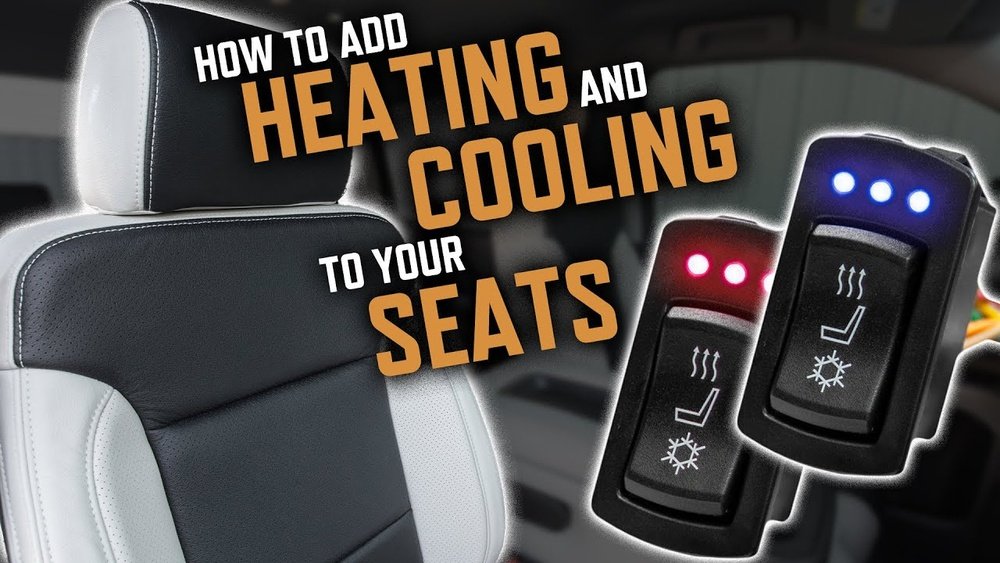
Have you ever wished your car seats could keep you cool on a hot day? Ventilated seats offer that refreshing comfort by circulating air through your seat cushions.
But what if your car didn’t come with this feature from the factory? Can you add ventilated seats to your car yourself? You’ll discover whether upgrading your ride with ventilated seats is possible, how it works, and what you need to consider before making the switch.
Keep reading to find out how you can transform your driving experience and stay comfortable no matter the weather.
Benefits Of Ventilated Seats
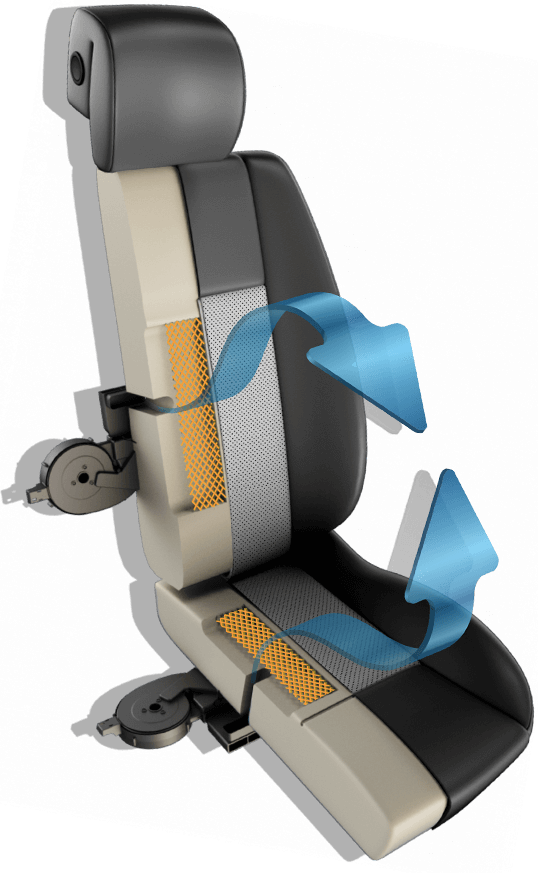
Ventilated seats improve your driving experience by keeping you cool and comfortable. These seats use small fans to move air through the seat surface. This simple feature can make long drives much more pleasant, especially in hot weather.
They help reduce sweating and stickiness, making the ride fresher. Ventilated seats also offer health benefits by improving air flow and reducing moisture buildup. Here are some key benefits of adding ventilated seats to your car.
Enhanced Comfort
Ventilated seats keep your body temperature balanced. They prevent overheating during summer drives. The airflow reduces sweat and sticky feelings. This creates a cooler, more relaxing environment inside your car. Comfort improves for both driver and passengers.
Improved Air Circulation
Air moves through small holes in the seat. This helps to reduce heat trapped between you and the seat. Better air circulation keeps the seat dry and fresh. It also helps prevent bad odors caused by sweat. Your car cabin feels cleaner and more inviting.
Health And Hygiene Advantages
Ventilated seats lower moisture buildup on your skin. This reduces the risk of skin irritation and rashes. The airflow also limits bacteria growth on the seat surface. This makes your car interior healthier. Clean seats support better hygiene during long trips.

Credit: www.youtube.com
Types Of Ventilated Seat Systems
Ventilated seat systems bring cool air directly to your car seats. This feature helps reduce sweat and heat during hot days. There are several types of ventilated seat systems available. Each type offers different ways to keep you comfortable. Understanding these options helps you choose the best fit for your car.
Built-in Factory Options
Some cars come with ventilated seats from the factory. These systems are designed by the car maker. They fit perfectly with the seat’s design and electronics. Factory options usually offer the best performance and durability. Controls are easy to use and blend with the car’s interior.
Aftermarket Kits
Aftermarket kits let you add ventilation to existing seats. These kits include fans and wiring to install under the seat cover. Installation can be done by a professional or a skilled DIYer. Kits vary in price and quality. They offer a flexible way to upgrade older cars without factory options.
Custom Upholstery Solutions
Custom upholstery solutions involve reworking the seat cover. Experts add ventilated materials and built-in fans. This option allows for more design freedom. It suits cars with unique or worn seats. Custom work may cost more but provides a tailored cooling experience.
Compatibility With Different Vehicles
Adding ventilated seats to a car depends greatly on the vehicle’s type and build. Not every car can support this upgrade without changes. Some cars are better suited for ventilated seats than others. Compatibility issues may arise based on model, seat material, and electrical system.
Understanding these factors helps you choose the right car for adding ventilated seats. It also guides you during installation to avoid problems.
Luxury Vs. Standard Models
Luxury cars often come with ventilated seats or are ready for them. Their seats usually have built-in space for ventilation systems. Standard models may lack this space or wiring. Installing ventilated seats in standard cars may need seat replacements or modifications. Luxury models offer easier and cleaner installations.
Seat Material Considerations
Ventilated seats work best with leather or perforated materials. These materials allow air to flow freely. Cloth or vinyl seats might block air circulation. Changing seat material may be necessary to add ventilation. Proper seat material ensures comfort and effectiveness of the system.
Electrical System Requirements
Ventilated seats need power to run fans and controls. The car’s electrical system must handle this extra load. Older or basic cars may need wiring upgrades or new fuses. Checking battery and alternator capacity is important. Proper electrical setup prevents system failures and safety issues.
Installation Process
Adding ventilated seats to your car can improve comfort, especially during hot days. The installation process requires careful steps to ensure the system works correctly. It involves some tools, patience, and basic knowledge of car interiors. Follow these steps to install ventilated seats safely and effectively.
Tools And Materials Needed
You will need a few tools before starting the installation. A screwdriver set helps remove seat covers and panels. Wire cutters and strippers prepare electrical connections. A multimeter checks voltage and connections. Also, have the ventilated seat kit, which includes fans, wiring, and a control switch. Some kits may require additional connectors or adapters. Keep all parts organized for easy access during installation.
Step-by-step Installation
Begin by disconnecting the car battery to avoid electrical shocks. Remove the seat from the car carefully. Detach the seat cover to place the ventilation fans under it. Secure the fans evenly for good airflow. Route the wiring through the seat frame and under the car carpet. Connect the wires to the power source, usually under the dashboard. Install the control switch on the dashboard or center console. Test the fans to ensure they run smoothly. Finally, reattach the seat cover and bolt the seat back in place.
Common Challenges And Solutions
Wiring can confuse beginners; check wire colors carefully. If the fans do not work, use a multimeter to find power issues. The seat cover may be hard to remove; use gentle force to avoid damage. Some cars have limited space for wiring; plan routes before starting. Loose connections cause fans to stop; double-check all plugs and screws. Patience is key for a clean, functional installation.
Cost Factors To Consider
Adding ventilated seats to your car can improve comfort a lot. Before starting, think about the costs. Different factors affect the total price. Knowing these helps you plan better and avoid surprises.
Parts And Materials Pricing
The main cost is the parts. Ventilated seat kits include fans, wiring, and controls. Prices vary by brand and car model. Some seats need special covers or cushions. These extras can raise the price. Always check if your car needs unique parts.
Labor Costs
Installing ventilated seats takes skill and time. A professional will charge for their work. Labor costs depend on the shop’s rates and job difficulty. Some cars are harder to work on. This means more hours and higher bills. Ask for an estimate before starting.
Long-term Maintenance Expenses
Ventilated seats need care over time. Fans and motors can wear out. Fixing or replacing parts costs money. Electrical problems might appear too. Regular checks help keep seats working well. Plan for these costs in your budget.
Alternative Cooling Options
Adding ventilated seats to a car can be costly and complicated. Many drivers seek simpler ways to stay cool inside their vehicles. Alternative cooling options offer practical solutions. These choices help improve comfort without major changes to the car.
Seat Cushions With Fans
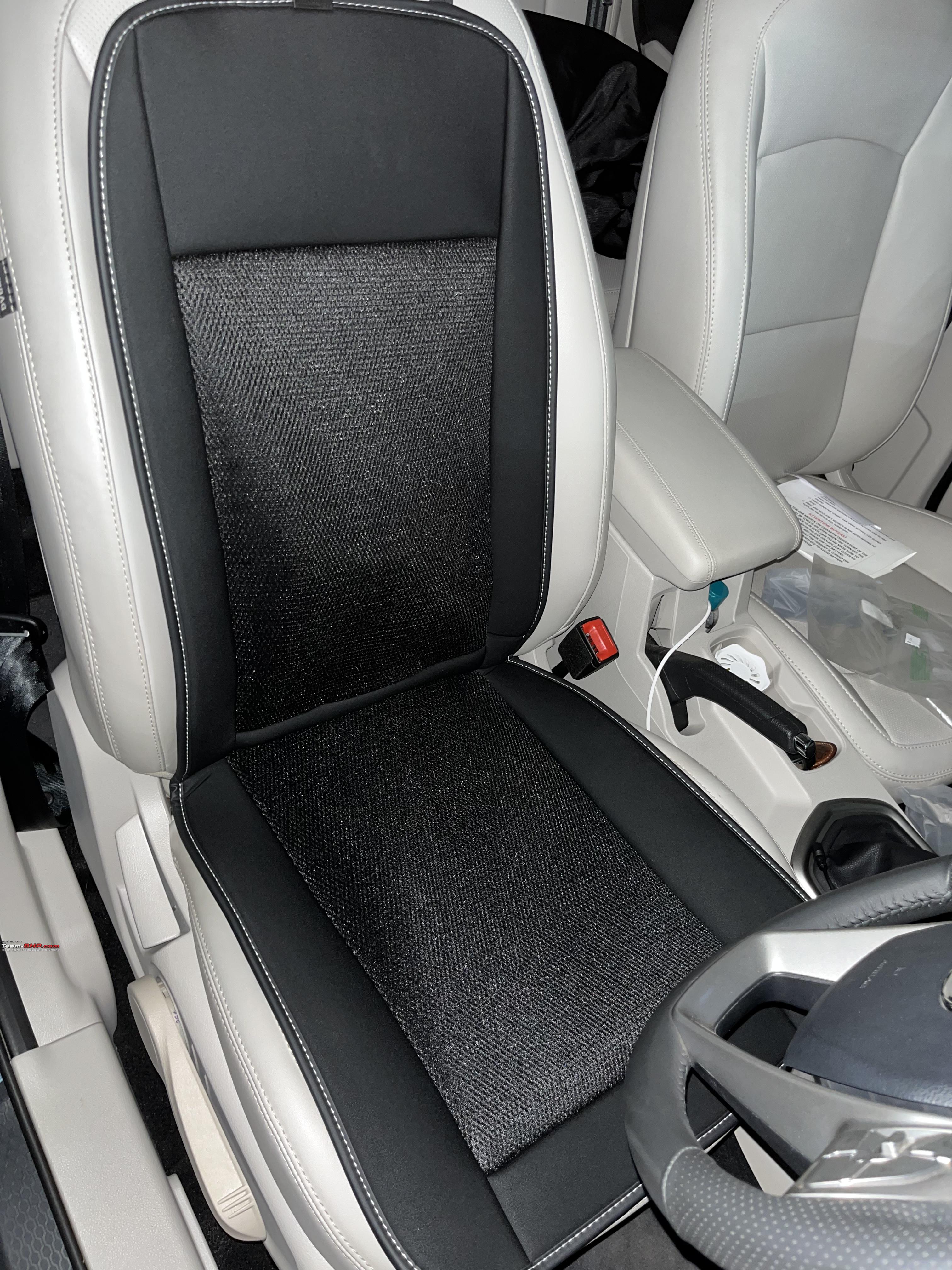
Seat cushions with built-in fans provide direct airflow. They help reduce sweat and heat while driving. These cushions fit easily on most car seats. Fans run quietly and use little power from the car. Many models have adjustable fan speeds for personal comfort.
Portable Cooling Devices
Portable cooling devices come in many forms. Small fans or misting units can fit on the dashboard or cup holder. They create a cool breeze or spray light mist to lower temperature. These devices are easy to move between cars or even home. They require minimal setup and use USB or battery power.
Climate Control Enhancements
Upgrading climate control can improve cabin cooling. Adding window sunshades blocks heat from the sun. Tinted windows reduce glare and keep the car cooler. Using reflective windshield covers lowers inside temperature when parked. These simple upgrades help the car’s air conditioner work better.
Tips For Choosing The Right Upgrade
Choosing the right ventilated seat upgrade can improve your driving comfort. Many options exist, but not all fit your needs or car type. Careful selection saves time and money. Here are some tips to guide your choice.
Assessing Your Needs
Think about why you want ventilated seats. Is it for hot weather or long drives? Check your car’s interior and seat style. Some seats suit ventilation better than others. Decide how much you want to spend. Your needs help narrow down choices.
Researching Product Reviews
Read reviews from real users who installed ventilated seats. Look for feedback on comfort, durability, and installation. Pay attention to repeated issues or praise. Reviews show what to expect from each product. Choose products with mostly positive ratings.
Consulting Professionals
Talk to car seat or auto accessory experts. They know which ventilated seats fit your vehicle. Ask about installation difficulty and costs. Professionals can suggest trusted brands. Their advice helps avoid mistakes and ensures a smooth upgrade.
Credit: katzkin.com
Credit: www.team-bhp.com
Frequently Asked Questions
Can Ventilated Seats Be Added To Any Car Model?
Yes, ventilated seats can be added to most cars. However, compatibility depends on the car’s interior design and electrical system. Professional installation is recommended to ensure proper fit and function.
How Much Does It Cost To Install Ventilated Seats?
Installation costs vary from $500 to $2,000. Prices depend on the car model, seat type, and labor fees. Custom installations may cost more due to added complexity.
Are Ventilated Seats Worth The Investment?
Ventilated seats improve comfort, especially in hot climates. They help reduce sweating and keep you cool during drives. Many users find them a valuable upgrade for long-term comfort.
Can I Install Ventilated Seats Myself?
DIY installation is possible but challenging. It requires electrical knowledge and proper tools. Professional installation is safer and ensures the system works correctly.
Conclusion
Adding ventilated seats to a car is possible but needs careful thought. It can improve comfort, especially in hot weather. Installation may require professional help and can be costly. Check if your car’s design supports these seats easily. Weigh the benefits against the price and effort.
Ventilated seats can make driving more pleasant. Choose wisely based on your needs and budget.
