
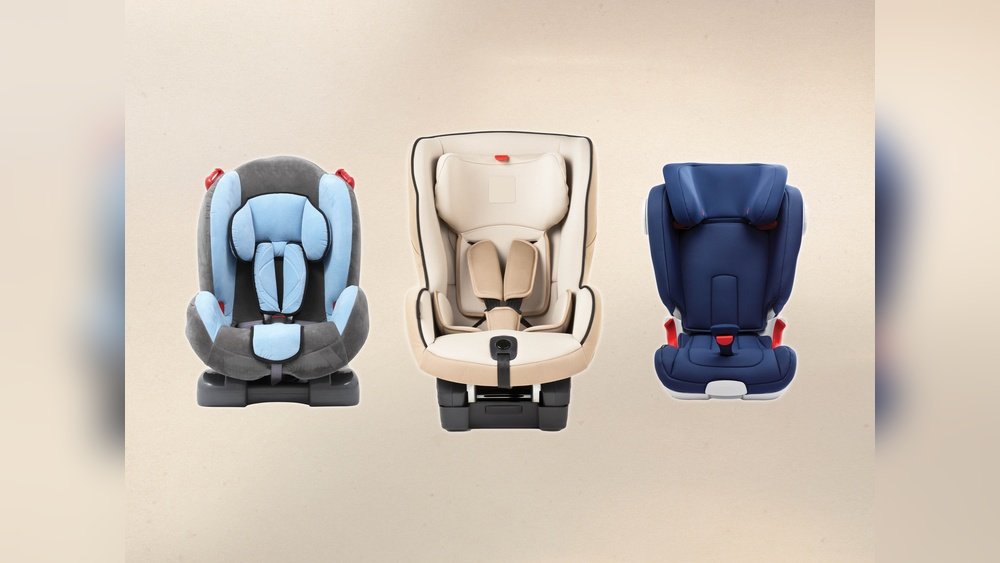
Do you have a car seat you no longer need? You might be wondering, can you donate car seats?
It’s a great way to give your old seat a new life and help families in need. But before you hand it over, there are important things you should know. This guide will walk you through what makes a car seat safe to donate and how you can make sure your gift truly helps.
Keep reading to find out how your car seat can make a difference—and what steps to take to do it right.

Credit: www.youtube.com
Car Seat Donation Rules
Donating car seats helps many families in need. But certain rules must be followed to keep children safe. These rules focus on the seat’s condition, safety, and laws. Understanding these rules makes donation safe and useful.
Expiration Dates
Car seats have expiration dates. Plastic parts wear out over time. Expired seats may not protect children well. Check the label for the expiration date. Never donate a seat past this date. It keeps the child safe and secure.
Recall Checks
Car seats can be recalled for safety issues. Always check if the seat is on a recall list. You can find this information online. Donated seats must be free from recalls. This prevents risks from faulty parts or designs.
State Regulations
Each state has its own rules for car seat donation. Some states allow only new seats. Others accept used ones in good condition. Know your state’s laws before donating. This helps avoid legal problems and ensures safety.
Credit: carinterior.alibaba.com
Safety Considerations
Safety is the top concern when donating car seats. Not all seats are safe to use again. Careful checks can prevent accidents and injuries. Understanding safety factors helps you decide if a car seat can be donated.
Crash History
Car seats involved in a crash must not be donated. Even a small crash can weaken the seat. Damage may not be visible but can affect safety. Never donate a seat that has been in any accident.
Visible Damage
Check the car seat for cracks, breaks, or worn parts. Look for torn straps or missing padding. Any visible damage can reduce protection. A damaged seat should be discarded, not donated.
Missing Parts
All parts must be present for the car seat to work properly. Check the manual for a list of parts. Missing buckles, straps, or covers can make the seat unsafe. Do not donate a seat with missing pieces.
Preparing Car Seats For Donation
Preparing a car seat for donation helps ensure it is safe and useful for the next family. Clean and well-maintained seats make a good impression. They also show respect for the new users.
Follow simple steps to get the car seat ready. Small actions can make a big difference.
Cleaning Guidelines
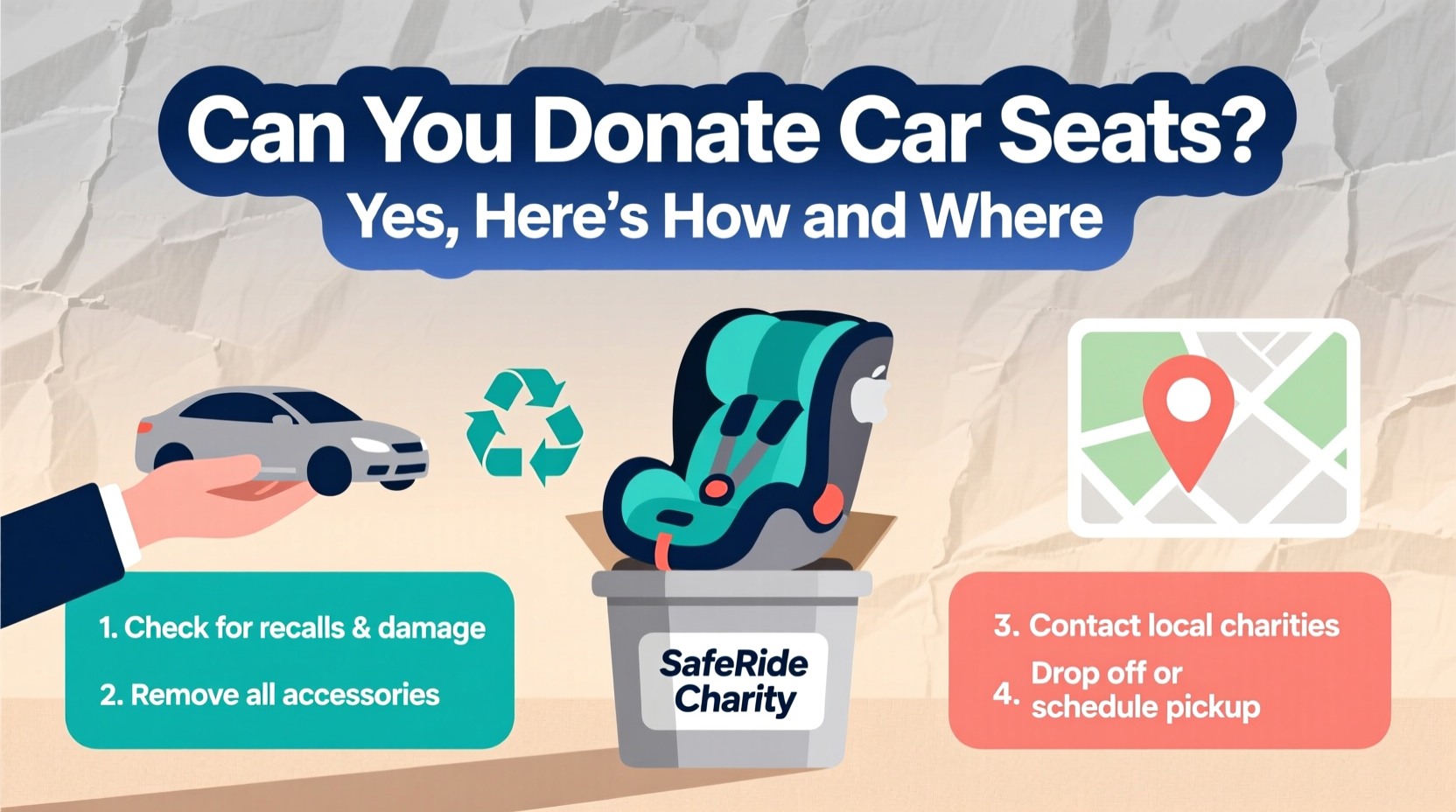
Remove all dirt and stains from the car seat. Use mild soap and warm water. Avoid harsh chemicals that can damage materials. Let the seat dry completely before donation. Clean seats look inviting and safe.
Removing Accessories
Take off any toys, covers, or extra padding. Leave the main parts intact. Accessories can confuse or cause issues for new users. Keep the seat simple and ready for use.
Including Instructions
Find the manual or instructions for the car seat. Include them with the donation. Instructions help new owners install the seat correctly. Clear guidance supports safety and proper use.

Credit: www.youtube.com
Where To Donate Car Seats
Donating car seats helps families and communities stay safe. Many places accept gently used or new car seats. Knowing where to donate ensures your seat gets to those in need. Some places also recycle old or damaged seats responsibly.
Charity Organizations
Many charity groups accept car seat donations. They give seats to families who cannot afford them. Some charities check the seats for safety before giving them away. Contact local churches or national charity groups. They often run programs to help children stay safe in cars.
Community Programs
Local community centers often organize car seat donation drives. These programs provide seats to parents in the neighborhood. Some programs also offer car seat safety checks. This helps ensure the seats are installed correctly. Check with your town or city community office for details.
Recycling Centers
Recycling centers accept car seats that cannot be reused. They break down the materials safely. This prevents harmful waste from entering the environment. Some centers offer special recycling days for car seats. Always call ahead to confirm if they accept car seats.
Alternatives To Donating
Donating car seats is not the only way to get rid of them. Some seats may not meet donation standards. Others may no longer be safe to use. Several other options can help you handle old or unused car seats responsibly.
Selling Options
Selling a car seat can be a good choice. Many people look for affordable, gently used seats. Make sure the seat meets safety standards. Include clear photos and detailed descriptions. List the seat on local online marketplaces or social media. This helps find buyers nearby and reduces shipping hassles.
Recycling Tips
Car seats contain plastic, metal, and fabric parts. These materials can often be recycled. Check with local recycling centers about their rules. Some centers accept car seats if separated properly. Remove metal parts and foam padding. This makes recycling easier and more effective.
Proper Disposal
When a car seat is unsafe or too old, disposal is necessary. Cut the straps and break the plastic shell. This prevents others from using it by mistake. Place the pieces in the trash according to local waste rules. Avoid leaving car seats in public places or near donation bins.
Frequently Asked Questions
Can You Donate Used Car Seats Safely?
Yes, you can donate used car seats if they are in good condition. Ensure they are not expired, damaged, or recalled. Check the expiration date and manufacturer guidelines before donating to guarantee child safety.
Where Can I Donate My Old Car Seat?
You can donate old car seats to local charities, shelters, or community centers. Some organizations specialize in distributing car seats to families in need. Always verify their acceptance policies and safety standards before donating.
Are There Restrictions On Donating Car Seats?
Yes, many organizations only accept car seats that meet safety standards. Donated seats must be less than six years old, free from damage, and never involved in an accident. Check with the recipient organization for specific donation rules.
Why Donate Car Seats Instead Of Recycling?
Donating car seats helps families afford safe travel for children. Recycling often destroys the seat, losing its potential use. Donation promotes reuse and supports community safety initiatives effectively.
Conclusion
Donating car seats helps families in need stay safe. Only donate seats that meet safety rules. Check the seat’s condition and expiration date first. Clean the seat well before giving it away. Many local groups gladly accept good car seats.
Your donation can protect a child in an accident. Giving your seat a new life is kind. It also helps reduce waste and clutter. Small actions like this make a big difference. Consider donating to support your community today.
