
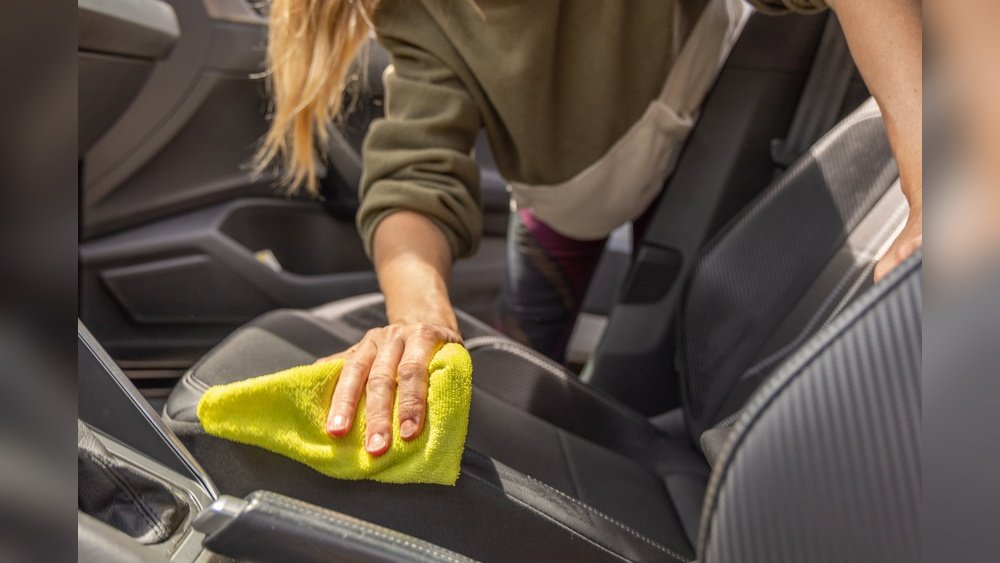
Have you ever wondered if you can dry your car seat covers without damaging them? Whether they’re soaked from a spill or just need a good clean, knowing the right way to dry your seat covers can save you time and money.
Drying them incorrectly might cause shrinking, fading, or even mold. But don’t worry—this guide will show you exactly how to dry your car seat covers safely and effectively. Keep reading to protect your investment and keep your car looking fresh.

Credit: gpstrackershop.com
Types Of Car Seat Covers
Car seat covers come in many types. Each type offers different comfort and protection levels. Choosing the right cover depends on your needs and car style. Some covers are easy to clean, while others need special care. Knowing the types helps you take better care of your seats.
Fabric Covers
Fabric covers are soft and breathable. They keep seats cool in summer and warm in winter. Most fabric covers are machine washable. They dry quickly on low heat or air dry. Fabric covers are affordable and come in many colors.
Leather Covers
Leather covers look stylish and feel smooth. They protect seats from spills and dirt. Cleaning leather covers requires special cleaners. Avoid high heat when drying leather covers. Use a soft cloth to wipe them after cleaning.
Neoprene Covers
Neoprene covers are water-resistant and durable. They are good for wet or outdoor use. Neoprene covers dry fast but should not go in a dryer. Let them air dry to keep their shape and strength.
Sheepskin Covers
Sheepskin covers are soft and warm. They add comfort on cold days and coolness on hot days. Cleaning sheepskin needs gentle care. Avoid machine drying. Let sheepskin covers dry naturally to keep their softness.
Credit: www.torquedetail.com
Common Causes Of Wet Seat Covers
Wet car seat covers can cause discomfort and damage. Understanding common causes helps prevent problems. Many factors lead to wet seat covers, from accidents to weather.
Spills And Stains
Food and drinks often spill on car seats. Soda, coffee, or juice can soak into covers quickly. Kids and pets increase the chances of spills. These liquids leave stains and dampness behind.
Rain And Snow
Rainwater can enter a car through open windows or doors. Snow melts on clothes and shoes, making seats wet. Moisture from weather creates damp spots on covers. This causes unpleasant smells and potential mold.
Cleaning And Washing
Seat covers need cleaning to stay fresh. Washing them without drying properly leaves them wet. Sometimes covers stay damp after a quick wash. Air drying or machine drying is necessary to avoid moisture buildup.
Can You Dry Car Seat Covers?
Can you dry car seat covers? Many car owners wonder about the best way to dry these essential items. Car seat covers protect seats from dirt and damage. Keeping them clean and dry helps maintain their look and lifespan. Drying methods affect how well they last and stay fresh.
Machine Drying Risks
Machine drying car seat covers can cause damage. High heat may shrink or warp the fabric. Elastic parts can lose their stretch and shape. Some covers have foam or padding that breaks down in dryers. The tumbling action might tear seams or weaken stitching. Machine drying can shorten the life of your covers.
Air Drying Benefits
Air drying is safer for car seat covers. It keeps fabrics from shrinking or deforming. The covers dry gently without heat stress. Air drying helps maintain the cover’s fit and comfort. It also prevents damage to elastic and foam parts. Let covers dry fully before use to avoid mold or odors.

Credit: delicate-leather.com
Step-by-step Drying Process
Drying car seat covers properly helps keep them fresh and in good shape. Follow these simple steps to dry your covers safely. Each step protects the fabric and prevents damage.
Remove Excess Water
Start by pressing the covers gently to remove extra water. Avoid wringing them, as this can stretch the fabric. Use a clean towel to blot moisture from the surface. This step speeds up drying time and protects the material.
Choose A Drying Location
Pick a dry, cool place for drying the covers. Avoid areas with high humidity. A well-ventilated room or shaded porch works well. Proper location helps the covers dry evenly and avoids bad smells.
Use Fans Or Ventilation
Turn on a fan or open windows to improve air flow. Good ventilation speeds up drying by moving moist air away. This method is gentle and keeps the fabric safe.
Avoid Direct Sunlight
Keep the covers out of direct sunlight. Sunlight can fade colors and weaken fibers. Shade protects the covers while drying. This keeps them looking good longer.
Quick Drying Tips
Drying car seat covers quickly saves time and prevents bad smells. Quick drying also stops mold and mildew from growing. Use simple tools and tricks to speed up the process. Here are easy tips to help dry your seat covers fast and safe.
Use Absorbent Towels
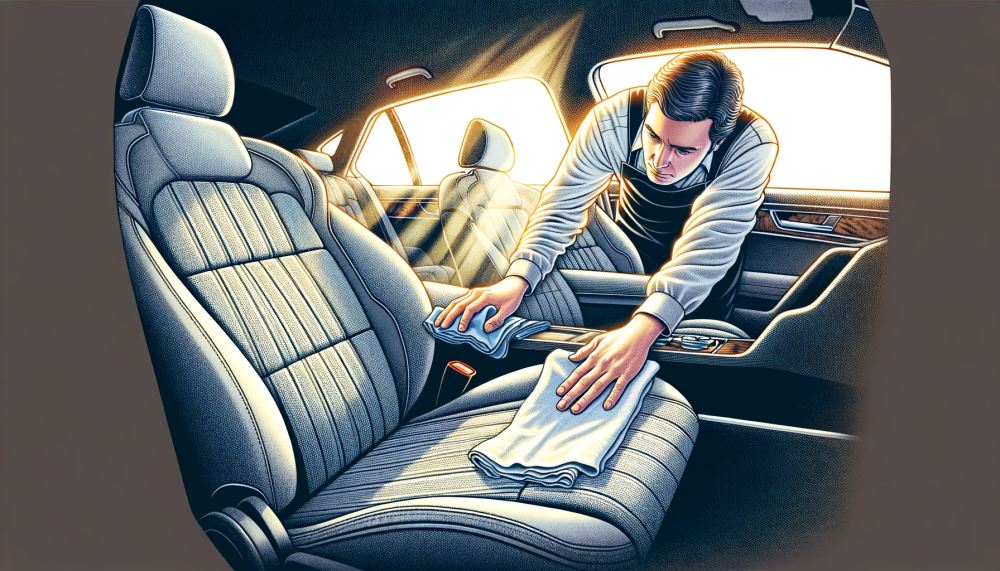
Start by blotting seat covers with absorbent towels. Press gently to soak up extra water. Avoid rubbing hard, as it can damage fabric. Use clean, dry towels for best results. Repeat this step until towels no longer absorb moisture.
Apply A Hairdryer Safely
Use a hairdryer on low or medium heat to dry small areas. Keep the dryer moving to avoid overheating one spot. Hold it at least six inches away from the fabric. Do not use high heat, which can damage or shrink covers.
Utilize Dehumidifiers
Place a dehumidifier near the seat covers indoors. It pulls moisture from the air and speeds up drying. This method works well in humid or cold weather. Run the dehumidifier for several hours or overnight for best results.
Preventing Mold And Odors
Keeping car seat covers dry is key to stopping mold and bad smells. Moisture left on covers lets mold grow fast. Mold ruins fabric and causes health problems.
Bad odors come from dampness and bacteria. Stopping moisture stops smells too. Drying covers right and cleaning often keeps them fresh and clean.
Proper Drying Techniques
After washing, dry seat covers fully before use. Hang covers in open air, away from direct sunlight. Sun can fade colors and weaken fabric. Use a fan or breeze to speed drying. Avoid using a hot dryer unless labels say it’s safe. Heat can shrink or damage covers.
Using Odor Eliminators
Use mild odor removers made for fabrics. Spray covers lightly after drying to keep smells away. Baking soda also helps absorb odors. Sprinkle it on covers and vacuum after a while. Avoid strong chemicals that may harm fabric or irritate skin.
Regular Maintenance
Clean seat covers often to prevent dirt buildup. Dirt holds moisture and feeds mold. Check covers for damp spots regularly. Wipe spills immediately to stop moisture from soaking in. Regular care keeps covers fresh and lasting longer.
When To Seek Professional Help
Drying car seat covers at home works for many cases. Some problems need expert attention. Knowing when to seek professional help saves time and protects your seats. Professionals have tools and skills for tough issues. They keep your car seat covers safe and clean.
Severe Water Damage
Heavy water spills can soak seat covers deeply. Wet cushions and padding may stay damp inside. Drying covers alone will not fix this. Mold and mildew grow fast in wet areas. Professionals use special machines to dry and clean fully. They prevent long-term damage and bad smells.
Persistent Odors
Strong smells from spills or smoke are hard to remove. Home cleaning might not reach deep layers. Professionals use treatments that remove odors completely. They clean without harming the fabric or color. This keeps your car fresh and comfortable.
Material-specific Care
Leather, suede, and delicate fabrics need special care. Wrong drying can cause cracks or shrinking. Professionals know how to handle each material safely. They use proper cleaners and drying methods. This protects your seat covers and keeps them looking new.
Frequently Asked Questions
Can You Put Car Seat Covers In The Dryer?
Most car seat covers can’t be dried in a dryer. Heat may damage fabric or cause shrinkage. Always check the care label before drying.
How Should You Dry Car Seat Covers Properly?
Air drying is safest for car seat covers. Lay them flat or hang in a shaded area. Avoid direct sunlight to prevent fading.
Will Heat Damage Car Seat Covers In A Dryer?
Yes, dryer heat can weaken fabric fibers and adhesives. It may cause shrinkage or warping, reducing cover lifespan. Use low heat only if specified.
Can Leather Car Seat Covers Be Machine Dried?
No, leather covers should never go in a dryer. Heat can crack and dry out the leather. Wipe with a damp cloth and air dry instead.
Conclusion
You can dry car seat covers, but do it with care. Use low heat or air dry to avoid damage. Avoid direct sunlight that can fade colors quickly. Check the material’s label for the best drying method. Proper drying keeps covers fresh and lasts longer.
Taking time to dry them right saves money and effort. Keep your car clean and comfortable with well-cared seat covers. Simple steps make a big difference in maintenance. Dry your covers safely to enjoy a neat car interior every day.
