
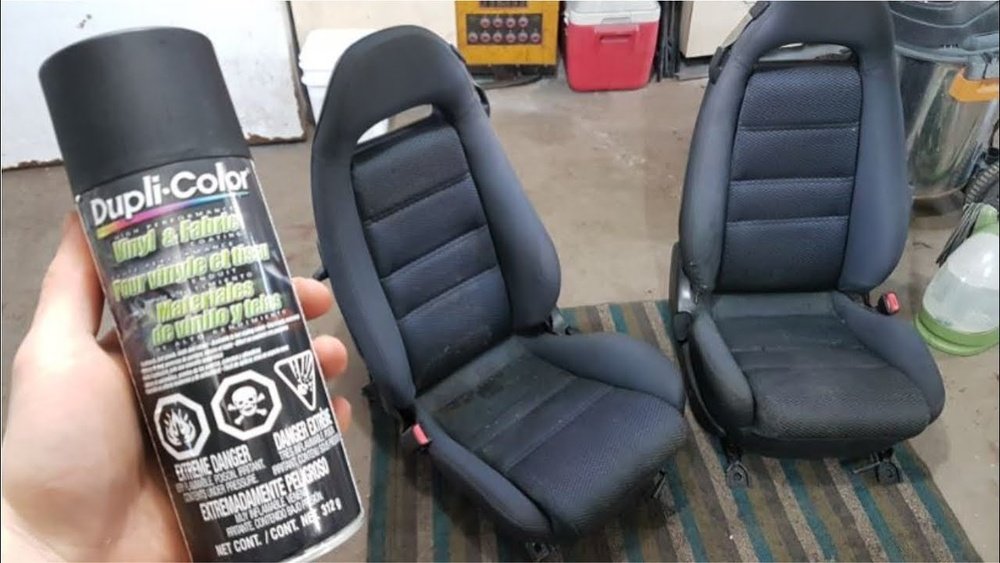
Are your car seats looking worn out or faded? You might be wondering, can you dye car seats black to give your vehicle a fresh, sleek look?
The answer is yes—but there’s more to it than just picking a color and applying dye. If you want your seats to look great and last longer, you need to know the right methods and materials. Keep reading to discover how you can transform your car’s interior and avoid common mistakes that could cost you time and money.
Your car deserves to look its best, and you’re just a few steps away from making that happen.
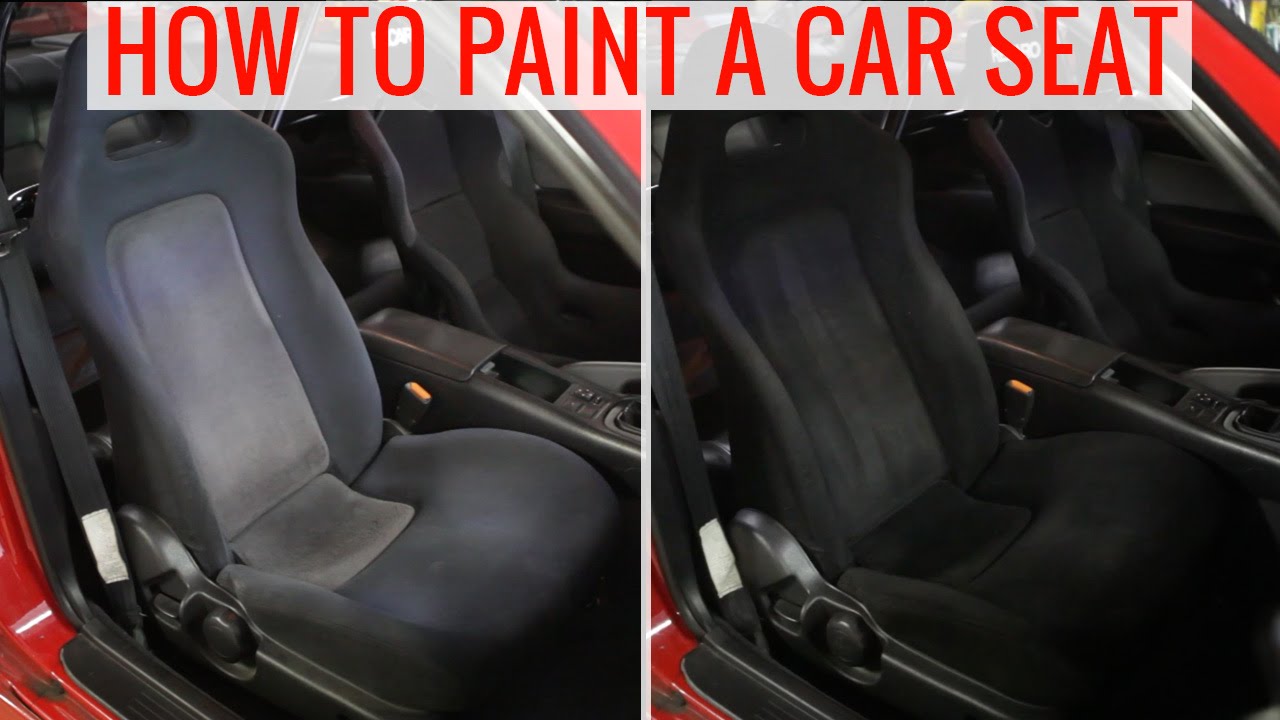
Credit: www.youtube.com
Benefits Of Dyeing Car Seats Black
Dyeing car seats black offers many benefits for your vehicle’s interior. It can give your car a fresh look and cover up old stains or damage. This process is a smart way to improve the inside of your car without spending a lot on new seats. Black seats also fit well with most car styles. Here are the main benefits of dyeing car seats black.
Enhancing Interior Aesthetics
Black seats create a sleek and modern look inside your car. They add a sense of luxury and style. The dark color works well with any dashboard or trim. Black makes the interior feel clean and neat, even in older cars.
Hiding Stains And Wear
Black dye covers stains, spills, and marks easily. It hides signs of wear, such as fading or scratches. This keeps your seats looking fresh longer. Dark color helps to mask dirt, making cleaning easier.
Increasing Resale Value
Cars with well-maintained black seats often sell faster. Buyers like interiors that look good and are clean. Dyeing seats black can make your car more attractive to buyers. It shows you care about your vehicle’s condition.
Types Of Car Seat Materials
Car seats come in different materials. Each type reacts differently to dye. Knowing the material helps choose the right dye method. Some materials hold color better than others. Understanding these differences is key before dyeing seats black.
Here are the common car seat materials and how they respond to dye.
Leather Seats
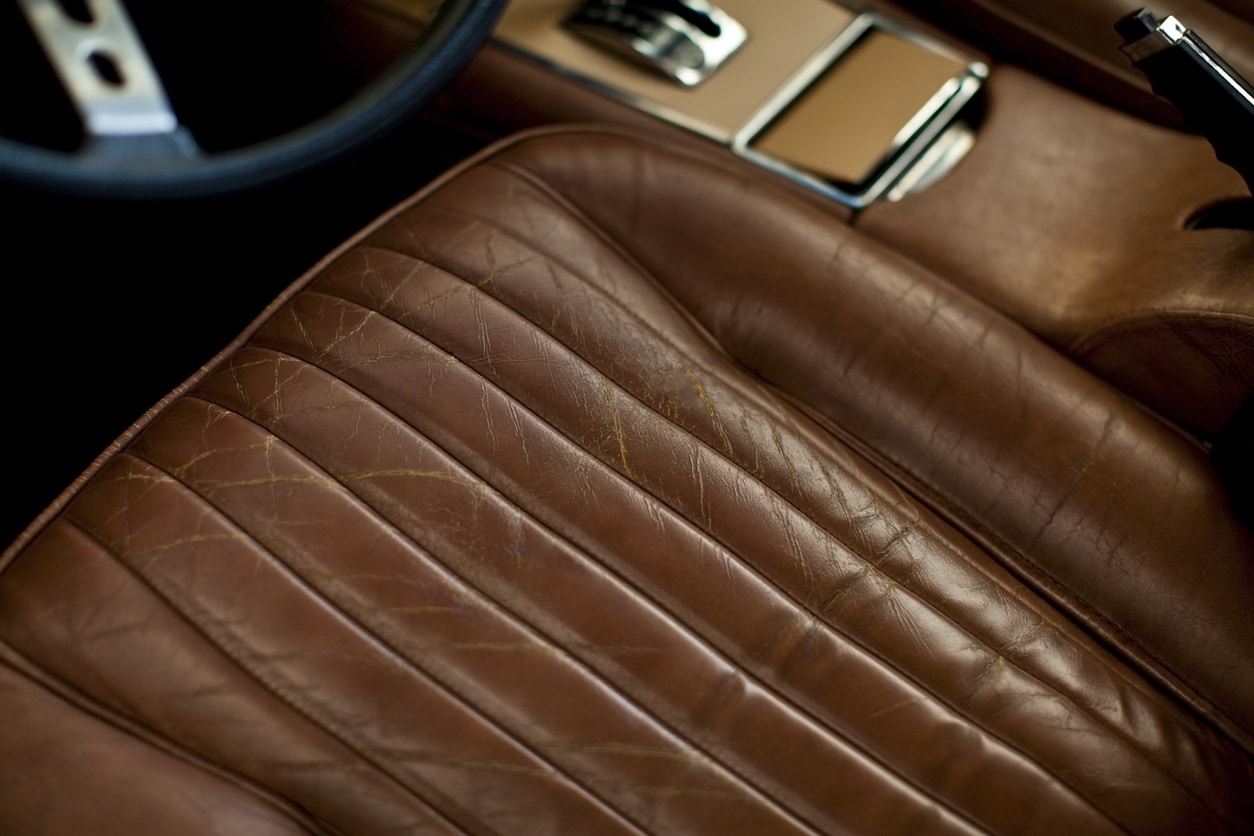
Leather seats are popular for their luxury and durability. They absorb dye well but need special leather dye products. Using the wrong dye can damage leather. Proper preparation and care are important. Leather dye restores color and hides wear.
Fabric Seats
Fabric seats have a soft and comfortable feel. They can be dyed but require fabric-specific dyes. Fabric dye may fade faster than leather dye. Cleaning the fabric before dyeing helps the color last. Multiple dye layers might be needed for deep black.
Vinyl Seats
Vinyl seats look like leather but are synthetic. Vinyl does not absorb dye easily. Special vinyl dye or paint is necessary. Vinyl dye bonds to the surface rather than soaking in. Proper cleaning and prepping improve dye adhesion on vinyl.
Choosing The Right Dye
Choosing the right dye is key to changing car seat colors successfully. Different materials need different types of dye. Using the wrong dye can damage the seats or cause uneven color.
Understanding the material of your car seats helps select the best dye. This choice affects how well the dye sticks and how long it lasts. Let’s explore options for leather, fabric, and vinyl car seats.
Leather Dye Options
Leather seats require special dyes made for animal hide. These dyes soak deep into the leather. They keep the leather soft and flexible after dyeing. Look for dyes labeled as leather dye or leather colorant. Avoid regular fabric dye because it won’t work well on leather.
Leather dyes come in liquid or cream forms. Liquid dyes give smooth, even coverage. Cream dyes help with touch-ups and small areas. Test the dye on a hidden spot first. This test shows how the leather will react to the color.
Fabric Dye Options
Fabric seats need dyes designed for cloth materials. Fabric dyes work best on natural fibers like cotton or polyester blends. These dyes penetrate the fibers for a lasting color change. Use a spray or brush-on fabric dye for easy application.
Choose a dye that resists fading from sunlight and washing. Some fabric dyes also protect against stains and spills. Always clean the seats before dyeing to remove dirt and oils. This step helps the dye stick better.
Vinyl Dye Options
Vinyl seats need dyes made specifically for synthetic surfaces. Vinyl dye does not just color the surface; it bonds with the vinyl. This bonding prevents cracking and peeling over time. Avoid paint or regular dye on vinyl seats.
Vinyl dye often comes as a spray for even coverage. It dries quickly and stays flexible with the vinyl. Apply thin coats and allow drying between layers. This method prevents streaks and uneven color.
Preparing Car Seats For Dyeing
Preparing car seats for dyeing is a crucial step for achieving a smooth and lasting finish. Proper preparation ensures the dye sticks well and looks even. Skipping this step can lead to blotchy or peeling results.
Start by cleaning the seats thoroughly. Dirt, oils, and old coatings can block the dye from penetrating the fabric or leather. A clean surface helps the dye absorb better and stay longer.
Cleaning And Degreasing
Use a mild cleaner made for car interiors. Spray it on the seats and scrub gently with a soft brush or cloth. Focus on removing dirt, grease, and stains. After cleaning, wipe the seats with a damp cloth to remove any residue.
Let the seats dry completely before moving to the next step. Moisture can affect how well the dye works.
Removing Old Finish
Many car seats have a protective coating or finish. This layer can stop the dye from soaking in properly. Use a stripper or sanding method to remove this finish carefully. Sand lightly with fine-grit sandpaper to roughen the surface. This helps the dye grab onto the material better.
Be gentle to avoid damaging the seats. After sanding, clean the dust off completely.
Protecting Surrounding Areas
Dye can stain other parts of your car. Cover areas around the seats with plastic sheets or painter’s tape. Protect the floor, door panels, and any nearby upholstery. This step saves time on cleanup and keeps your car looking neat.
Wear gloves and work in a well-ventilated space to stay safe and comfortable.
Step-by-step Dyeing Process
Dyeing car seats black can give your vehicle a fresh, new look. The process involves several key steps to ensure a smooth, even finish. Each step requires care and patience for the best results. Follow this guide to dye your car seats properly.
Applying Dye Evenly
Start by cleaning the seats thoroughly. Remove all dirt and oils. Use a soft cloth to apply the dye. Work in small sections for better control. Move the cloth in circular motions. This helps spread the dye evenly. Avoid soaking one spot too much. Even coverage prevents patchy colors.
Multiple Coats And Drying Times
Apply thin layers of dye rather than one thick coat. Let each coat dry completely before adding another. Drying usually takes about 30 minutes. Multiple coats build a stronger, darker color. Be patient and allow full drying. This step is key for long-lasting results.
Sealing And Finishing
After the final coat dries, apply a sealant. Sealants protect the dye and add shine. Use a spray or brush-on product for best results. Allow the sealant to dry fully. This step locks in the color and prevents fading. Your seats will look great for a long time.

Credit: www.reddit.com
Common Mistakes To Avoid
Dyeing car seats black can refresh your car’s look. Avoiding common mistakes saves time and money. These errors can ruin the job or cause uneven color. Focus on preparation, correct dye, and drying steps. Follow these tips for the best results.
Skipping Preparation
Preparation is the first step. Clean the seats thoroughly. Dirt and oils block the dye from soaking in. Remove any stains or debris. Sand leather seats lightly to help the dye stick. Without this, the color fades quickly or looks patchy.
Using The Wrong Dye
Choose dye made for car seats or leather. Fabric dye or spray paint won’t work well. Wrong dye can crack, peel, or fade fast. Check product labels for compatibility. Use a dye designed for your seat material to get even, lasting color.
Rushing Drying Process
Drying takes time but cannot be skipped. Quick drying leads to streaks and uneven color. Let seats dry naturally in a clean, dry space. Avoid heat or direct sunlight, which can damage the dye. Patience during drying ensures a smooth, rich finish.
Maintenance Tips For Dyed Seats
Dyed car seats look fresh and stylish but need care to keep their color. Proper maintenance helps the black dye stay rich and vibrant. Neglect can cause fading and damage to the seat material. Follow these simple tips to protect your dyed seats and make them last longer.
Cleaning Without Fading
Use a soft cloth or sponge with mild soap and water. Avoid harsh chemicals that strip the dye. Clean gently to stop color loss. Test any cleaner on a hidden spot first. Wipe spills quickly to prevent stains. Dry seats with a soft towel after cleaning.
Protecting From Sun Damage
Sunlight can fade dyed seats fast. Park in shaded areas or use a car cover. Apply a UV protectant spray made for car interiors. Use sunshades on windows to block direct rays. Close windows during peak sun hours. These steps keep black seats darker longer.
Regular Conditioning
Condition the seats every few months. Use a leather or fabric conditioner, based on seat type. Conditioning stops cracks and keeps material soft. It also helps lock in the black dye. Follow product instructions carefully for best results. Regular care extends seat life and beauty.
Credit: www.simoniz.uk
When To Seek Professional Help
Dyeing car seats black can seem simple. Small jobs may work well with DIY methods. Some situations need expert skills and tools. Professionals know how to handle tough issues. They provide better results and protect your seats. Knowing when to get help saves time and money.
Complex Damage Repair
Seats with cracks, tears, or deep stains need expert care. Professionals fix damage before dyeing. They use special fillers and treatments. This ensures dye sticks evenly. DIY kits cannot fix serious damage well. Poor repair can make seats look worse.
Custom Color Matching
Matching the exact black shade is tricky. Experts mix colors to fit your car’s interior. They avoid uneven or patchy results. Professionals match faded or worn seats too. This keeps your seats looking natural and fresh. DIY dyes often look different from original colors.
Time And Tool Constraints
Dyeing seats needs patience and special tools. Professionals finish the job faster and cleaner. They use high-quality dyes and equipment. DIY projects often take longer and can be messy. Experts save you effort and deliver smooth results. They also protect other parts of your car from stains.
Frequently Asked Questions
Can You Dye Car Seats Black At Home?
Yes, you can dye car seats black at home using fabric or leather dye. Proper cleaning and preparation are essential for even coverage and durability. Always test on a small area first to avoid damage.
Is Dyeing Car Seats Black Safe For Leather?
Dyeing leather car seats black is safe if you use a quality leather dye. It helps restore faded seats and improves their look. Avoid harsh chemicals to prevent cracking or damage.
How Long Does Car Seat Dyeing Last?
Car seat dyeing typically lasts 1 to 3 years depending on usage and care. Proper cleaning and conditioning extend the dye’s lifespan. Avoid direct sunlight and harsh cleaning agents for longer durability.
Can Dyed Car Seats Be Cleaned Easily?
Yes, dyed car seats can be cleaned easily with mild soap and water. Avoid abrasive cleaners or harsh chemicals to preserve the dye. Regular maintenance keeps the color vibrant and fresh.
Conclusion
Dyeing car seats black can refresh your vehicle’s look. Choose the right dye for your seat material. Clean the seats well before starting the process. Apply dye evenly to avoid patchy spots. Allow seats to dry completely for best results.
Remember, some dyes work better on fabric than leather. Proper care helps maintain the new color longer. This simple change can make your car feel new again. Try it yourself or seek professional help if unsure. Black seats suit many car styles and colors.
