
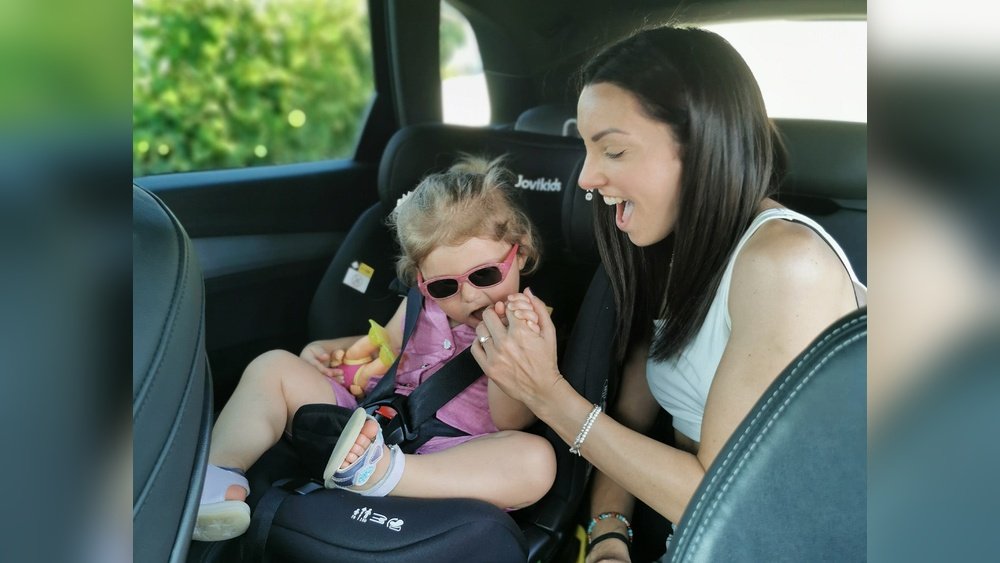
You might wonder if it’s safe or even possible to feed your baby while they’re in their car seat. Maybe you’re on a long trip, or just trying to keep things simple during a quick drive.
Feeding your baby in the car seat can seem like a quick fix, but it raises important questions about safety and comfort. You want to do what’s best for your little one, and understanding the risks and tips can make all the difference.
Keep reading to find out what experts say and how you can keep your baby safe and happy while on the go.
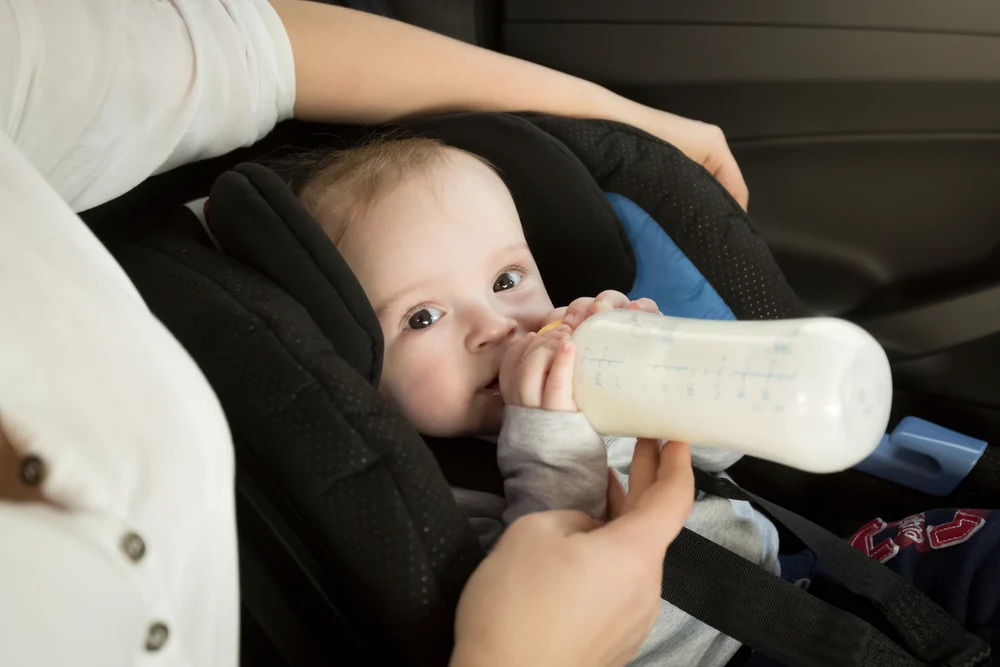
Credit: www.anniebabymonitor.com
Risks Of Feeding In Car Seats
Feeding a baby in a car seat can seem convenient, especially during long trips. Yet, it carries several risks that parents must know about. These dangers can affect the baby’s safety and health. Understanding these risks helps keep your baby safe.
Choking Hazards
Car seats do not support a baby’s head and neck properly during feeding. This can cause food to go down the wrong way. Babies can choke easily if they swallow incorrectly. Solid foods increase the choking risk in a car seat. Liquids can also cause problems if the baby is not upright.
Positional Asphyxia
Car seats make babies sit in a semi-reclined position. This position can block the airway. A baby’s neck might bend forward, making breathing hard. Positional asphyxia happens when a baby cannot get enough air. Feeding in this position raises the chance of this dangerous condition.
Distraction Risks
Feeding a baby in a car seat can distract the driver. Parents may focus more on feeding than on the road. Even a few seconds of distraction can cause accidents. Stopping the car to feed is safer than feeding while driving. Babies need full attention during feeding to avoid accidents.
Safe Feeding Alternatives On The Road
Feeding a baby safely on the road is important for every parent. Car seats are not designed for feeding. This can make feeding in the car risky. Safe feeding alternatives keep your baby secure and comfortable. They also help you avoid spills and distractions while driving.
Stopping For Feeding Breaks
Stopping the car to feed your baby is the safest option. Find a quiet, safe place to park. Take your baby out of the car seat carefully. Use a clean blanket or seat for comfort. Feeding breaks allow you to focus on your baby. They also give your baby a chance to stretch and relax.
Using Portable Feeding Chairs
Portable feeding chairs are a great travel tool. They are lightweight and easy to carry. Set them up at rest stops or picnic areas. These chairs give your baby a secure place to sit. They also help keep feeding items organized and within reach. Feeding is easier and less messy with these chairs.
Preparing Ahead For Travel
Preparation makes feeding on the road smoother. Pack bottles, snacks, and cleaning wipes in advance. Choose foods your baby likes and can eat safely. Have a cooler bag for milk or formula. Bring extra bibs and clothes for spills. Planning ahead reduces stress during travel and keeps feeding times on track.
When Feeding In A Car Seat Is Unavoidable
Sometimes feeding a baby in a car seat cannot be avoided. Trips can be long and baby needs to eat. Parents must know how to do this safely.
Feeding in a car seat is not ideal but can be done with care. Safety and comfort must come first. Below are tips to help in these situations.
Choosing The Right Car Seat
Select a car seat that supports feeding. Look for seats with good head and neck support. A well-padded seat helps keep baby stable. Choose one that reclines slightly to aid digestion and comfort.
Check the car seat’s instructions about feeding. Some designs make it easier to feed safely. Avoid seats that force baby into a strict upright position.
Proper Seating Position
Hold the bottle at an angle to reduce air intake. Watch baby’s face closely for any signs of discomfort. Avoid feeding while the car is moving fast or on rough roads.
Supervision And Monitoring
Always watch baby closely during feeding. Stay alert for coughing or gagging. Stop feeding immediately if baby shows distress. Have an adult sit next to baby if possible.
Never leave baby unattended with a bottle. After feeding, keep baby in the car seat for a few minutes. This helps prevent choking or spit-up while digestion starts.
Recommended Feeding Practices
Feeding a baby safely and comfortably is very important. Parents often wonder about feeding their baby in a car seat. Following recommended feeding practices helps keep babies safe and happy. It also supports their healthy growth and development. Below are some simple tips for feeding your baby in a car seat.
Bottle Feeding Tips
Hold the bottle at an angle to keep milk flowing. Avoid letting the baby lie flat with a bottle. This reduces the risk of choking or ear infections. Always watch the baby while feeding. Stop if the baby coughs or spits out milk. Burp your baby often during and after feeding. Clean bottles and nipples thoroughly after each use.
Breastfeeding Considerations
Breastfeeding in a car seat can be tricky. Try to feed your baby before the trip starts. If breastfeeding during travel is necessary, pull over safely. Use a nursing cover for privacy if you want. Support your baby’s head and neck well. Keep the baby semi-upright to avoid choking. Do not feed while the car is moving fast.
Timing And Frequency
Feed your baby regularly according to their hunger cues. Newborns eat every two to three hours. Older babies may eat less often but still need frequent feedings. Avoid feeding only to soothe the baby. Watch for signs of hunger like sucking or fussiness. Keep track of feeding times to ensure your baby gets enough food.
Signs Of Feeding-related Issues
Feeding a baby in a car seat can be risky. Parents and caregivers must watch for signs of feeding-related issues. Early detection helps prevent serious problems. It keeps your baby safe and comfortable during feeding times.
Recognizing Choking
Choking happens when food blocks the baby’s airway. The baby may cough loudly or gag. Look for sudden difficulty in breathing. The baby’s face might turn red or blue. Watch for weak or no crying sounds. These signs need immediate attention.
Identifying Discomfort
Babies cannot tell us when they feel pain. Watch for signs like fussiness or crying during feeding. Arching the back or pulling away from the bottle can show discomfort. Gurgling or coughing sounds might mean trouble swallowing. These clues suggest the baby is not feeding well.
Emergency Response Steps
Stay calm and act quickly if choking occurs. Gently remove the baby from the car seat. Lay the baby face down on your forearm. Give up to five back blows between the shoulder blades. If choking continues, give up to five chest thrusts. Call emergency services if the baby is still choking. Always keep emergency numbers nearby during travel.

Credit: papablic.com
Expert Advice And Guidelines
Feeding a baby in a car seat might seem convenient during travel. Expert advice and guidelines help parents keep babies safe while feeding. Understanding these recommendations can prevent risks and ensure comfort. Safety is the top priority for babies in car seats.
Pediatric Recommendations
Doctors advise against feeding babies in car seats for long periods. Sitting in a reclined position can cause choking risks. Babies need to be upright during feeding for safe swallowing. Pediatricians recommend stopping the car and moving the baby to a safe spot to feed. This also helps parents watch the baby closely.
Car Seat Manufacturer Warnings
Most car seat makers warn against feeding while the seat is in use. Liquids can spill and cause mess or damage. Straps and buckles should stay snug and secure. Feeding can loosen straps or distract the driver. Always follow the car seat manual for feeding advice.
Safety Organization Guidelines
Groups like the American Academy of Pediatrics advise no feeding in moving cars. They suggest feeding only when the vehicle is stopped. This reduces choking hazards and distraction. Safety experts stress that car seats are for travel, not feeding or sleeping. Follow these rules to keep babies safe on the road.
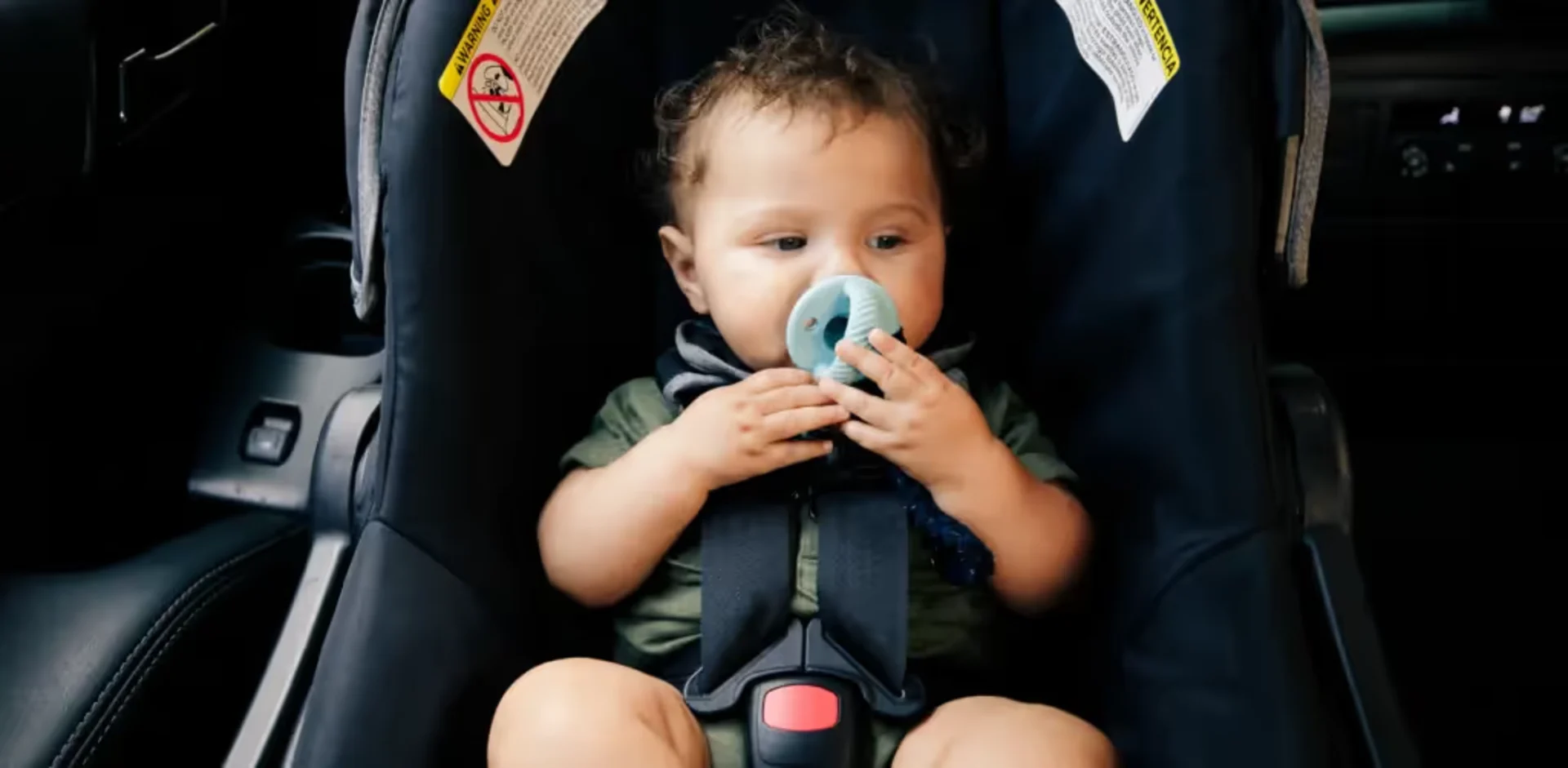
Credit: www.safeintheseat.com
Frequently Asked Questions
Can Babies Safely Eat In Car Seats?
Feeding babies in car seats is generally unsafe. It increases choking risks and affects breathing. Always feed your baby outside the car seat in a safe, upright position.
Why Is Feeding In A Car Seat Risky?
Car seats recline, which may block airflow and raise choking chances. Feeding while driving distracts the driver, increasing accident risks. It’s best to stop the car for feeding.
When Should I Feed My Baby During Travel?
Feed your baby before starting your trip or during scheduled stops. This ensures safety and comfort. Avoid feeding while the car is moving to prevent choking hazards.
How To Keep Baby Comfortable Without Feeding In Car Seat?
Bring pacifiers, toys, or soft blankets to soothe your baby. Offer feeding during breaks or before the trip starts. This keeps your baby calm and safe during travel.
Conclusion
Feeding a baby in a car seat is not safe. It can cause choking or breathing problems. Always stop the car and take your baby out to feed. Use a safe, calm place for feeding time. Your baby’s safety is the most important thing.
Keep car rides for travel only, not for feeding. This simple choice helps protect your little one every trip. Stay alert and care for your baby’s needs carefully. Safety first, always.
