
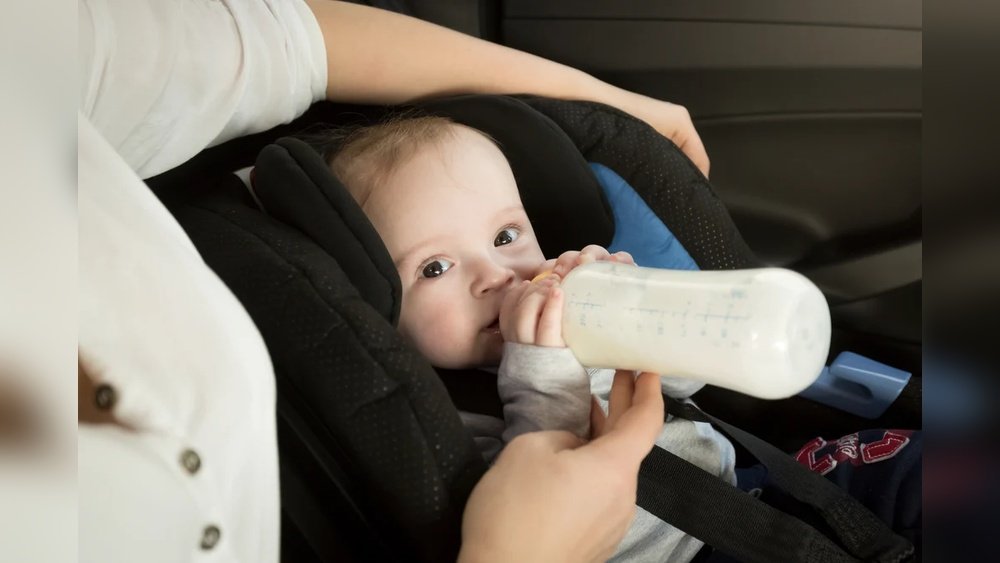
If you’re a parent or caregiver, you’ve probably wondered: can you feed your baby in the car seat? It might seem like a quick and easy way to keep your little one calm during car rides.
But is it safe? And what should you watch out for? Understanding the risks and best practices can help you make the right choice for your baby’s health and comfort. Keep reading to discover everything you need to know before feeding your baby in their car seat.
Risks Of Feeding In Car Seats
Feeding a baby in a car seat can seem convenient, especially during long trips. Yet, it carries several risks that parents should know. Understanding these risks helps keep your child safe and comfortable.
Choking Hazards
Babies can choke more easily in car seats. The seat limits their movement and head control. Food or milk may go down the wrong way. Parents may not notice choking quickly in a moving car. This risk grows with solid foods or bottles.
Posture Concerns
Car seats do not support good feeding posture. Babies often lean forward or slouch. This position can make swallowing harder. Poor posture may cause ear infections or stomach issues. It also affects breathing during feeding.
Distraction For Drivers
Feeding a baby distracts drivers. Parents may take their eyes off the road. Hands are busy holding bottles or food. Sudden movements from the baby can startle drivers. This distraction raises the chance of accidents.
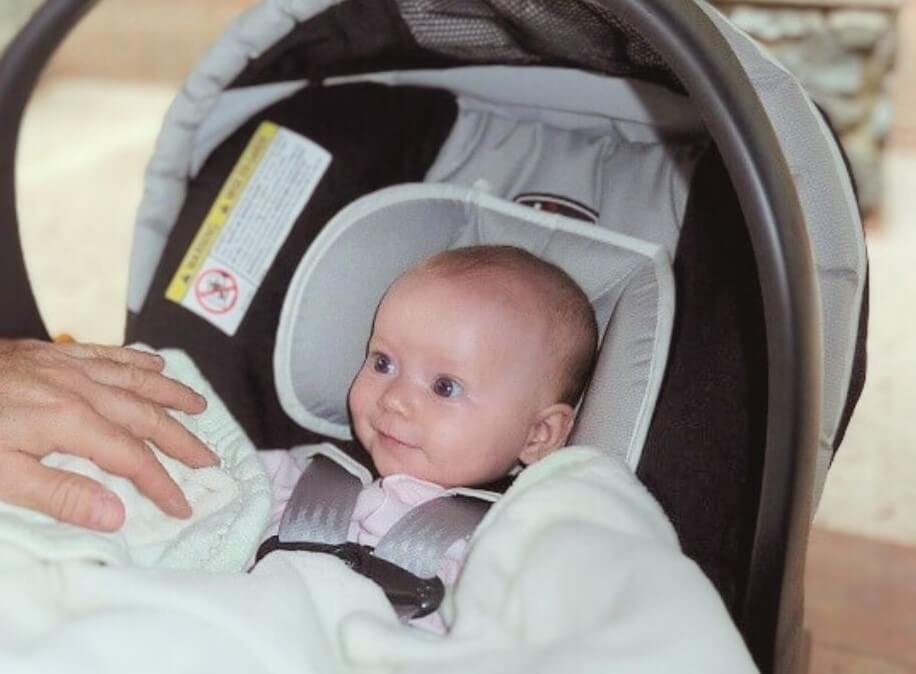
Credit: www.kidecology.com
Recommended Feeding Practices
Feeding a baby safely is a top priority for parents and caregivers. Recommended feeding practices help ensure the baby’s comfort and health. These practices reduce risks like choking and discomfort during travel. Following clear guidelines makes feeding easier and safer.
Feeding Before Or After Travel
Feed your baby before the car ride whenever possible. A full stomach helps the baby stay calm during travel. Avoid feeding while the car is moving to prevent choking hazards. If the baby needs to eat after travel, find a safe place to stop. This helps the baby enjoy feeding without distractions or dangers.
Using Designated Feeding Areas
Choose quiet, comfortable spots for feeding sessions. A stroller or a baby seat outside the car is better than the car seat. These areas support good posture and reduce risk. Clean and safe places make feeding more pleasant for the baby. Avoid feeding inside the car seat during travel.
Supervised Feeding Sessions
Always watch your baby closely while feeding. Never leave a baby alone with a bottle or food. Close supervision helps prevent choking and other accidents. Stay alert to signs that the baby is full or uncomfortable. This care ensures feeding stays safe and stress-free.
Safe Alternatives To Feeding In Car Seats
Feeding a baby in a car seat is not the safest choice. It can cause choking or breathing problems. Finding safer ways to feed your baby while traveling is important. These options keep your baby comfortable and secure during mealtime.
Portable High Chairs
Portable high chairs are easy to carry and use anywhere. They attach to tables or have their own stand. This keeps your baby upright and safe while eating. Portable high chairs are perfect for trips and visits outside the home.
Travel-friendly Feeding Gear
Travel-friendly feeding gear includes spill-proof bowls and easy-to-hold utensils. These tools help reduce mess and frustration. They also make feeding quicker and more comfortable for both baby and parent. Choose lightweight and easy-to-clean items for the best experience.
Scheduled Breaks For Feeding
Stopping the car for feeding breaks keeps your baby safe. Use these breaks to feed your baby outside the car seat. It also gives your baby a chance to stretch and move. Regular breaks help maintain a calm and happy mood during the trip.

Credit: jovikids.com
Signs Baby Is Uncomfortable Or Unsafe
Babies cannot always tell us when they feel uneasy or unsafe. Parents must watch for clear signals during feeding times, especially in a car seat. These signs help prevent choking or other dangers. Knowing what to look for keeps your baby safe and comfortable.
Coughing Or Gagging
Coughing or gagging often shows trouble swallowing or breathing. It can mean the baby is not positioned well. Stop feeding immediately to check the baby’s safety. Adjust the baby’s position before continuing.
Fussiness During Feeding
A fussy baby may feel discomfort or pain. They might pull away or cry during feeding. Fussiness can signal that the car seat is not the right place to feed. Try feeding the baby in a calm, flat spot instead.
Changes In Breathing Patterns
Watch for fast, shallow, or irregular breathing. These changes can mean the baby struggles to breathe properly. Breathing problems need immediate attention. Gently stop feeding and hold the baby upright until breathing normalizes.
Expert Advice And Guidelines
Feeding a baby in a car seat raises many safety questions for parents. Experts provide clear advice and guidelines to keep babies safe during feeding times in the car. Understanding these guidelines helps parents make informed choices and avoid risks.
Pediatrician Recommendations
Pediatricians advise against feeding babies in a car seat while the vehicle is moving. The semi-reclined position increases the risk of choking. Babies need to be upright and supervised closely during feeding. Pediatricians suggest stopping the car for feeding sessions. This ensures the baby’s airway stays clear and reduces danger.
Safety Organization Guidelines
Safety groups like the American Academy of Pediatrics discourage feeding in car seats on the go. They highlight the risk of choking and poor posture. Guidelines recommend using a safe place outside the car for feeding. Buckling the baby in the car seat is only for travel, not for feeding. These rules aim to protect the baby’s health and well-being.
Parent Testimonials
Many parents share their experiences with feeding in car seats. Some mention stopping the car to feed their baby safely. Others warn about the dangers of feeding while driving. Parents agree that safety comes first. They recommend planning breaks for feeding rather than feeding in the seat.
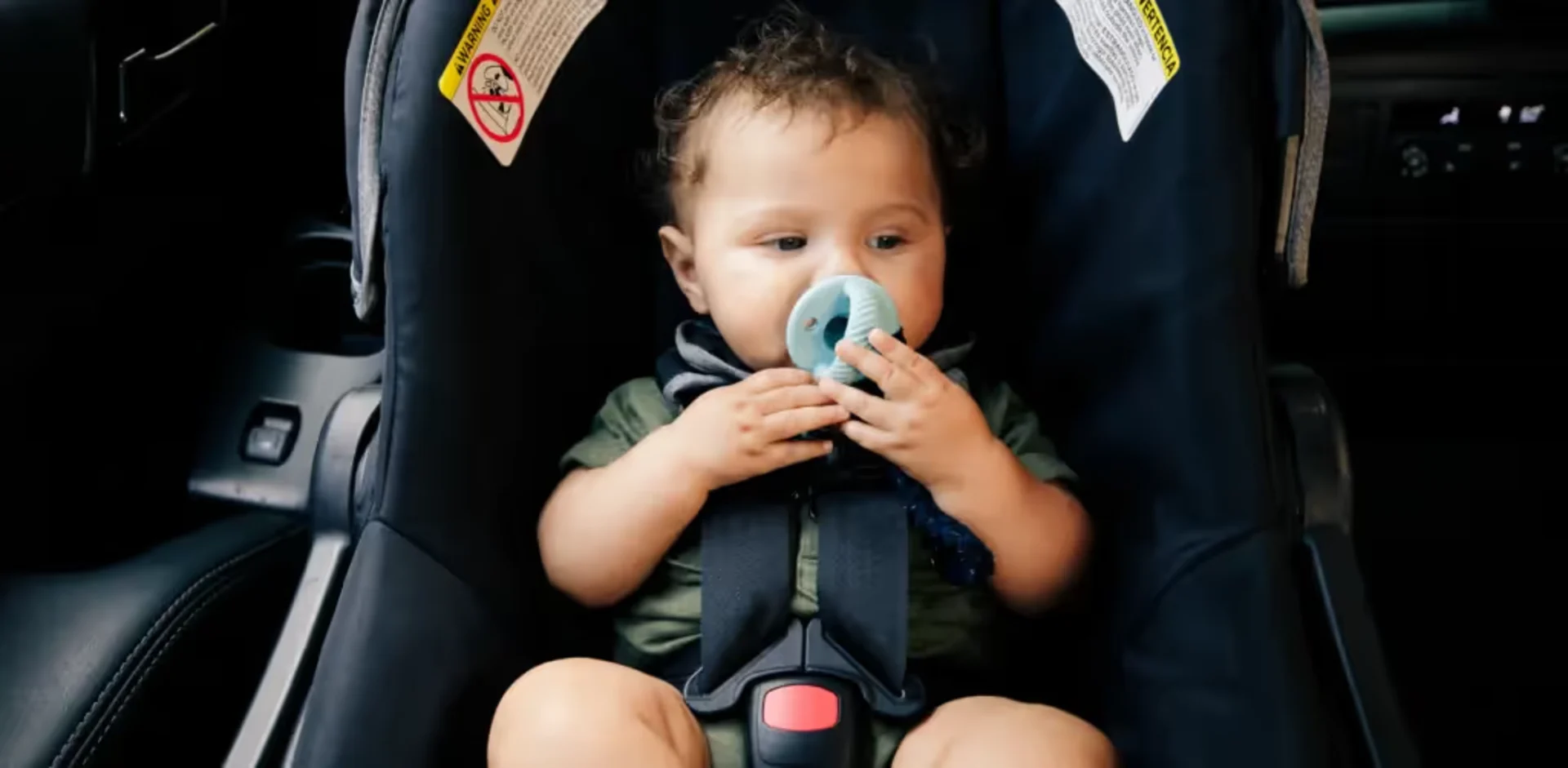
Credit: www.safeintheseat.com
Frequently Asked Questions
Is It Safe To Feed A Baby In A Car Seat?
Feeding a baby in a car seat is generally not recommended. It can increase choking risks and cause poor posture. Always prioritize safety by feeding your baby outside the car seat whenever possible.
What Are The Risks Of Feeding Baby In A Car Seat?
Feeding in a car seat can lead to choking and breathing difficulties. The reclined position may cause milk to flow improperly. It also increases the chance of ear infections due to milk pooling in the throat.
How Can I Safely Feed My Baby During Car Trips?
Stop the car and take your baby out of the car seat to feed. Use a secure, flat surface and maintain an upright position for feeding. This ensures safety and reduces choking risks.
Can Bottle Feeding In A Car Seat Cause Ear Infections?
Yes, bottle feeding in a reclined car seat can increase ear infection risk. Milk may flow back into the Eustachian tubes, promoting bacterial growth. Feeding upright helps prevent this problem.
Conclusion
Feeding a baby in a car seat is not the safest choice. Babies should eat in a calm, upright place. Car seats are designed for travel, not feeding. Eating in a moving car can cause choking risks. Always stop the car and use a proper seat or high chair.
Keep your baby comfortable and safe during feeding times. Safe habits help prevent accidents and keep your baby healthy. Remember, safety comes first for your little one’s meals. Choose the best spots for feeding, away from the car’s motion.
